
Why Electric Bikes Are Becoming Essential in Europe
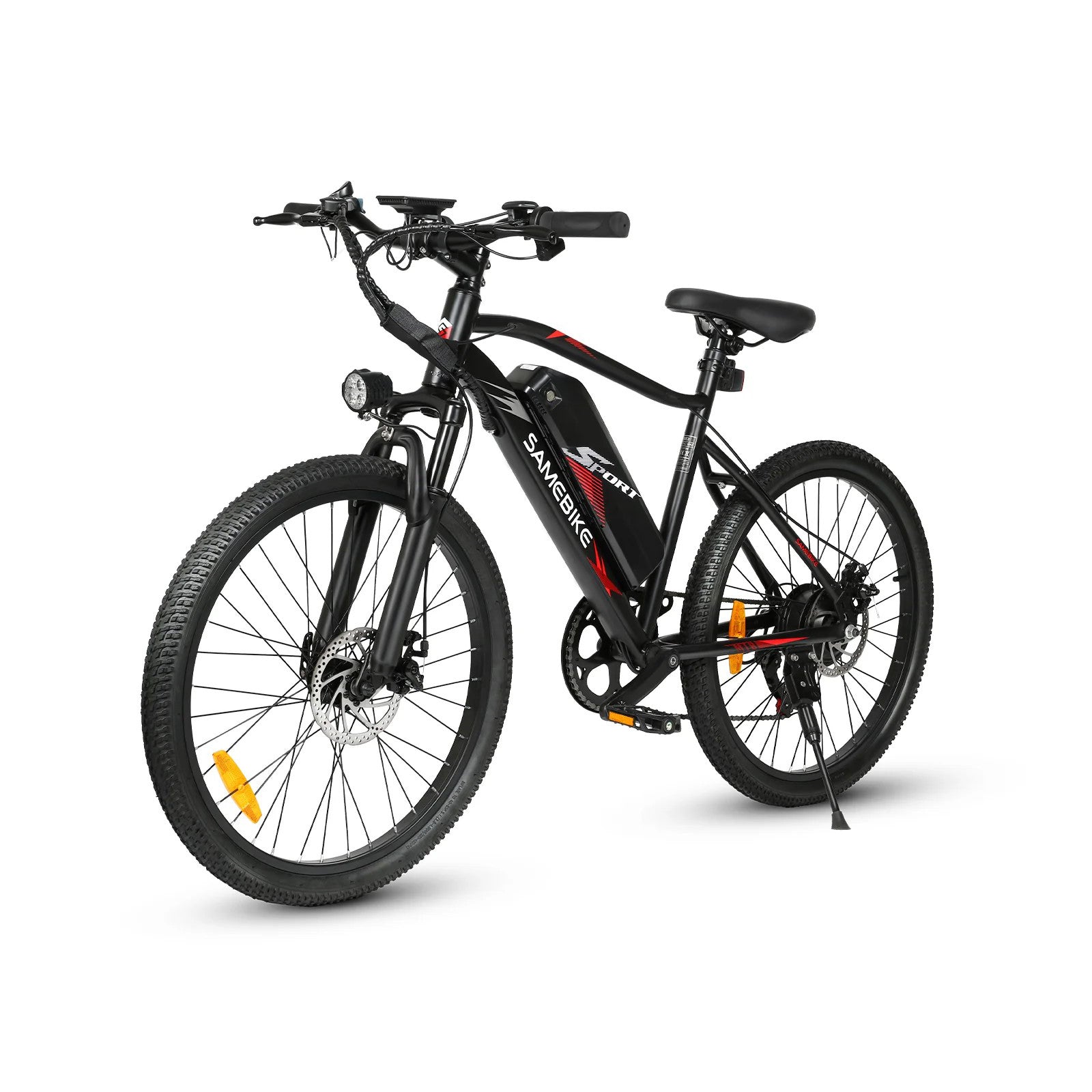
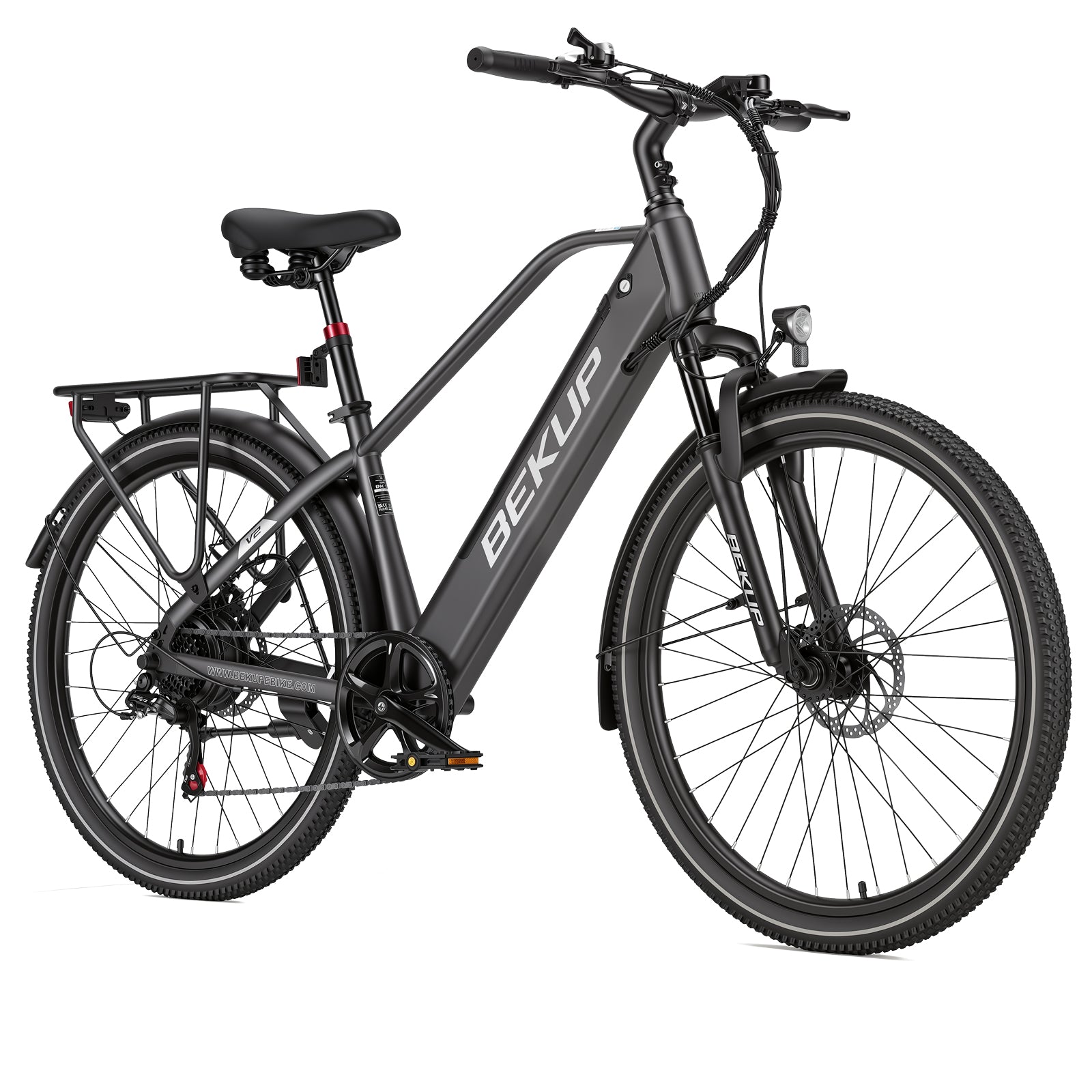
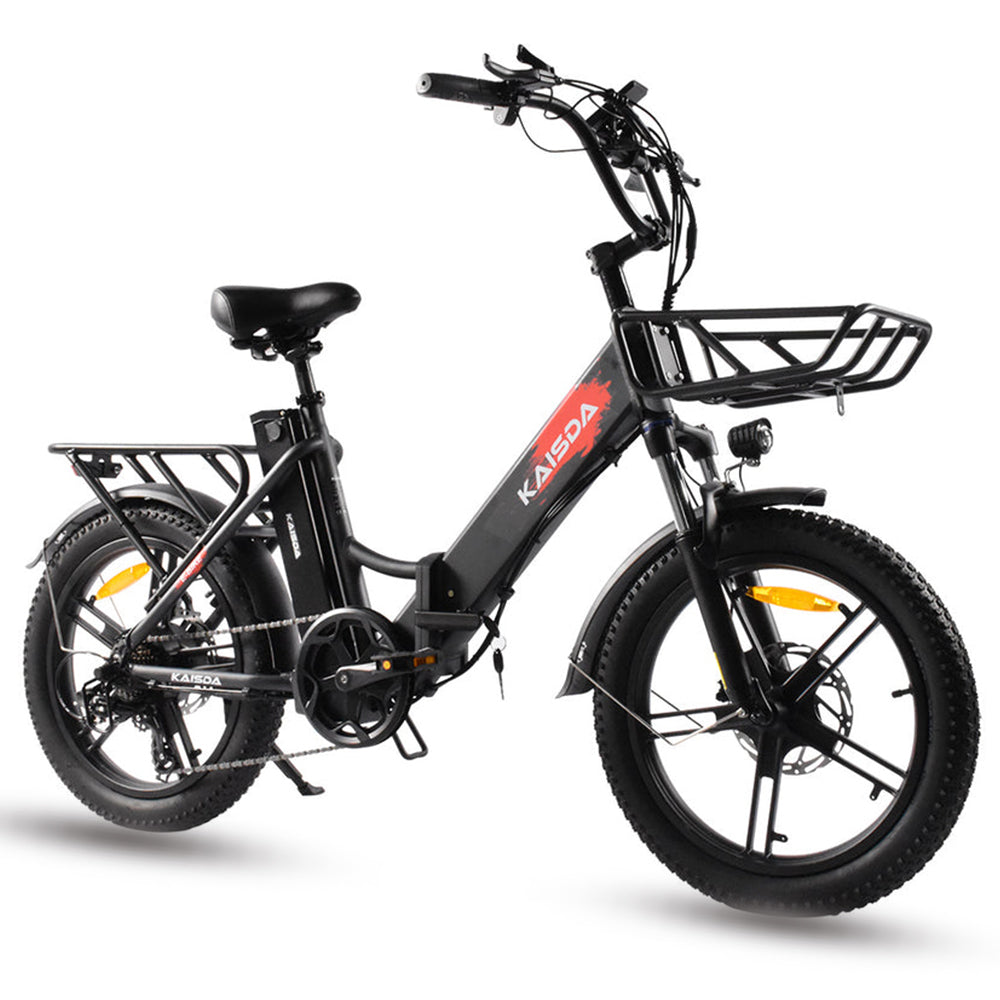
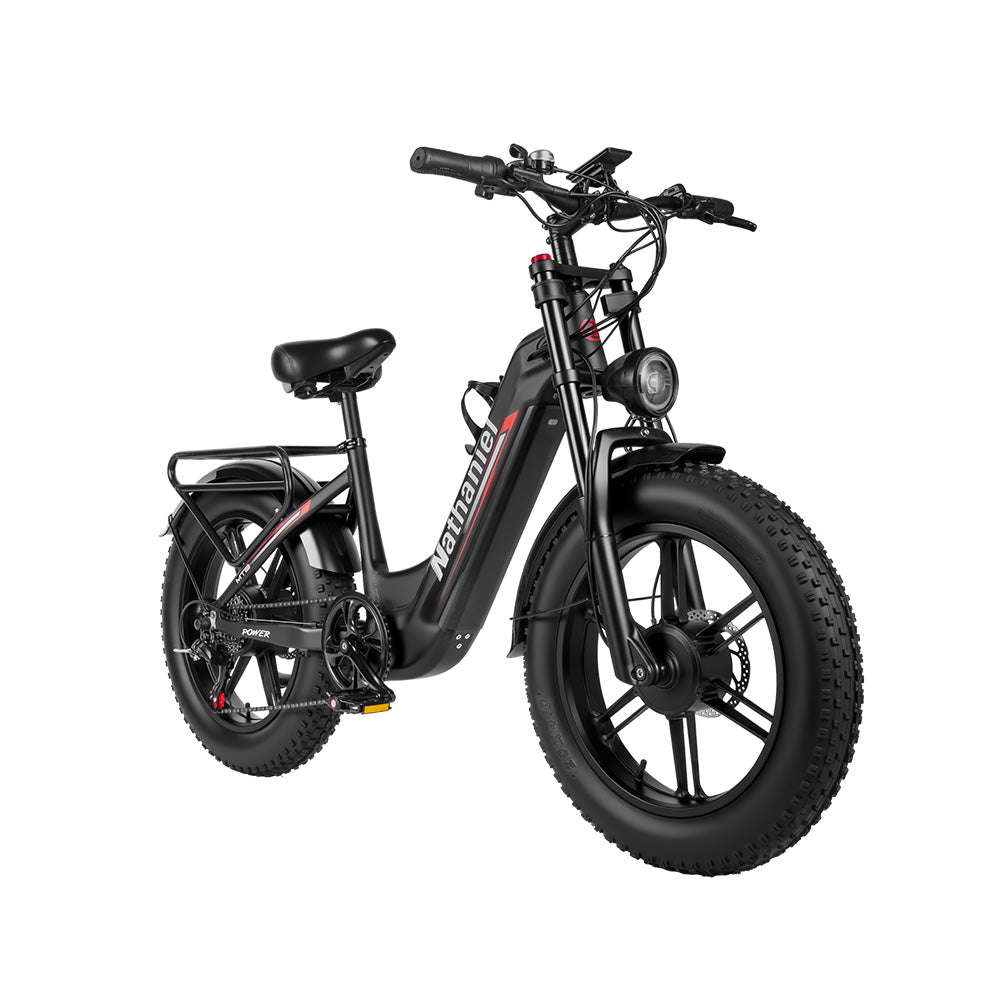
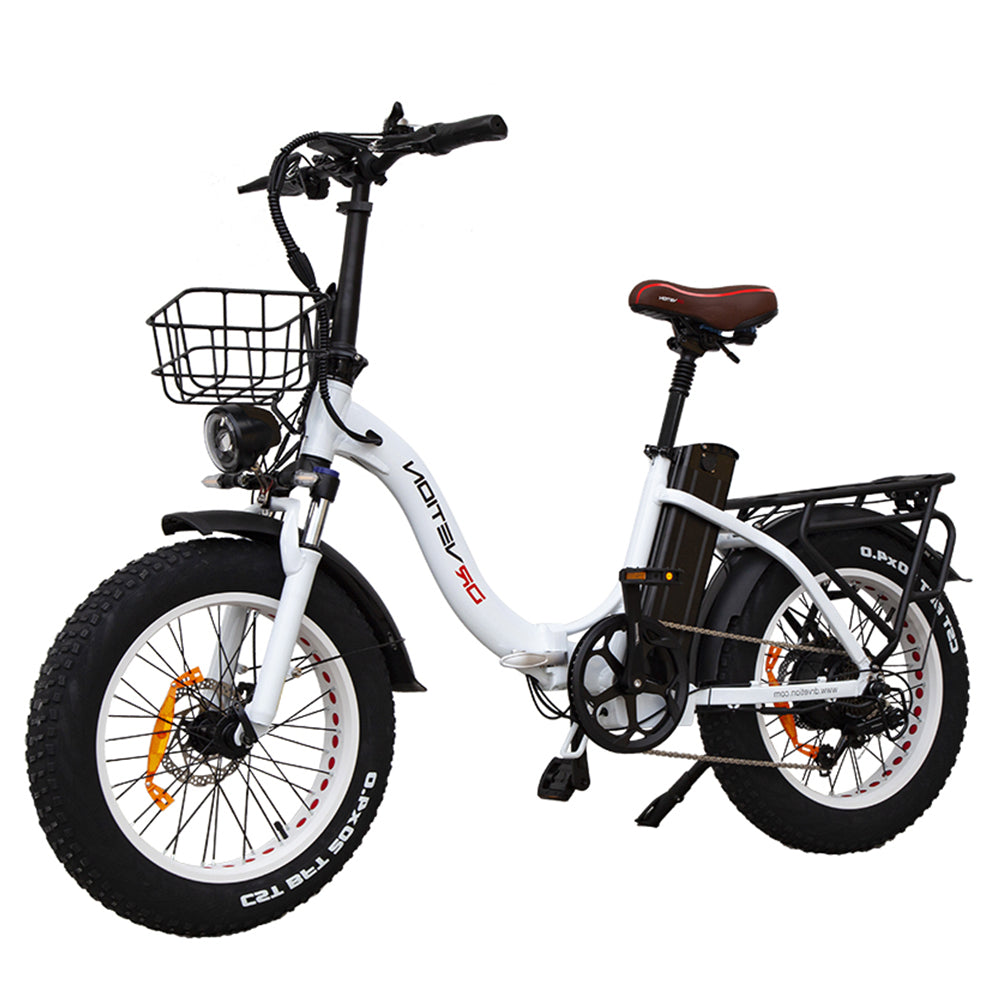
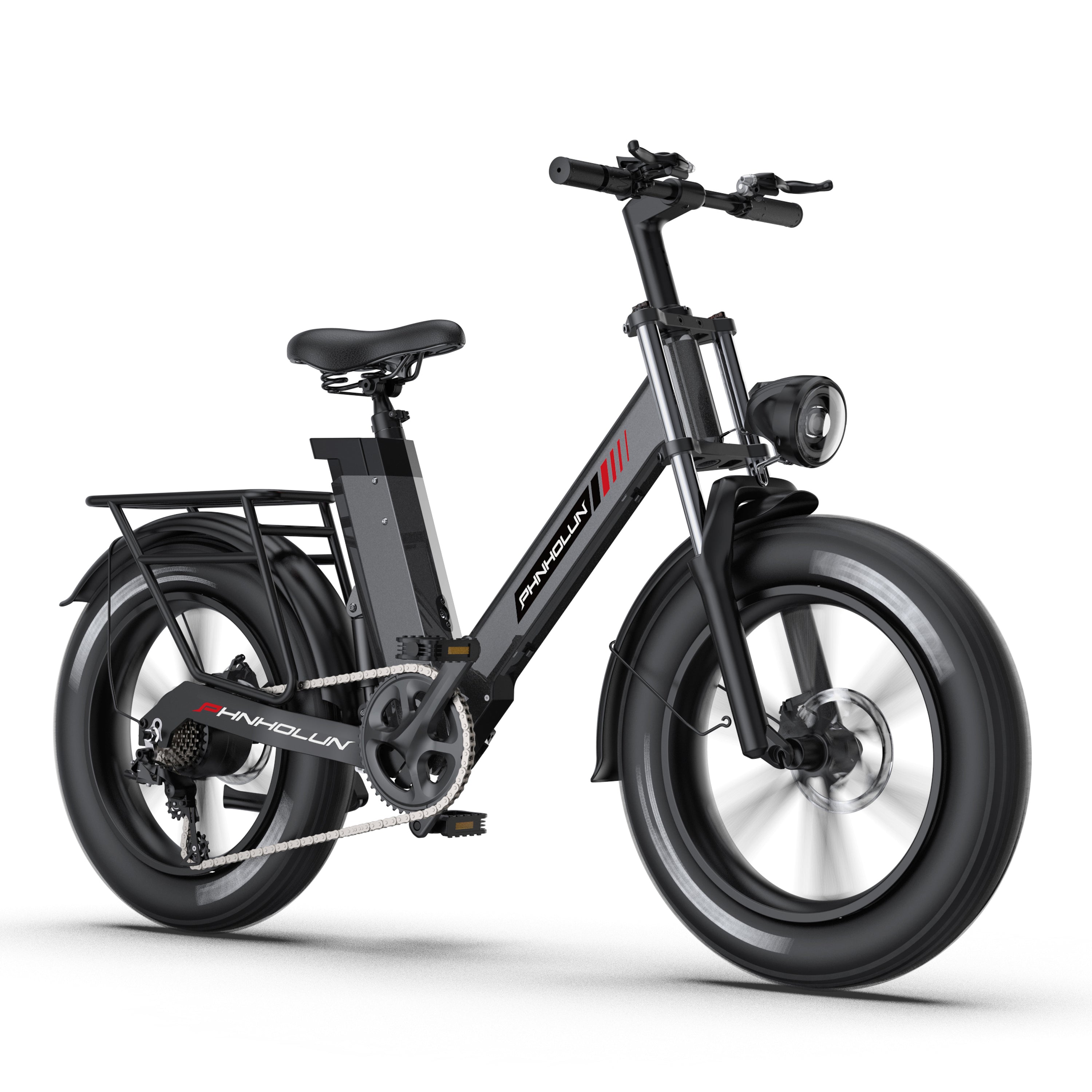
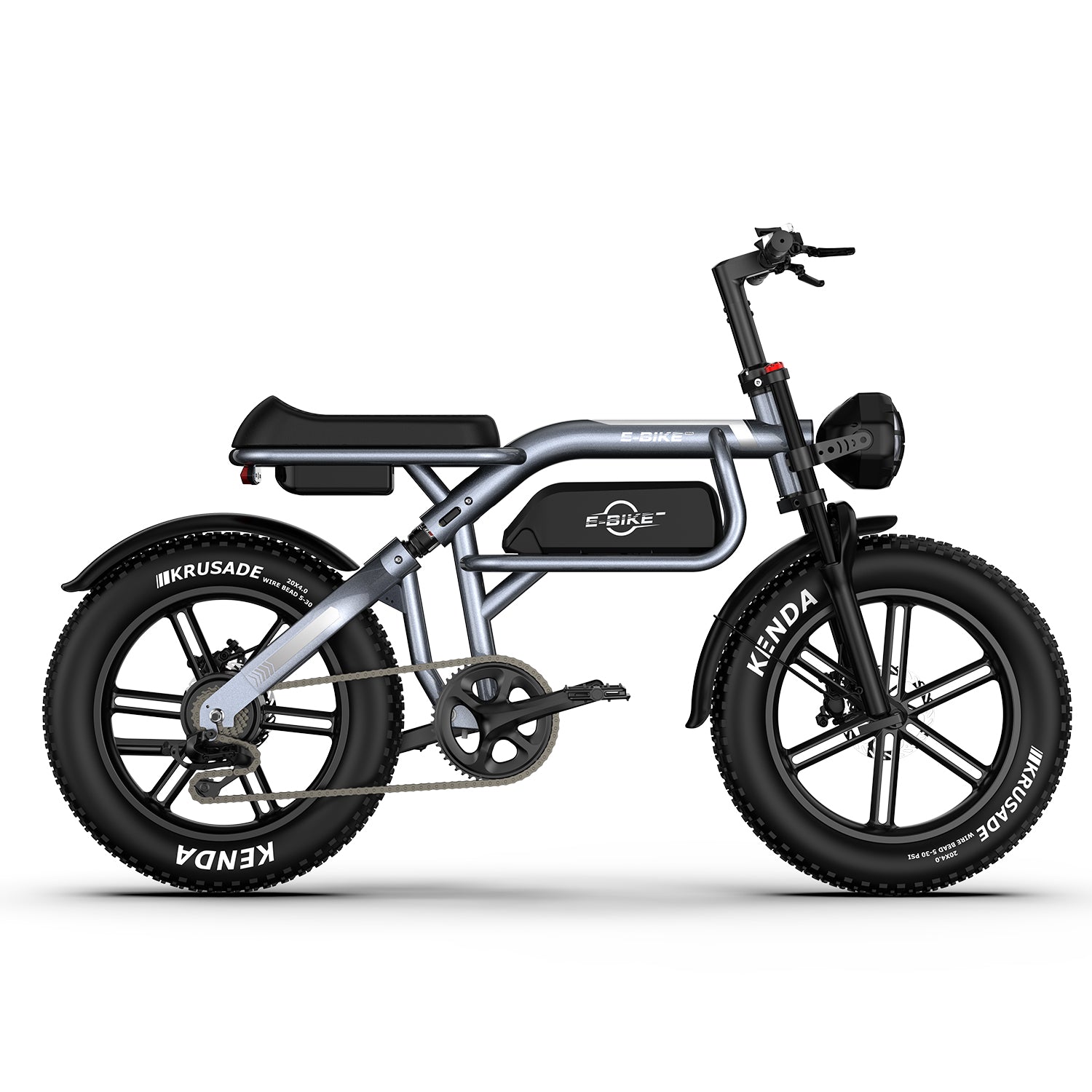
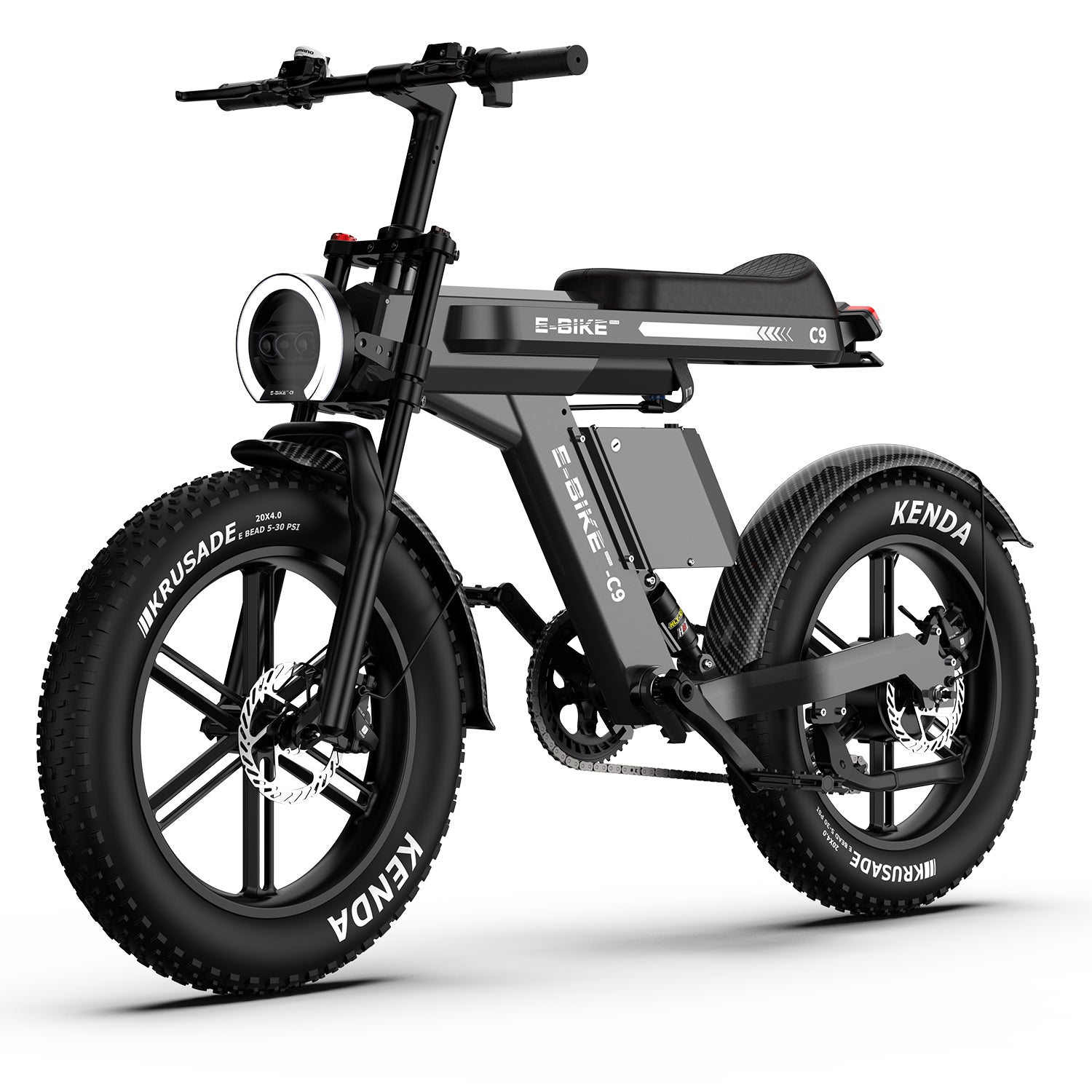
Electric bikes have rapidly evolved from niche mobility tools into a core part of everyday transportation across Europe. With rising fuel costs, growing environmental awareness, and increasingly bike-friendly cities, the electric bike is now a practical solution for commuting, errands, and leisure riding.
In many European countries, electric bikes bridge the gap between traditional bicycles and motor vehicles, offering efficiency without sacrificing accessibility.
What Is an Electric Bike Under EU Standards?
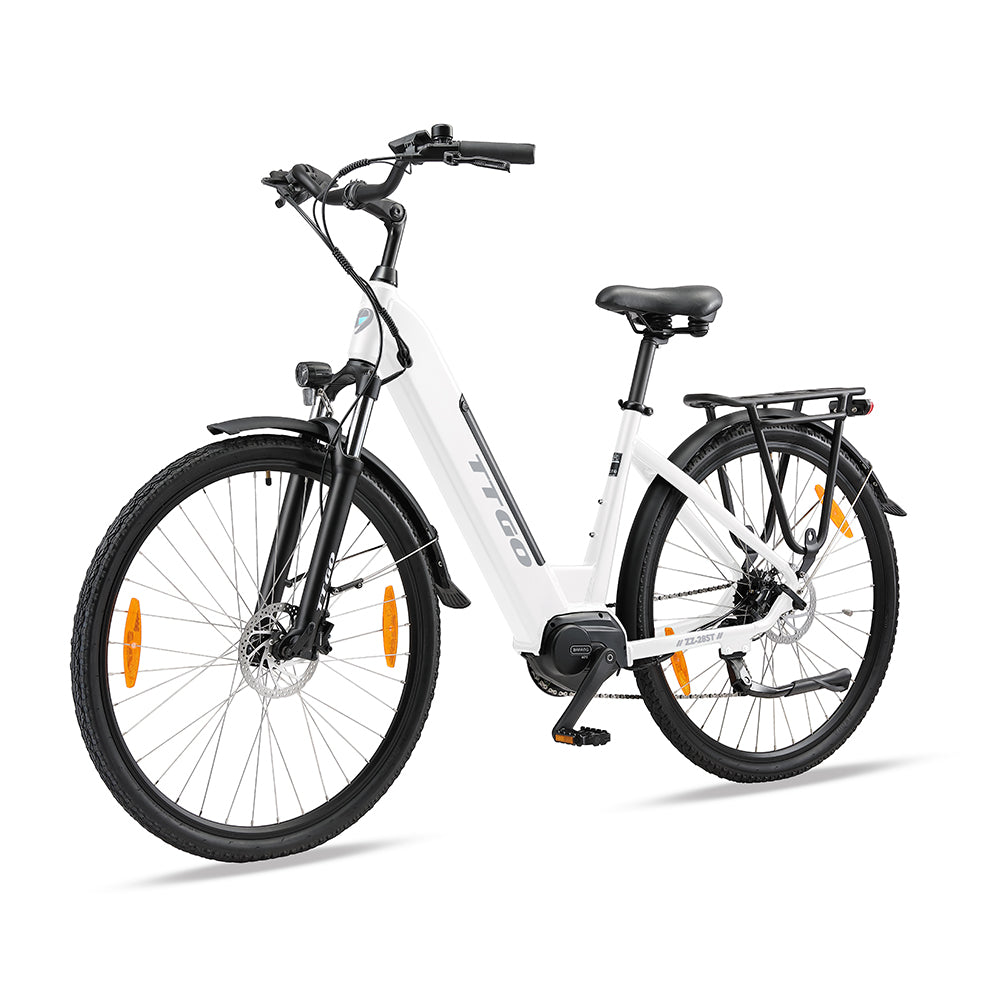
In Europe, the most common and widely accepted electric bike is the pedelec. A pedelec provides motor assistance only when the rider is pedaling and is typically limited to 25 km/h (15.5 mph).
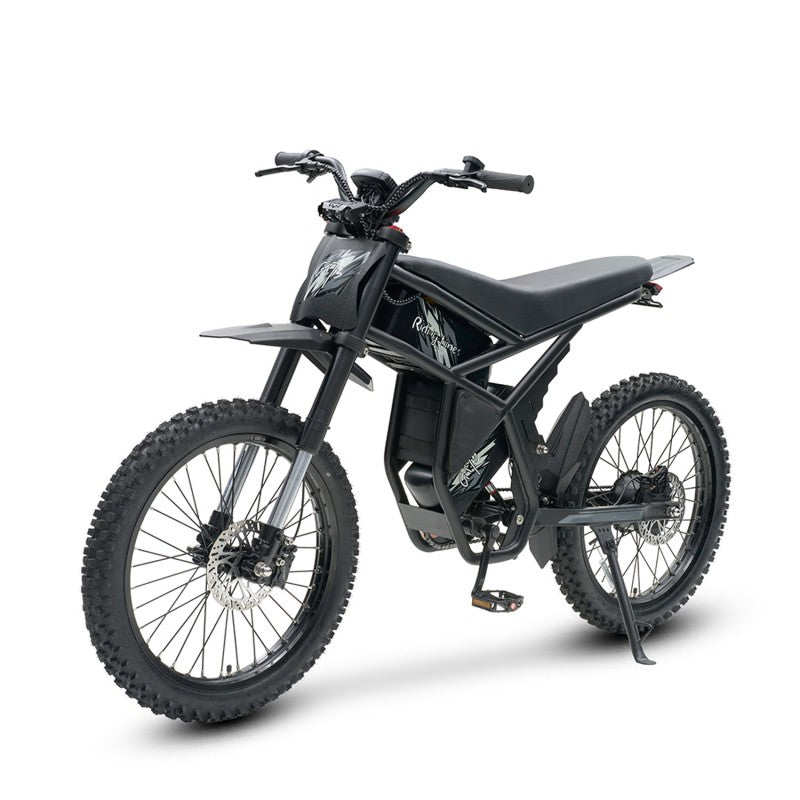
Understanding the difference between a pedelec, speed pedelec, and other electric bike categories is essential before riding on public roads. For a detailed breakdown, see this explanation of electric bike types.
Electric Bike Regulations Across Europe
Although EU-level standards exist, electric bike regulations can still vary by country. Speed limits, helmet requirements, and age restrictions may differ depending on local laws.
Riders planning to use an electric bike for daily transportation should always review national regulations. For example, Poland has clearly defined rules for legal electric bike use, which are outlined in this Poland-specific legal guide.
Choosing the Right Electric Bike for Everyday Use
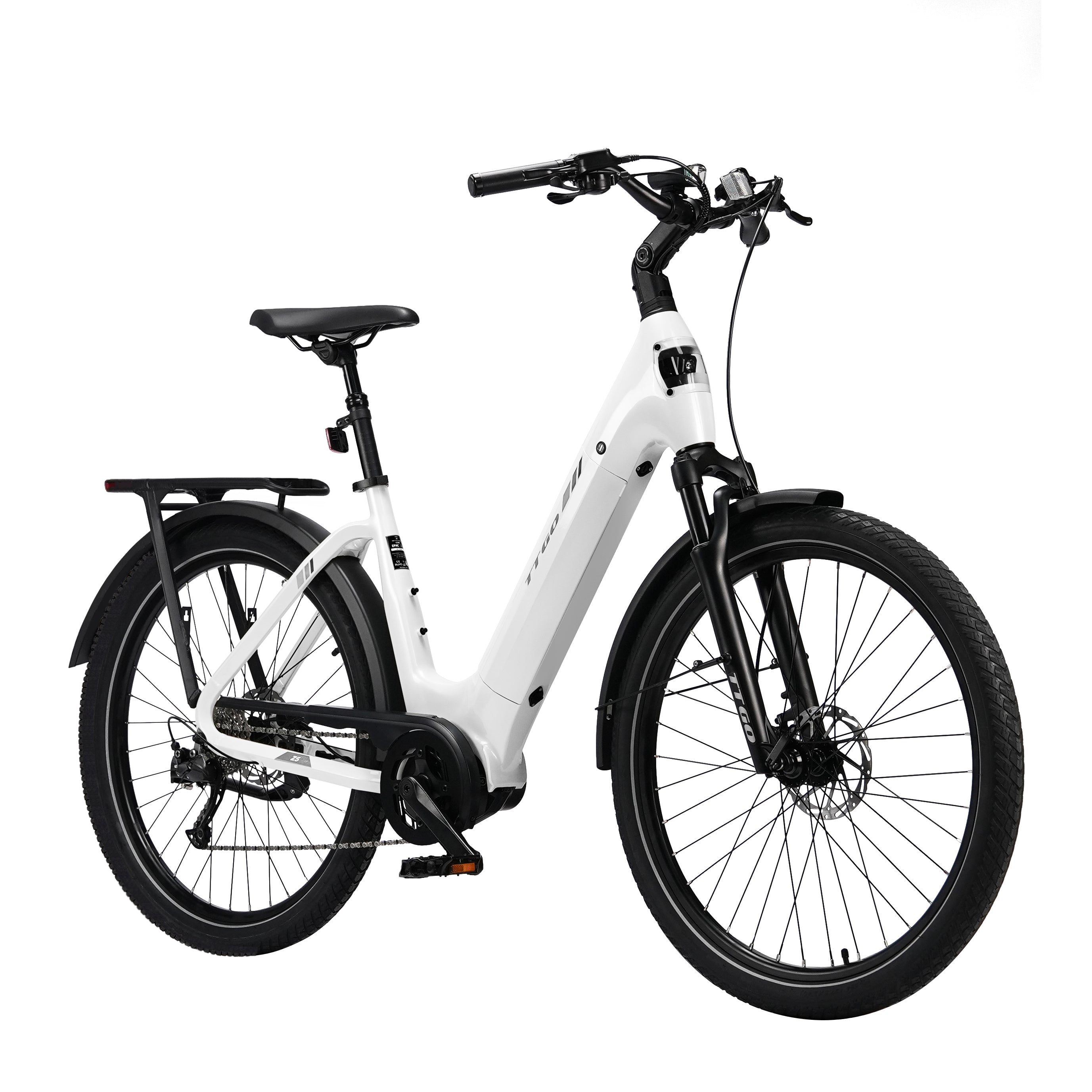
Selecting an electric bike in Europe depends heavily on how and where it will be used. City commuters often prioritize comfort, reliability, and ease of maintenance, while longer-distance riders may focus on battery efficiency and riding position.
If you are evaluating your first electric bike or comparing different formats, this comprehensive electric bike buying guide covers the most important decision factors in detail.
Daily Riding and Comfort Considerations
Electric bikes are designed for frequent use, but comfort plays a major role in long-term satisfaction. Saddle height, riding posture, and gear shifting habits all affect how enjoyable daily riding feels.
Small adjustments can significantly improve the experience, especially for commuting. Many riders find practical advice in this guide to making an e-bike more comfortable.
Basic Maintenance for Long-Term Reliability
Regular maintenance ensures that an electric bike remains safe and efficient over time. Simple checks such as tire pressure, brake condition, and battery care can prevent common issues and extend component lifespan.
Riders new to electric bikes can start with this essential e-bike maintenance guide, which covers routine upkeep without technical complexity.
The Future of Electric Bikes in Europe
Looking ahead to 2026 and beyond, electric bikes are expected to play an even larger role in European mobility. Continued investment in cycling infrastructure and clearer regulatory frameworks are making everyday electric bike use more accessible than ever.
For riders seeking a practical, sustainable, and flexible way to move through European cities, the electric bike is no longer an alternative—it is becoming the standard.