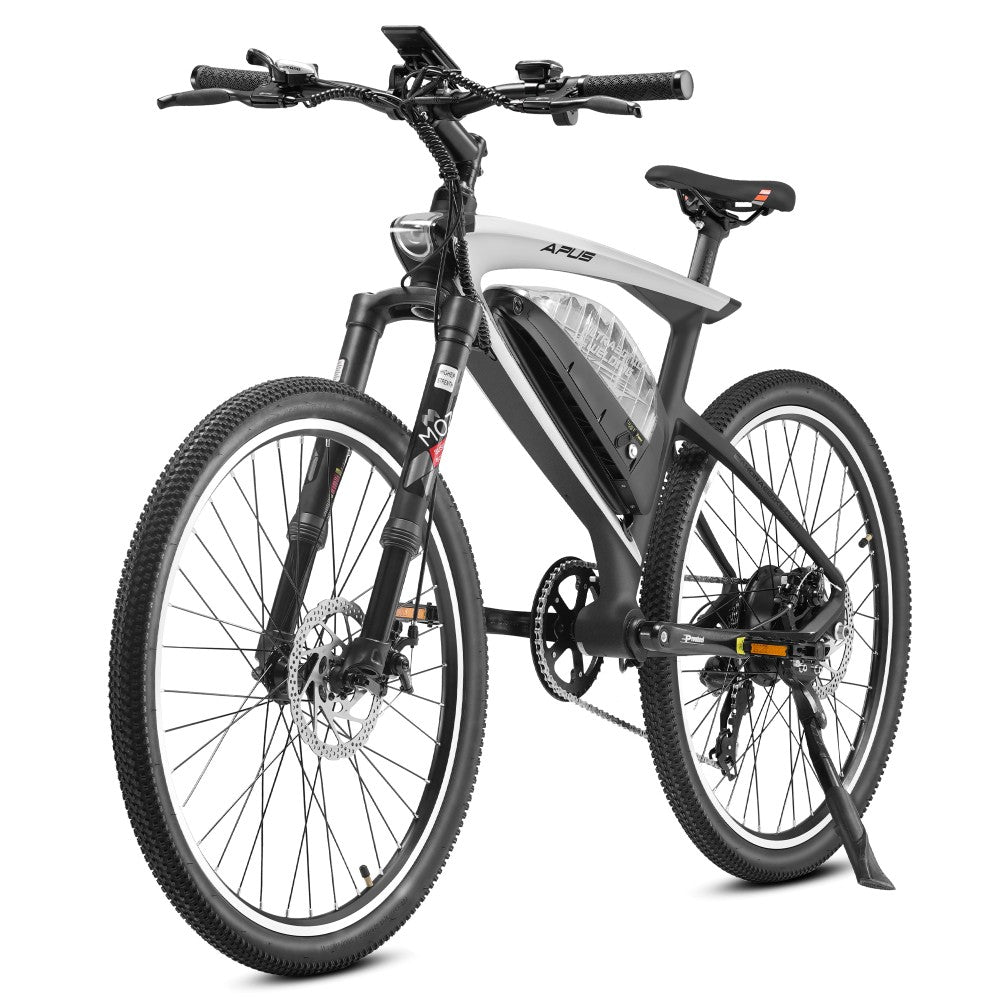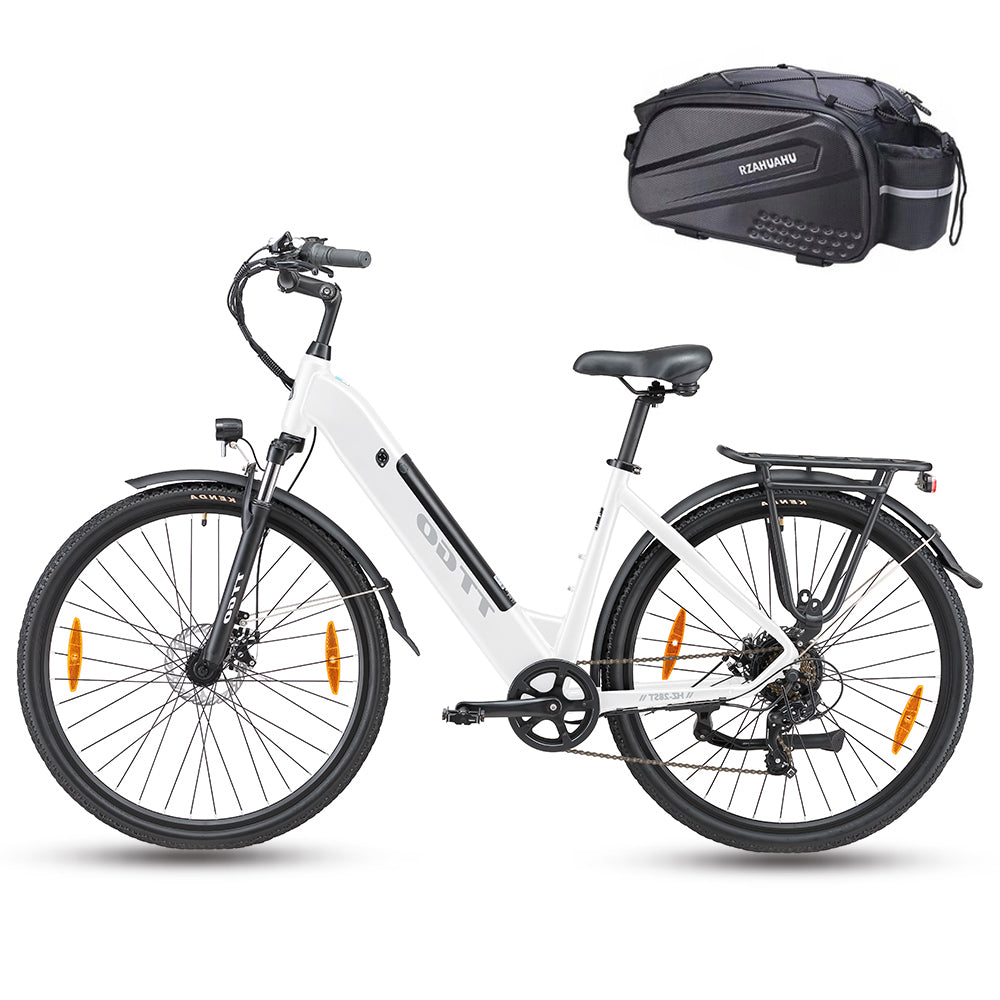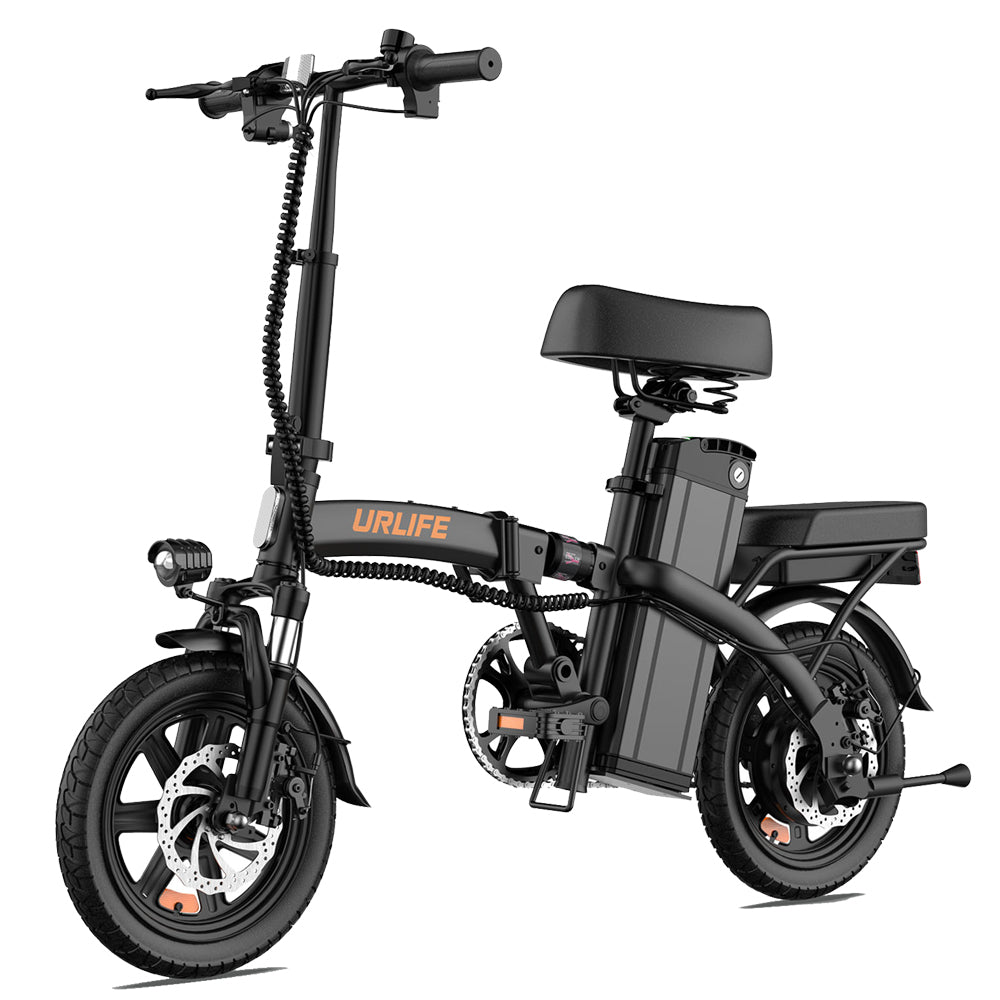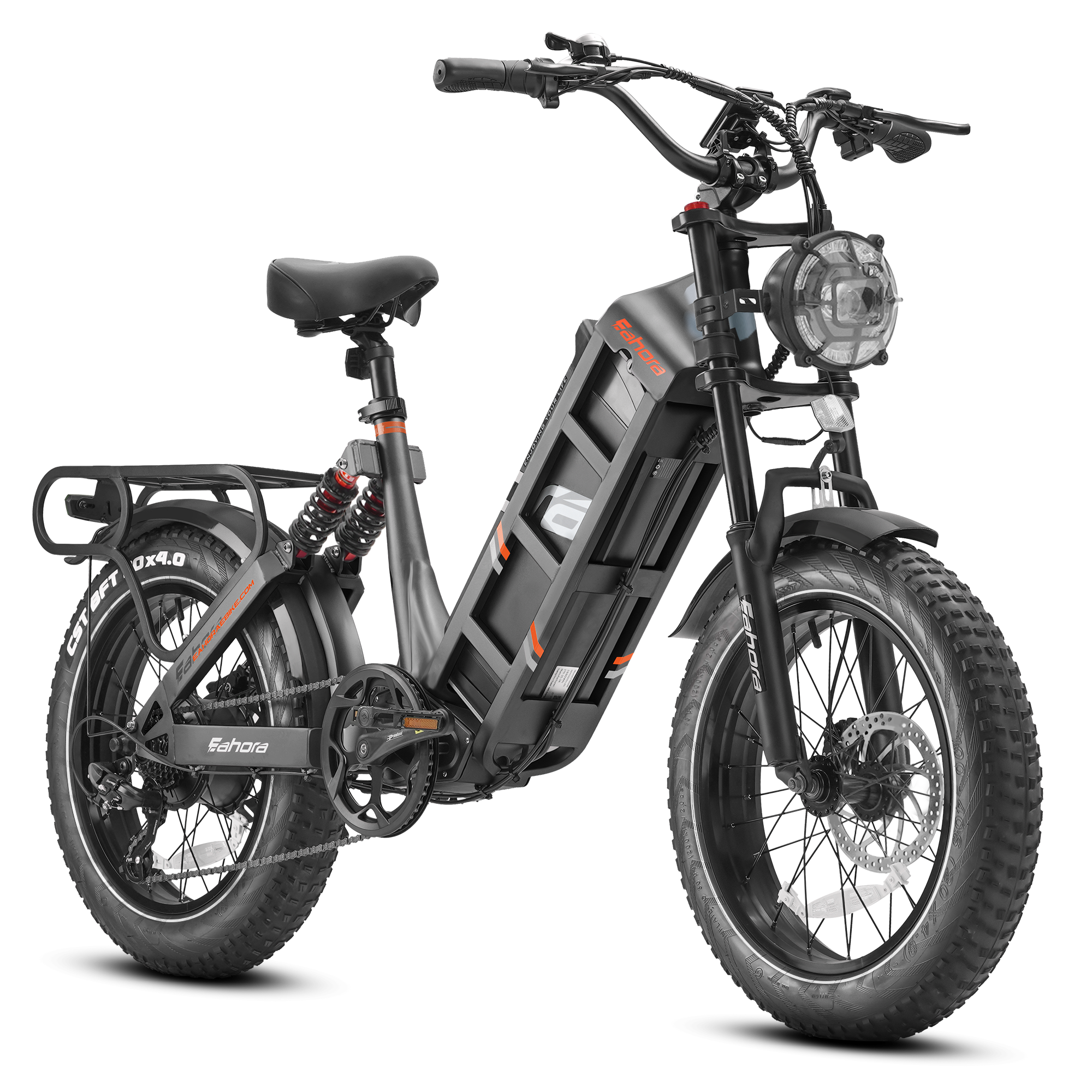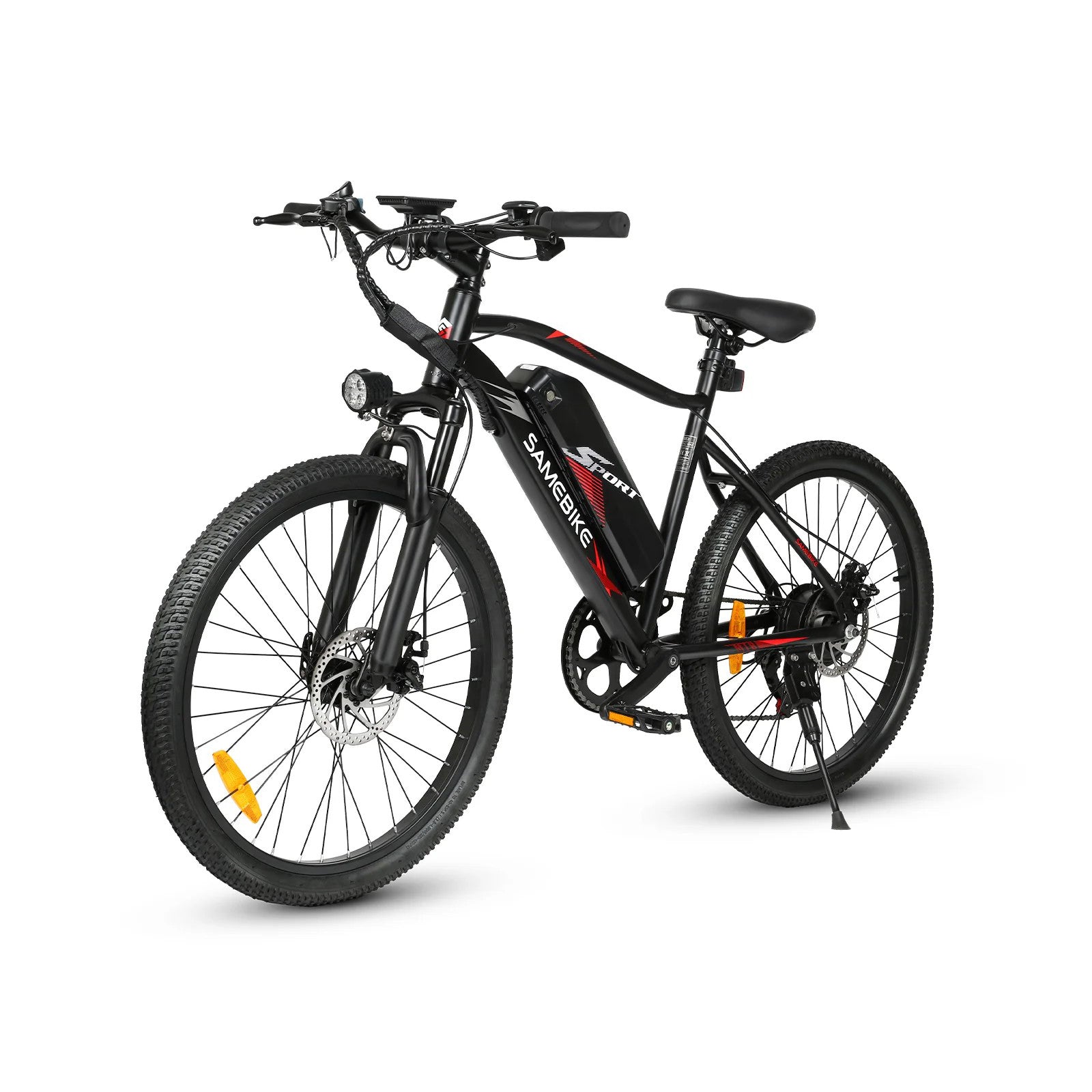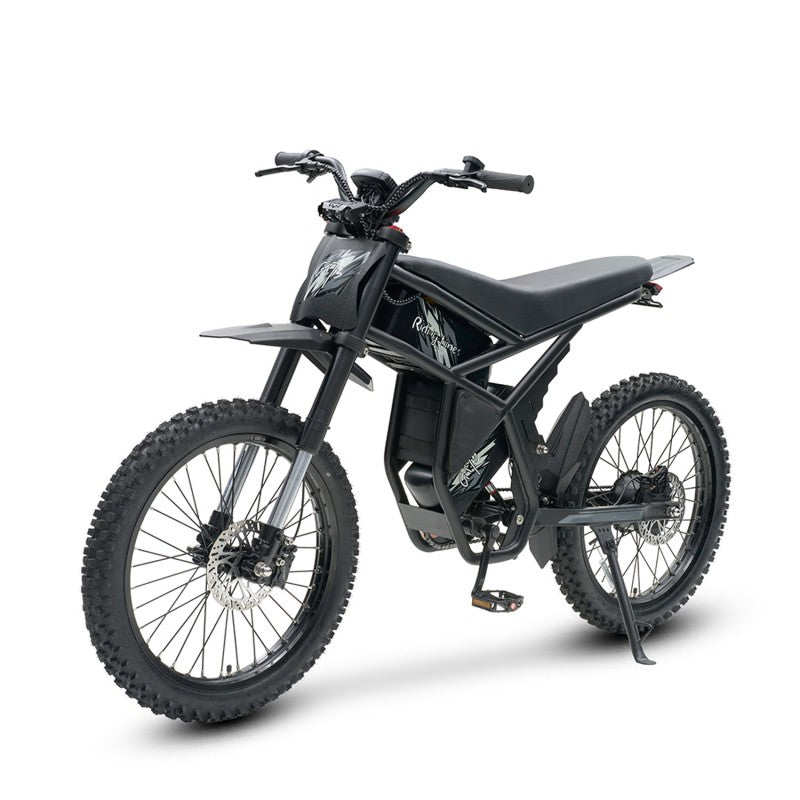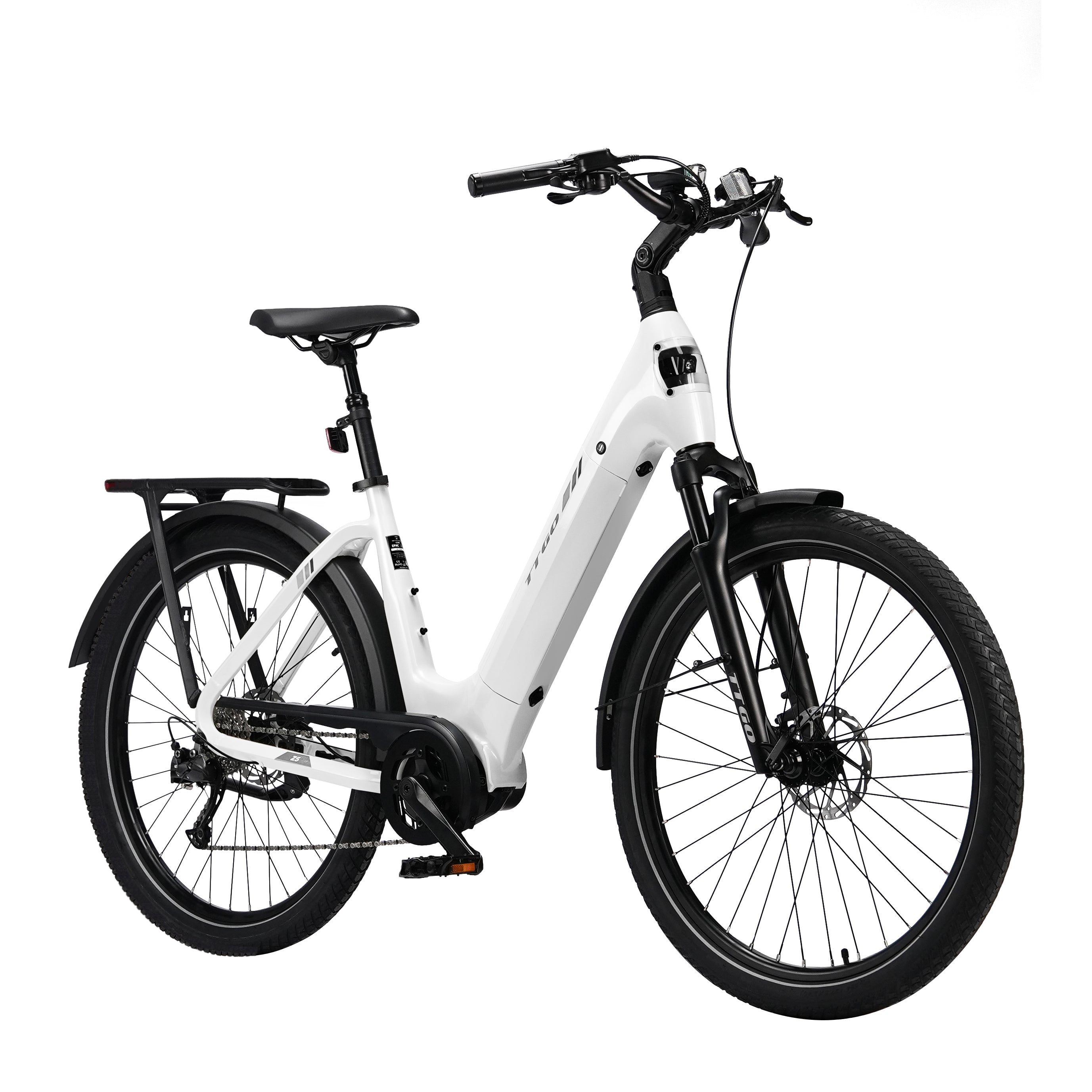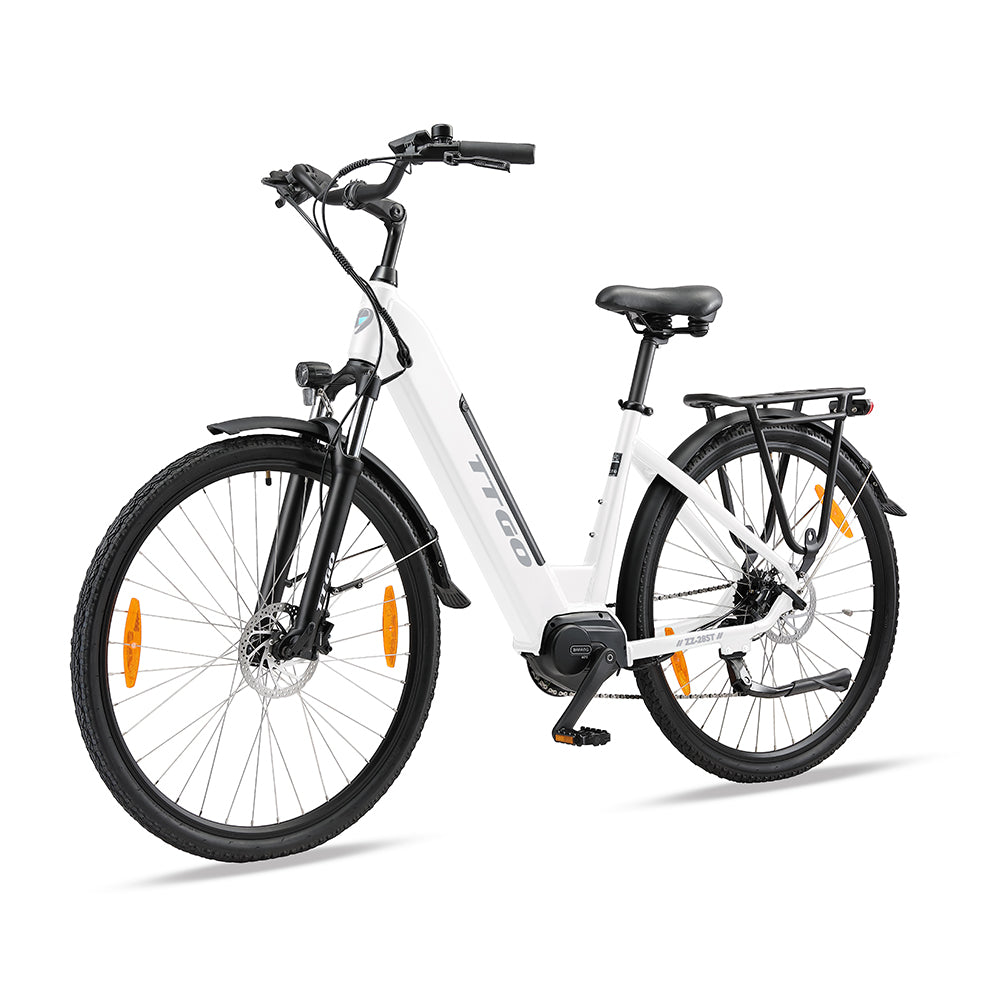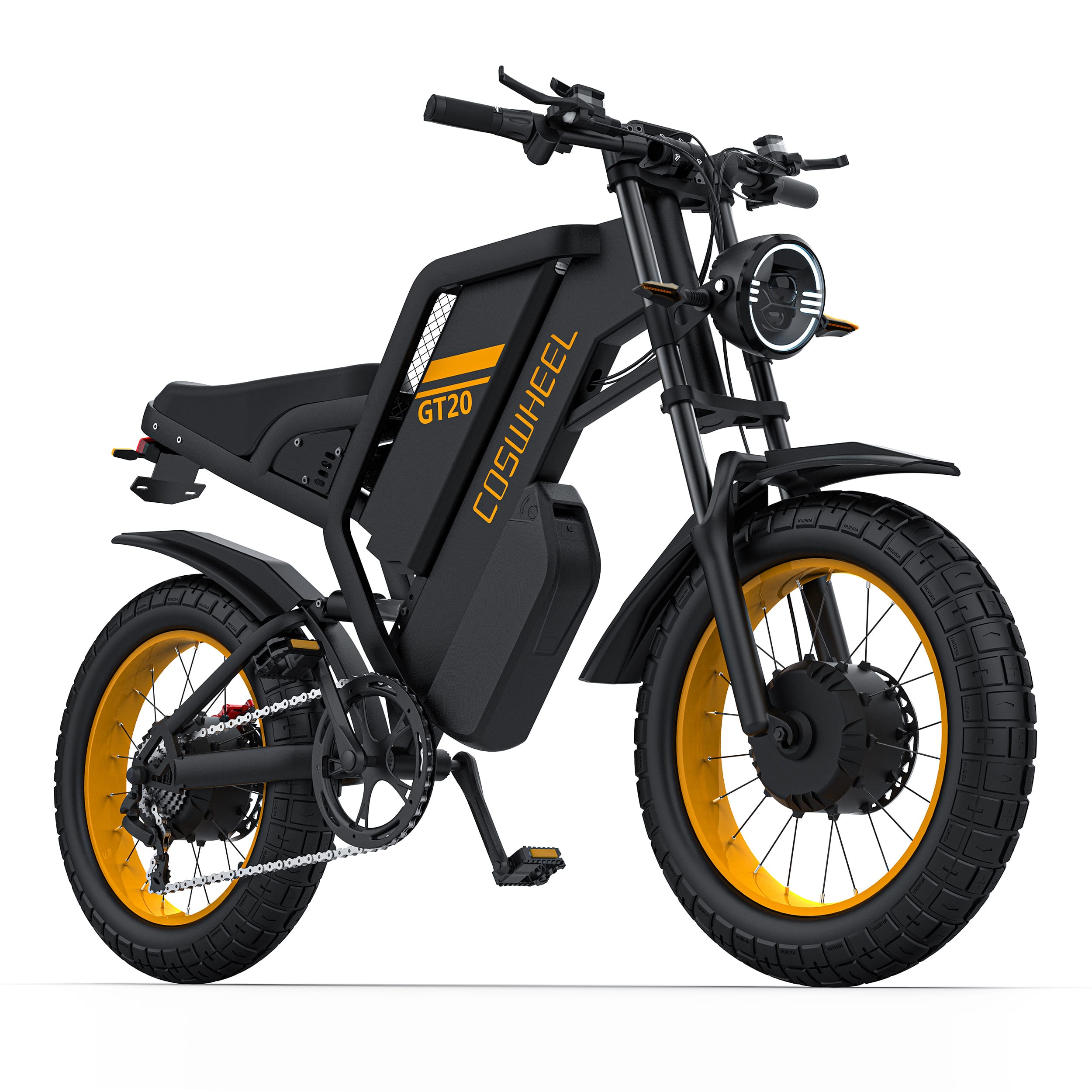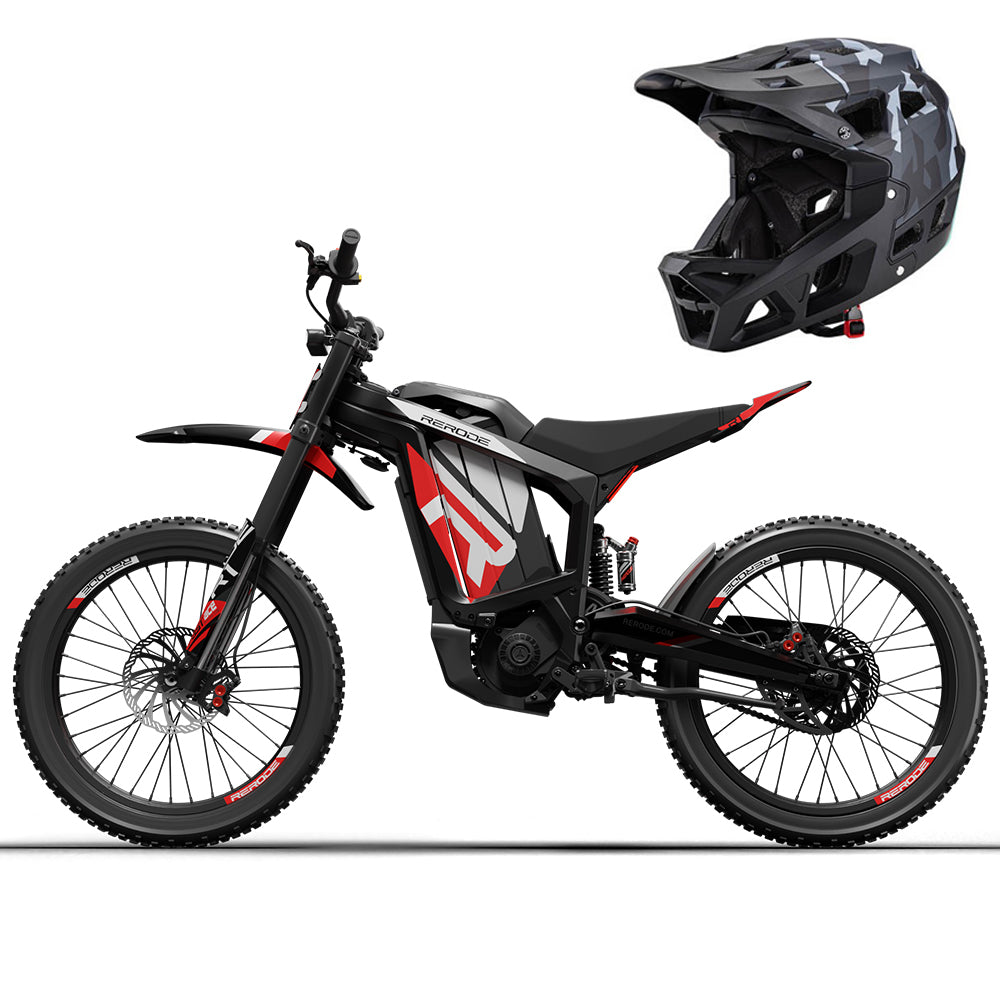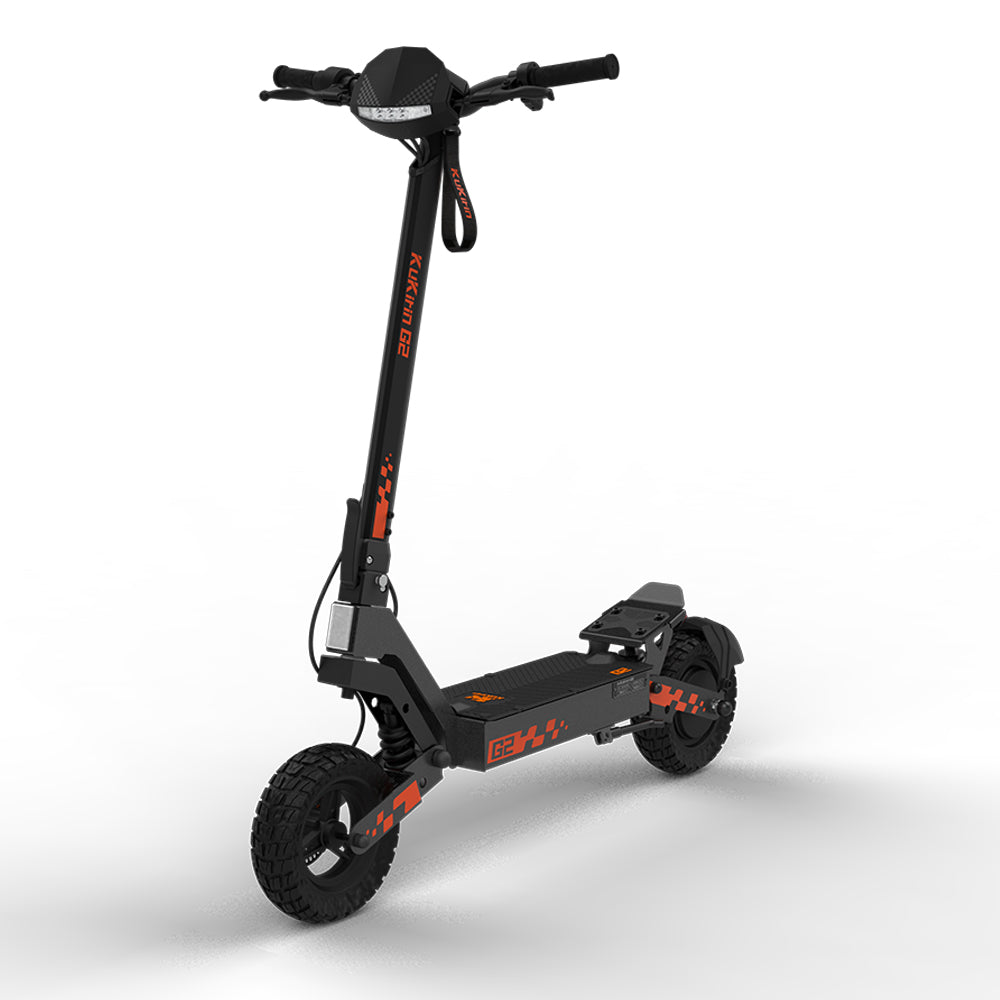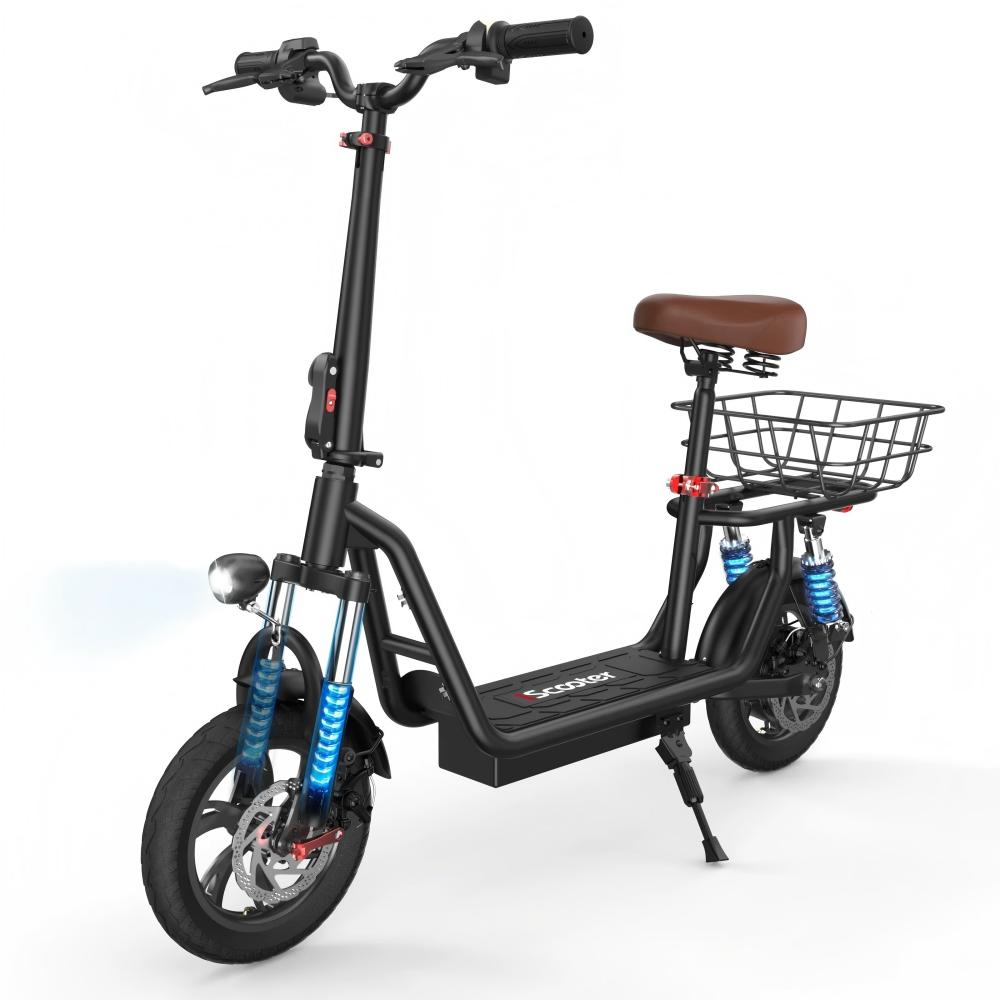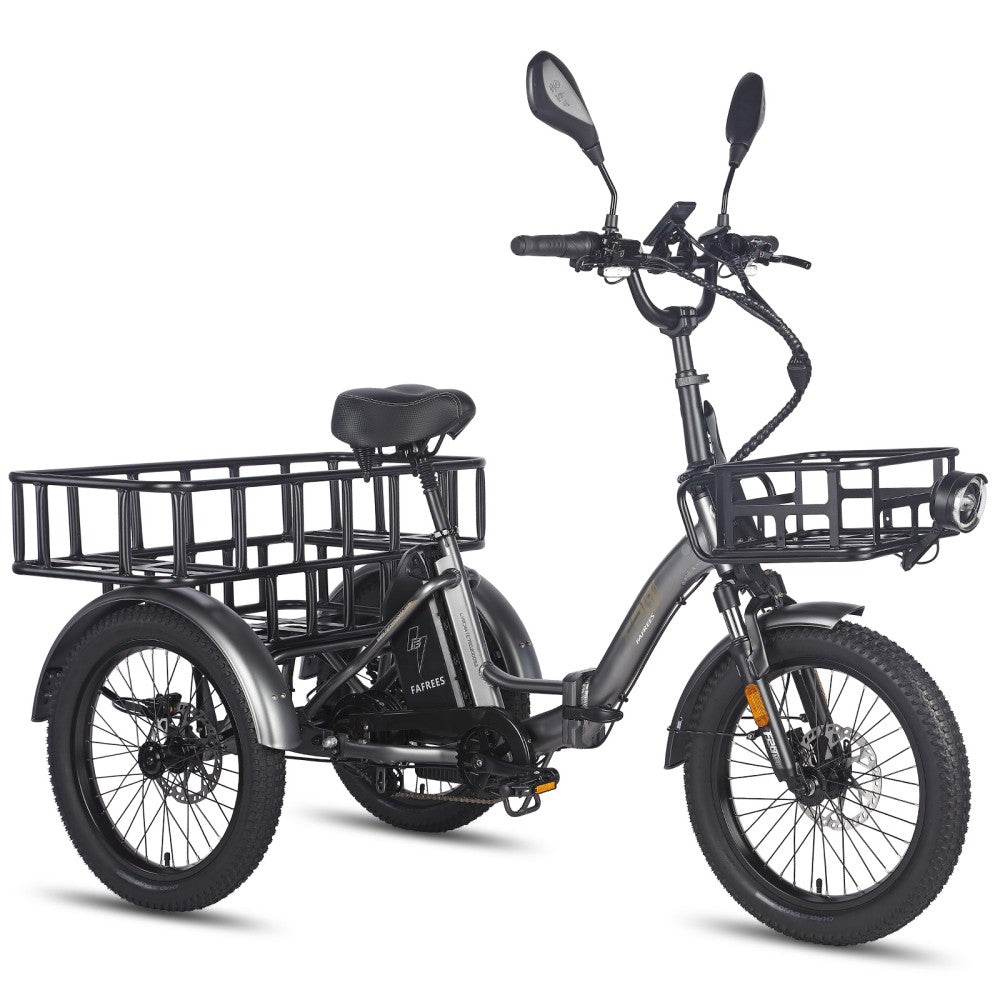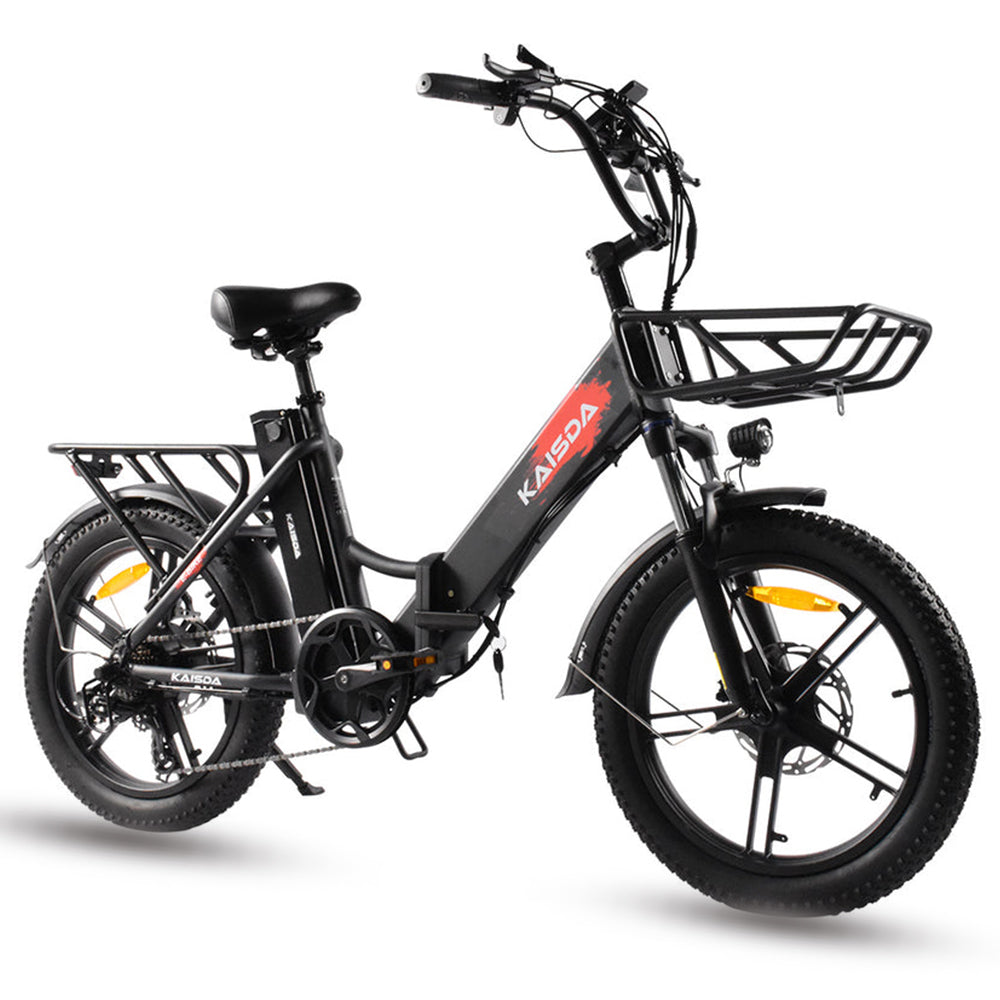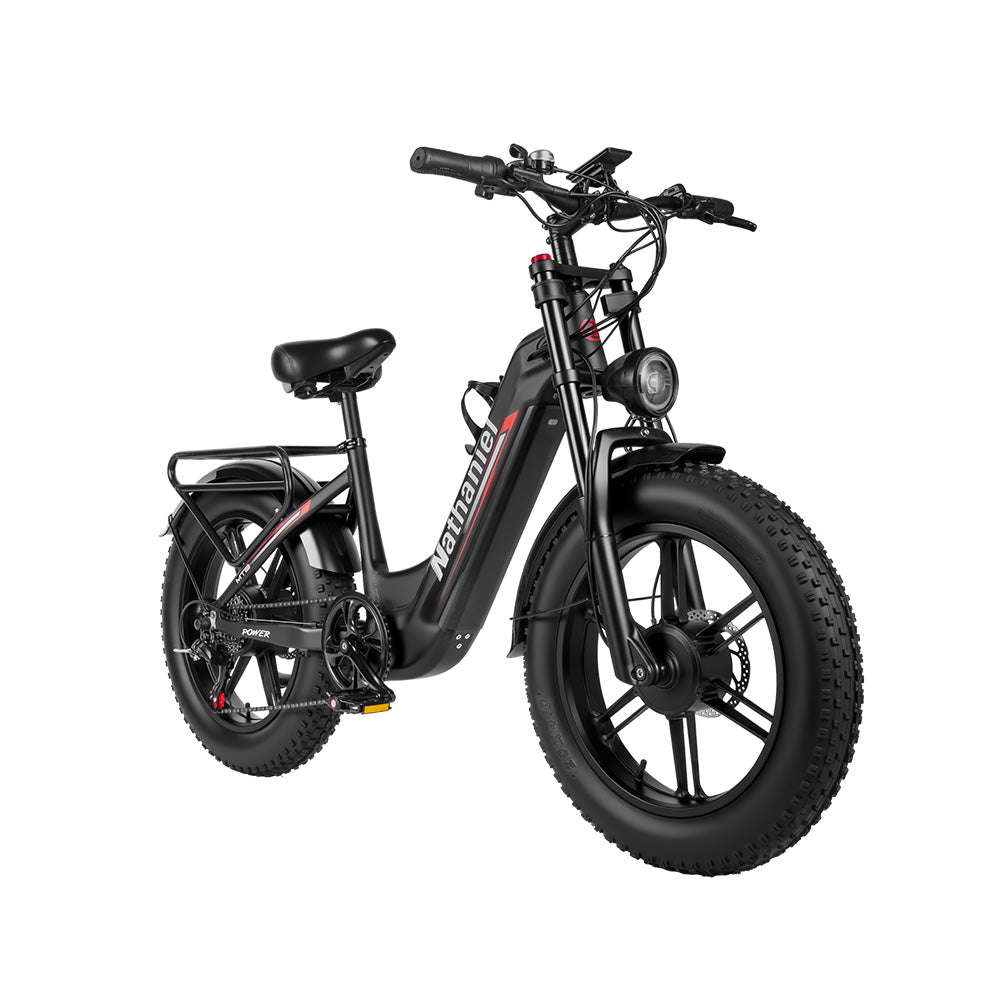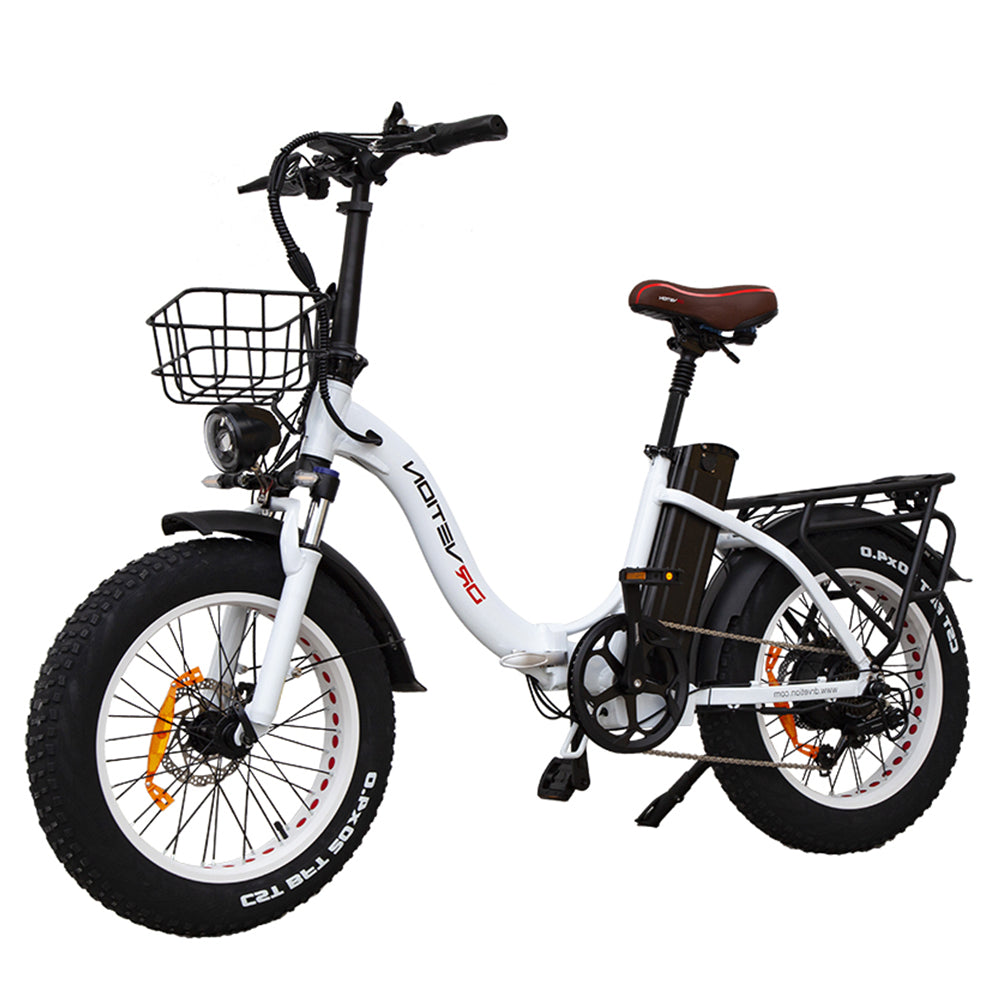

Why Electric Bikes Make Sense for Daily Commuting
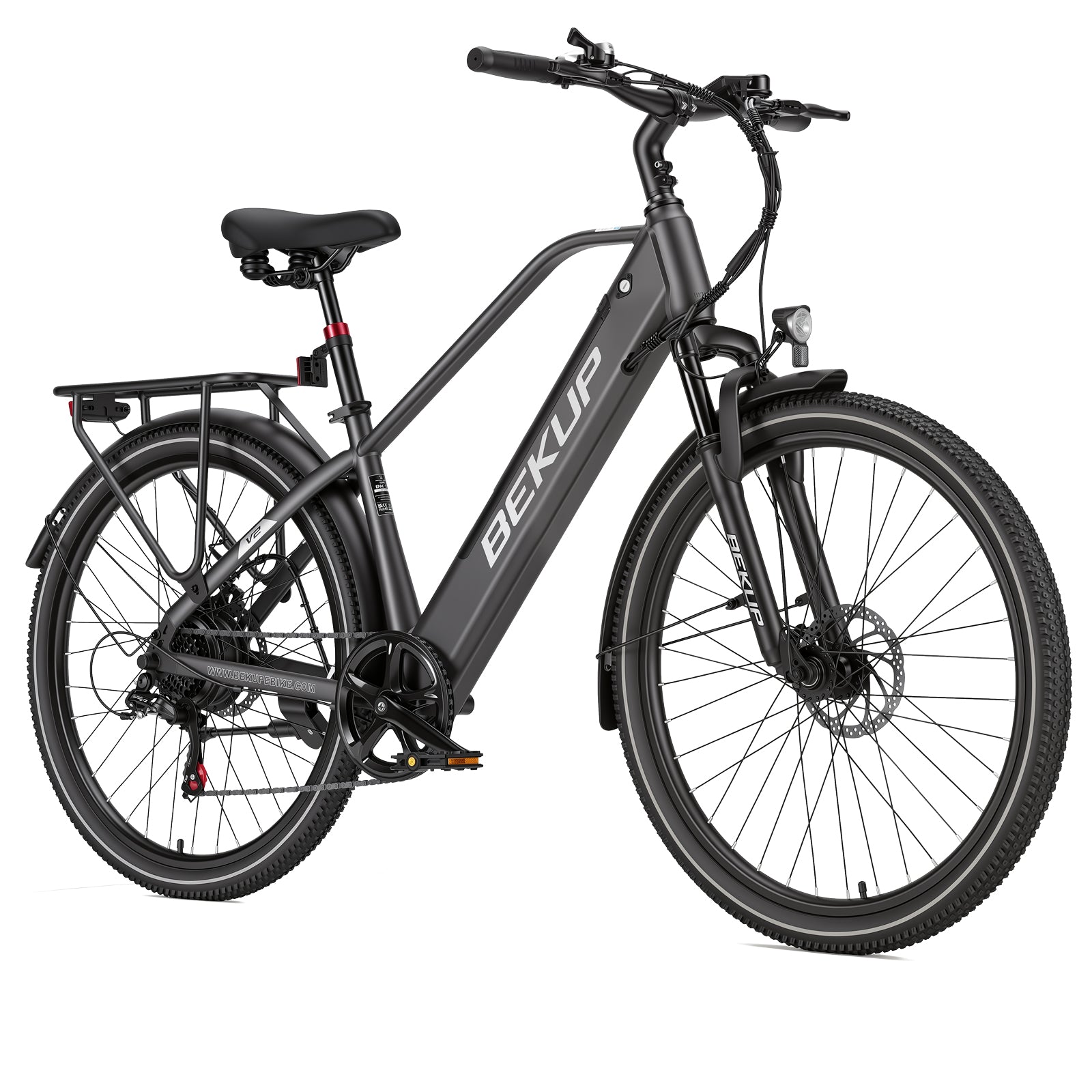
For many riders across Europe, an electric bike is the most reliable way to handle everyday commuting—quick enough for city distances, flexible enough for errands, and far less stressful than traffic and parking.
If you want a broader picture of how electric bikes fit into European riding culture and expectations, start with this complete guide to electric bikes in Europe and come back here to focus on commuting.
Step 1: Define Your Commute, Not Just the Bike
Before comparing models, get clear on your commute: distance, hills, road surface, and whether you ride year-round. Commuting needs are different from weekend leisure rides, and the “best electric bike” is usually the one that matches your daily reality.
If you’re still narrowing down what matters most in a purchase, the ultimate guide to choosing an electric bike breaks down the key decision points without overcomplicating it.
Step 2: Prioritize Comfort for Repeat Rides_toggle
Comfort becomes more important the more often you ride. A commuting electric bike should feel natural in stop-and-go traffic, easy to control in tight spaces, and comfortable enough that you don’t dread the ride on day five.
Most riders can improve comfort dramatically with a few practical tweaks—especially around saddle position and contact points. If you want a quick checklist of upgrades and adjustments, make your eBike rides more comfortable is a solid place to start.
Step 3: Range Expectations in Real European Conditions
Commuters usually have predictable routes, which makes range easier to manage than first-time buyers expect. Where riders get surprised is seasonal change—cold weather can reduce available battery performance, and stop-start riding can also shift range outcomes.
If you’ve ever wondered why your electric bike feels like it “doesn’t go as far” after months of use, this explanation of why battery range decreases clarifies what’s normal, what’s avoidable, and what habits help most.
Step 4: Know the Rules Where You Actually Ride
Commuting often means bike lanes, shared paths, and city-specific enforcement. That’s why it’s worth understanding how Europe defines different electric bike categories—especially if you travel, relocate, or ride across borders.
To avoid confusion between a pedelec, speed pedelec, and other categories, read what is a pedelec, a speed pedelec and an e-bike? and you’ll immediately know what applies to your commute.
Step 5: Build a Simple Maintenance Routine
Daily commuting adds consistent wear to tires, brakes, and drivetrain parts. A small routine—weekly checks and quick cleaning—prevents the most common problems and keeps your electric bike feeling “new” longer.
If you want a straightforward checklist that covers the essentials without turning into a workshop manual, follow this guide to e-bike maintenance.
Conclusion
The best electric bike for commuting is the one that stays comfortable, predictable, and easy to maintain. If you choose based on your real route and riding habits, you’ll end up with a commuting setup that works day after day—without constant tweaking.