
Why More Riders Are Choosing Cargo E-Bikes
A cargo e-bike is not only for professional delivery riders. For many European riders, it has become a practical alternative to short car trips, public transport, and carrying heavy bags by hand. Whether you need to pick up groceries, commute with work items, carry parcels, or handle family errands, a cargo electric bike can make daily life easier.
The right cargo e-bike should offer more than motor power. It should have enough range, stable tyres, reliable brakes, a useful rack or basket system, comfortable riding geometry, and realistic storage requirements. This guide explains how to choose a cargo e-bike for groceries, delivery, errands, and everyday city riding.
Start With Your Real Carrying Needs
Before comparing motors and batteries, think about what you actually need to carry. A rider who only brings a backpack to work does not need the same setup as someone who carries groceries, delivery bags, tools, or weekly shopping items.
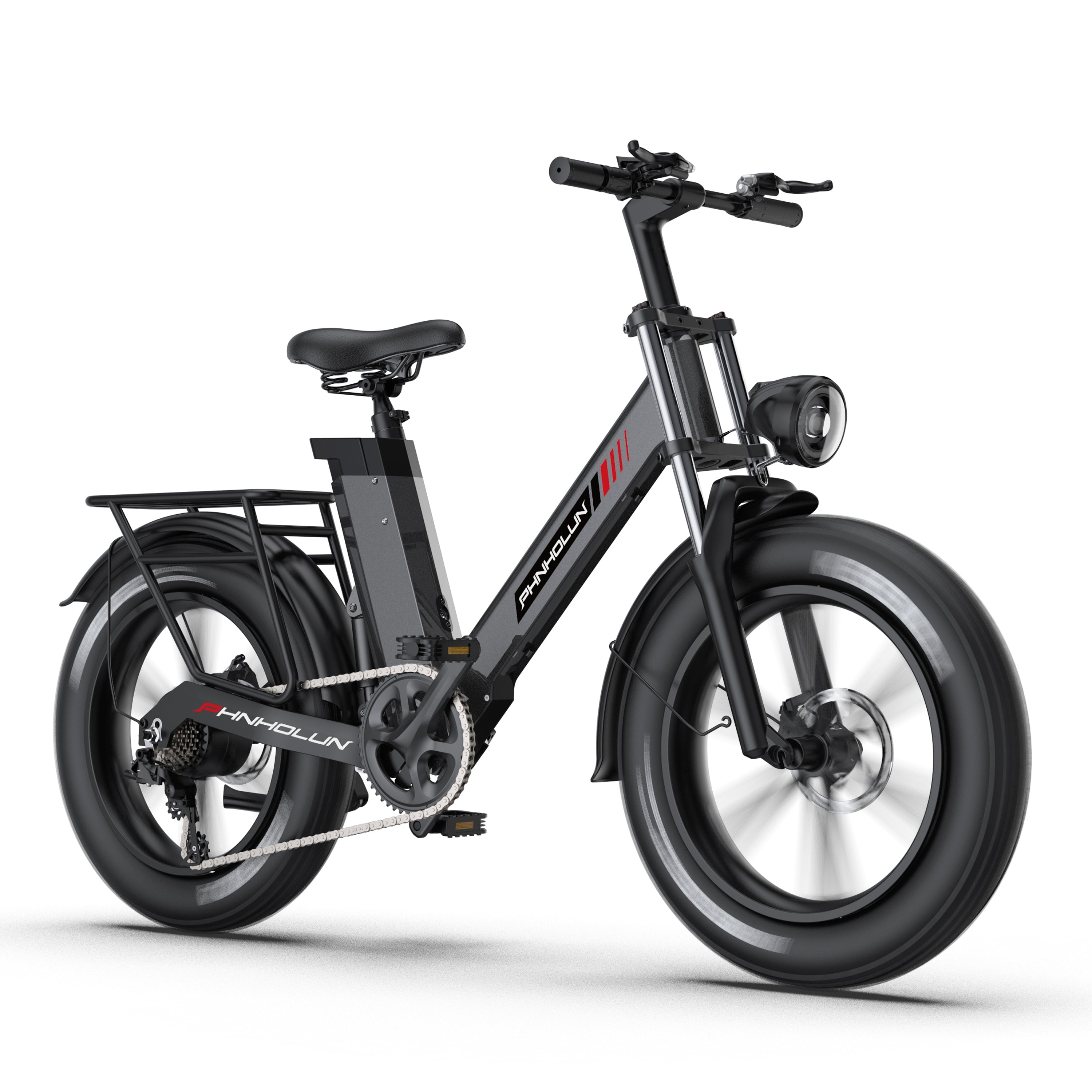
For small daily errands, a rear rack or front basket may be enough. For delivery work or heavier cargo, you may need a stronger frame, larger battery, wider tyres, and better braking. For shopping trips, basket position and cargo balance matter because weight affects steering and stopping.
Common Cargo E-Bike Use Cases
Daily groceries and local shopping.
Food delivery or parcel delivery routes.
Commuting with work bags, tools, or equipment.
Replacing short car trips around town.
Weekend leisure rides with extra storage.
Battery Range Matters More When You Carry Weight
Cargo riding uses more energy than light commuting. Rider weight, cargo load, stop-and-go traffic, hills, tyre pressure, wind, and assist level all affect range. That means a cargo e-bike should have more battery margin than your exact route requires.
If your daily delivery route is 40 km, choosing an e-bike with only 40 km of estimated range may not be enough. A larger battery helps reduce range anxiety, especially when carrying groceries, parcels, or commuting equipment.
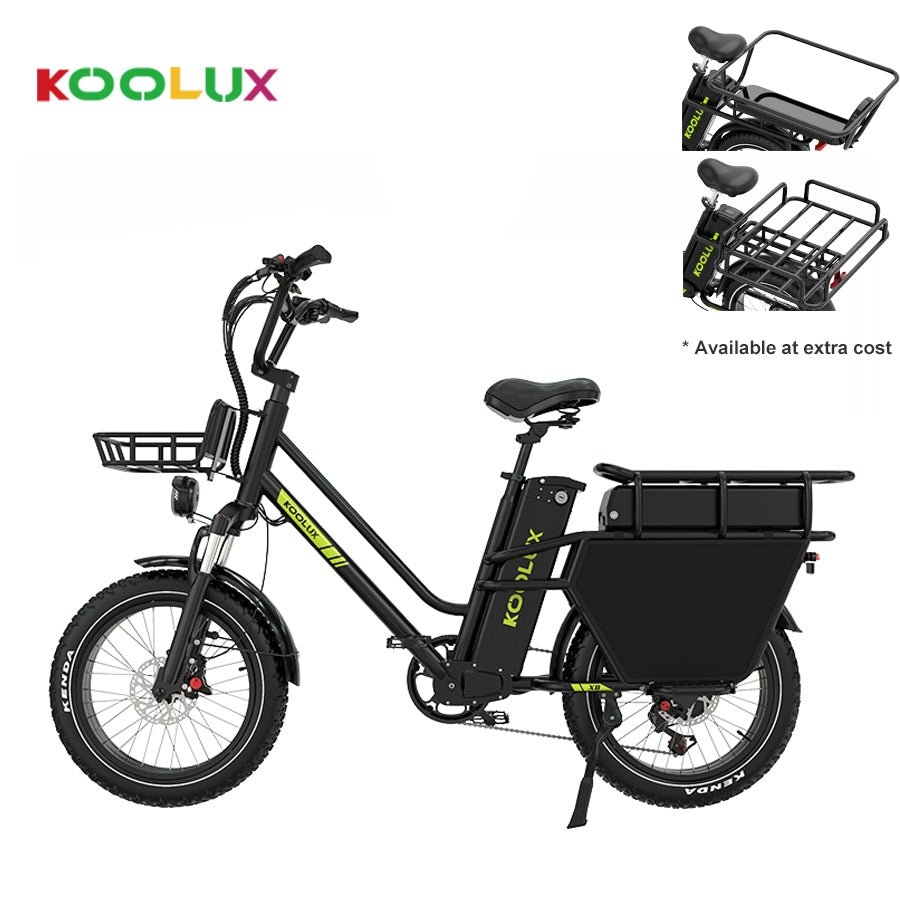
For riders who need serious battery reserve, the KOOLUX X8 electric bike review is a useful reference because the X8 focuses on long-range cargo riding and all-day utility. You can also read this long-range electric bike buying guide if range is one of your main buying concerns.
Choose the Right Cargo Layout
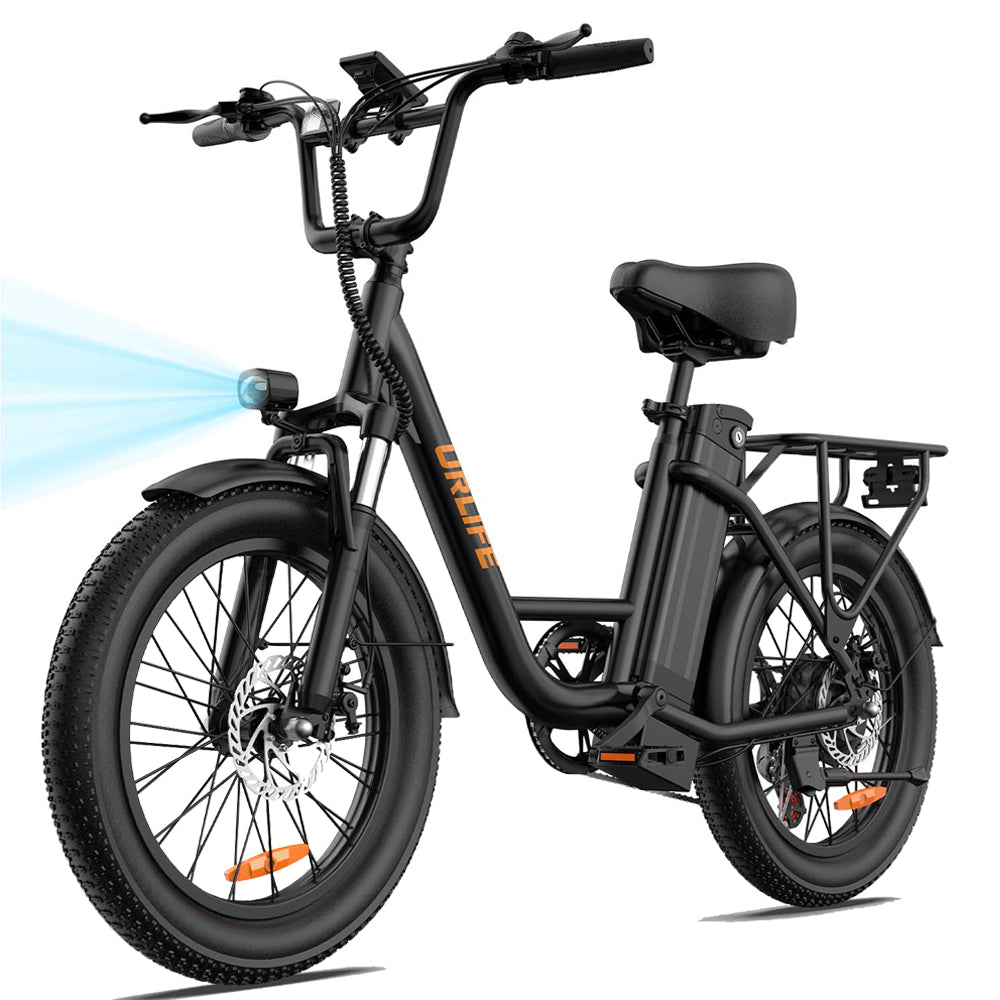
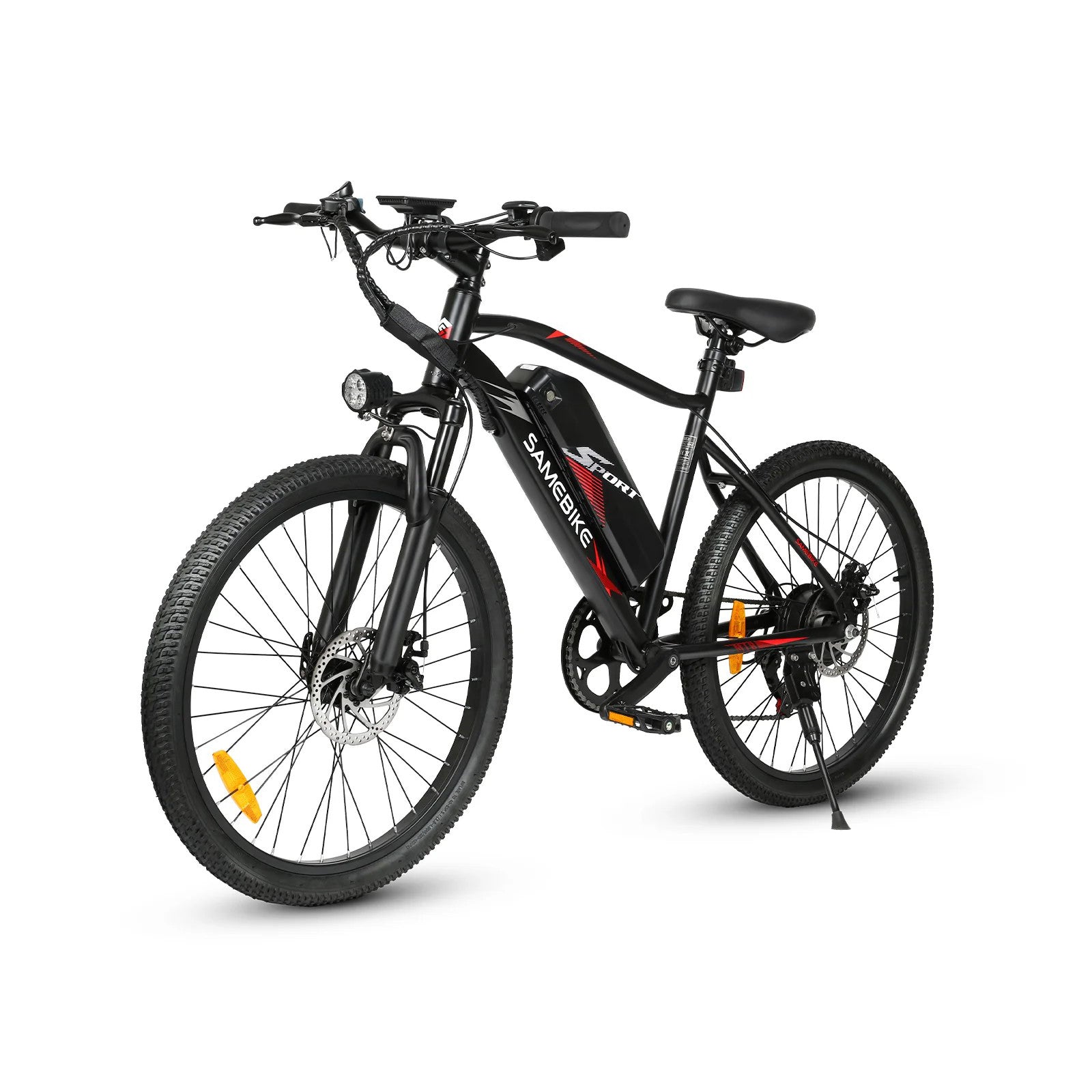
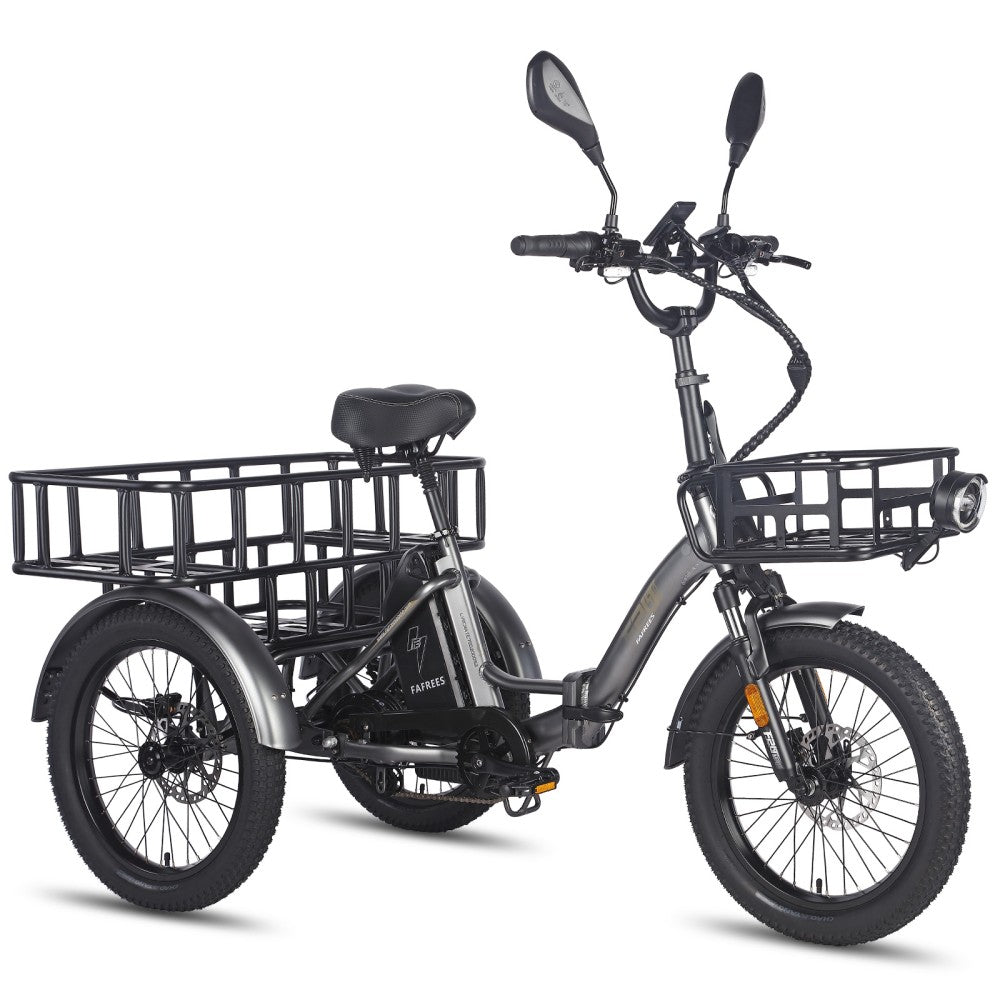
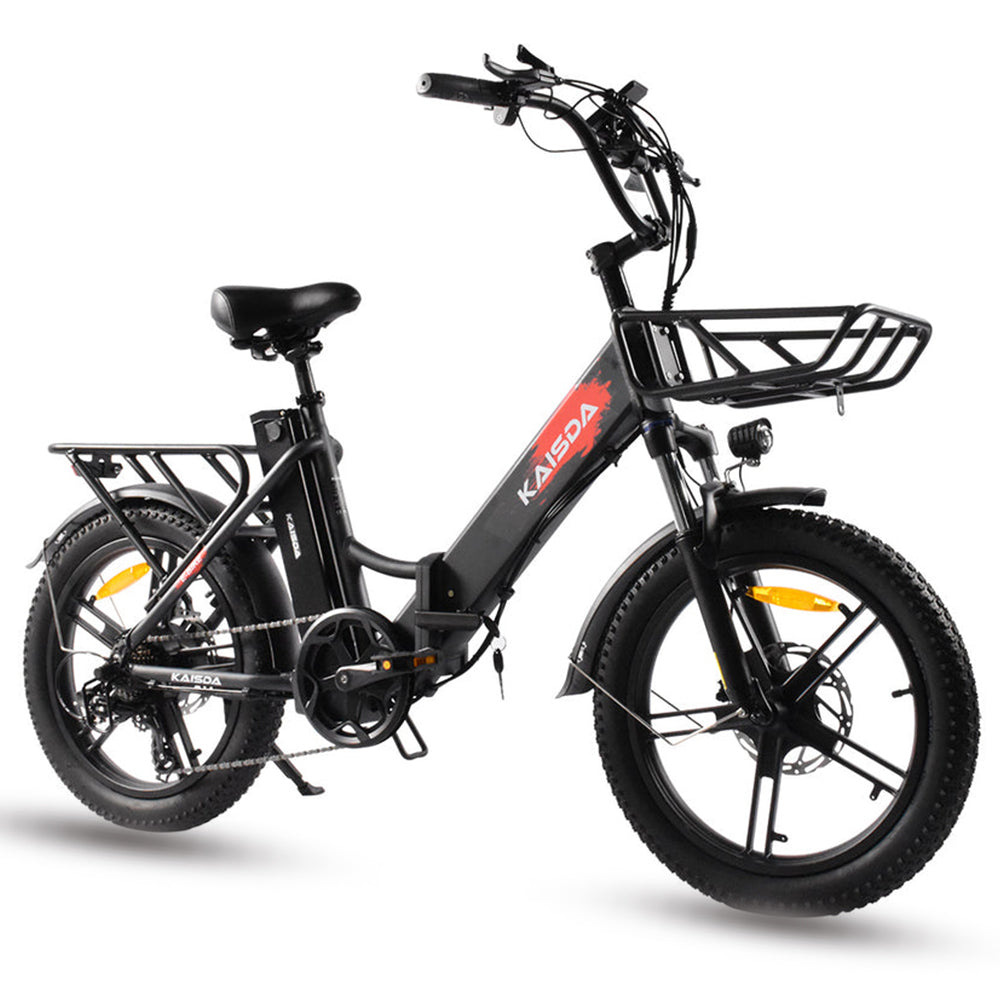
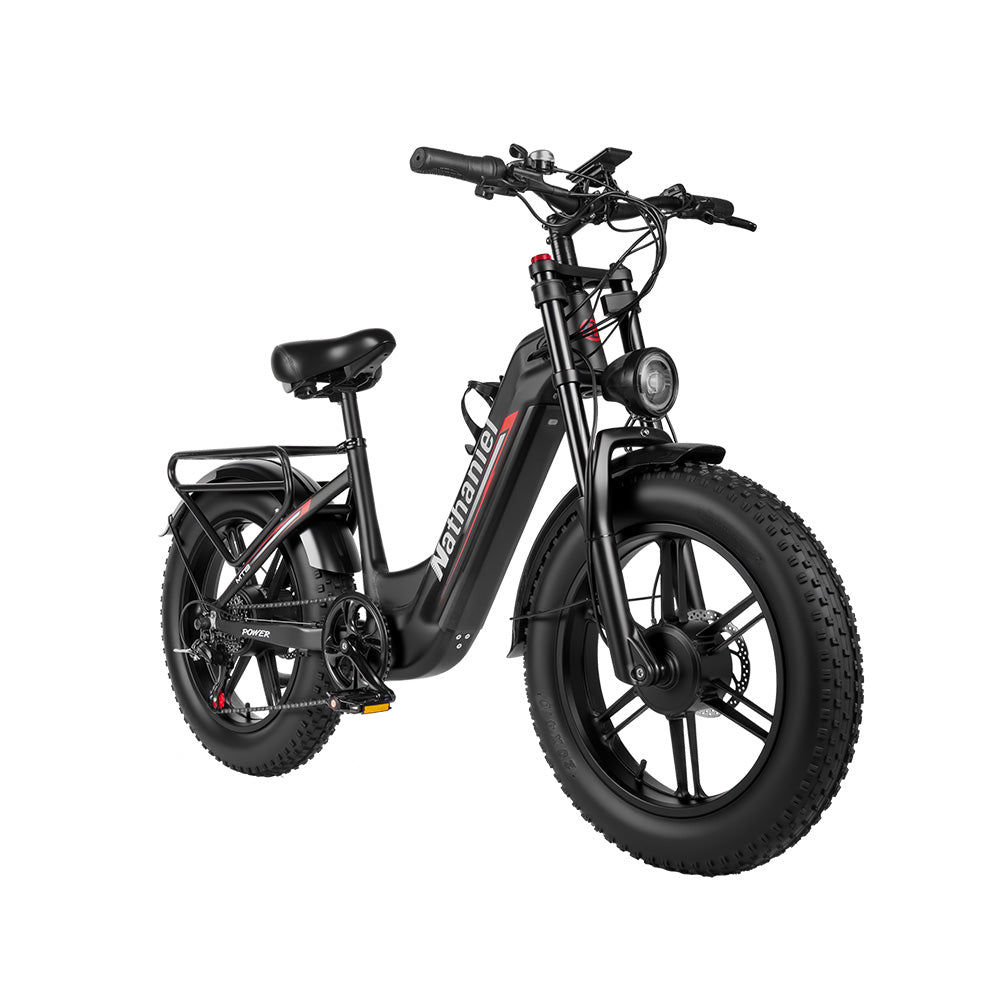
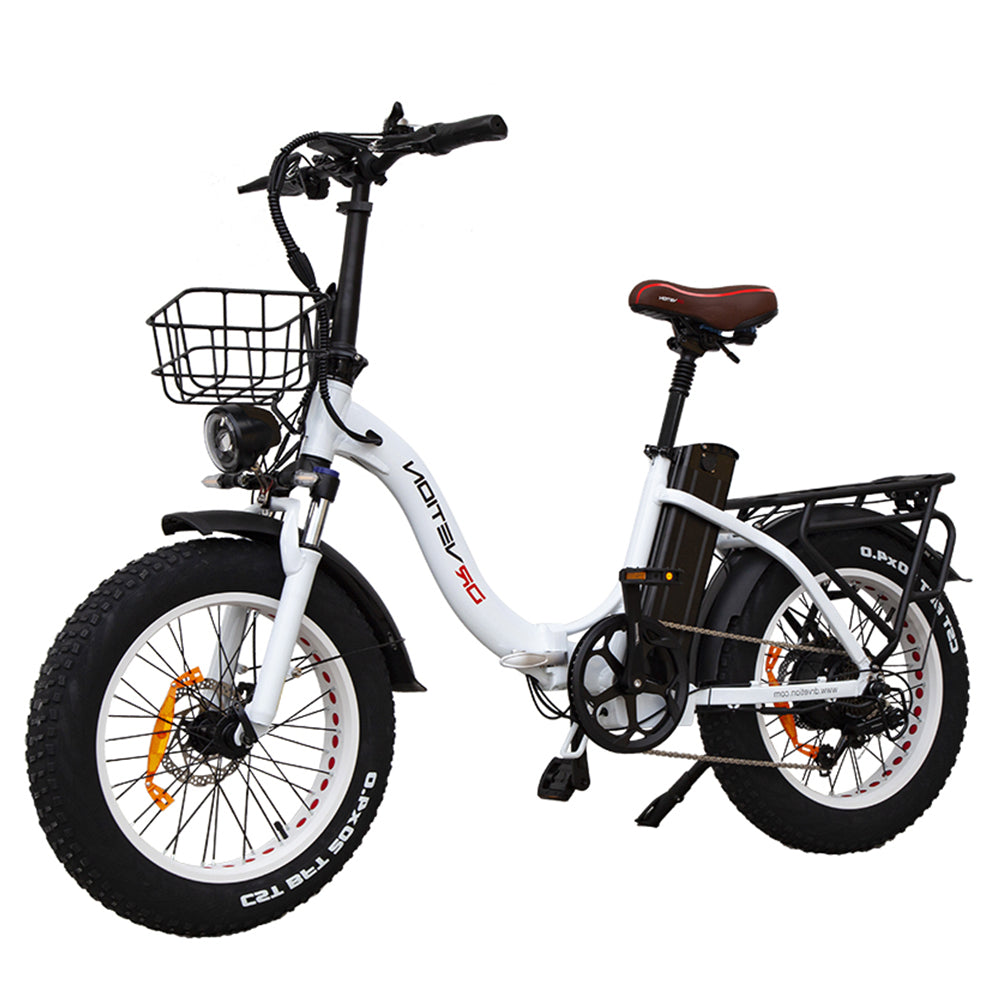
Cargo e-bikes come in different layouts. Some use a rear rack, some add a front basket, some have a longer utility frame, and some use a three-wheel tricycle format for extra stability. The best layout depends on where you ride and what you carry.
Rear Rack Cargo E-Bikes
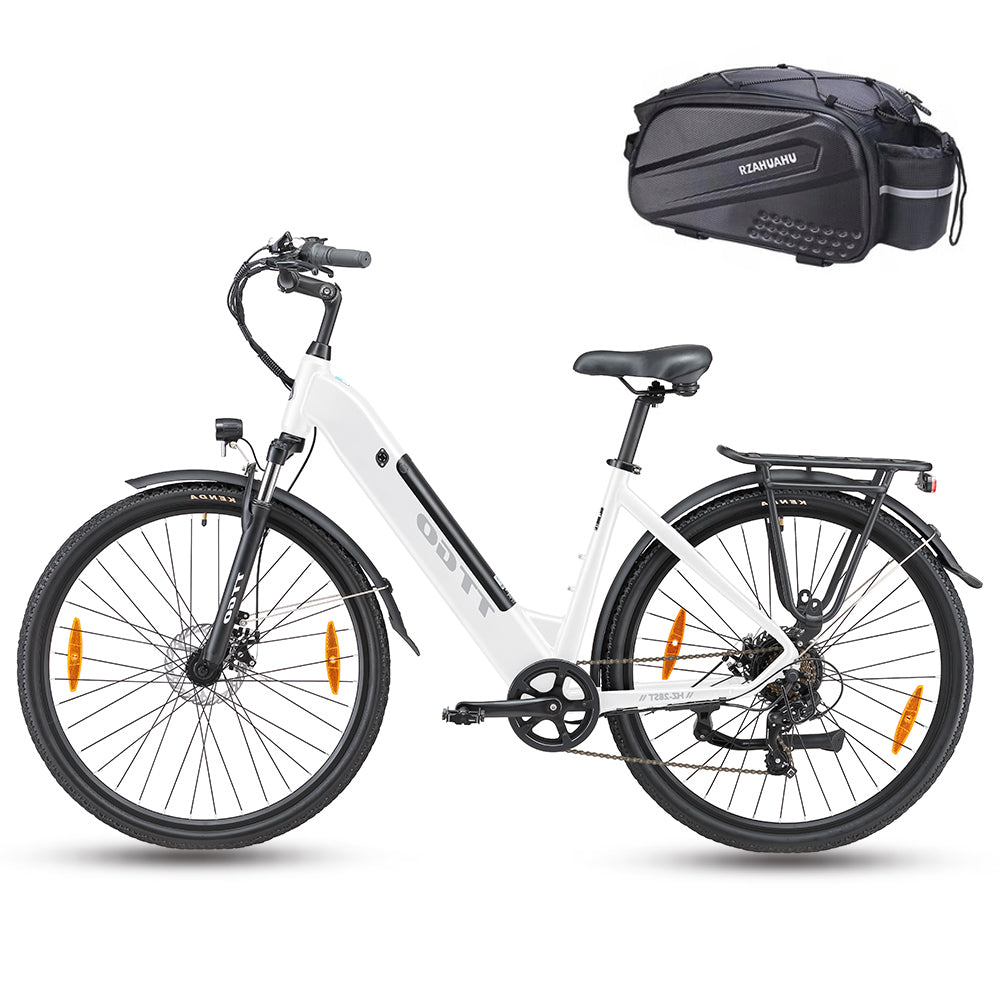
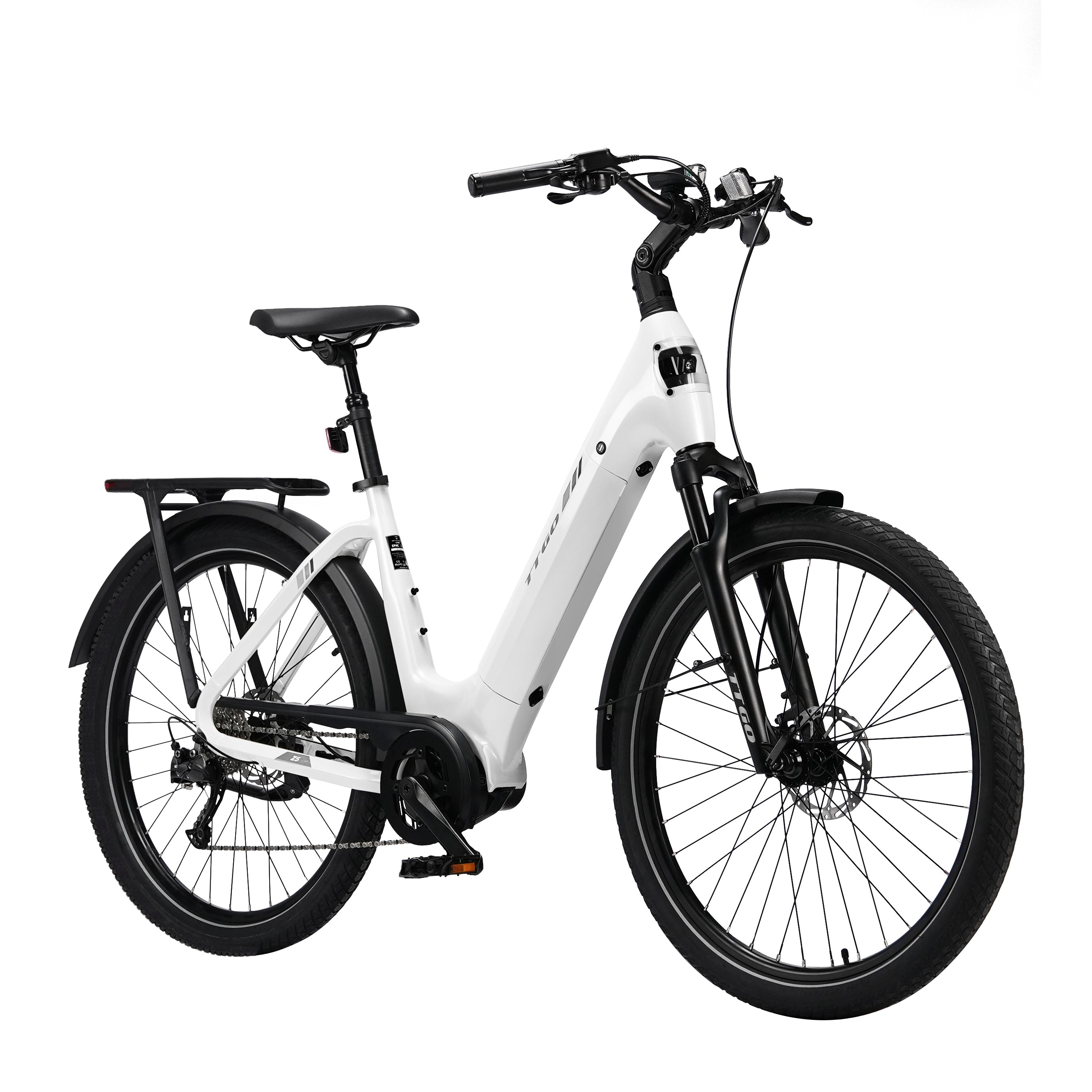
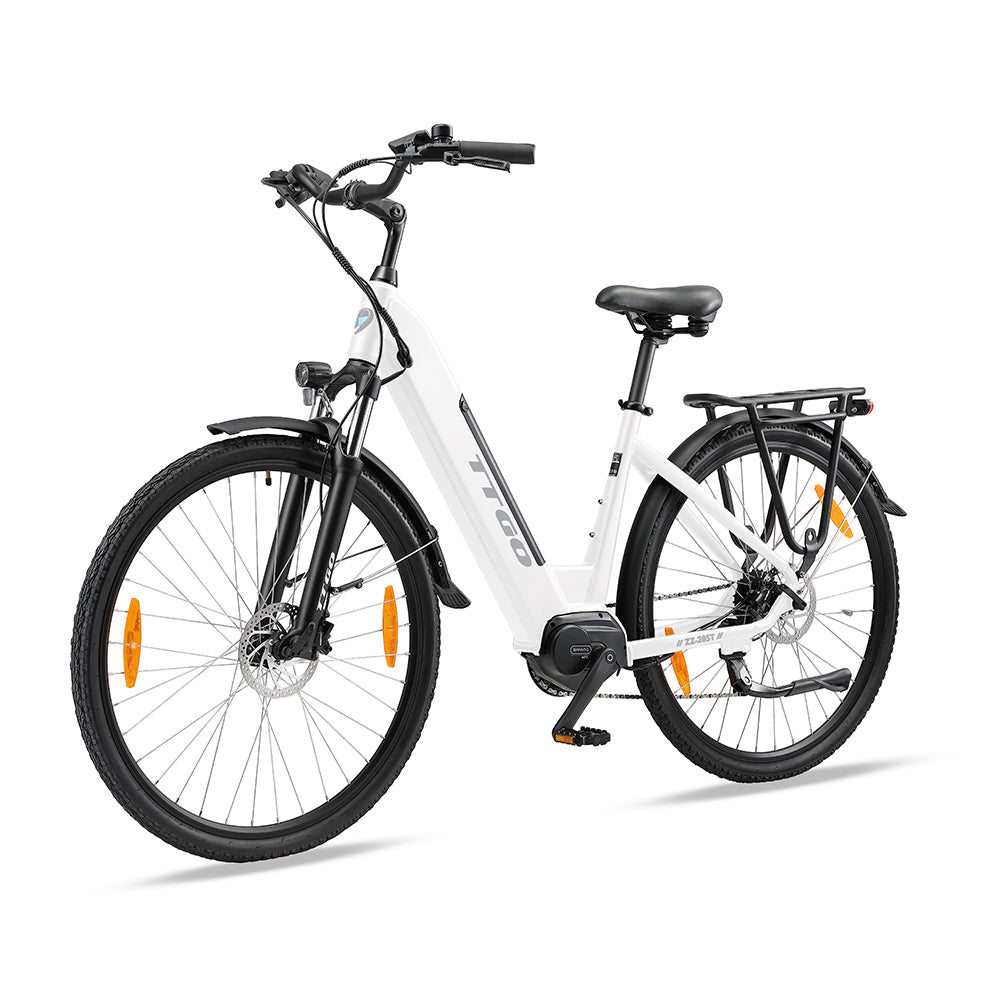
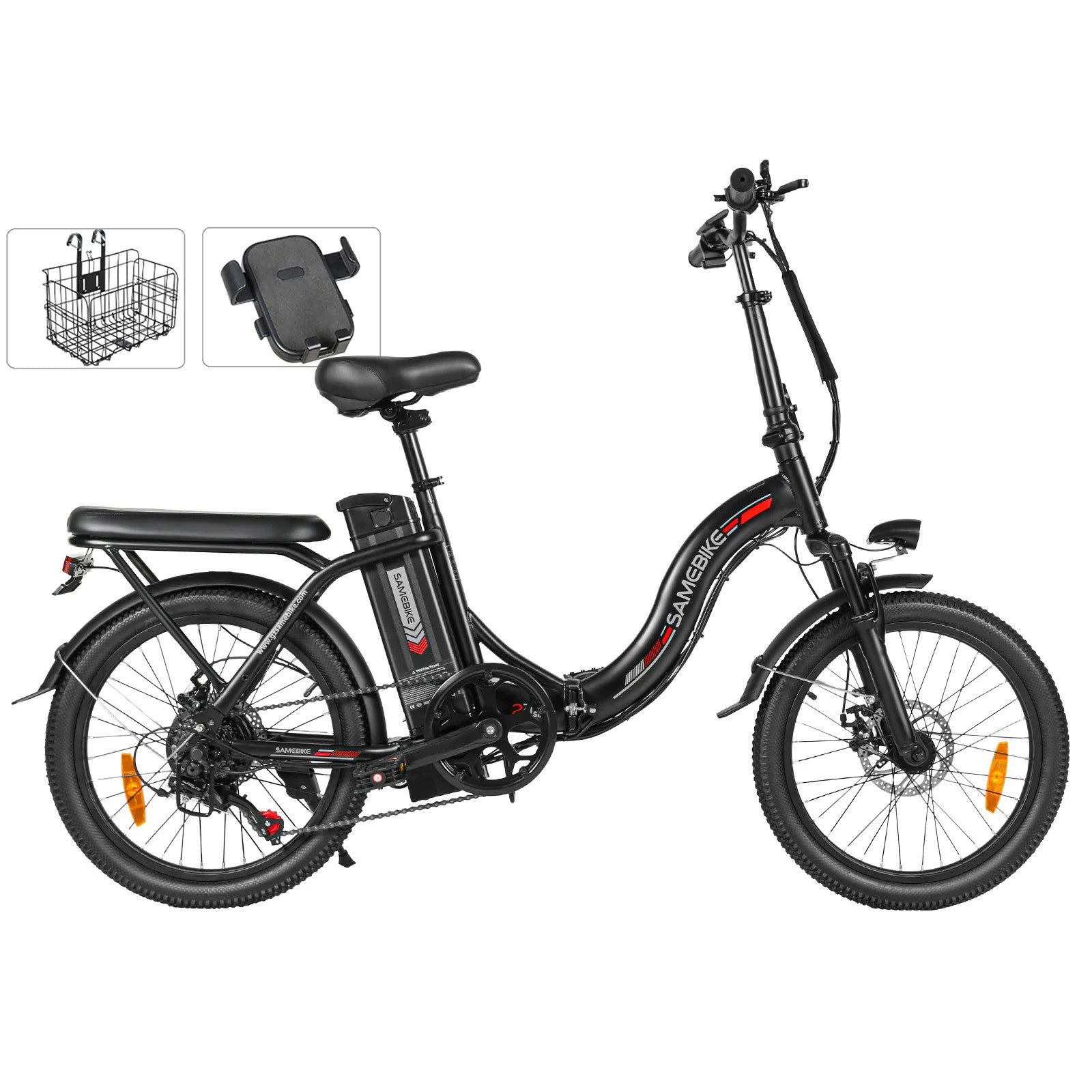
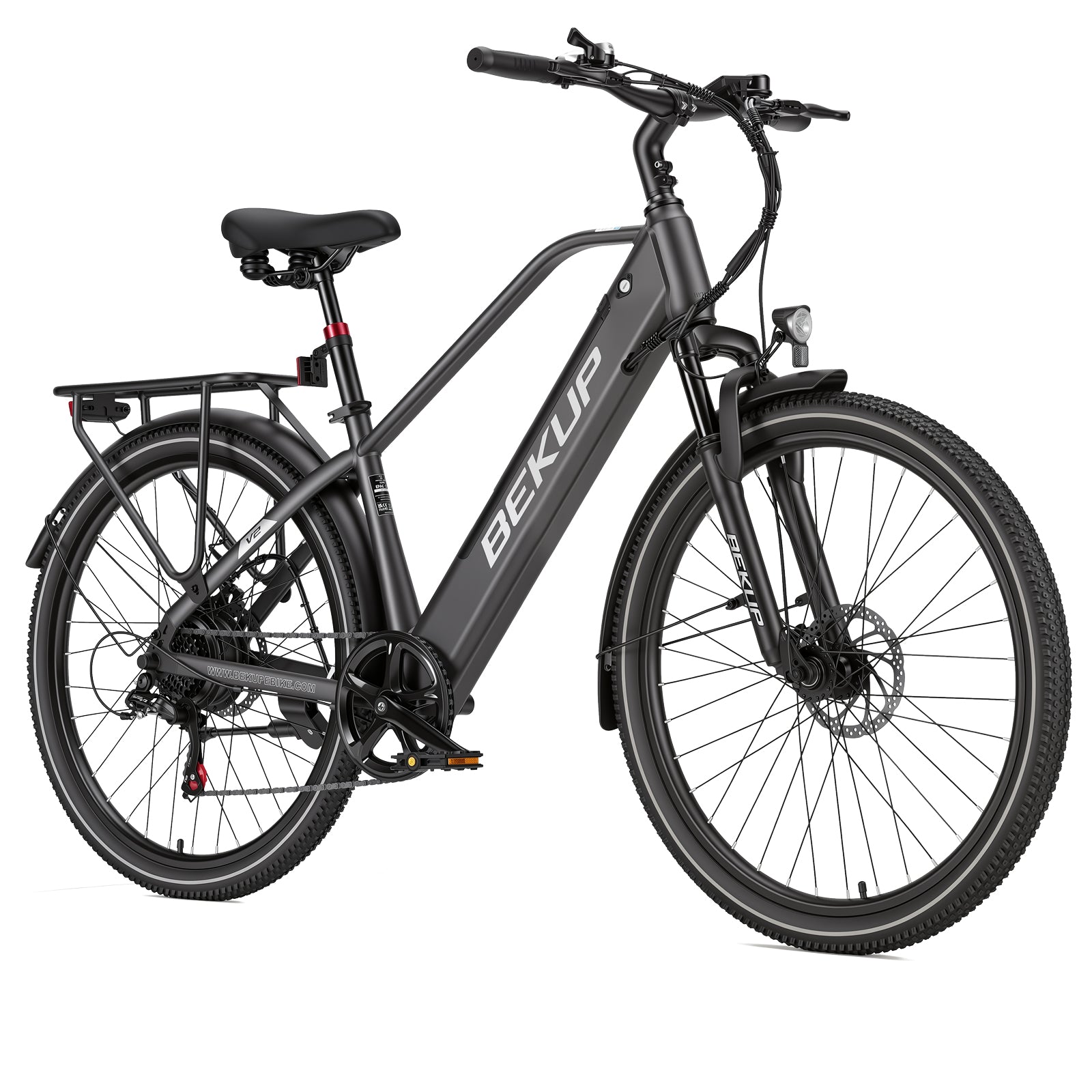
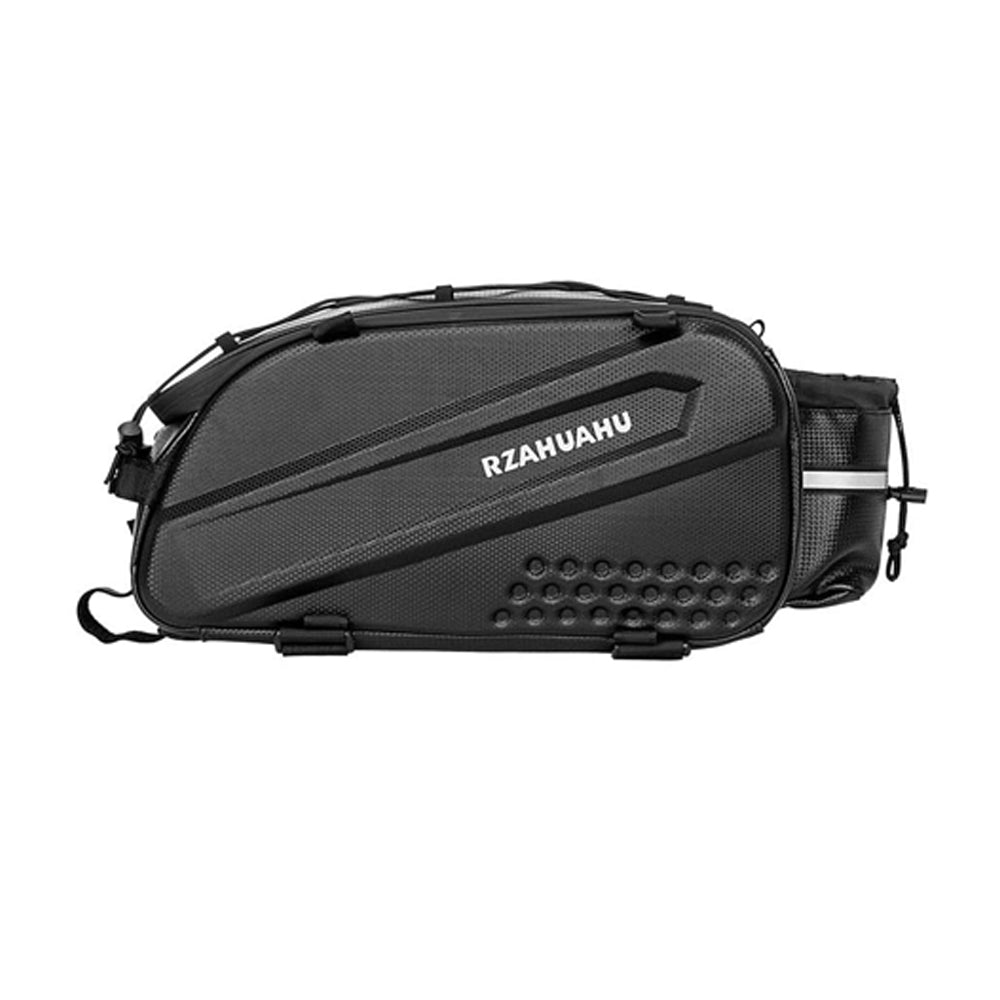
Rear racks are practical for pannier bags, delivery bags, backpacks, small boxes, and everyday commuting items. They keep cargo behind the rider and can be useful for riders who want a more familiar bicycle feel.
Front Basket Utility E-Bikes
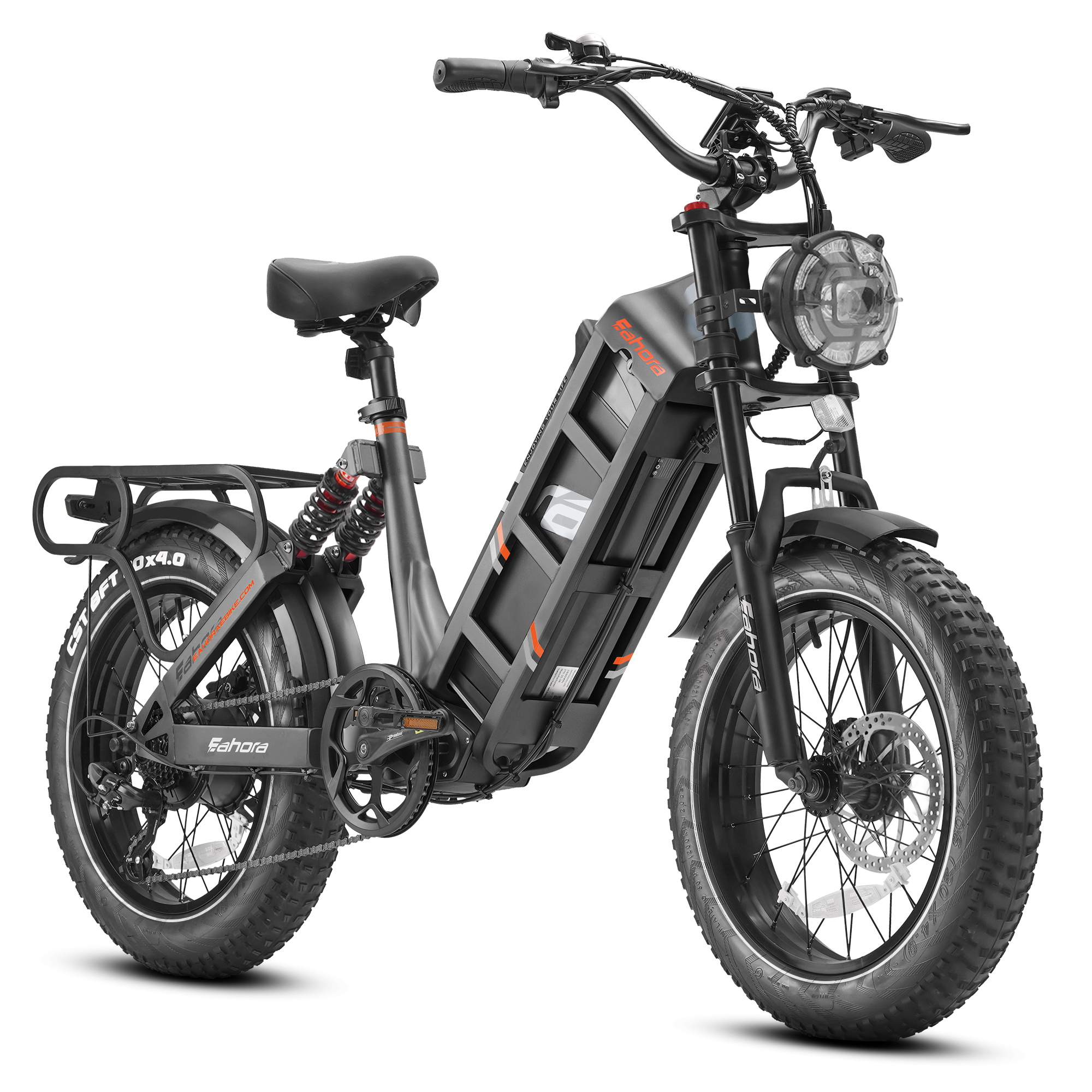
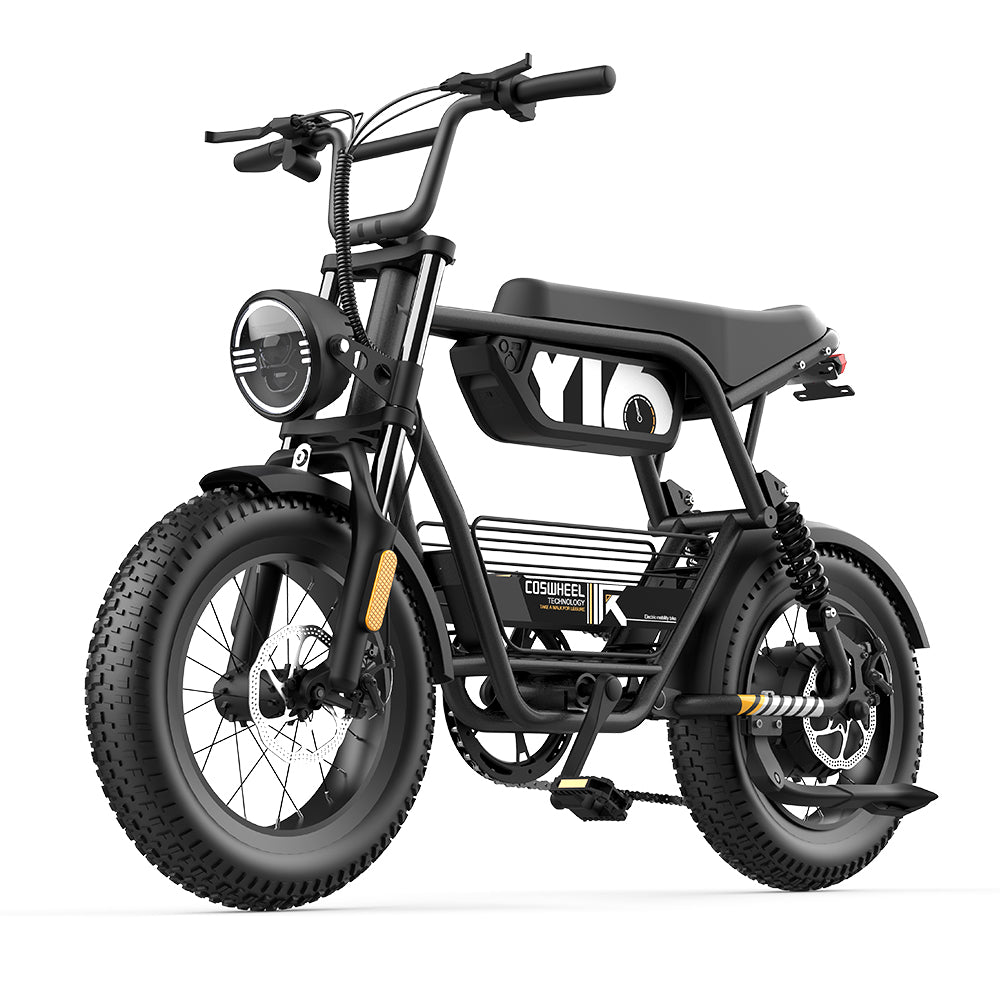
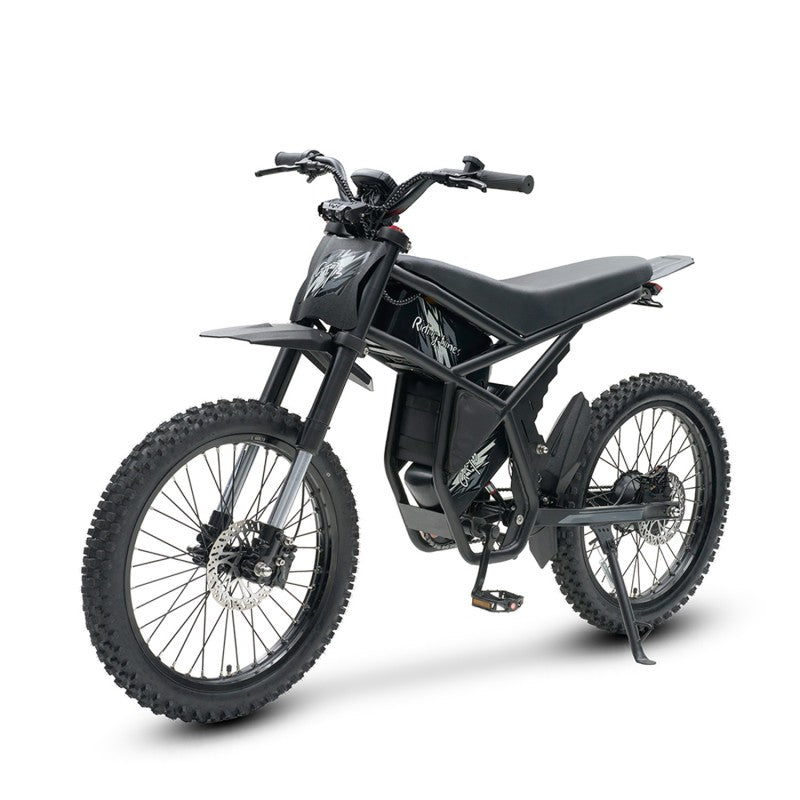
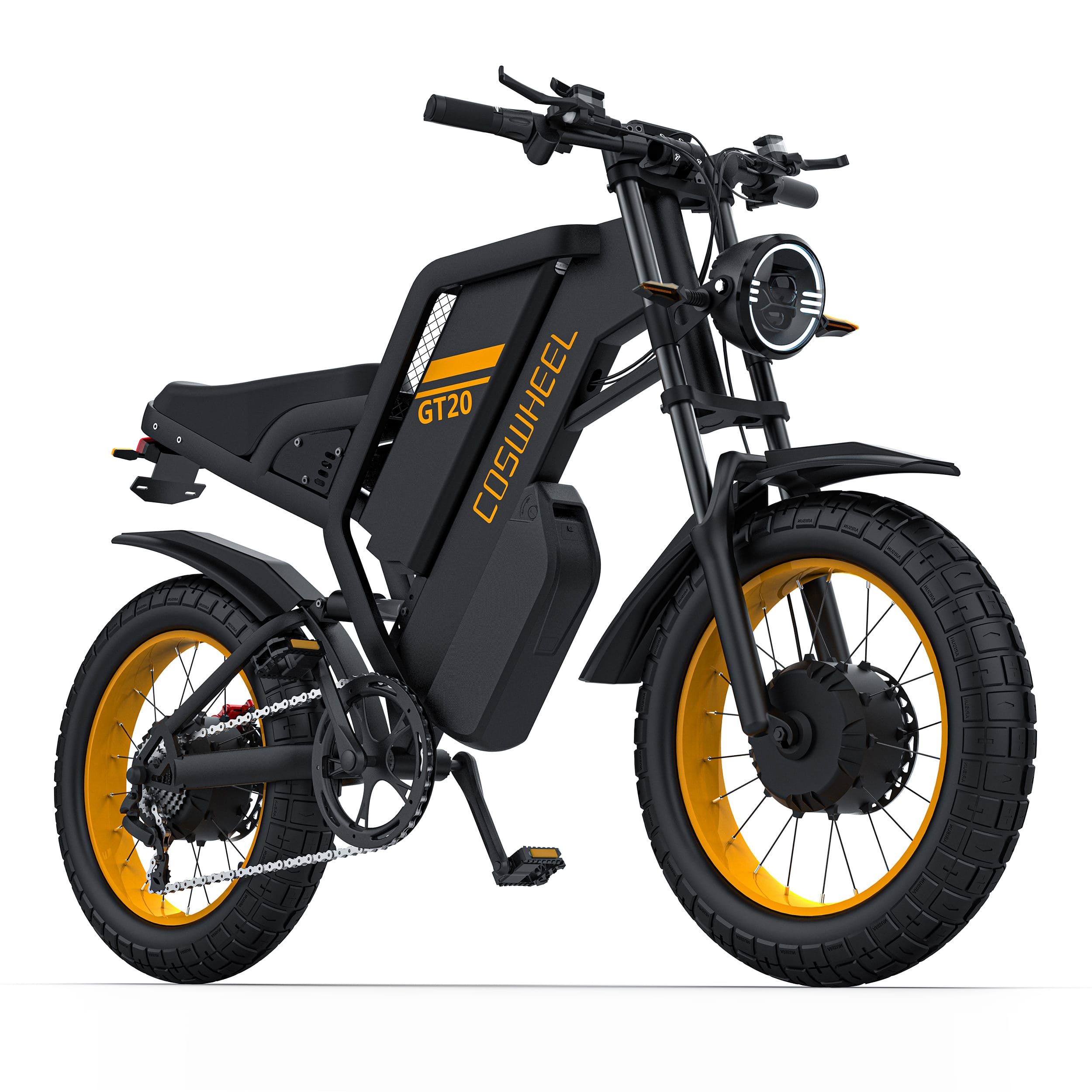
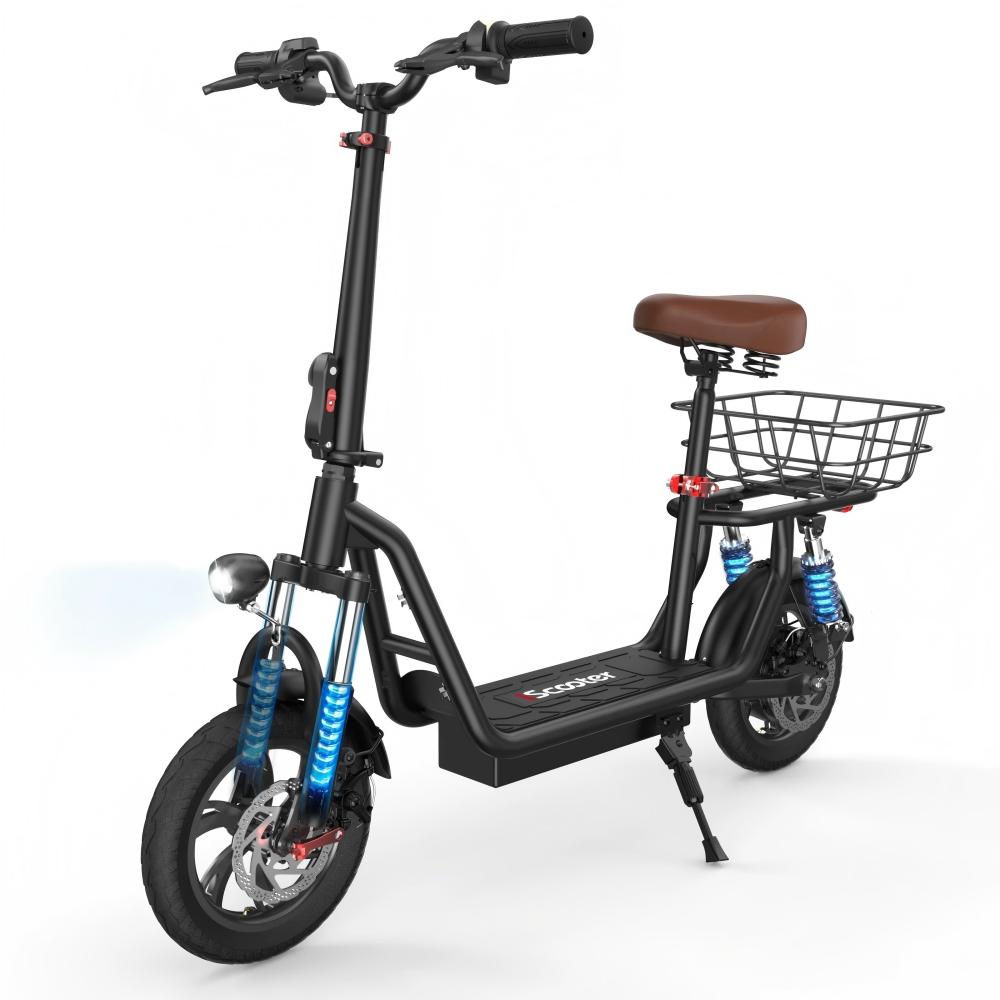
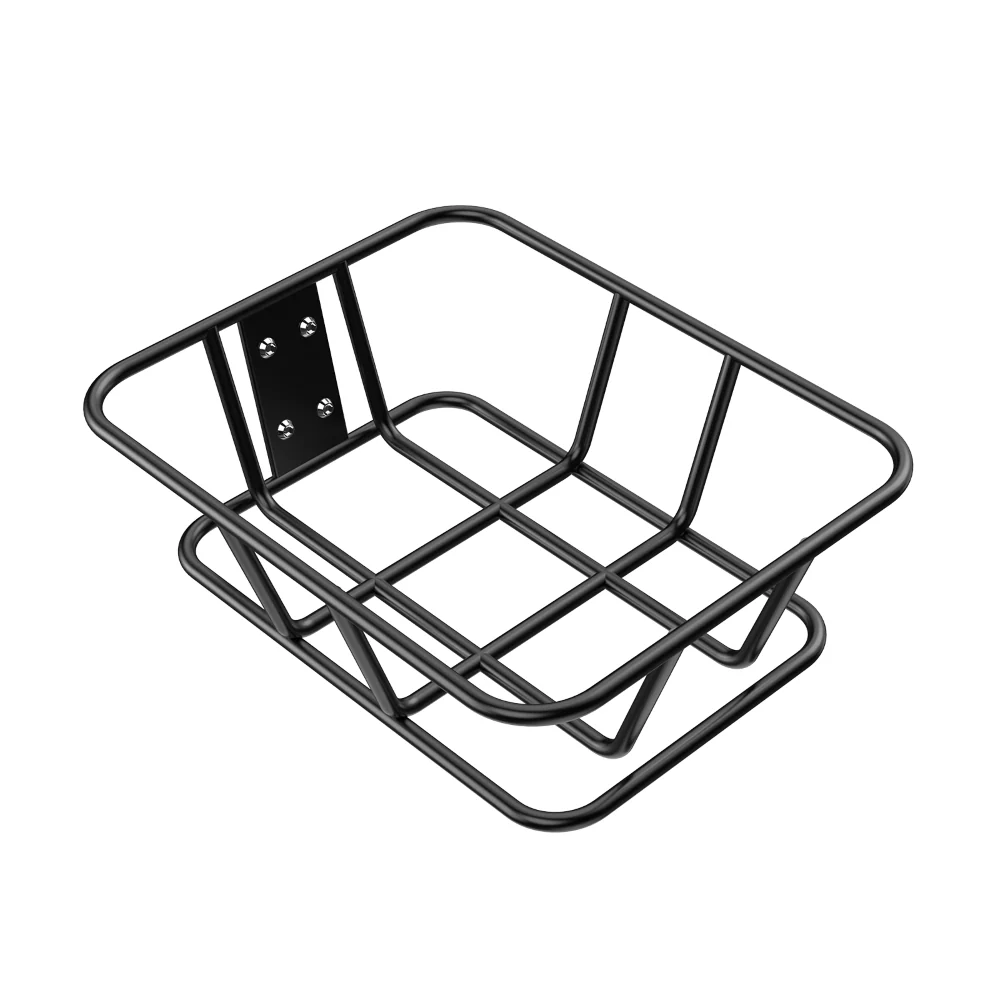
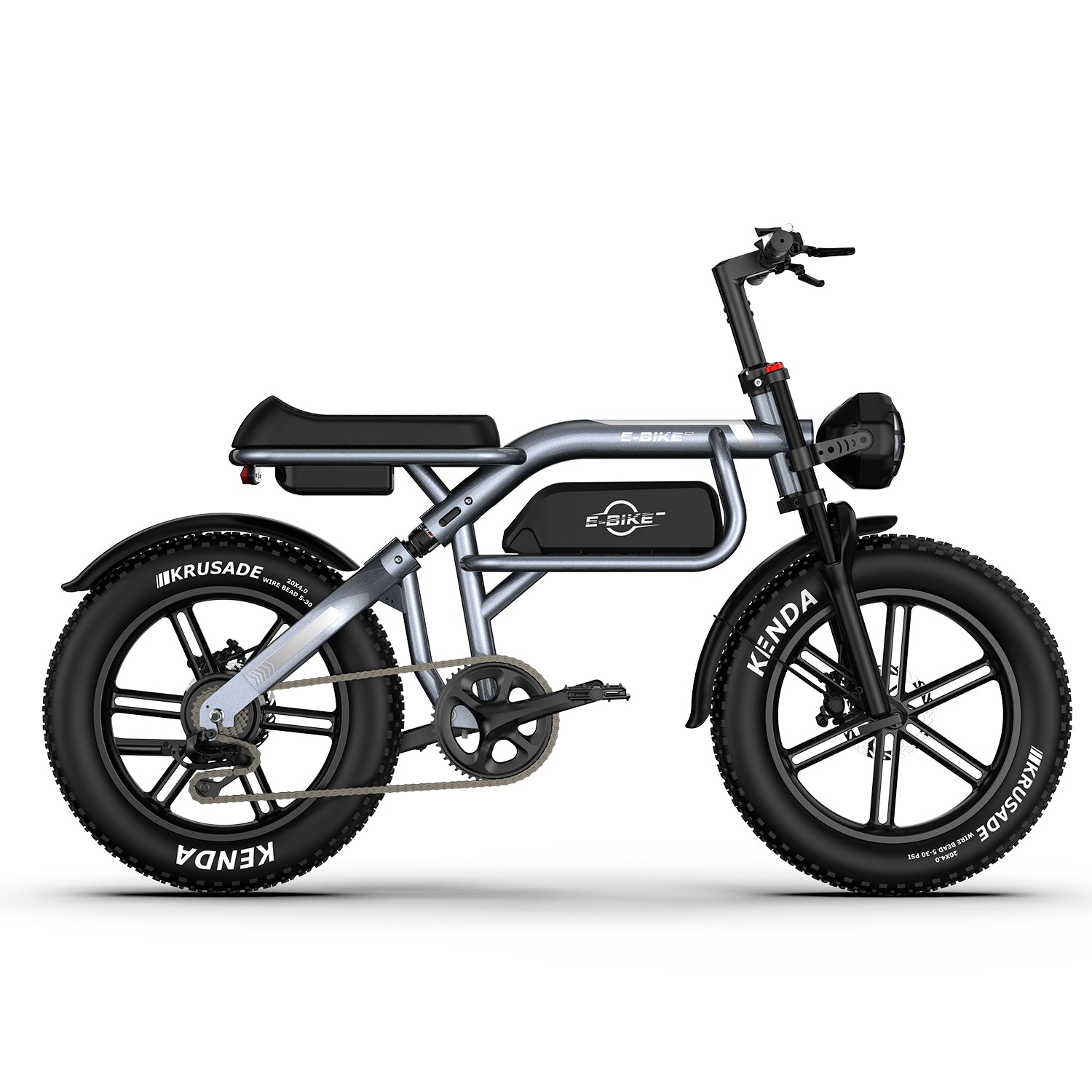
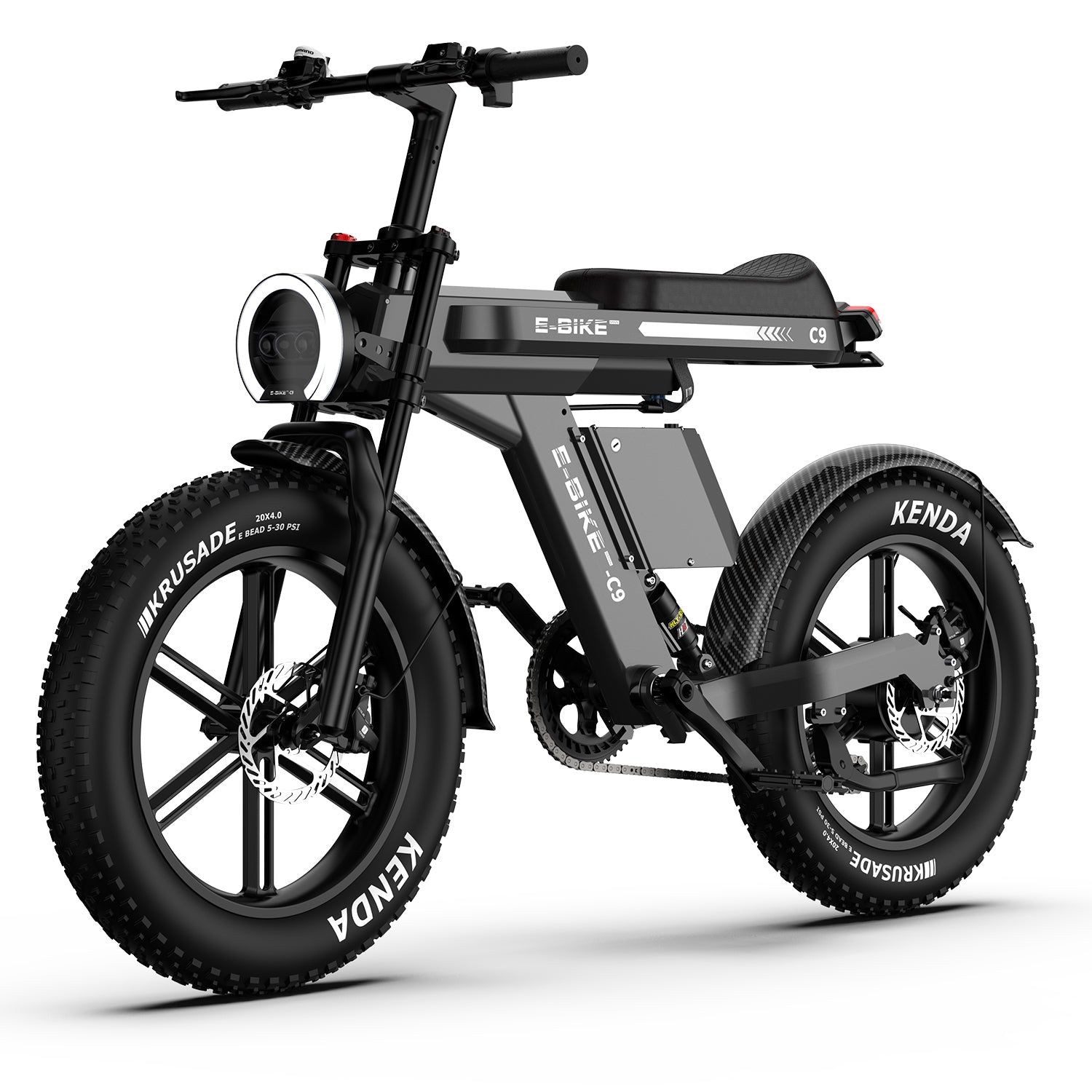
A front basket is useful for items you want to reach quickly, such as groceries, bags, small parcels, or daily essentials. The KOOLUX X9 Pro electric bike review shows how a moped-style fat tire e-bike can combine long-range battery capacity with front basket practicality and rear rack utility.
Electric Cargo Tricycles
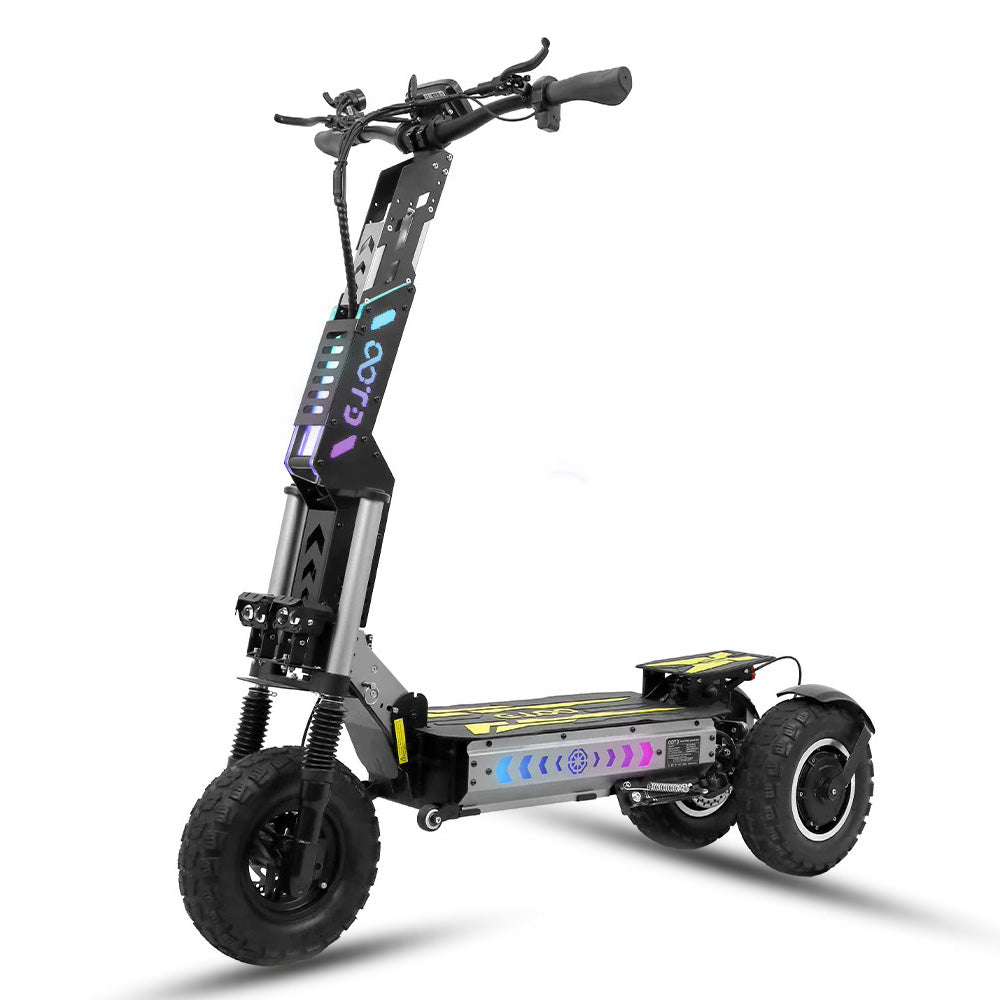
For riders who want more low-speed stability, an electric cargo tricycle can be a better option than a two-wheel e-bike. A three-wheel layout is especially useful for shopping, relaxed daily transport, and riders who prefer easier balance when stopping. For this category, see the KOOLUX X13 electric cargo tricycle review.
Tyres and Brakes Are Critical for Cargo Riding
When an e-bike carries extra weight, tyres and brakes become more important. Wider tyres can improve grip, comfort, and stability, especially on rough city roads, gravel paths, wet streets, or older European pavement.
Fat tire cargo e-bikes can feel more planted when carrying bags or riding over uneven surfaces. However, they also need correct tyre pressure. Underinflated tyres can reduce range, increase wear, and make the bike feel slow.
Brakes are just as important. A loaded e-bike takes more effort to stop than an unloaded one. Riders should check whether the bike uses mechanical disc brakes, hydraulic brakes, or another braking system, then maintain them regularly.
Think About Storage Before Buying
Many cargo e-bikes are heavier and larger than standard commuter e-bikes. Before buying, check your storage situation carefully. Can the bike fit through your door? Do you have ground-floor storage? Is there a garage, courtyard, bike room, or secure parking space?
A cargo e-bike can be extremely useful, but it is not ideal if you need to carry it upstairs every day. If you live in an apartment, storage planning should be part of the buying decision. For smaller-space ownership advice, read this electric bike small-space storage guide.
Cargo E-Bike vs Short Car Trips
One of the strongest reasons to choose a cargo e-bike is replacing short car trips. Many local journeys are too far to walk comfortably but too short to justify driving. A cargo e-bike can make these trips easier while reducing parking stress and fuel dependence.
For groceries, school activities, local shopping, and small errands, a cargo e-bike can become part of the weekly routine. The key is choosing a model that matches your distance, carrying needs, riding confidence, and storage space.
For a lifestyle perspective, read this article about replacing short car trips with an electric bike.
Final Buying Checklist
Choose enough battery range for loaded riding, not only empty riding.
Check whether the rack, basket, or cargo area fits your daily items.
Look for stable tyres and reliable brakes.
Consider whether a two-wheel cargo e-bike or electric cargo tricycle fits you better.
Check bike weight, storage space, doorway width, and charging access before buying.
Think about maintenance, especially tyre pressure, brakes, drivetrain, rack bolts, and battery care.
Final Thoughts
A cargo e-bike can change how you handle daily transport. Instead of using a car for every short trip or carrying everything on your back, the right e-bike can help with groceries, delivery, errands, commuting, and weekend utility rides.
The best cargo e-bike is not always the biggest or most powerful model. It is the one that matches your real carrying needs, range expectations, storage situation, and daily riding habits.