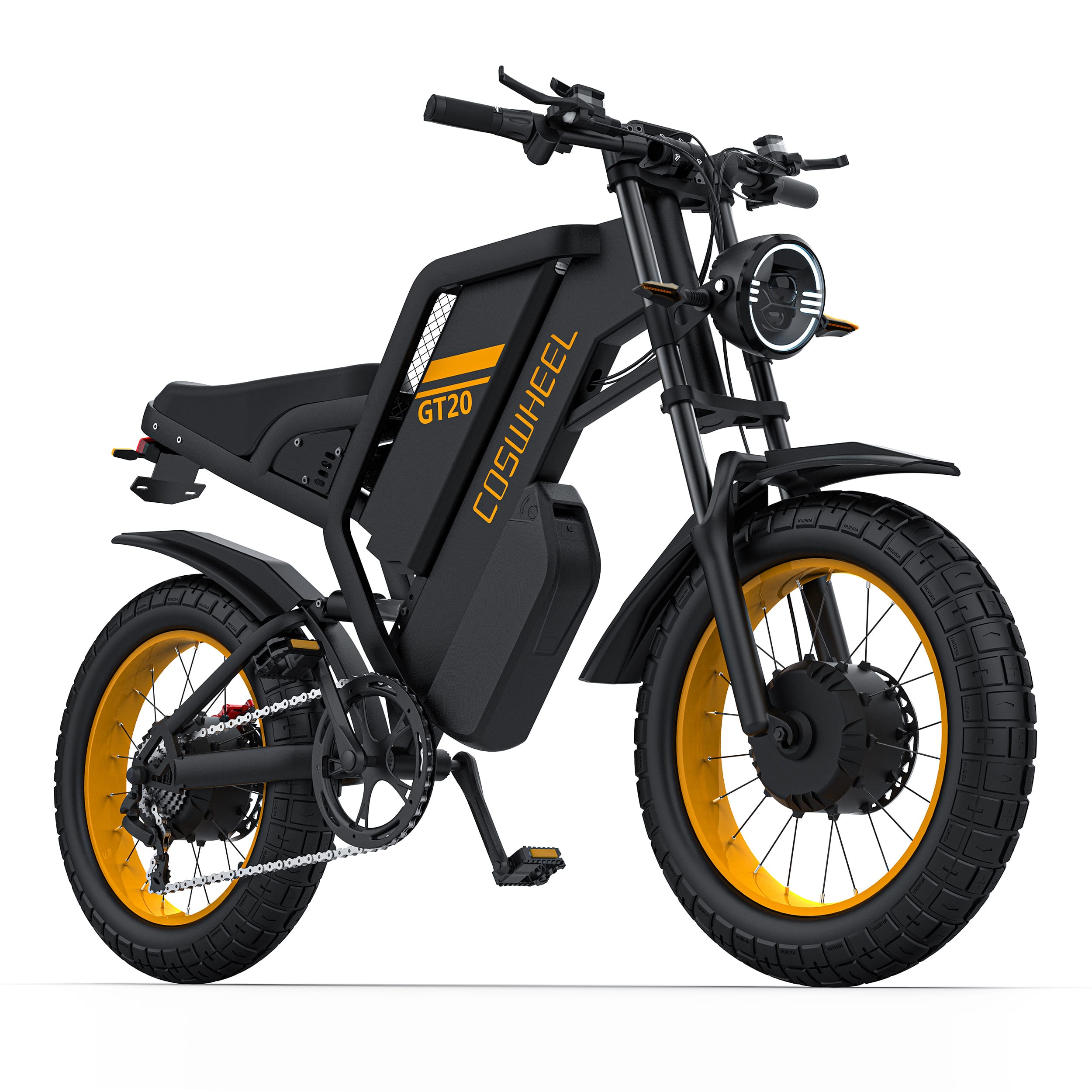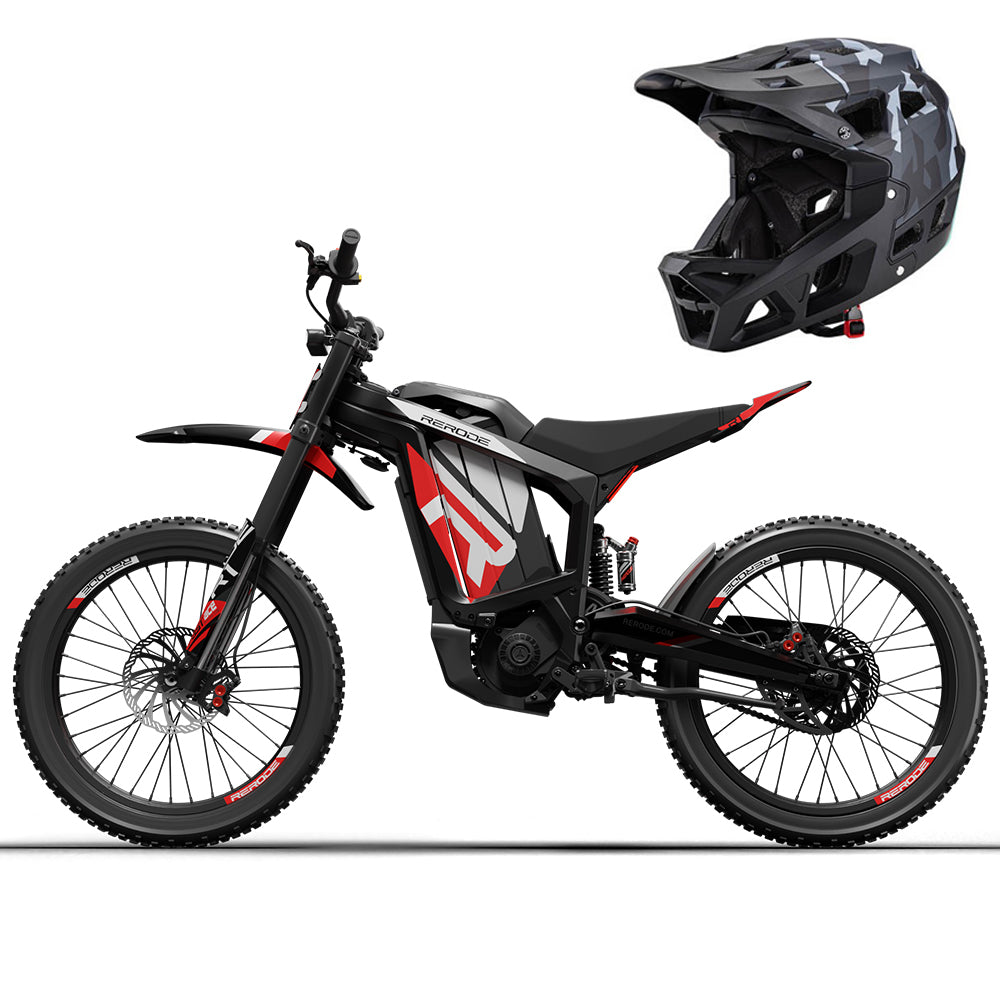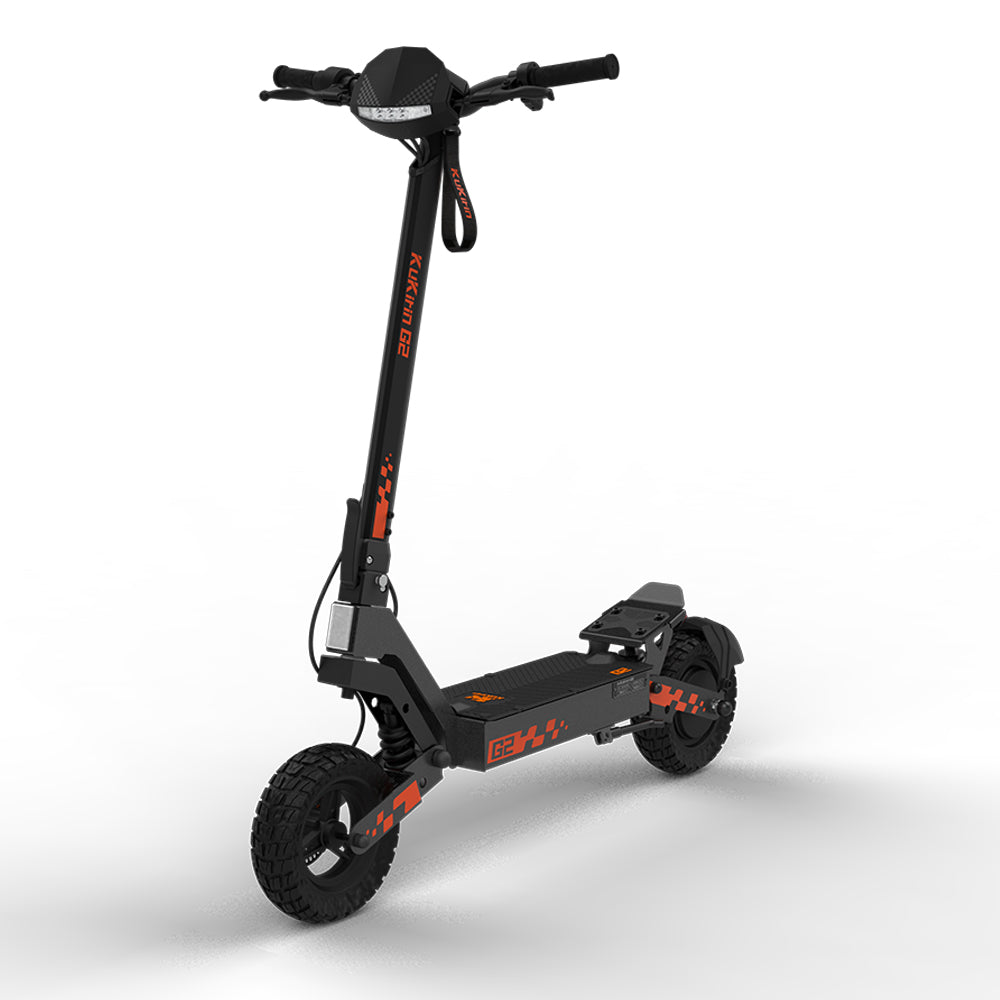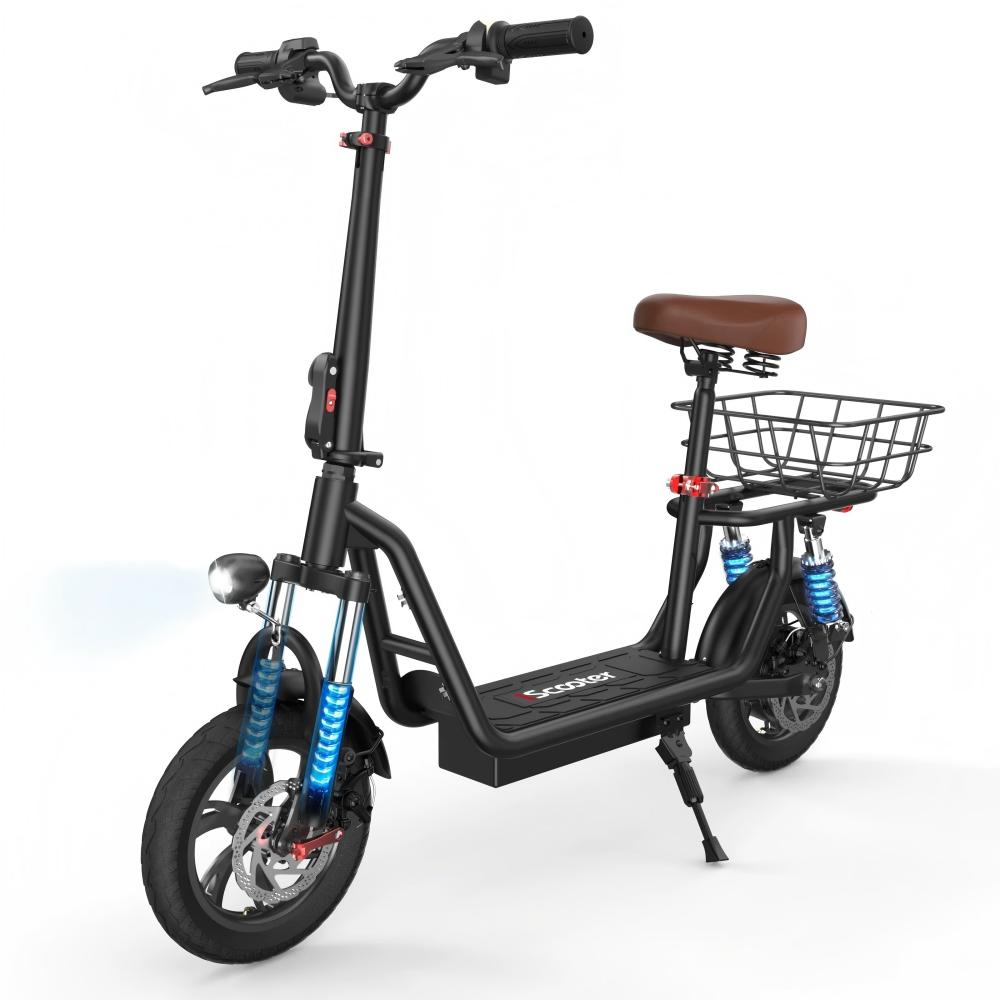

Why Storage Conditions Affect Long-Term Performance
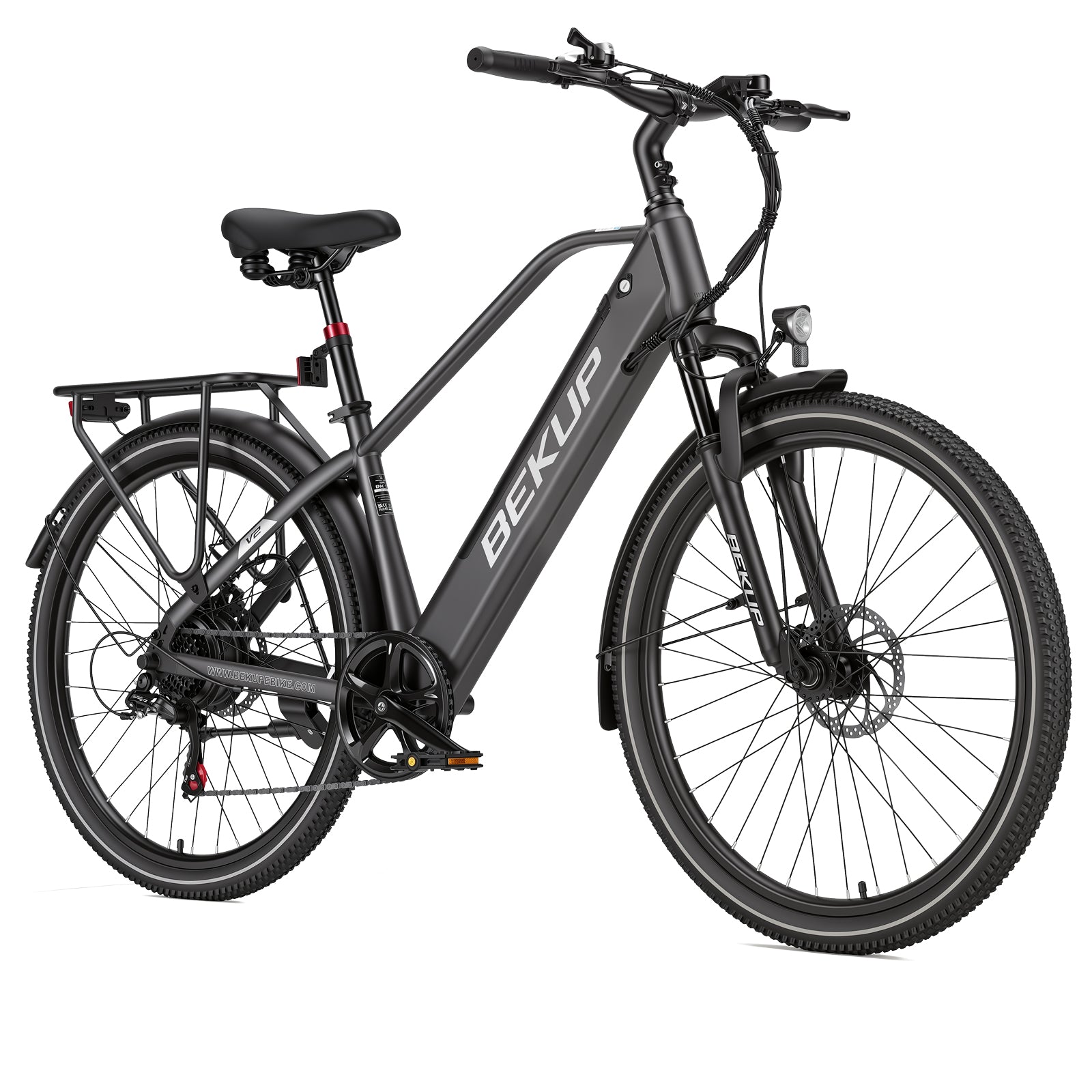
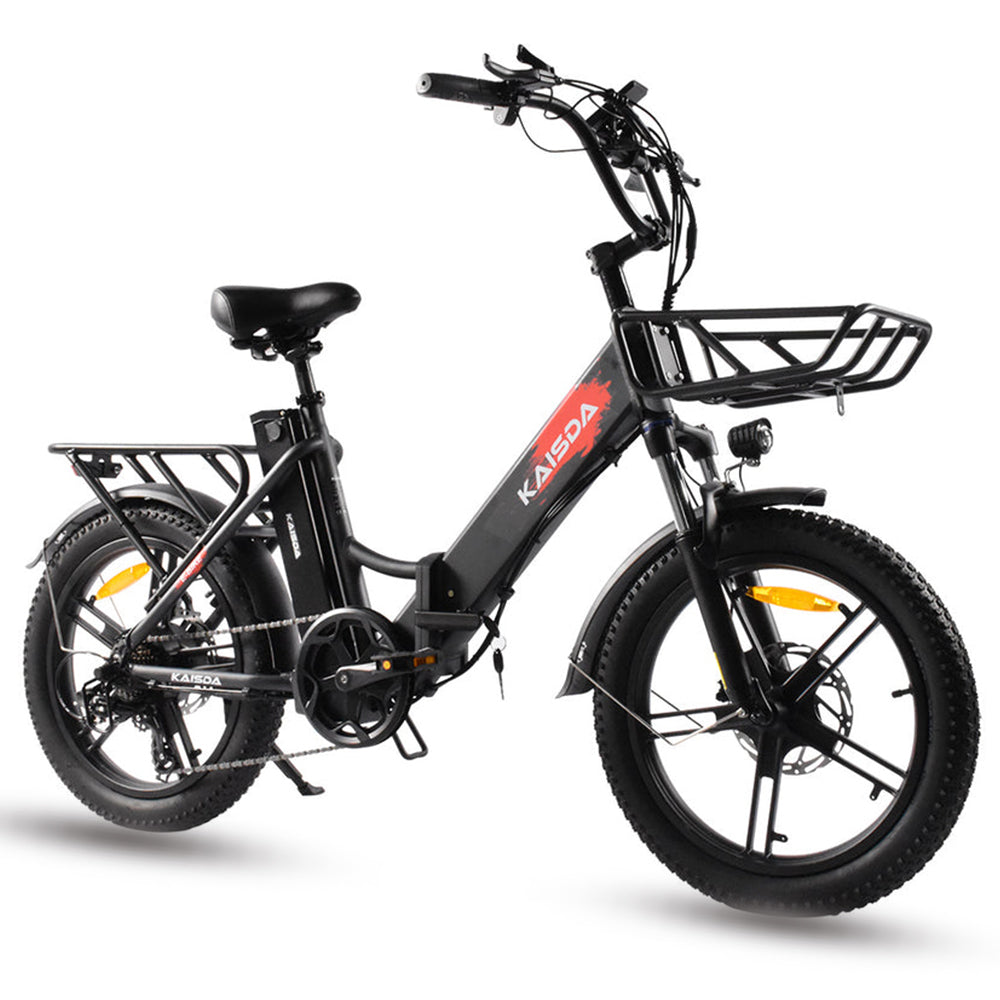
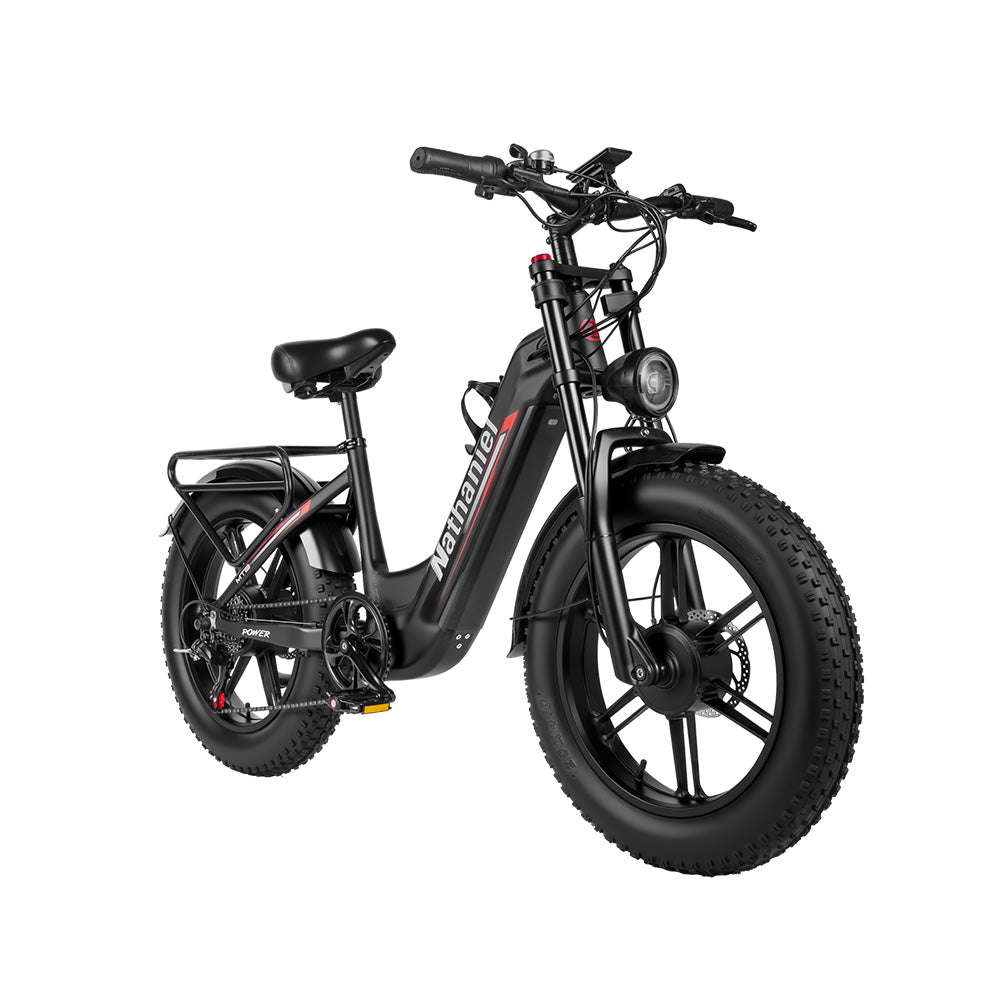
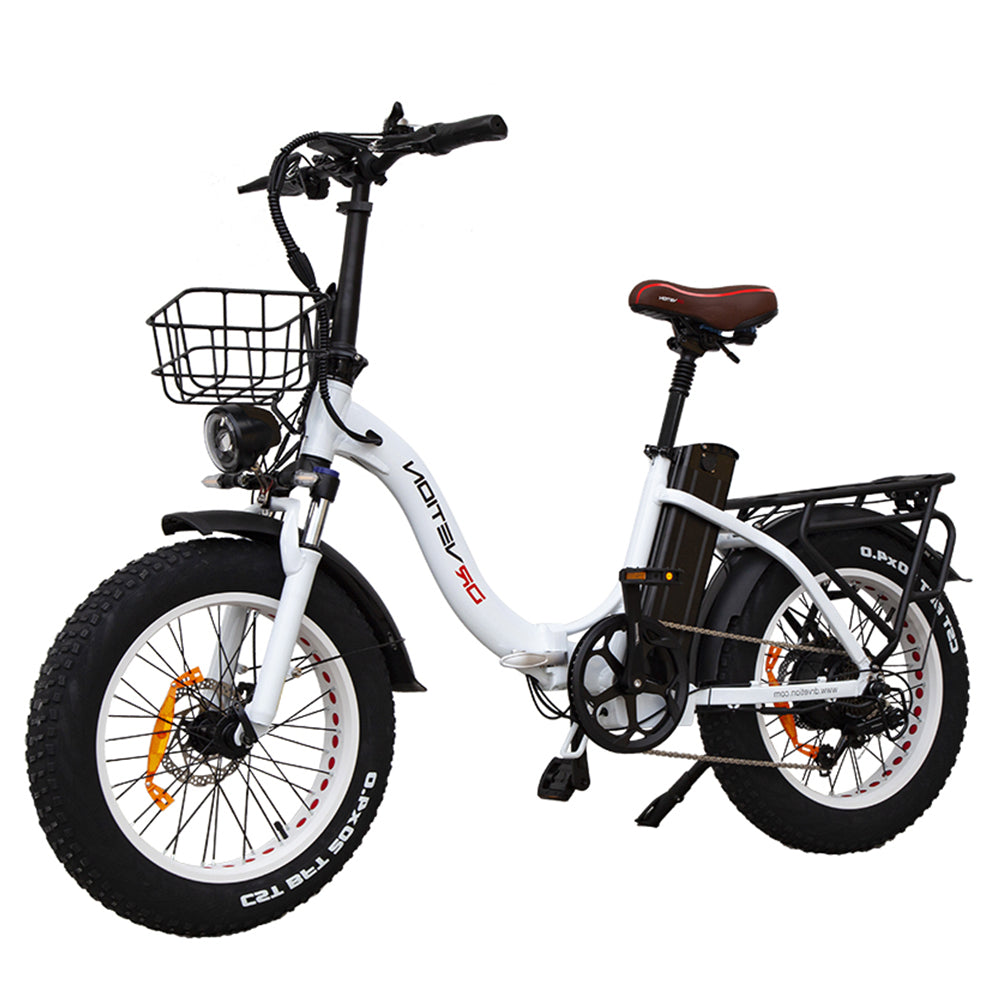
For many urban riders, storing an electric bike indoors is a necessity rather than a choice. Small apartments, shared spaces, and limited storage areas make proper placement important for long-term durability.
Incorrect storage can lead to pressure loss in tires, battery stress, and unnecessary wear on components.
Managing Battery Storage Indoors
Keeping the battery in a stable indoor temperature helps maintain its condition. Avoid placing it near heat sources or leaving it fully discharged for extended periods.
Battery performance over time is influenced by charging habits, as explained in this guide on battery range changes.
Tire Pressure During Storage
Even when not in use, tires gradually lose pressure. Riding with underinflated tires increases resistance and can affect handling.
Checking tire pressure regularly, following this tire pressure guide, helps maintain readiness for daily riding.
Protecting Floors and Components
Using a mat or designated storage area helps protect indoor surfaces from dirt and moisture. It also keeps the bike stable and reduces accidental damage.
Handling Weight and Space Constraints
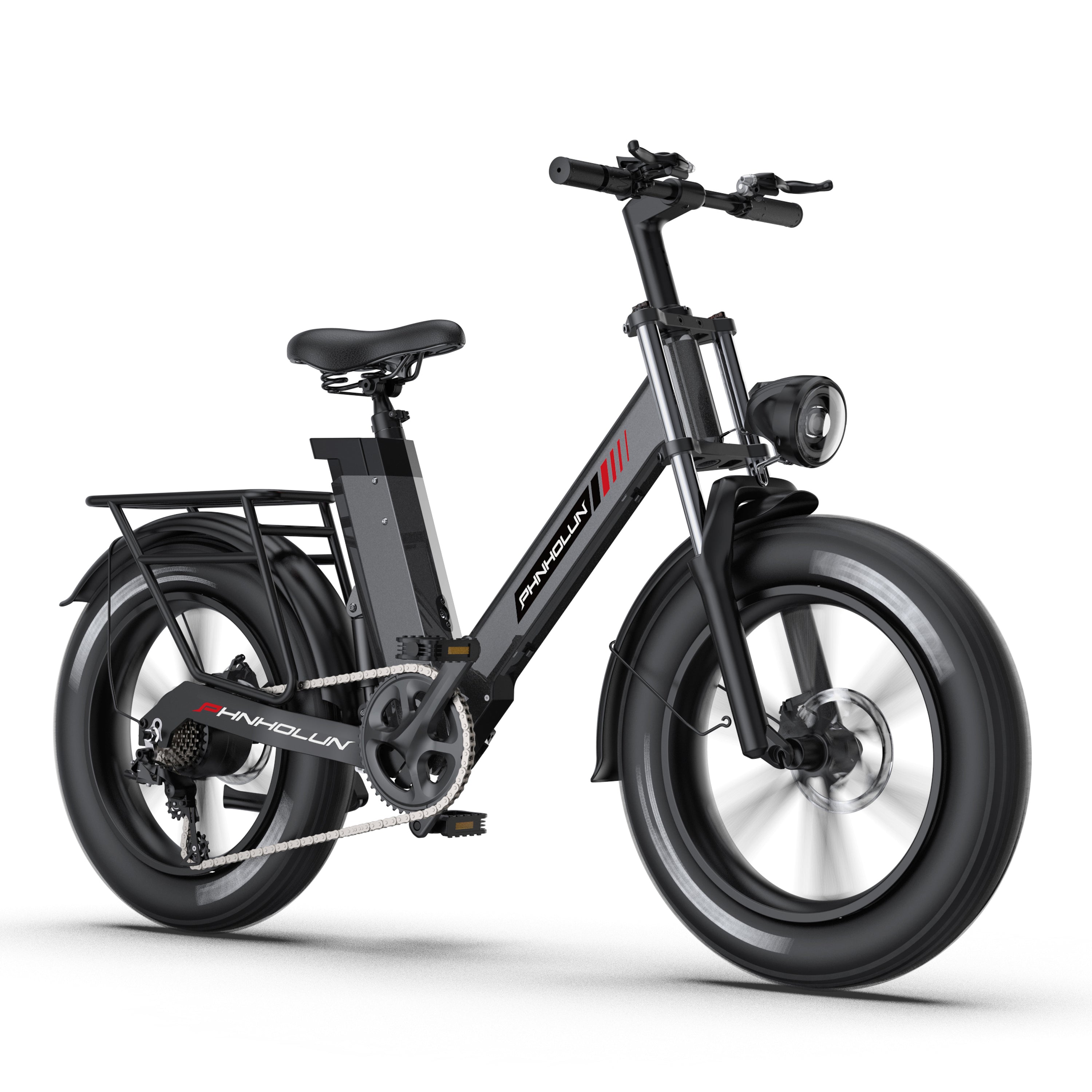
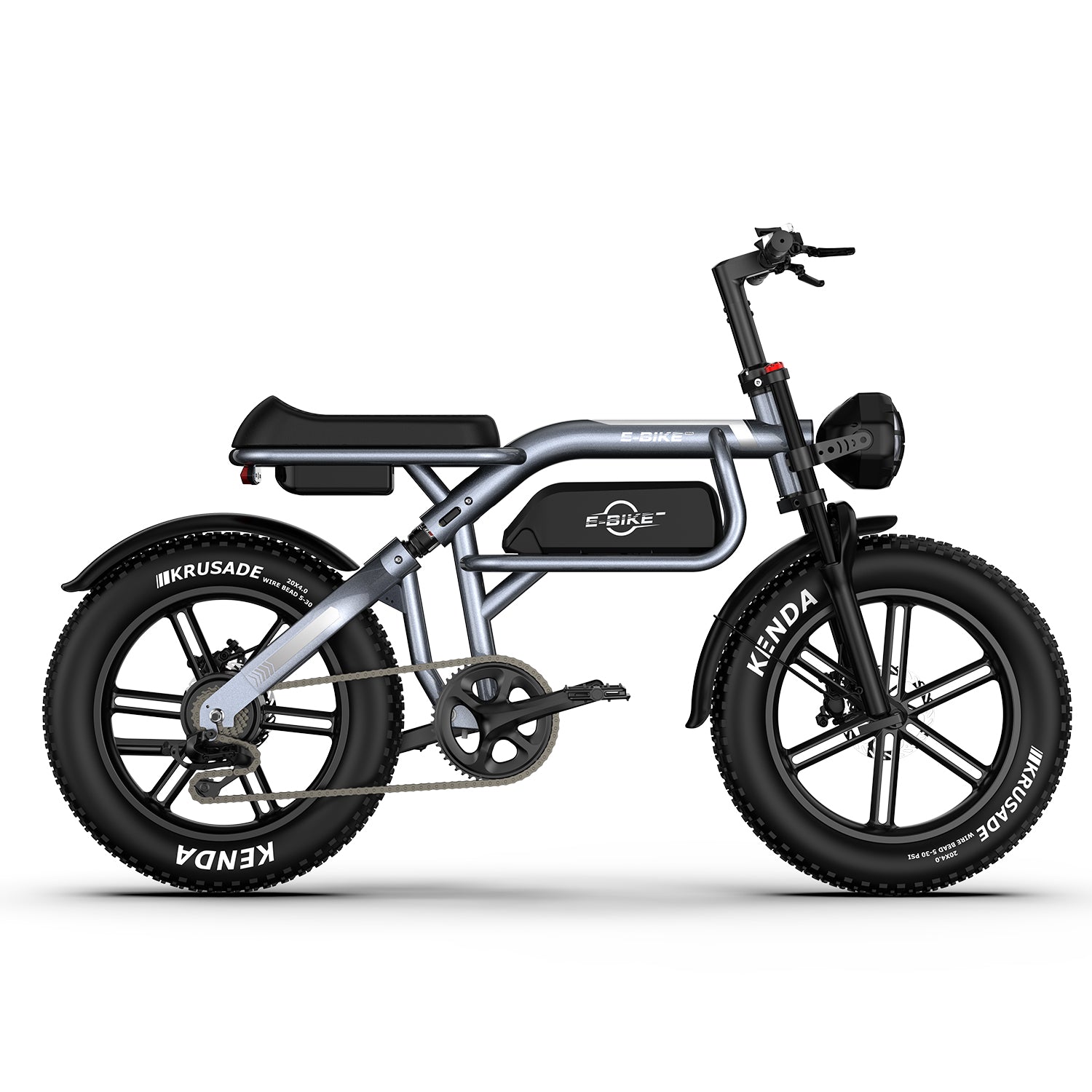
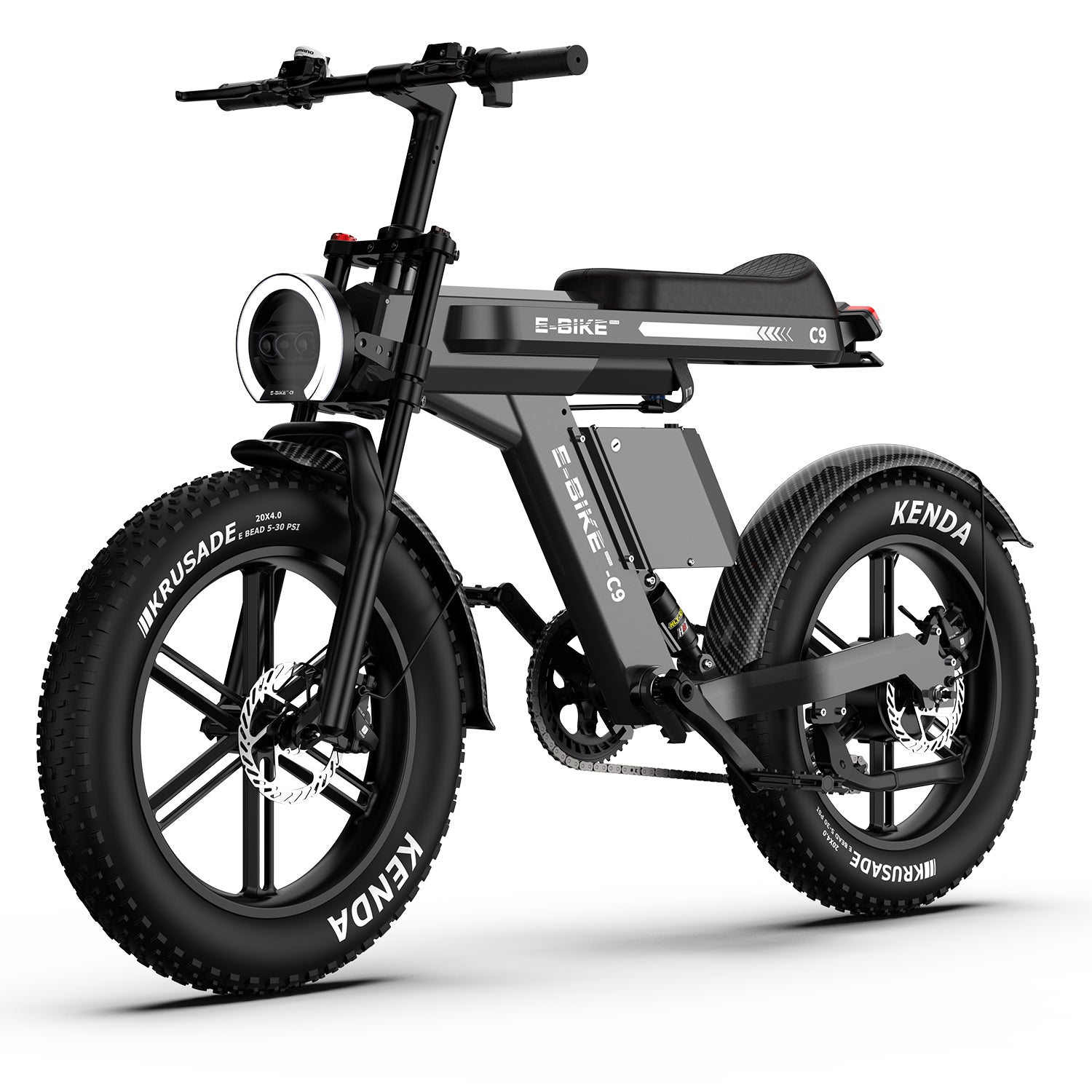
Electric bikes are heavier than traditional bicycles, which can make indoor storage more challenging. Choosing a setup that balances performance and usability can make daily handling easier.
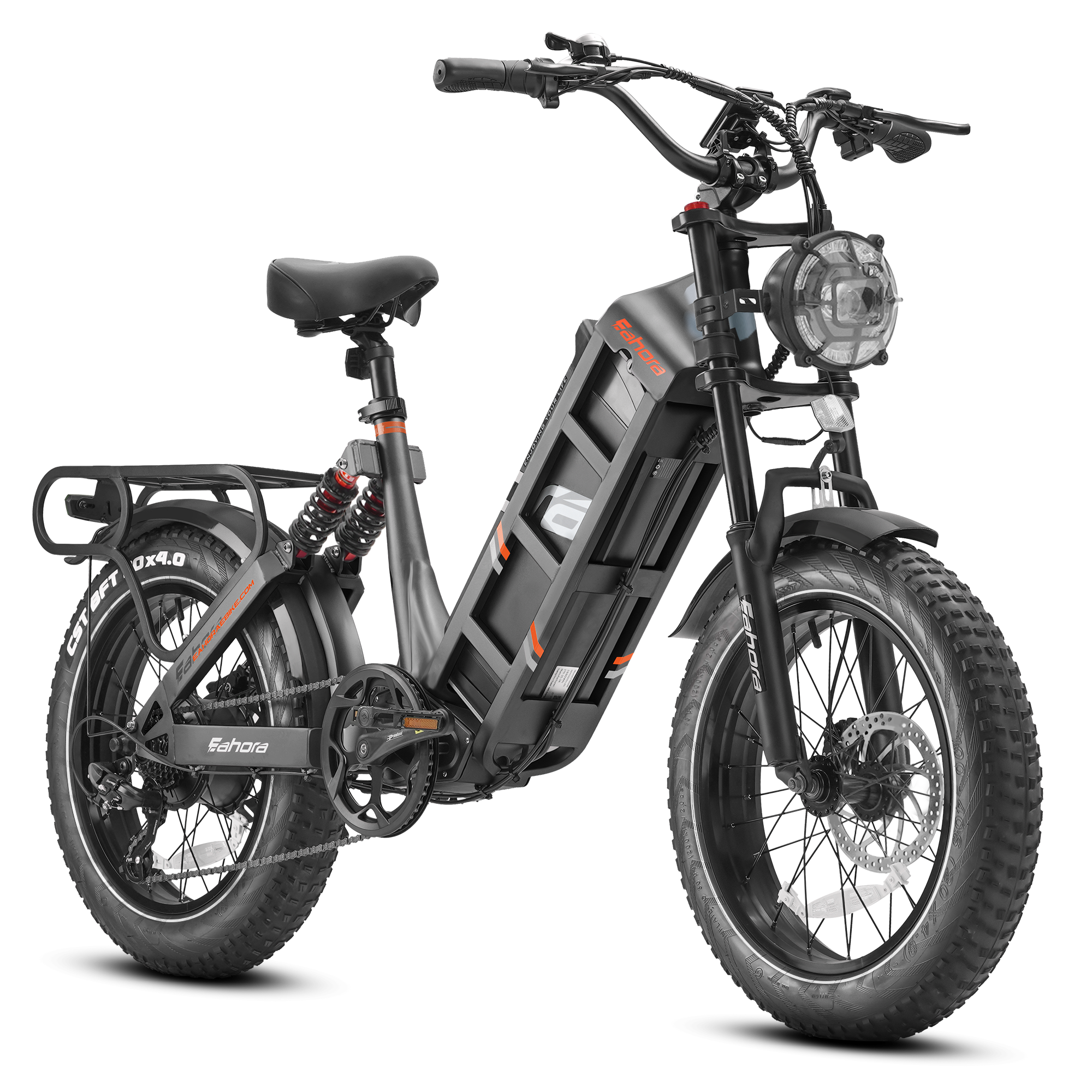
Some riders prefer configurations that support longer riding intervals between charges, such as the C6 Pro 2.0 dual battery setup, reducing the need for frequent movement and charging.
Storage as Part of Maintenance
Proper storage is not just about space—it is part of maintaining the electric bike itself. Small adjustments in how the bike is stored can extend component life and improve overall reliability.