
Why Folding E-Bikes Need Special Maintenance
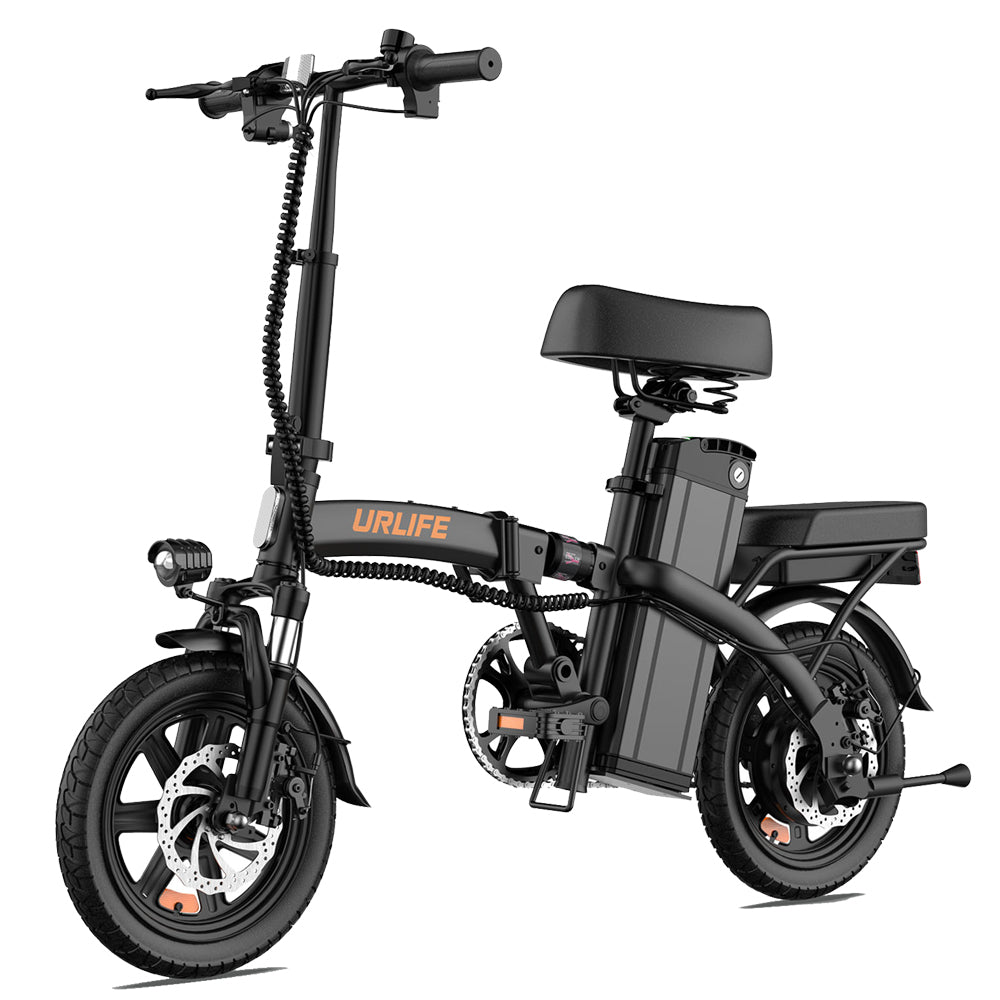
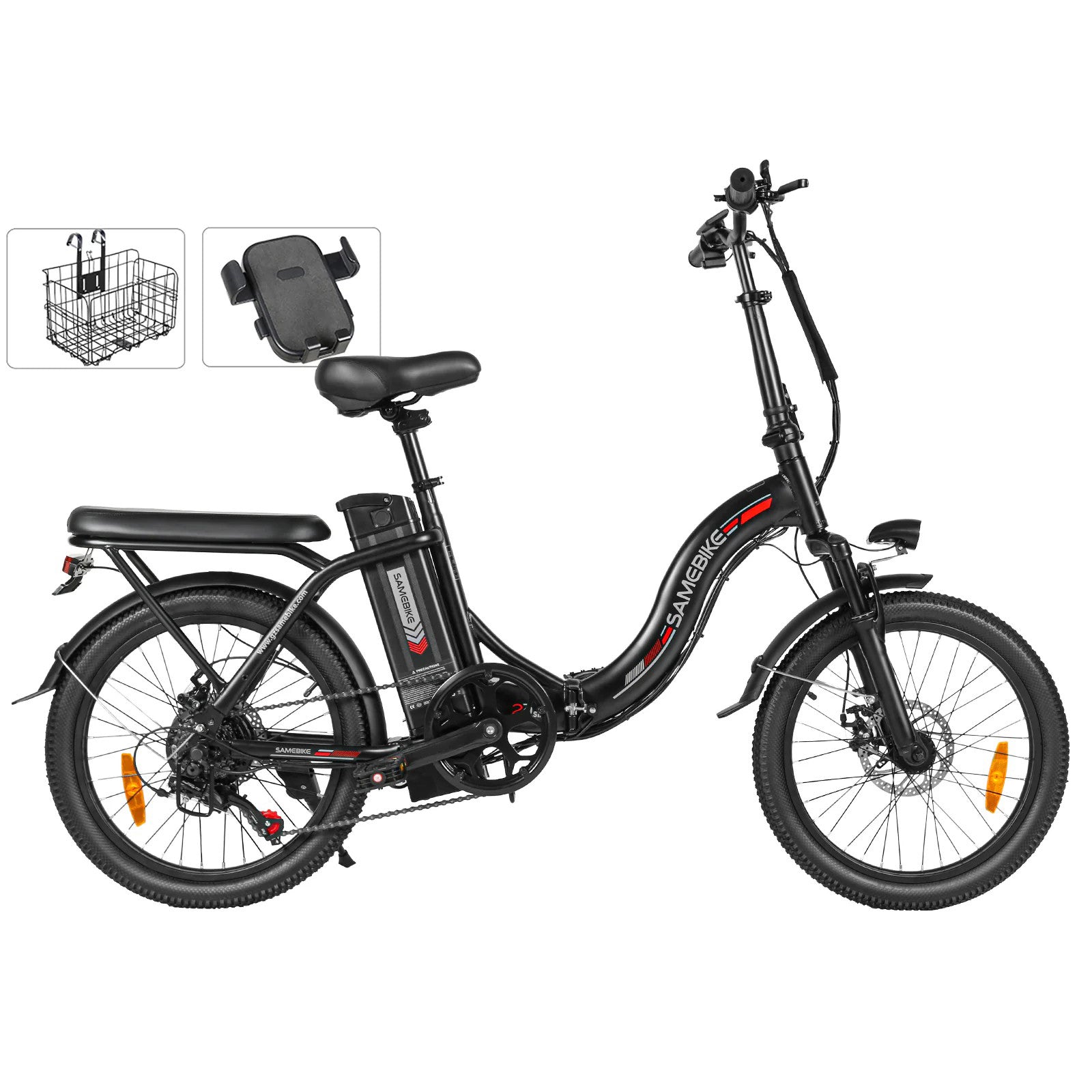
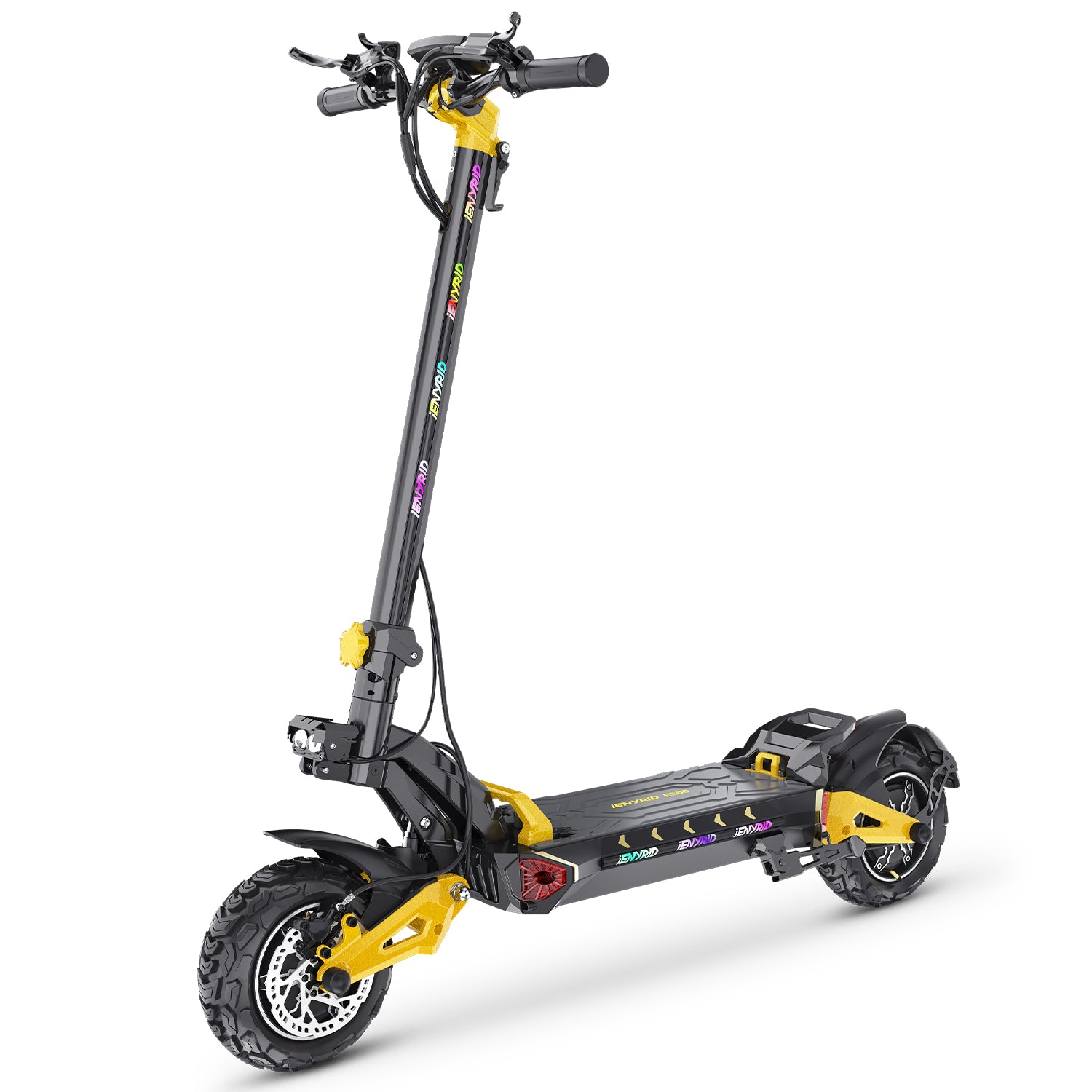
Folding electric bikes are practical for apartment storage, car transport, office parking, and riders who need more flexibility than a full-size frame. But because a folding e-bike has hinges, latches, moving joints, and cable routing points, it needs a slightly different maintenance routine from a standard electric bike.
The folding system is what makes the bike convenient. It is also the area that should be checked regularly. A loose hinge, worn latch, or poorly routed cable can affect ride feel, safety, and long-term durability.
Check the Main Folding Hinge Regularly
The main frame hinge carries important structural load. Before riding, make sure the hinge is fully closed and the locking mechanism is properly engaged. The frame should not feel loose, creaky, or unstable when you push the bike slightly from side to side.
If the hinge feels loose, do not ignore it. Folding electric bikes are heavier than regular folding bicycles because of the motor and battery, so the hinge system needs to stay secure under repeated daily use.
Signs the Hinge Needs Attention
The frame feels slightly loose when riding.
You hear clicking or creaking from the folding joint.
The latch does not close smoothly.
The hinge area shows rust, dirt buildup, or unusual movement.
The locking lever feels too loose or too tight compared with normal use.
Keep the Latch Clean and Dry
Dirt and moisture can collect around the latch area, especially after rain, muddy rides, or winter road conditions. Wipe the latch and hinge area with a dry cloth after wet rides. If dirt builds up, clean it gently with a soft brush and avoid spraying water directly into the hinge.
The latch should close firmly without forcing. If you need to push too hard or if the lock does not sit correctly, inspect the area before riding again.
For broader cleaning advice, read this guide on how to wash an electric bike safely.
Inspect the Handlebar Folding Joint
Many folding e-bikes also have a folding handlebar stem. This area should feel stable when locked. Before riding, hold the front wheel steady and gently move the handlebar from side to side. There should not be obvious movement at the folding joint.
A loose handlebar joint can make steering feel uncertain, especially at higher speeds or on uneven roads. If the handlebar feels unstable, stop riding and check the latch, bolts, and adjustment mechanism.
Check Bolts Around the Folding Areas
Bolts around the hinge, latch, handlebar stem, rear rack, battery mount, and seatpost can loosen slightly over time. This is normal for bikes that experience regular vibration, folding, unfolding, and road impact.
Use the correct tool size and avoid overtightening. If you are unsure about torque specifications, follow the manufacturer’s guidance or ask a qualified bike technician. Overtightening can damage threads or frame parts, while loose bolts can create safety problems.
Monthly Bolt Check Areas
Main frame hinge bolts.
Handlebar folding joint bolts.
Seatpost clamp and saddle bolts.
Rear rack mounting bolts.
Battery rail or battery mount screws.
Watch the Cable Routing
Folding and unfolding can place extra movement on brake cables, motor wires, display cables, and light cables. The cables should bend naturally without being pinched, stretched, or sharply folded.
After folding the bike, check that no cable is trapped between frame parts. Before riding, check that cables are not rubbing heavily against the tire, crank, fork, or hinge area. Cable damage can lead to brake, display, lighting, or motor support problems.
If you want to understand how electronics should be cared for, see this guide on maintaining e-bike lights and electronics.
Do Not Ignore New Noises
Folding e-bikes can sometimes develop small noises around the hinge, latch, seatpost, handlebar stem, or rear rack. Not every noise is dangerous, but new sounds should not be ignored. They often tell you where movement or friction is happening.
A clicking sound during pedaling may not come from the hinge at all. It could come from the drivetrain, pedals, bottom bracket area, seatpost, or rack. The best approach is to isolate the sound and check one area at a time.
For a more complete noise checklist, read this electric bike noise diagnosis guide.
Storage Habits Matter More With Folding E-Bikes
Folding an e-bike makes storage easier, but storage habits still matter. Do not leave the bike folded in a damp place for long periods. Avoid placing heavy objects on top of the frame, handlebar, display, or cables.
If the bike is stored folded, make sure it rests securely and does not put pressure on brake levers, cables, display mounts, or the derailleur. Poor storage can bend parts or create stress on electrical connections.
For apartment riders, this small-space electric bike storage guide can help plan a safer setup.
A Folding Fat Tire E-Bike Needs Extra Attention
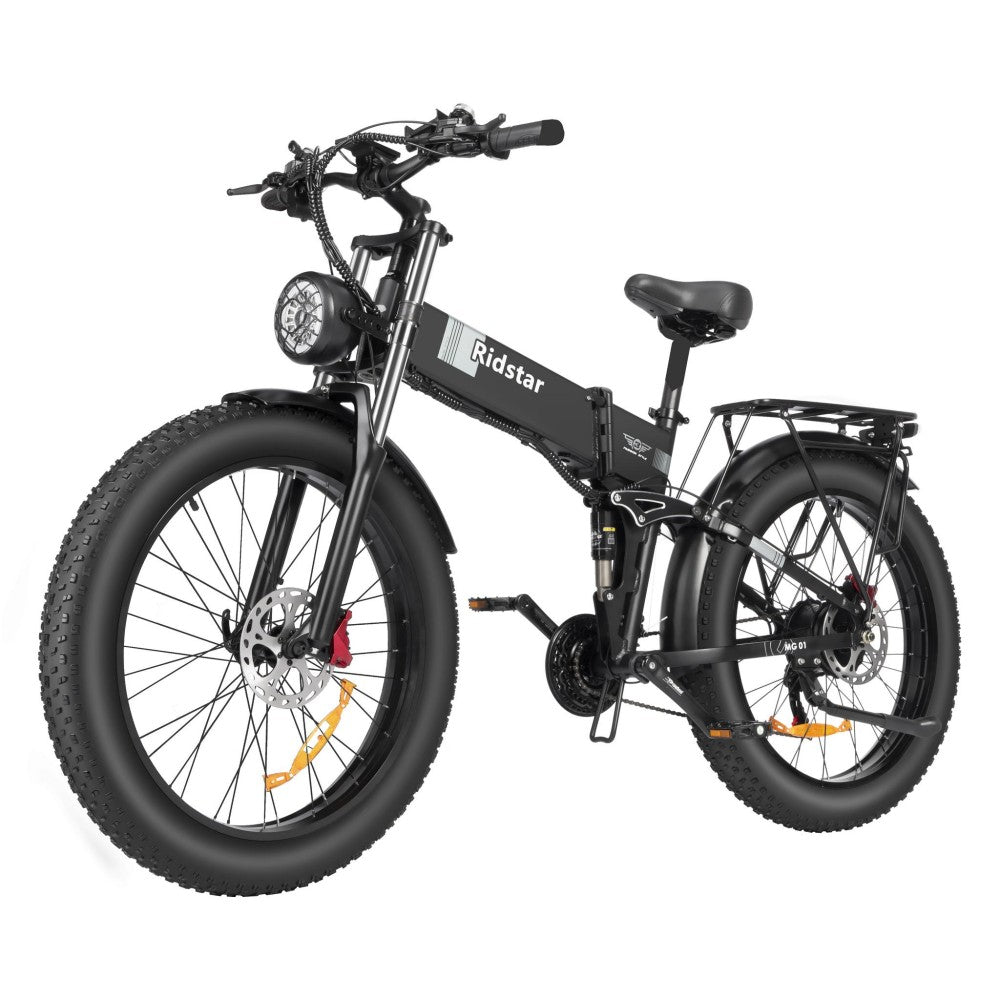
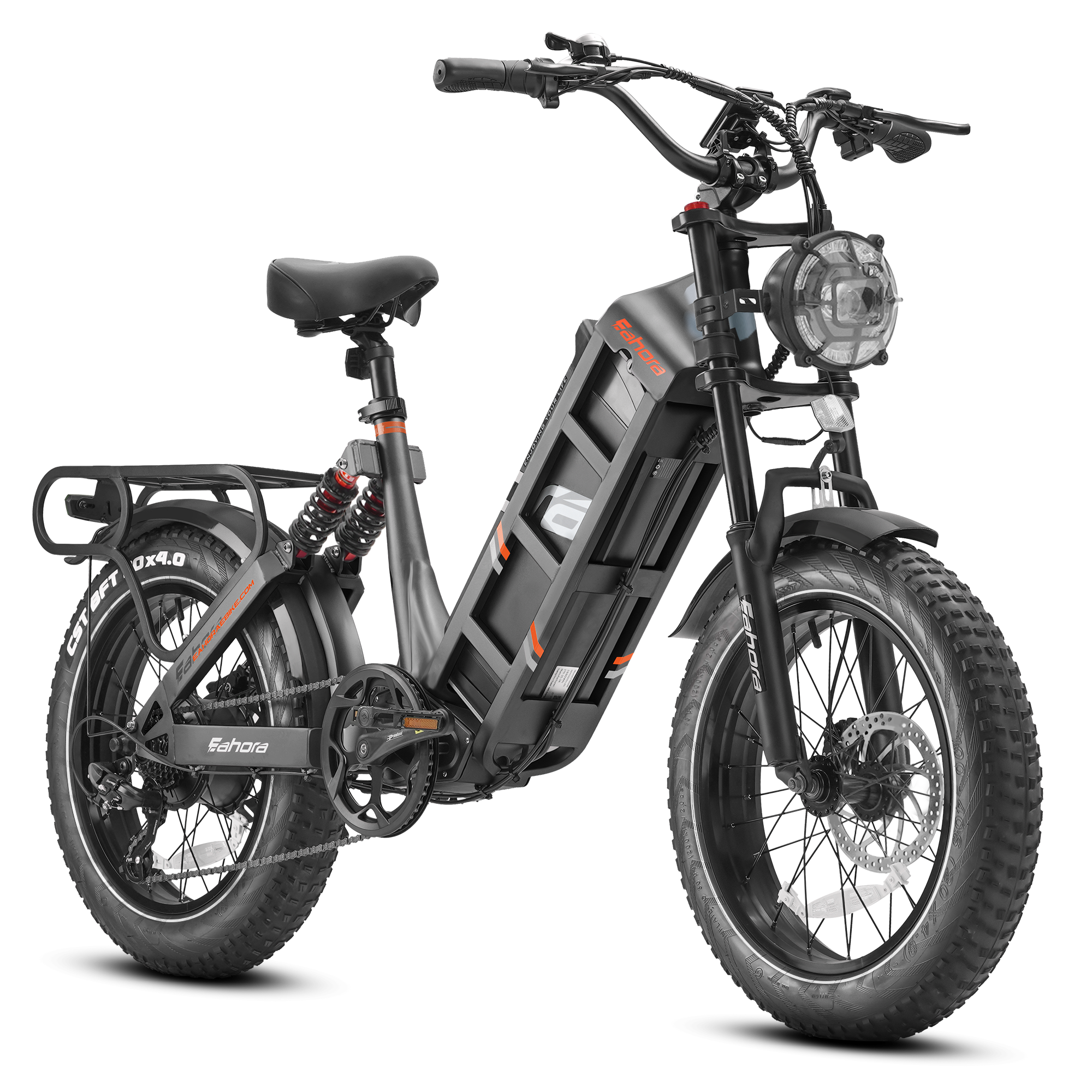
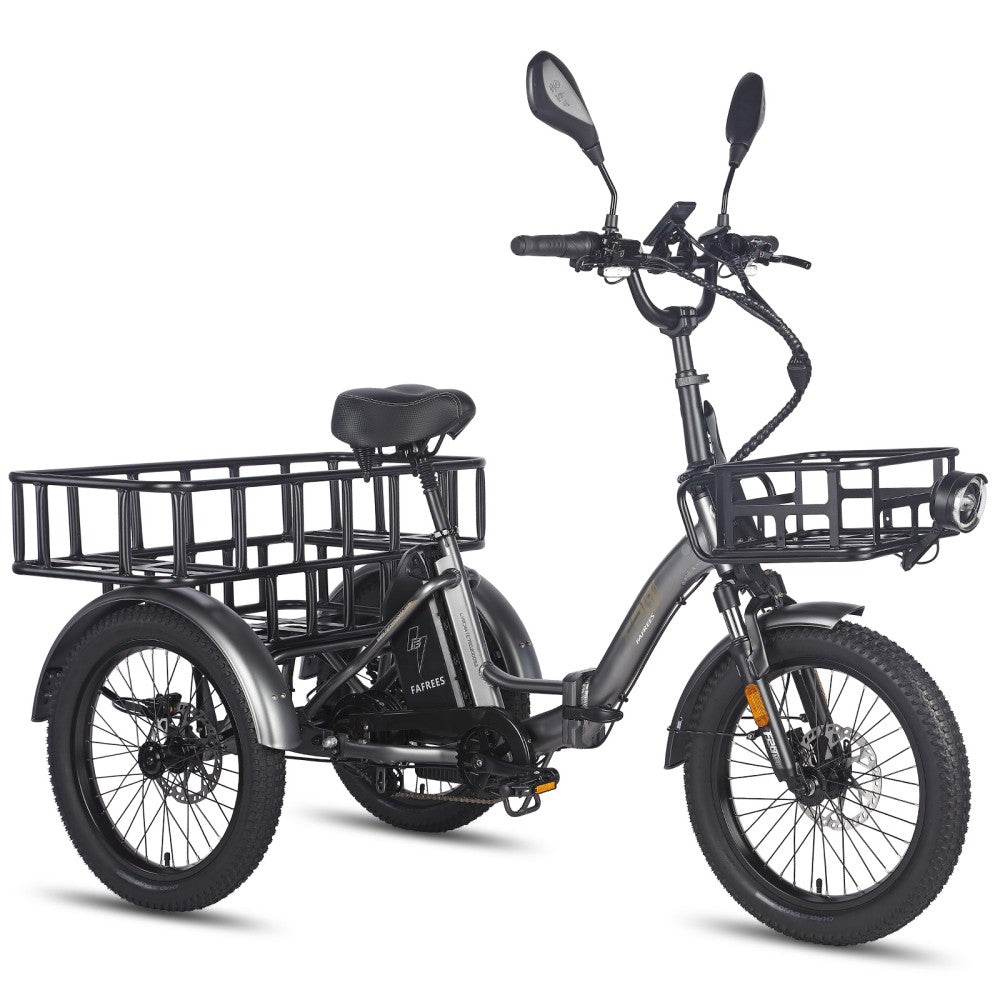
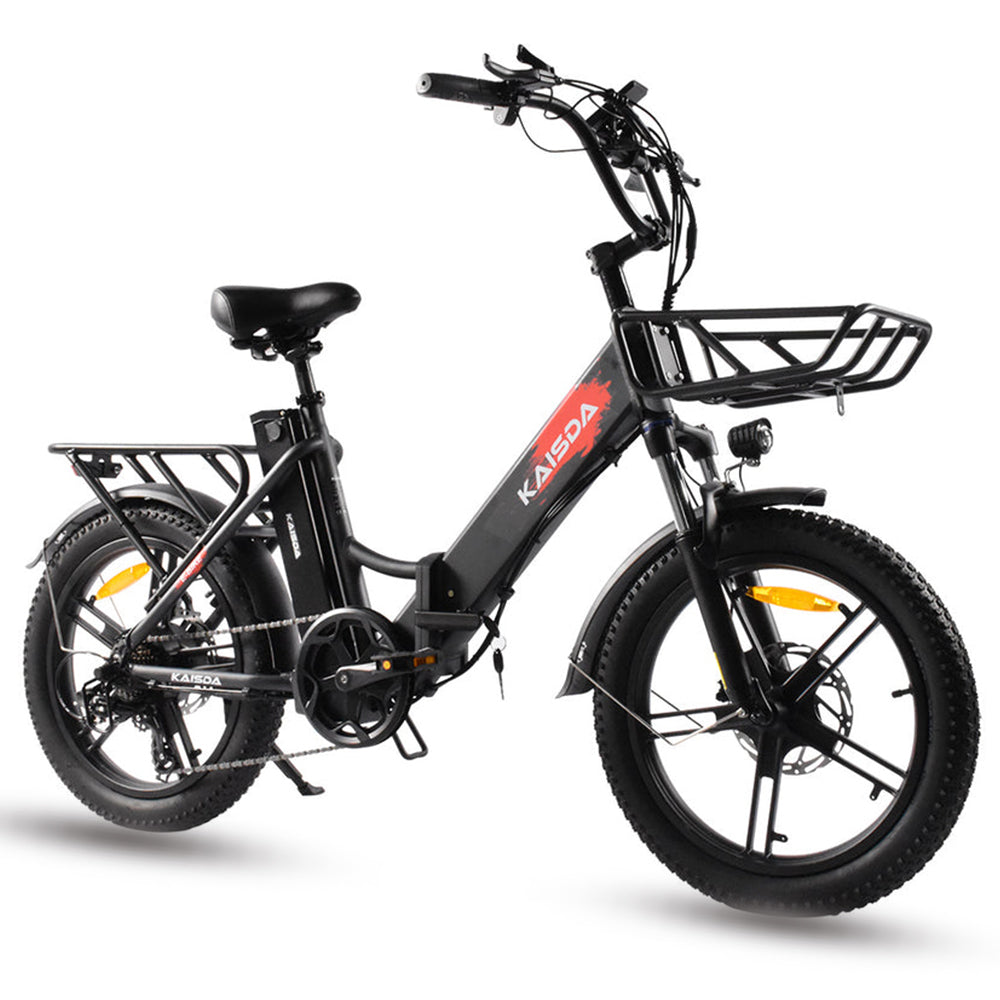
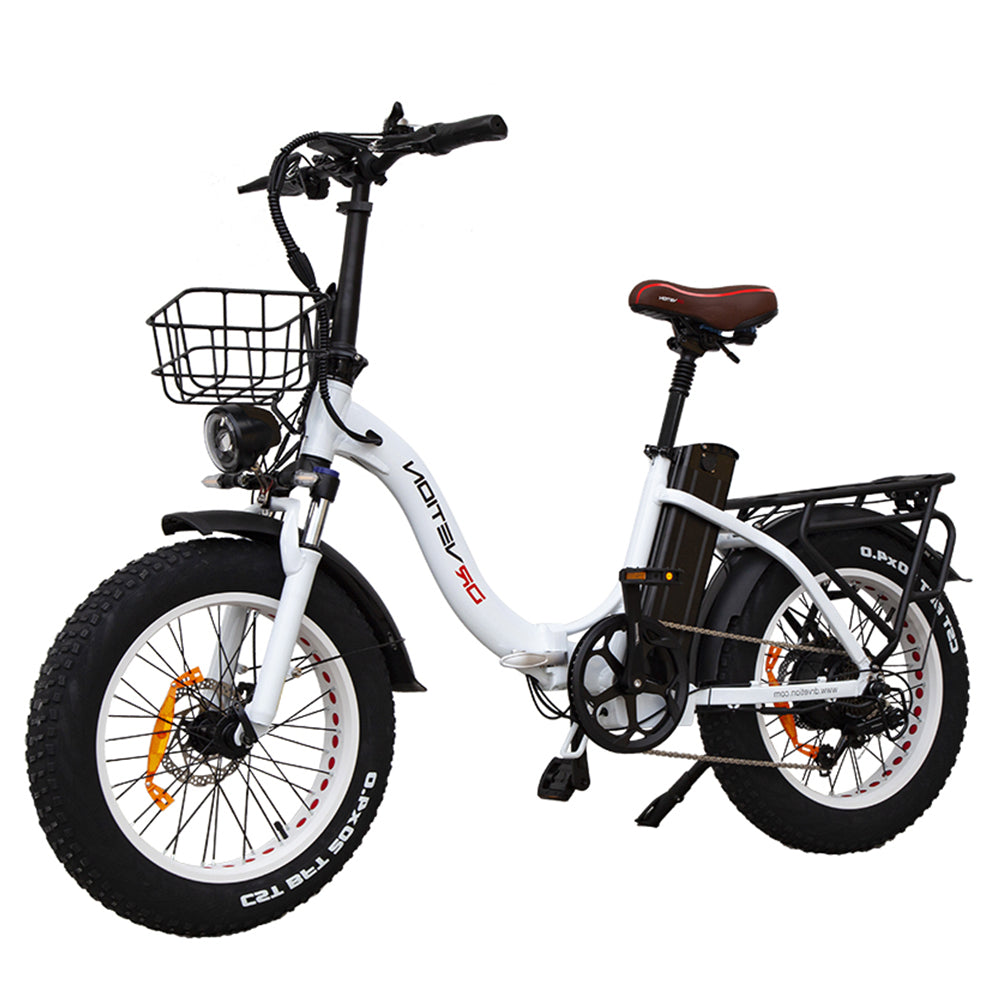
Folding fat tire e-bikes are especially practical because they combine compact storage with stable wide tires. However, they are often heavier than standard folding bikes, which means the frame hinge, latch, brakes, tires, and rack system should be checked regularly.
For example, the TTGO F6 Boost Folding Fat Tire E-Bike review explains how a folding fat tire setup can support commuting, storage, and mixed European roads. Riders choosing this style should treat hinge and frame care as part of normal ownership.
Quick Maintenance Routine for Folding E-Bikes
Before each ride, check that the main hinge and handlebar latch are fully locked.
Once a week, wipe the hinge and latch areas clean and dry.
Once a month, check bolts around the hinge, handlebar, seatpost, rack, and battery mount.
After folding, check that no cable is pinched or stretched.
After wet rides, dry the hinge and latch before storage.
Final Thoughts
A folding electric bike is useful because it adapts to real European living: apartments, limited storage, commuting, mixed routes, and transport flexibility. But the folding system should be treated as a key maintenance area, not just a convenience feature.
By checking the hinge, latch, bolts, cables, storage position, and frame joints regularly, riders can keep a folding e-bike safer, quieter, and easier to use over time.