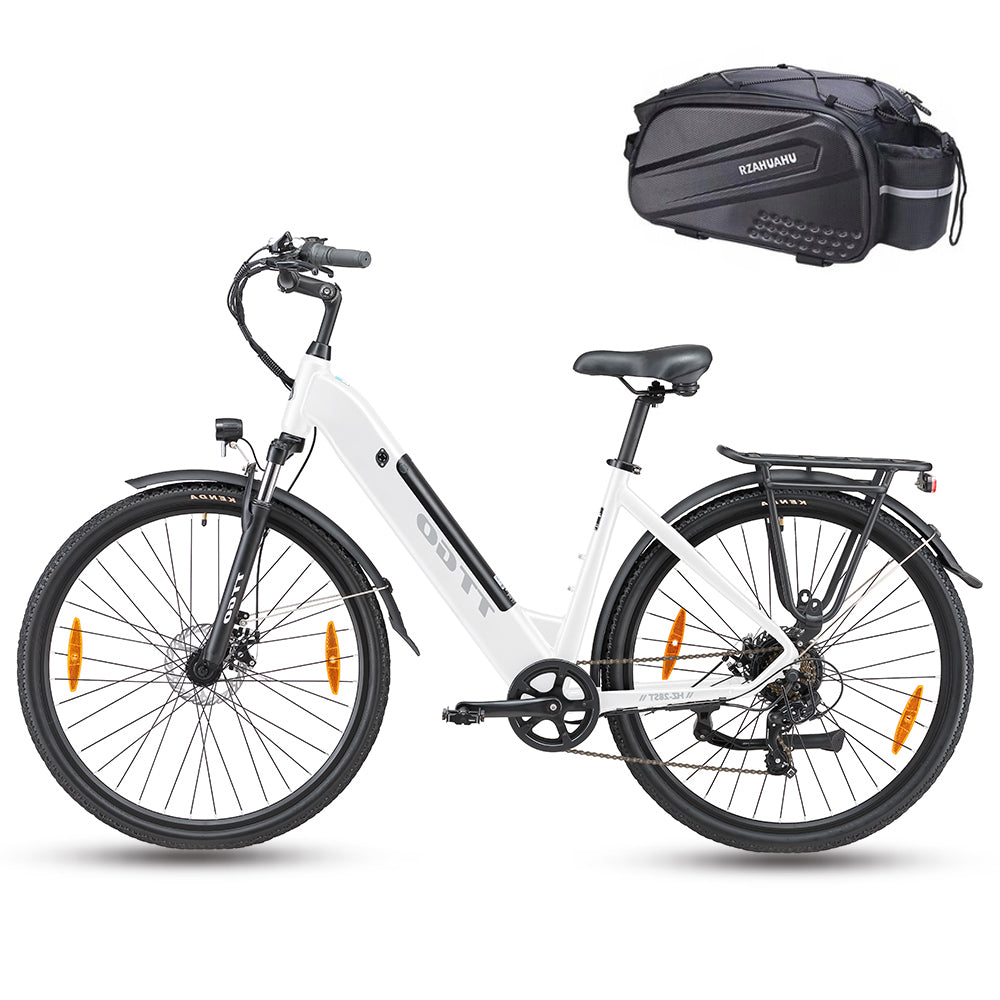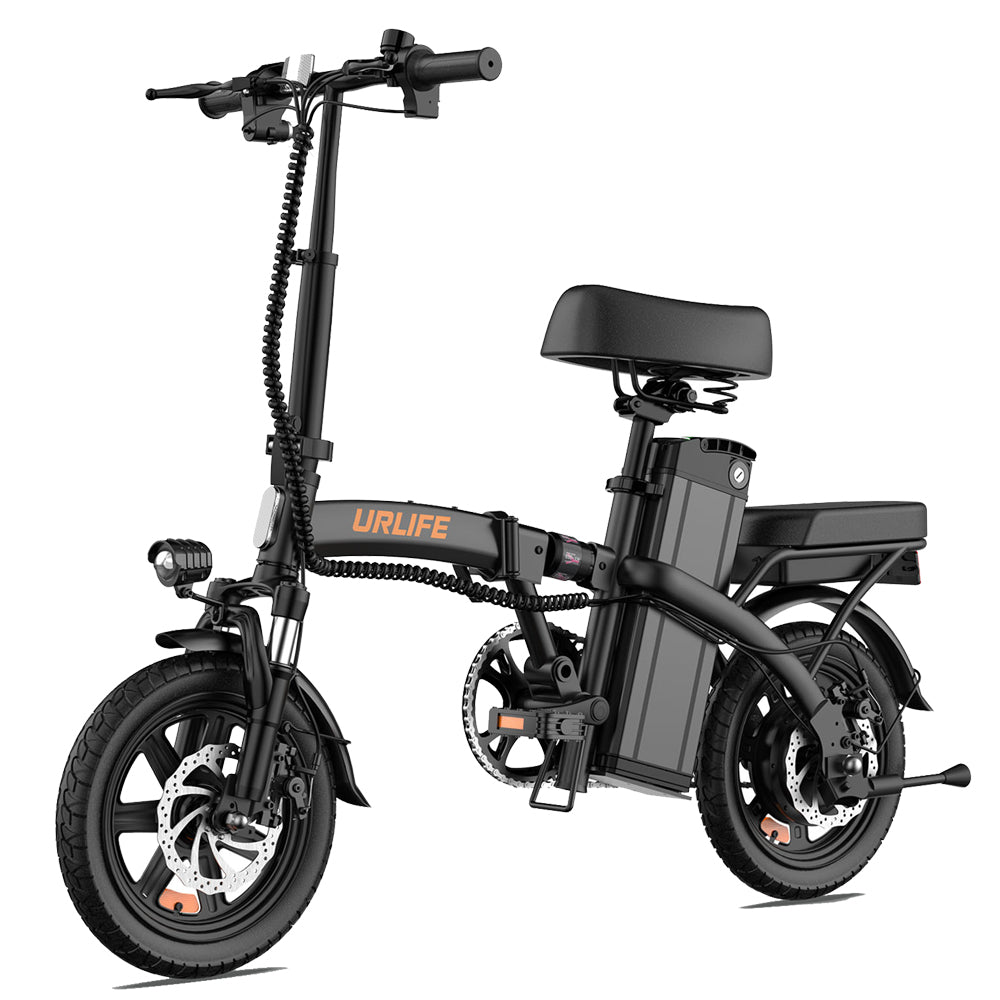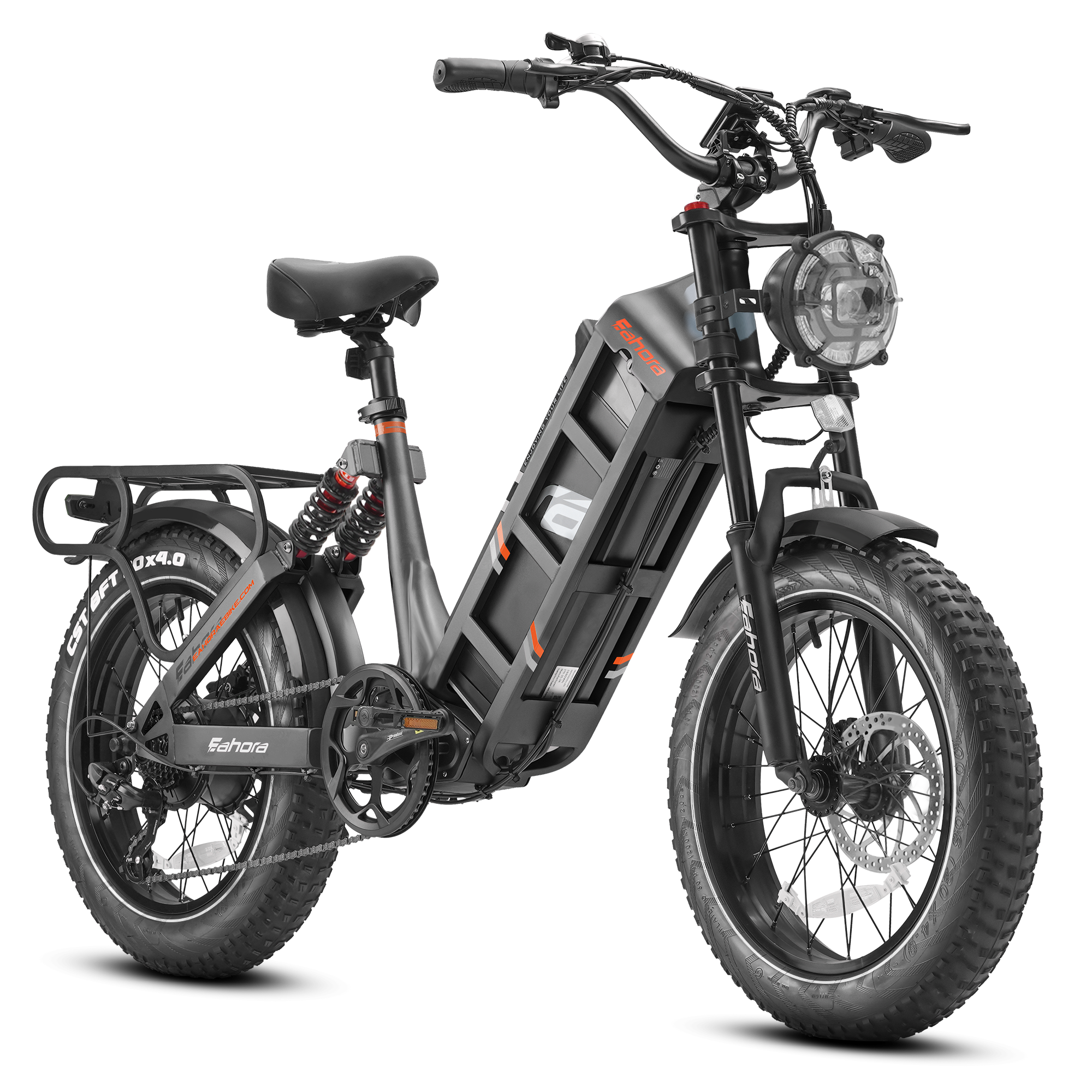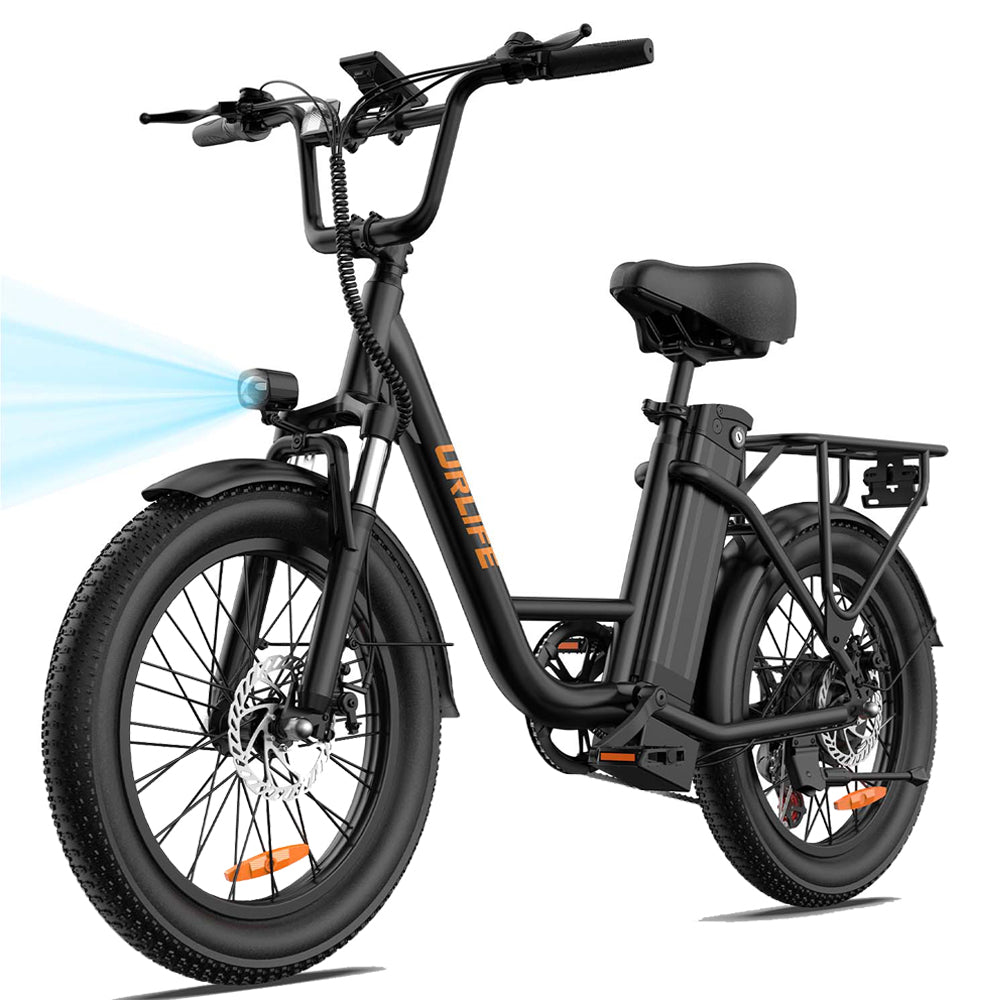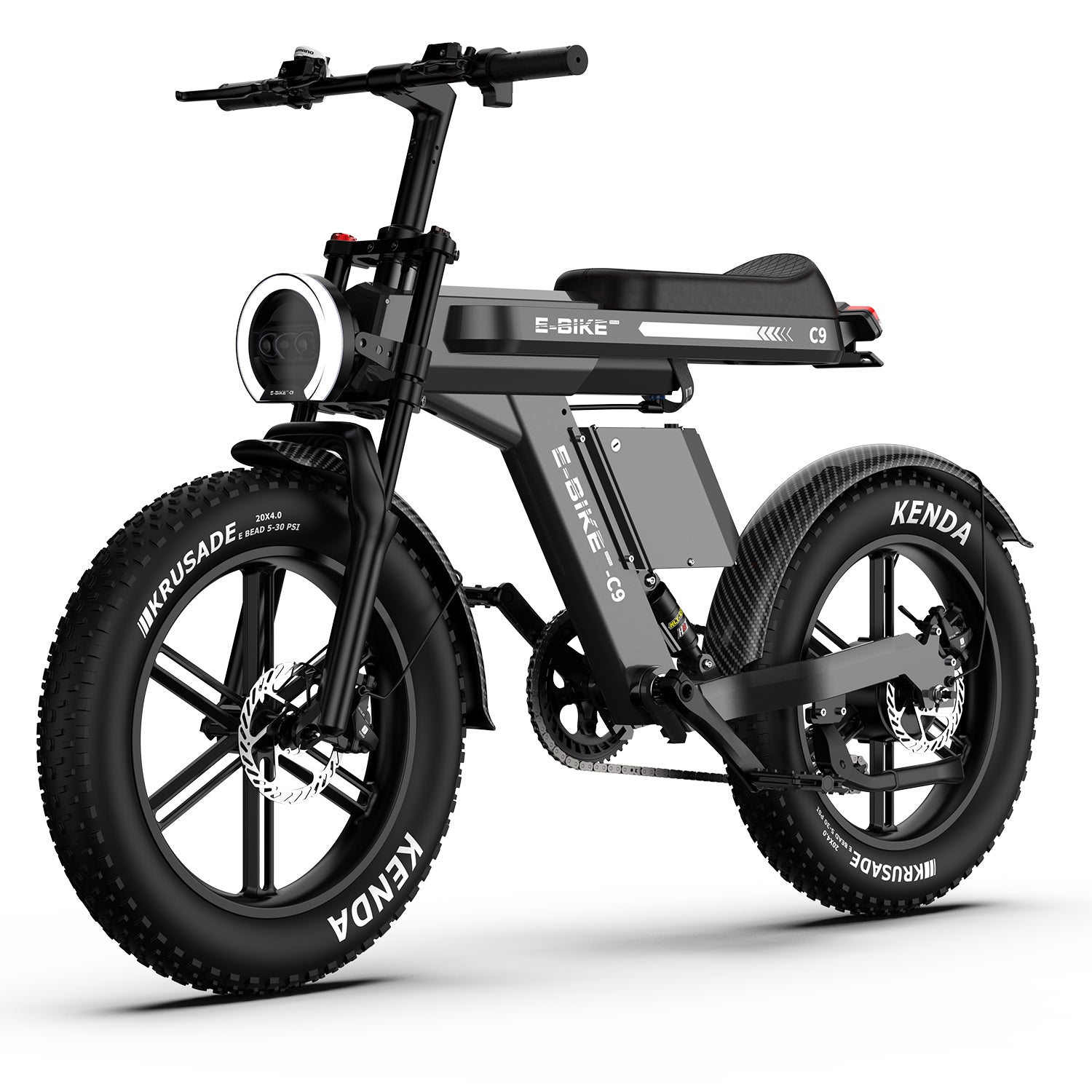

Zmiana w mobilności miejskiej już następuje
W wielu miastach coraz częściej pojawiają się polityki mające na celu zmniejszenie ruchu samochodowego. Ograniczenia dotyczące parkowania, strefy niskiej emisji i obszary wolne od samochodów zmieniają sposób, w jaki ludzie poruszają się po miastach.
Chociaż zmiany te są często wprowadzane stopniowo, ich wpływ na codzienne podróże jest natychmiastowy.
Dlaczego miasta ograniczają dostęp samochodom
Korki miejskie, obawy dotyczące jakości powietrza i ograniczona przestrzeń skłaniają miasta do przemyślenia sposobu wykorzystania ulic. Zamiast priorytetowo traktować samochody, wiele planów urbanistycznych koncentruje się teraz na pieszych, rowerach i transporcie publicznym.
Ta zmiana dotyczy nie tylko zrównoważonego rozwoju. Chodzi również o to, aby miasta stały się bardziej efektywne i sprzyjające życiu.
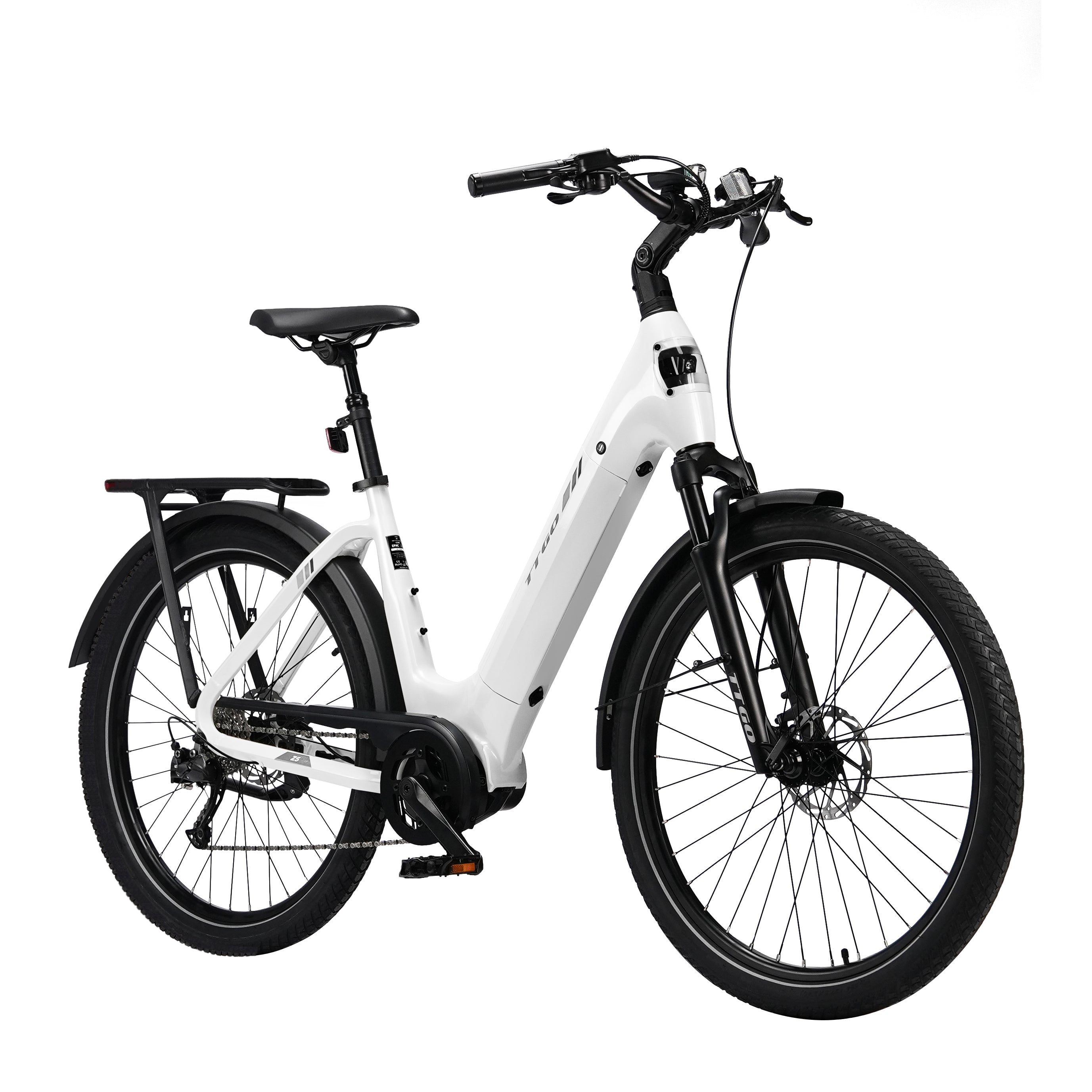
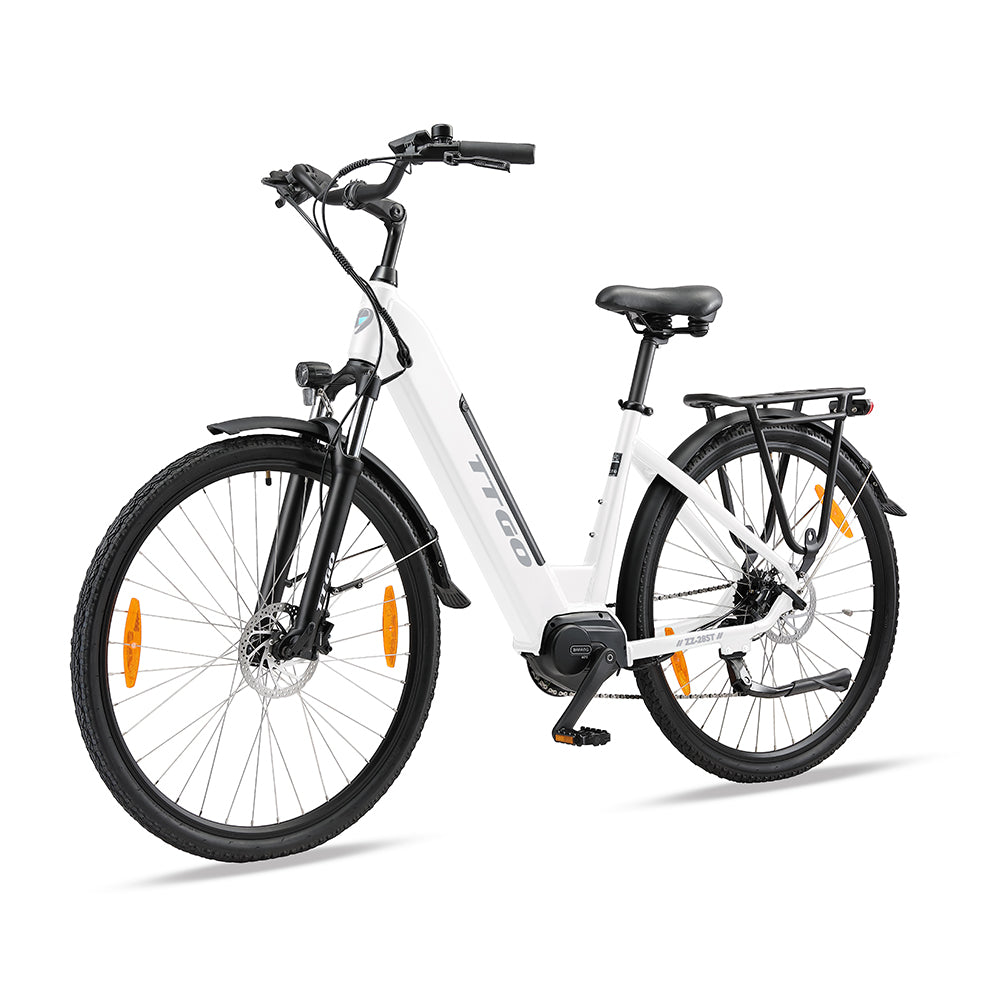
Rowery elektryczne pasują do nowego modelu
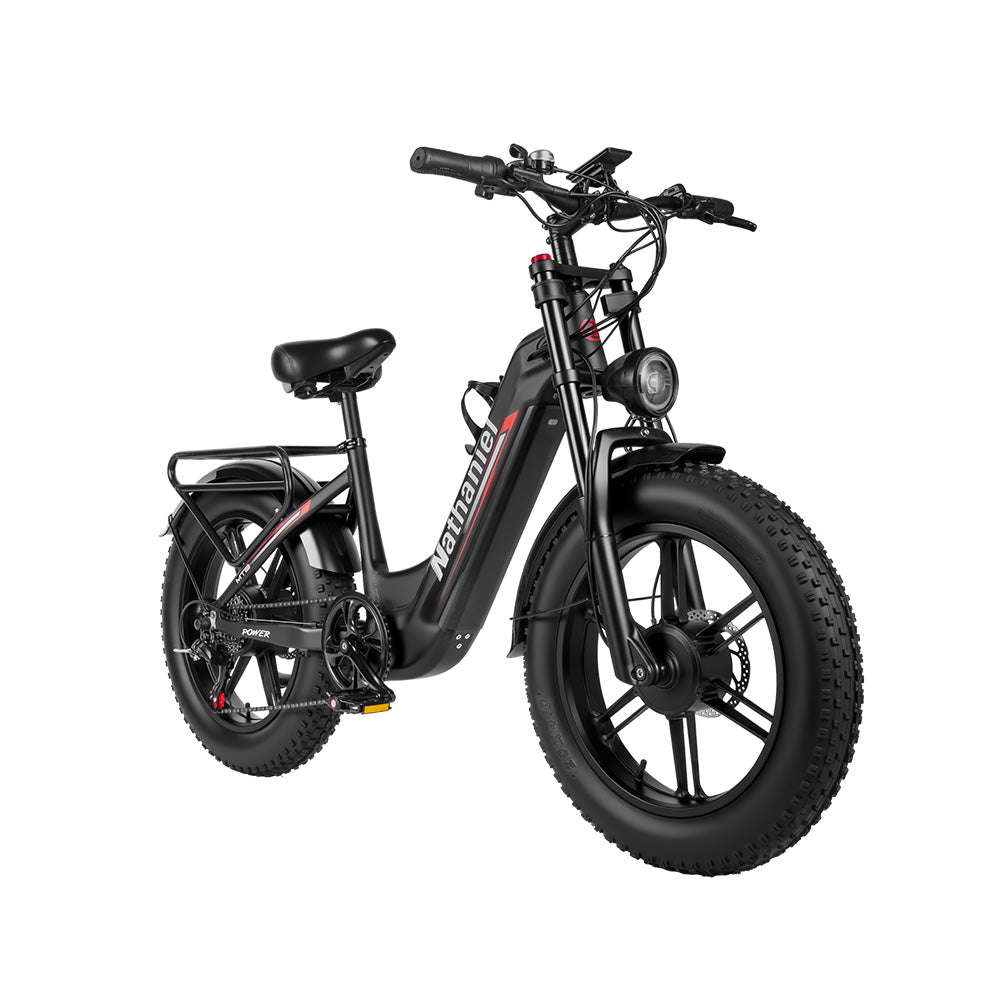
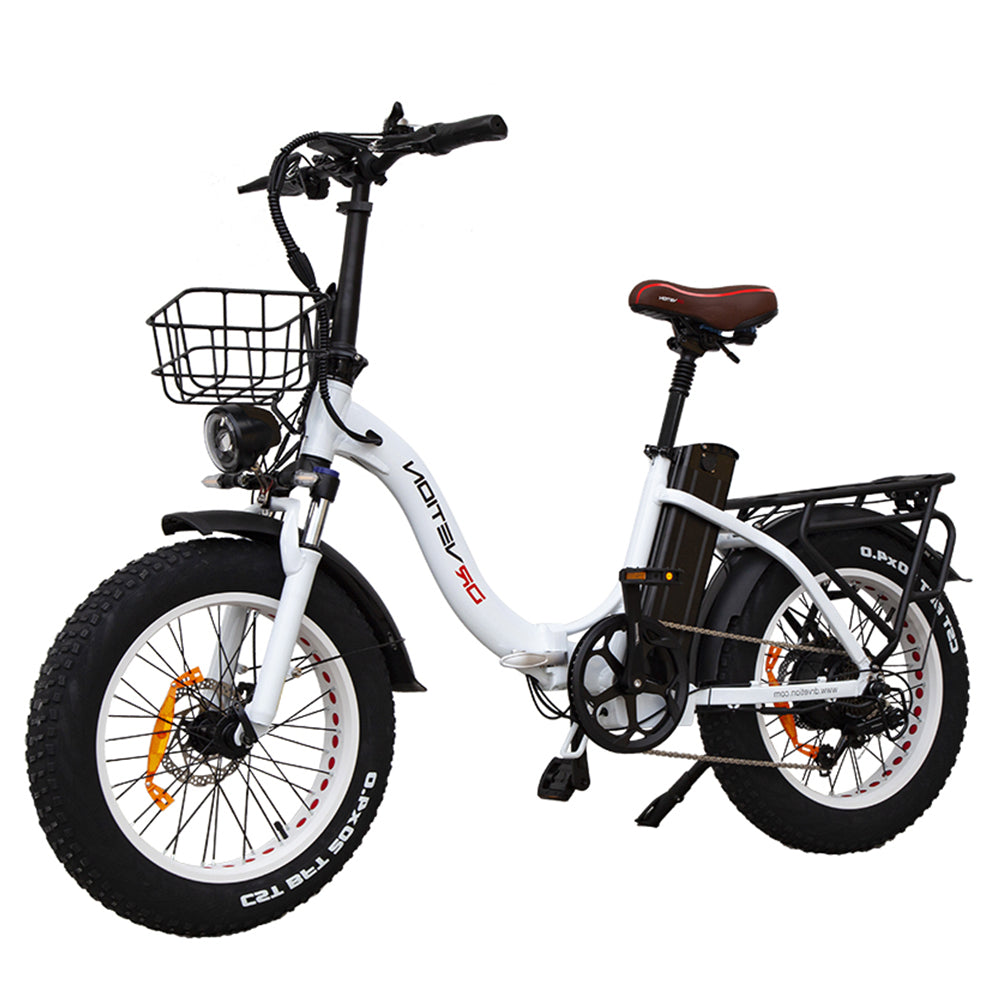
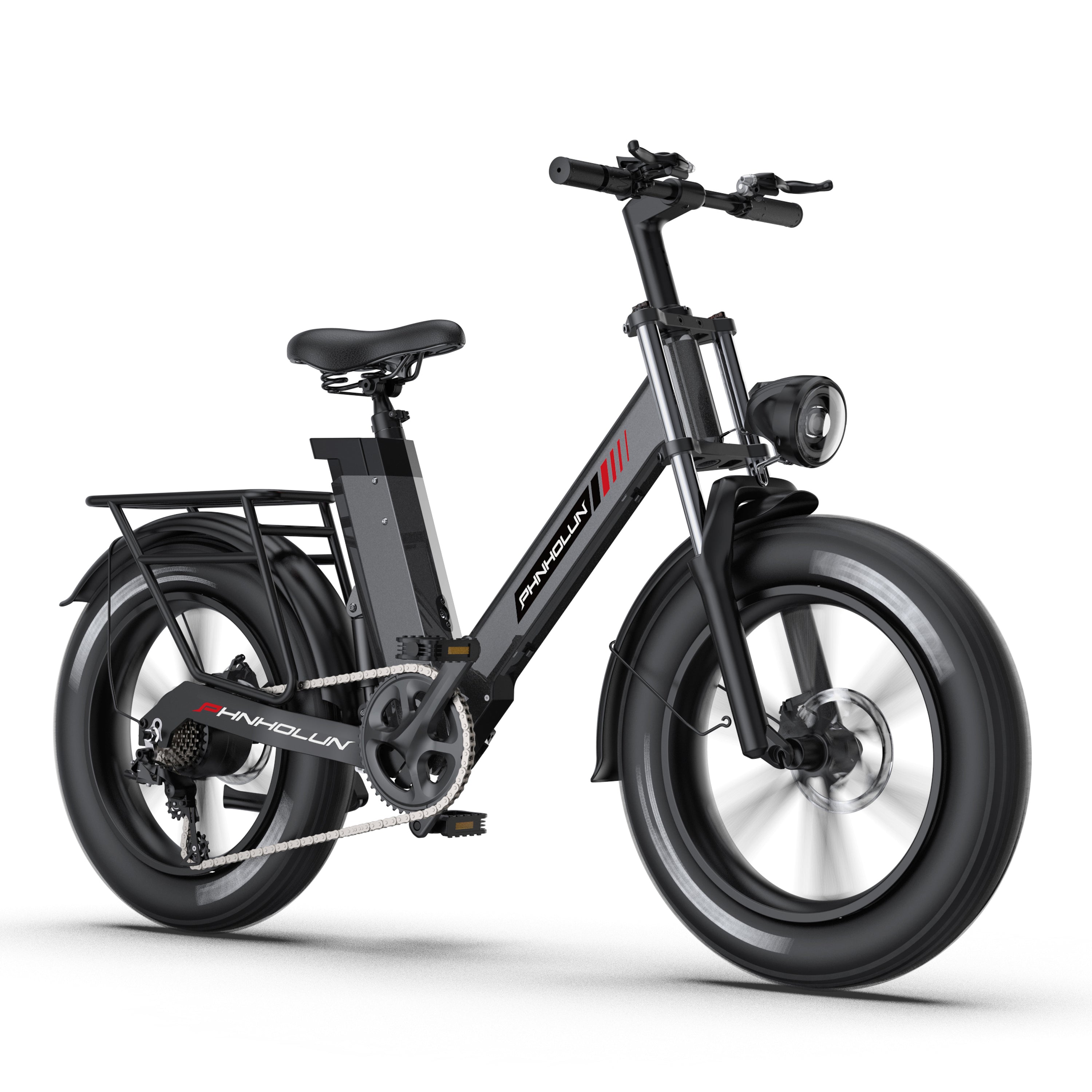
Rowery elektryczne są w wyjątkowej pozycji, aby skorzystać z tych zmian. Wymagają mniej miejsca niż samochody, mogą korzystać z dedykowanej infrastruktury rowerowej i oferują większą elastyczność niż transport publiczny.
W miarę jak miasta stają się mniej przyjazne samochodom, rowery elektryczne stają się bardziej praktyczne do codziennych podróży.
Od opcji do konieczności
W wielu przypadkach rowery elektryczne to już nie tylko alternatywa. Na niektórych trasach i w określonych wzorcach dojazdów stają się najbardziej efektywną dostępną opcją.
Ta zmiana jest już widoczna w codziennych zachowaniach dojazdowych, gdzie rowerzyści przedkładają przewidywalność i elastyczność nad tradycyjną własność samochodu.
Co to oznacza dla rowerzystów
W miarę jak środowiska miejskie będą się zmieniać, rowerzyści mogą odkryć, że rowery elektryczne oferują coraz większe korzyści pod względem czasu, kosztów i dostępności.
Zrozumienie, w jaki sposób nawyki jazdy dostosowują się do tych zmian, może pomóc użytkownikom w podejmowaniu lepszych decyzji dotyczących poruszania się po miastach.