
A Practical Electric Scooter Guide for European Riders
Electric scooters have become a practical choice for short city trips, daily commuting, apartment living, and mixed urban mobility. For many European riders, an electric scooter is easier to store than an electric bike, faster than walking, and more flexible than waiting for public transport.
But choosing the right electric scooter is not only about speed or motor power. A good scooter should match your route, storage space, riding confidence, local rules, comfort needs, and maintenance habits.
This electric scooter buying, riding, and maintenance guide is designed for European riders who want a reliable daily mobility option, whether for commuting, errands, weekend rides, or short-distance travel.
Start With Your Main Riding Purpose
Before comparing specifications, start with one simple question: how will you actually use the scooter? A scooter for short city errands does not need the same setup as a scooter for long daily commuting or steep routes.
For Short City Trips
If your rides are usually under 5 km, you may care more about folding size, easy storage, light handling, and braking confidence than maximum range. A foldable electric scooter for apartment living should be simple to move, park, and store after each ride.
For Daily Commuting
If you ride to work or school several times a week, range, tire comfort, suspension, lights, braking, and weather preparation become more important. The best electric scooter for commuting in Europe is usually not the fastest one. It is the one that makes your daily route predictable.
For Weekend and Mixed Routes
If you ride on mixed roads, uneven pavement, park paths, or mild hills, you may need stronger motor support, better suspension, larger tires, and more battery capacity. In this case, comfort and control matter just as much as advertised range.
How to Choose an Electric Scooter for Adults
An electric scooter buying guide for adults should focus on real ownership, not only top speed. Adult riders often need a scooter that can handle body weight, work bags, uneven roads, daily folding, and repeated braking in traffic.
Motor Power
Motor power affects acceleration, climbing ability, and how easily the scooter maintains speed. A lower-powered scooter may be enough for flat city routes, while a stronger motor is more useful for hills, heavier riders, and faster acceleration from traffic lights.
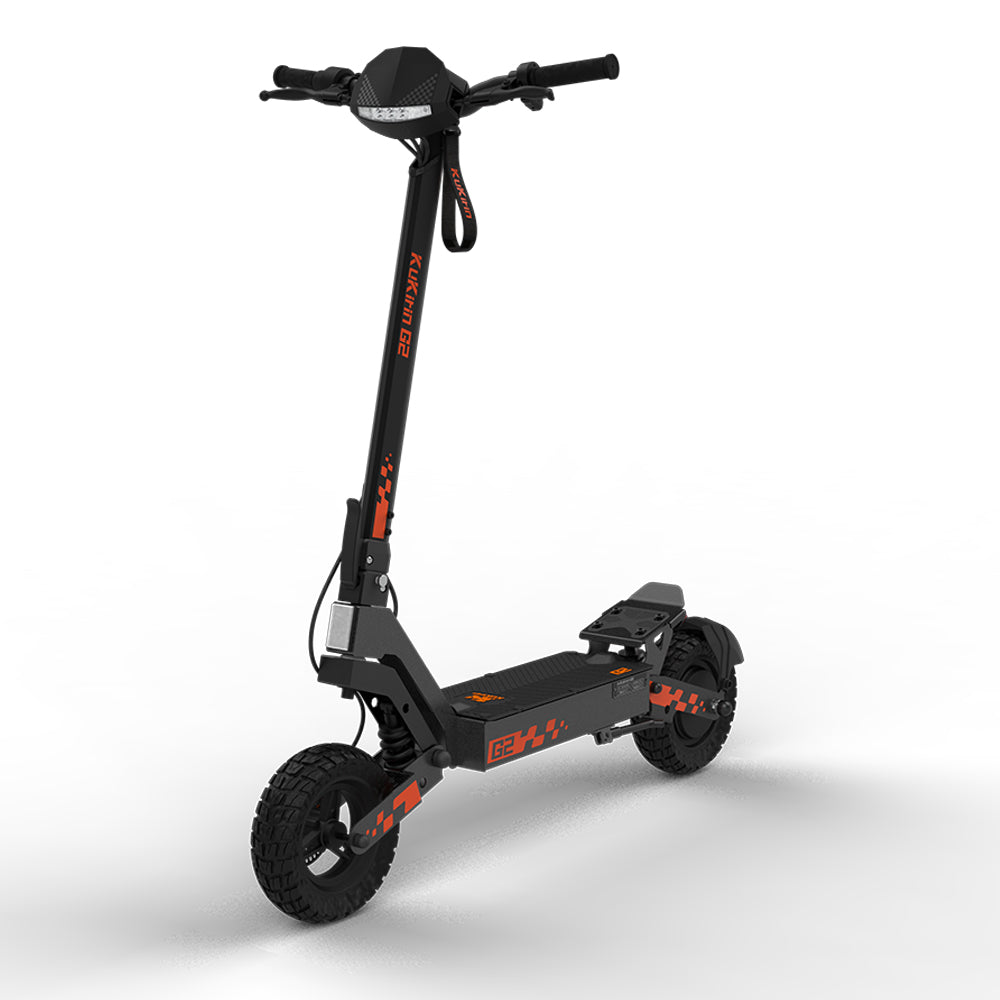
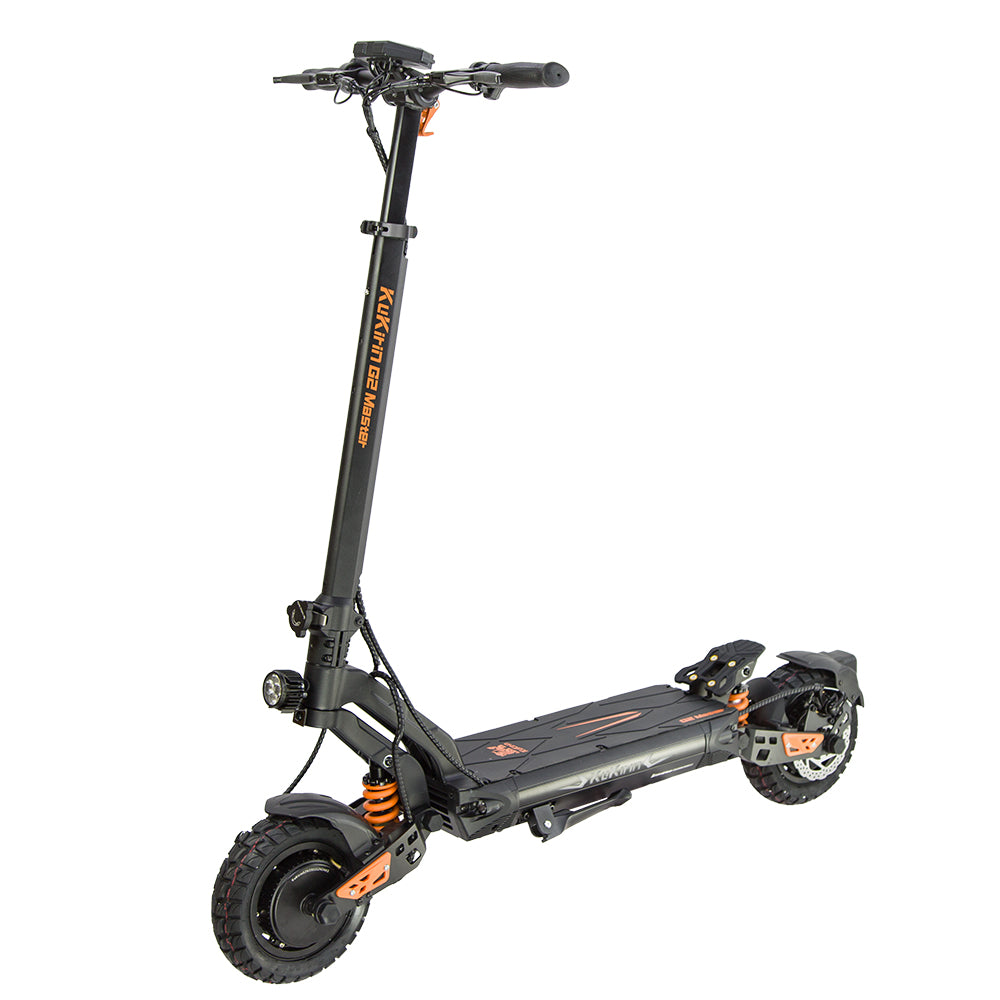
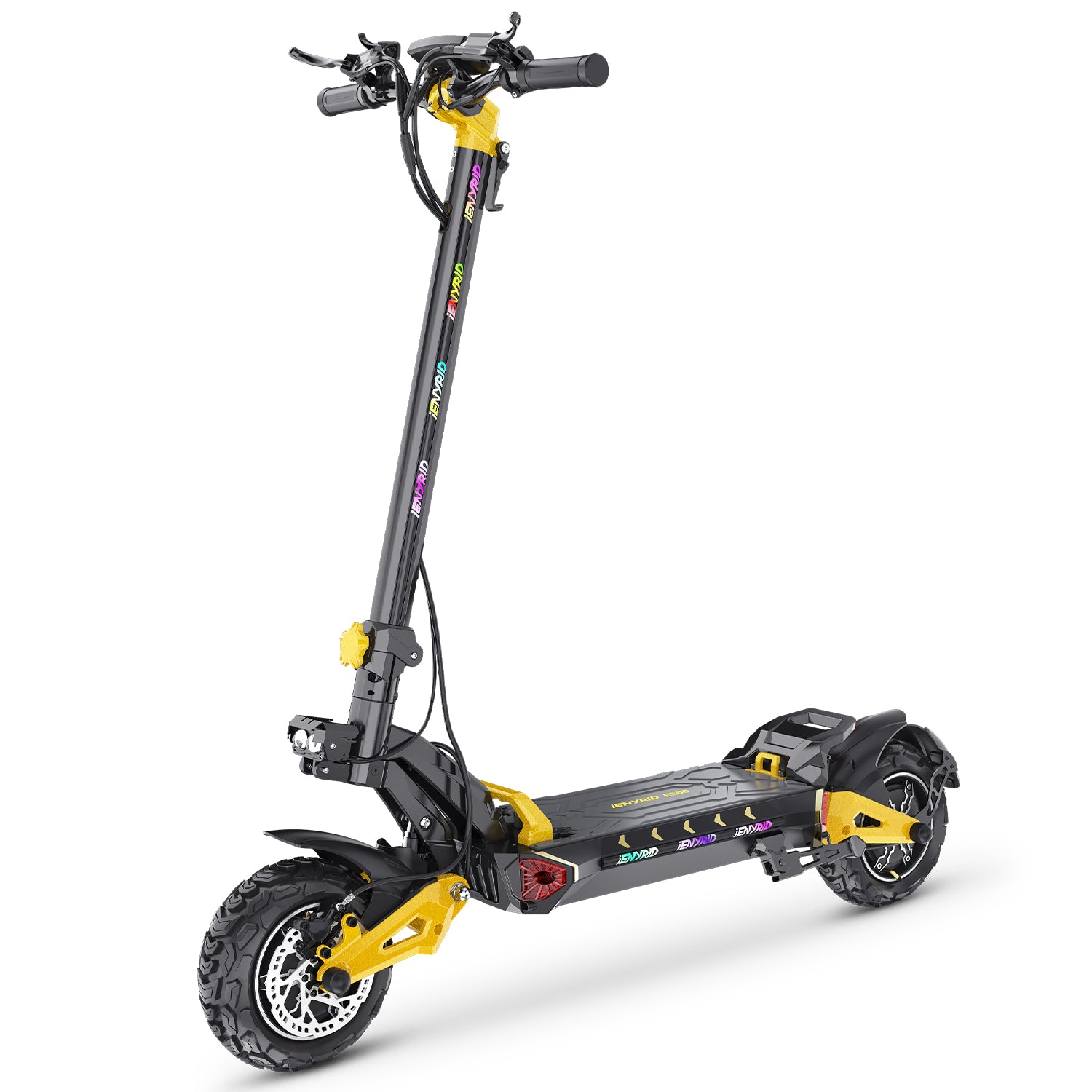
For example, the Kukirin G2 Electric Scooter uses a 48V 800W motor and is positioned as a strong single-motor option for commuting and daily riding. Riders who want more power can compare it with the Kukirin G2 Master Electric Scooter, which uses dual motors for stronger performance.
Battery and Range
Electric scooter range is one of the most searched buying factors, but it is also one of the most misunderstood. Advertised range is usually measured under controlled conditions. Real range depends on rider weight, speed mode, tire pressure, road surface, hills, temperature, and wind.
For daily commuting, choose a scooter with more range than your exact route requires. If your round trip is 20 km, do not choose a scooter that only barely covers 20 km. A battery margin makes daily use less stressful.
Tire Size
Tire size affects comfort and stability. Many riders search for 10 inch electric scooter tires because they often feel more stable than smaller wheels. Larger tires can roll more smoothly over uneven streets, small cracks, and rough bike lanes.
If your city has cobblestones, old pavement, tram tracks, or rough paths, tire size and tire pressure become very important. A scooter with 10-inch vacuum tires and suspension can feel much more comfortable than a basic small-wheel model.
Suspension
Suspension is easy to ignore until you ride on rough streets. Front and rear suspension can reduce vibration and improve comfort, especially for longer commutes. Hydraulic suspension usually feels more controlled than basic spring suspension, but it can also add weight and cost.
Folding and Storage
A foldable electric scooter is especially useful for apartment riders, office workers, and people with limited storage space. Before buying, check folded dimensions, total weight, handlebar width, and whether you need to carry it upstairs every day.
If storage is your main concern, you can also compare similar ownership issues in this small-space electric bike storage guide. The storage logic is similar: the best vehicle is the one you can realistically store and use every day.
Electric Scooter Riding Tips for Beginners
A good electric scooter is only part of the experience. Riding habits also affect safety, comfort, and long-term scooter condition. Beginners should focus on smooth control before trying higher speed modes.
Start in a Lower Speed Mode
Use the lowest or middle speed mode when learning a new scooter. This helps you understand throttle response, braking distance, turning feel, and balance. Higher speed modes should only be used when you are comfortable with the scooter and the riding environment allows it.
Brake Early and Smoothly
Electric scooters have smaller wheels than bicycles, so sudden braking can feel different. Brake earlier than you would on a bike, especially on wet roads, downhill routes, or loose surfaces. Use steady pressure instead of grabbing the brake aggressively.
Avoid Sharp Turns at Speed
Scooters are convenient, but they require careful handling. Slow down before turning, keep both hands on the handlebar, and avoid sudden movements. This is especially important on narrow bike lanes or crowded city paths.
Check Local Rules Before Riding
Electric scooter rules vary across Europe. Speed limits, riding areas, age requirements, insurance rules, and public road access can differ by country or city. Before using a scooter on public roads, check local regulations and use legal riding modes where required.
Electric Scooter Range Explained
Many riders search for electric scooter range explained because real-world range often feels lower than the number shown on a product page. This does not always mean the scooter has a problem. Range is affected by many normal riding conditions.
Factors That Reduce Range
High speed mode, frequent acceleration, heavy rider weight, low tire pressure, cold weather, strong wind, hills, and rough roads can all reduce battery range. If you use full power often, the battery will drain faster.
How to Ride for Better Range
Use moderate speed, accelerate smoothly, keep tires correctly inflated, avoid unnecessary hard braking, and charge regularly. For commuting, it is usually better to ride consistently than to switch between full acceleration and hard braking.
When to Choose a Longer-Range Scooter
Choose a longer-range scooter if your daily route is over 20 km, includes hills, or requires repeated trips during the day. A larger battery can also be useful if you do not want to charge every night.
Electric Scooter Maintenance Checklist
A simple electric scooter maintenance checklist helps prevent small issues from becoming expensive problems. For daily riders, maintenance should be easy enough to repeat regularly.
Before Each Ride
Check the brakes: Make sure the scooter stops firmly and evenly.
Check tire condition: Look for low pressure, visible damage, or objects stuck in the tire.
Check lights: Make sure headlights, taillights, and turn signals work before riding in low light.
Check folding lock: If your scooter is foldable, confirm that the locking mechanism is secure before riding.
Weekly Maintenance
Clean dust and road dirt from the frame, deck, wheels, and brake area. Check screws, handlebar stability, brake feel, and tire pressure. If the scooter feels loose, noisy, or unstable, inspect it before continuing to ride.
Monthly Maintenance
Inspect brake pads, tire wear, suspension response, charging port condition, and cable routing. A scooter used every day will wear faster than one used only on weekends.
How to Maintain an Electric Scooter Battery
Battery care is one of the most important parts of electric scooter ownership. A well-maintained battery can keep range more stable and improve long-term reliability.
Avoid Full Drain Whenever Possible
Try not to fully drain the battery on every ride. Regular deep discharge can add stress over time. For daily use, charging before the battery becomes extremely low is usually a better habit.
Use the Correct Charger
Always use the charger supplied with the scooter or a compatible charger recommended by the seller. Incorrect chargers can damage the battery or create safety risks.
Store the Scooter in a Dry Place
Moisture, freezing temperatures, and direct heat can all affect battery health. Store the scooter indoors when possible, especially during winter or long periods of non-use.
Do Not Charge Immediately After Heavy Riding
If the scooter battery feels warm after a long or fast ride, allow it to cool before charging. This simple habit can reduce unnecessary stress on the battery system.
Electric Scooter Safety for City Commuting
A commuter electric scooter should have more than power. It should also support safe, predictable riding. Lights, brakes, tires, suspension, and display visibility all affect city riding confidence.
Good Lighting Matters
Headlights and taillights help others see you. Turn signals are also useful in traffic because they make your movement more predictable. If you ride after sunset, reflective clothing or accessories can improve visibility.
Braking Distance Changes With Conditions
Wet pavement, downhill routes, worn tires, and loose surfaces can increase braking distance. Always leave more space than you think you need, especially in traffic or crowded areas.
Wear Protective Gear
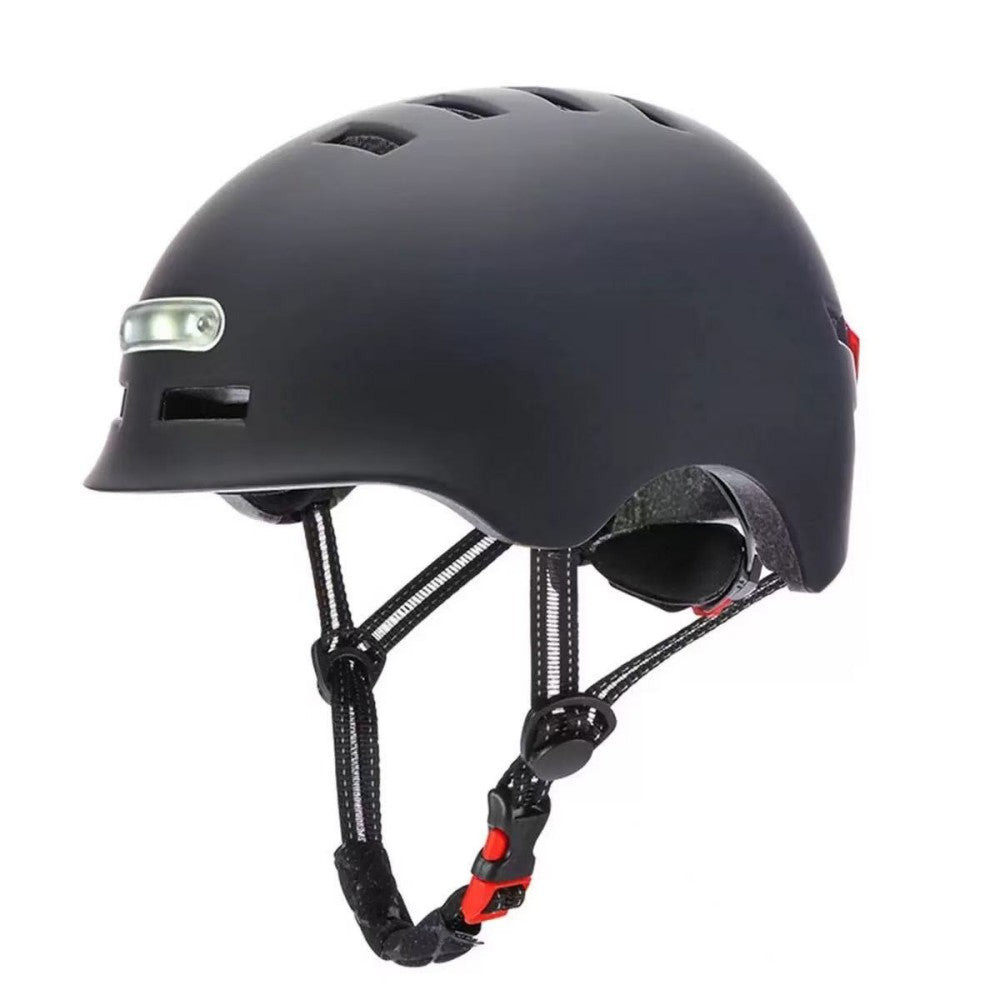
A helmet is strongly recommended, even when local rules do not require one. Gloves, visible clothing, and sturdy shoes can also improve comfort and safety during daily rides.
Electric Scooter vs Electric Bike for Short Trips
Many riders compare an electric scooter vs electric bike for short trips. Both can work, but they solve different problems.
An electric scooter is usually easier to fold, store, and bring into an office or apartment. It can be a strong choice for short urban trips, mixed public transport routines, and riders with limited storage space.
An electric bike is usually more comfortable for longer rides, heavier loads, and routes where sitting and pedaling feel more natural. If you are comparing both options for daily commuting, you may also find this e-bike commuting checklist for European riders useful.
Recommended Electric Scooters by Rider Type
The best electric scooter depends on the rider. Instead of choosing only by speed, match the scooter to your actual route and storage situation.
For Balanced Daily Commuting: Kukirin G2
The Kukirin G2 Electric Scooter is a strong option for riders who want a practical balance of motor power, range, folding design, 10-inch tires, suspension, and city riding features. It is suitable for riders who want more performance than an entry-level scooter without moving into a heavier dual-motor setup.
For More Power and Longer Rides: Kukirin G2 Master
The Kukirin G2 Master Electric Scooter is better suited to riders who want dual-motor acceleration, stronger hill support, longer range, and a more performance-focused ride. It is heavier, so it makes more sense for riders who value power more than daily carrying convenience.
How to Decide Between Them
Choose the G2 if you want a more balanced commuter scooter for city use. Choose the G2 Master if you need more power, stronger climbing ability, and longer range. If you are not sure, compare your real route first: distance, hills, storage, stairs, and how often you need to carry the scooter.
Common Electric Scooter Buying Mistakes
Only Looking at Top Speed
Top speed gets attention, but it is not the most important feature for most riders. Braking, range, tire comfort, folding size, and local legal use often matter more for daily ownership.
Ignoring Weight
A powerful scooter can also be heavy. If you need to carry it upstairs every day, weight may become a bigger issue than motor power. Always check net weight before buying.
Forgetting Maintenance
Every electric scooter needs maintenance. Tires, brakes, battery, folding joints, lights, and screws all need attention. A scooter that is easy to inspect and maintain will usually be better for daily use.
Not Checking Local Rules
Electric scooter rules are not the same everywhere in Europe. Before choosing a scooter, check where you can ride it, what speed limit applies, and whether insurance, registration, or safety equipment is required locally.
Final Thoughts
A good electric scooter should match your daily life. For European riders, the best choice depends on commuting distance, storage space, road conditions, legal riding limits, and maintenance habits.
If you want a balanced scooter for commuting and city rides, the Kukirin G2 is a practical place to start. If you want more power, longer range, and dual-motor performance, the Kukirin G2 Master is worth comparing.
The smartest buying decision is not choosing the scooter with the biggest number. It is choosing the scooter you can ride, store, charge, and maintain consistently.