
Why Cold Weather Changes E-Bike Commuting
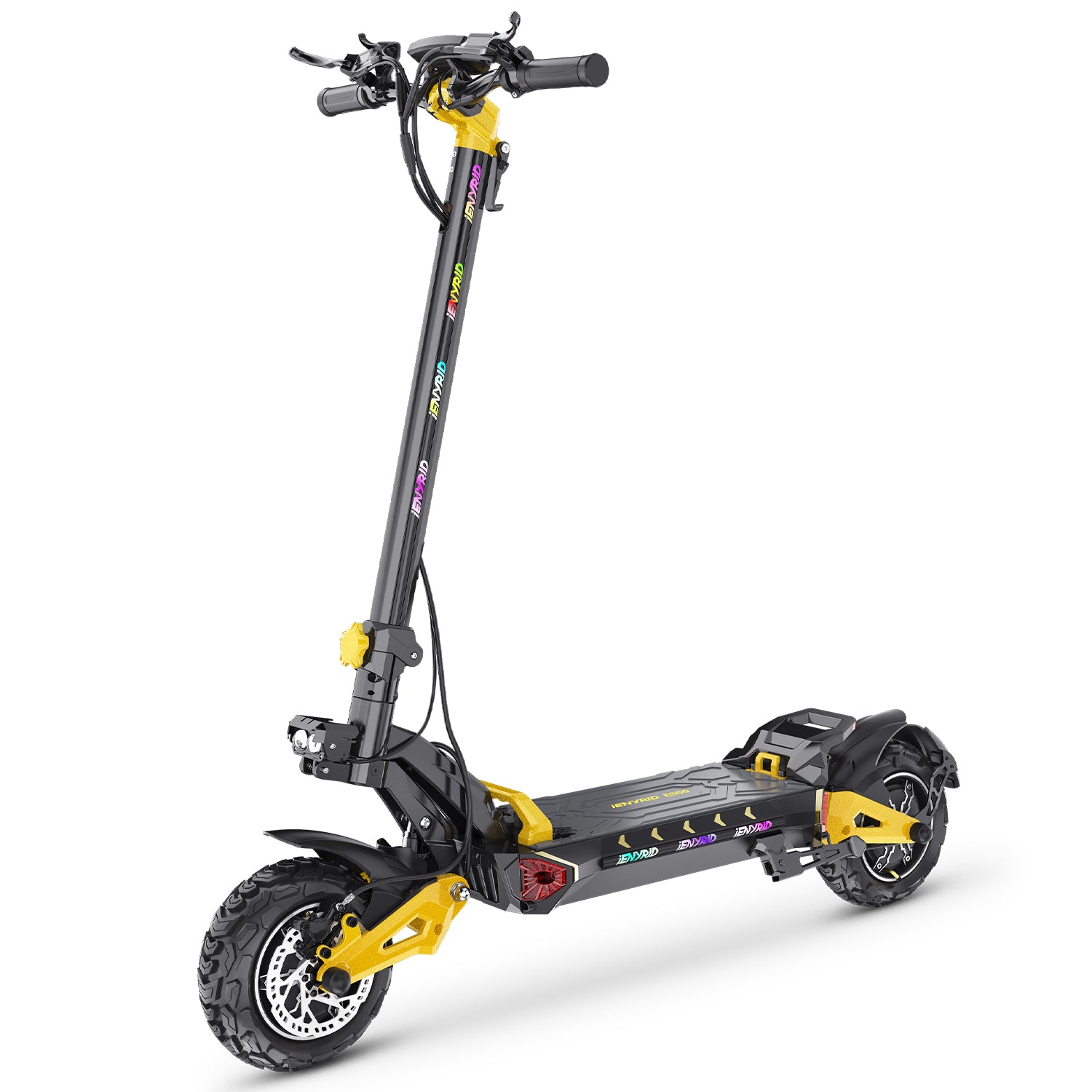
Cold weather does not mean you have to stop riding your electric bike. Many riders continue commuting through autumn and winter, especially for short city routes, errands, and daily transport. But colder temperatures, wet roads, shorter daylight hours, and lower battery efficiency all change how an e-bike should be prepared.
A cold-weather e-bike routine should focus on battery care, tyre pressure, lighting, braking, cleaning, storage, and rider comfort. These small checks can make daily commuting safer, smoother, and more predictable when the weather becomes less ideal.
Start With Battery Expectations
Battery range often feels shorter in cold weather. This does not always mean the battery is damaged. Lower temperatures can reduce battery efficiency, especially when the bike is stored outside or used in high assist levels during cold rides.
If your normal commute uses half the battery in mild weather, it may use more during winter. Plan extra battery margin and avoid starting a long cold-weather ride with a very low charge.
Cold Weather Battery Tips
Store the battery indoors when possible.
Avoid charging a very cold battery immediately after a freezing ride.
Start rides with more battery margin than you need in summer.
Use moderate assist levels to improve range consistency.
For more detailed battery advice, read this guide on making your e-bike battery last longer in cold weather.
Check Tyre Pressure More Often
Tyre pressure can drop as temperatures fall. Underinflated tyres can make the bike feel slower, reduce range, increase rolling resistance, and affect handling. This matters even more for commuters who ride daily in cold and wet conditions.
Check tyre pressure regularly with a gauge instead of judging by appearance. Follow the recommended range printed on the tyre sidewall or provided by the manufacturer. Fat tire e-bikes, folding e-bikes, cargo e-bikes, and city commuter models all benefit from correct pressure.
For a complete routine, read this electric bike tyre pressure guide.
Make Lights and Visibility a Priority
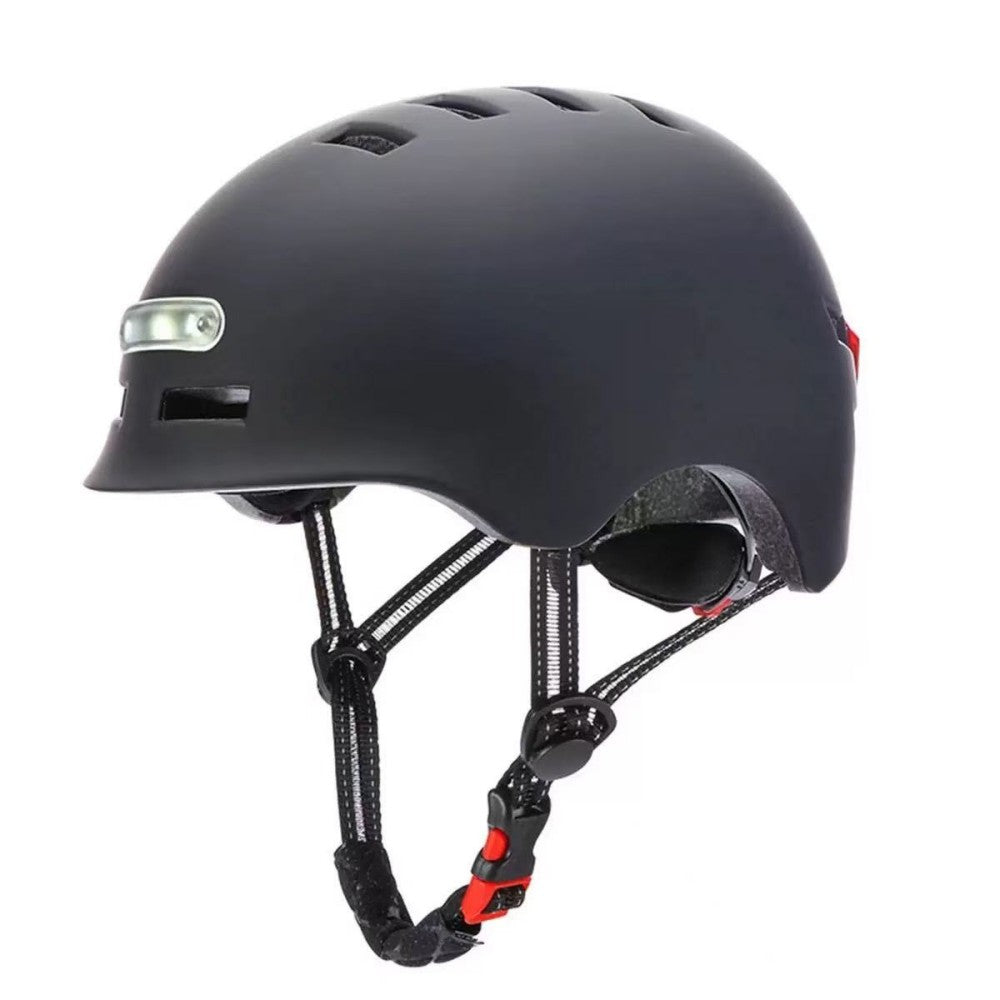
Shorter days make lighting more important. Many riders leave home in the dark or return after sunset during colder months. Before riding, check that the headlight, taillight, brake light, turn signals, and reflectors are working properly.
Visibility is not only about seeing the road. It is also about being seen by drivers, pedestrians, and other cyclists. Clean lights regularly because mud, rain, and road spray can reduce brightness.
If your bike has electrical lighting, display, or smart controls, read this guide on maintaining e-bike lights and electronics.
Inspect Brakes Before Wet or Cold Rides
Cold weather often brings wet roads, leaves, mud, and longer stopping distances. Whether your e-bike uses mechanical disc brakes or hydraulic brakes, brake feel should be checked before regular commuting.
Squeeze the brake levers before riding. They should feel responsive and consistent. Listen for new scraping, squealing, or rubbing sounds. If braking feels weaker than usual, inspect the pads, rotors, cables, or hydraulic system before continuing daily rides.
If you hear brake noise, read this electric bike disc brake noise guide.
Clean the Bike After Wet or Dirty Rides
Autumn and winter roads can leave more moisture and dirt on the bike. Road spray, mud, fallen leaves, and salt can collect around the chain, brakes, tyres, fenders, battery area, and frame joints.
You do not need a full wash after every ride, but a quick wipe-down helps. Focus on the drivetrain, brake area, charging port area, battery contacts, lights, and underside of the frame. Dry the bike before storage when possible.
Avoid pressure washing. Use a soft cloth, mild cleaner, and gentle water flow only where needed. For step-by-step advice, read this guide on how to wash an electric bike safely.
Protect the Charging Port and Charger
Wet weather makes charging port care more important. Before plugging in the charger, make sure the charging port is dry and clean. Never plug the charger into a wet port. If your bike has a rubber charging port cover, close it properly after each charge and before each ride.
The charger should also be stored indoors in a dry place. Avoid charging in damp outdoor areas, on wet floors, or near direct heat. Good charging habits help reduce electrical problems during the colder season.
For more detail, read this electric bike charger and charging port maintenance guide.
Adjust Your Riding Style for Cold Weather
Cold-weather riding should be smoother and more conservative. Accelerate gently, brake earlier, avoid sharp turns on wet leaves, and reduce speed on slippery surfaces. Even a powerful e-bike should be ridden carefully when the road surface is unpredictable.
If your bike has multiple assist levels, avoid relying on the highest assist mode all the time. Moderate assistance can help improve control and reduce battery drain. Smooth riding also helps tyres maintain better contact with the road.
Plan Storage Before Winter Gets Worse
Storage becomes more important in colder months. If possible, keep the bike in a dry indoor area, garage, bike room, or covered space. Long exposure to rain, freezing temperatures, and moisture can affect the battery, chain, bolts, cables, brakes, and electronics over time.
If you cannot store the full bike indoors, remove the battery when allowed by the bike design and store the battery separately in a dry indoor location. Keep the charger indoors as well.
For apartment riders, this small-space electric bike storage guide can help you create a more practical setup.
Cold Weather E-Bike Checklist
Start rides with extra battery margin.
Store the battery indoors when possible.
Check tyre pressure more often.
Test lights before early morning or evening rides.
Inspect brake feel before wet rides.
Wipe down the bike after muddy or rainy commutes.
Keep the charging port dry before plugging in.
Ride smoothly and brake earlier on slippery roads.
Final Thoughts
Cold weather commuting is easier when your electric bike is prepared. Battery care, tyre pressure, lights, brakes, cleaning, charging port protection, and storage all become more important as temperatures drop and roads become wetter.
With a simple routine, you can keep riding through colder months with more confidence. The goal is not to make winter riding complicated. It is to make every ride safer, smoother, and more reliable.