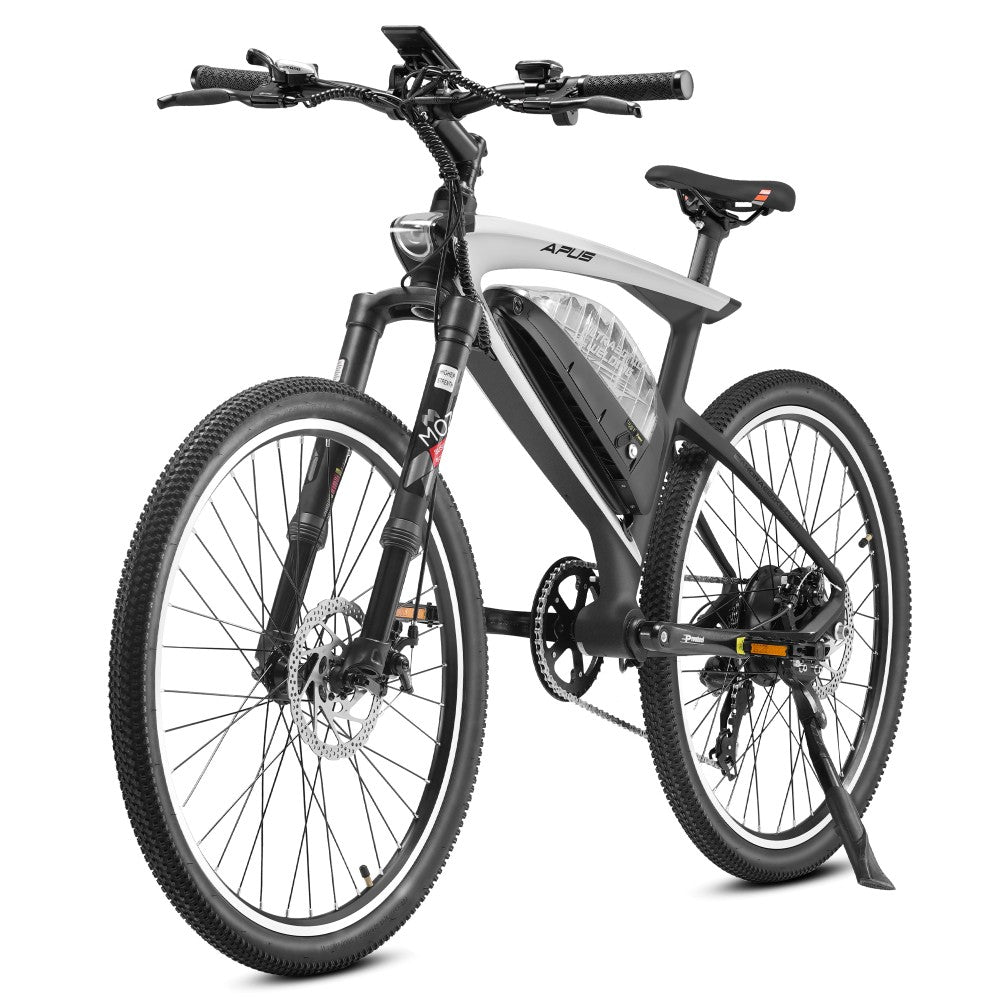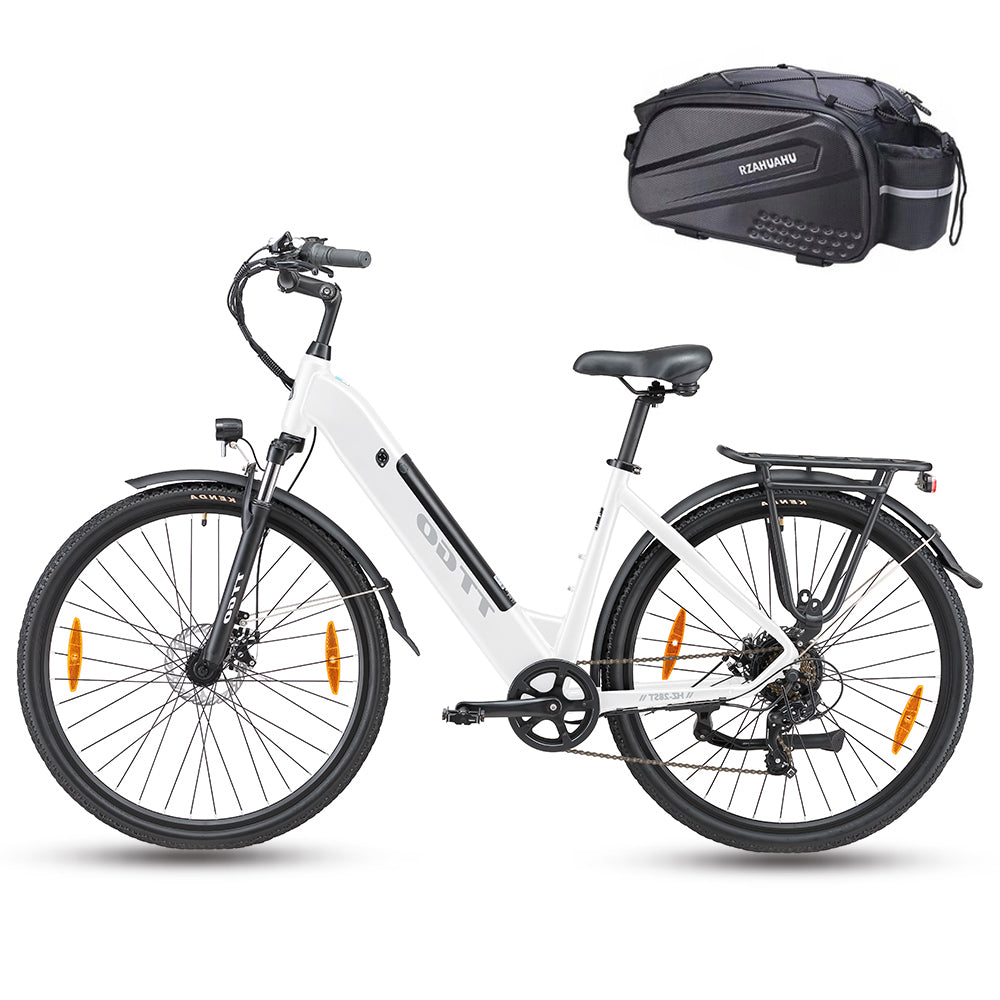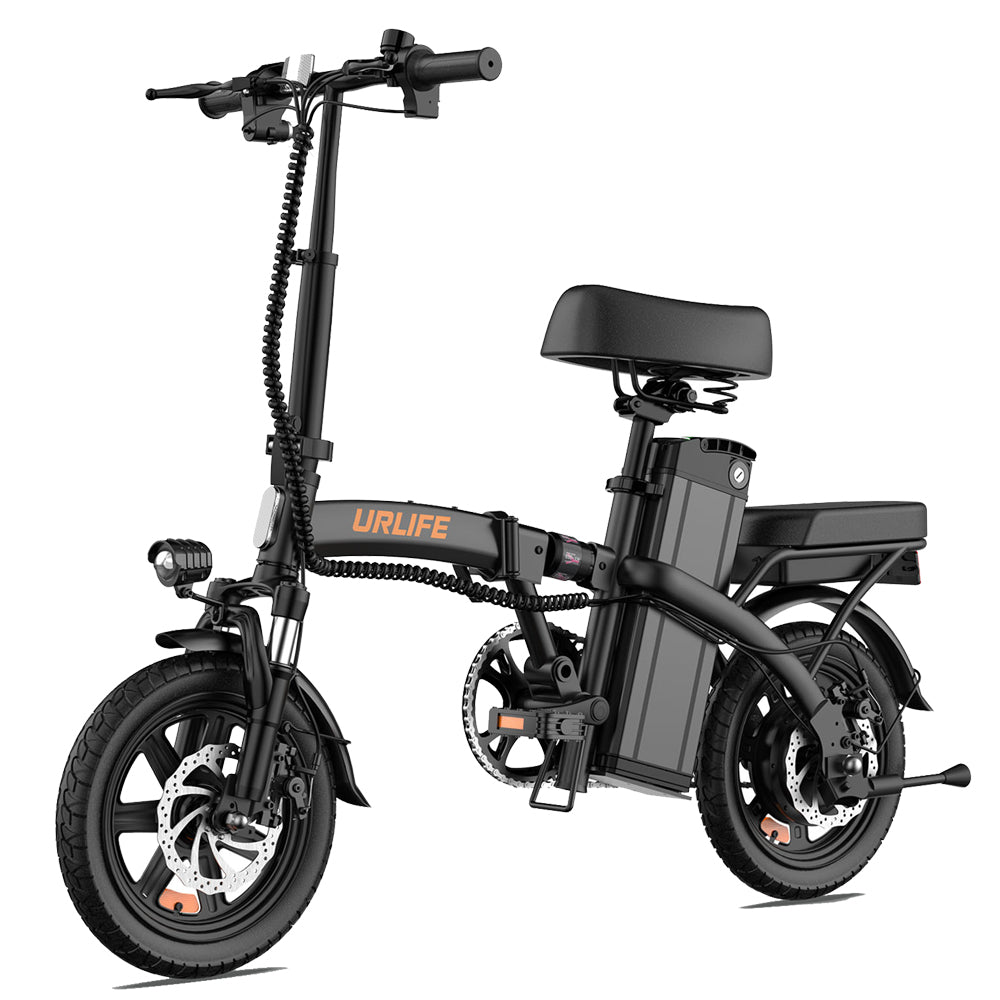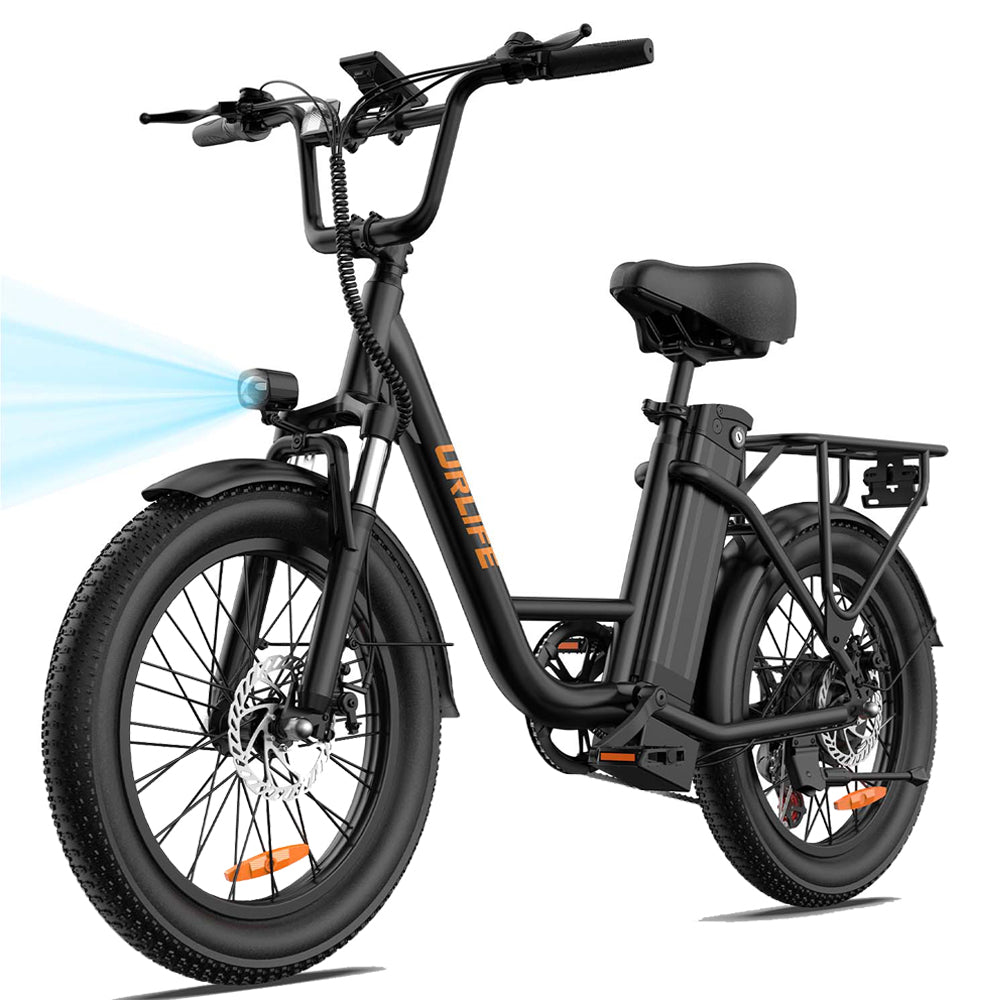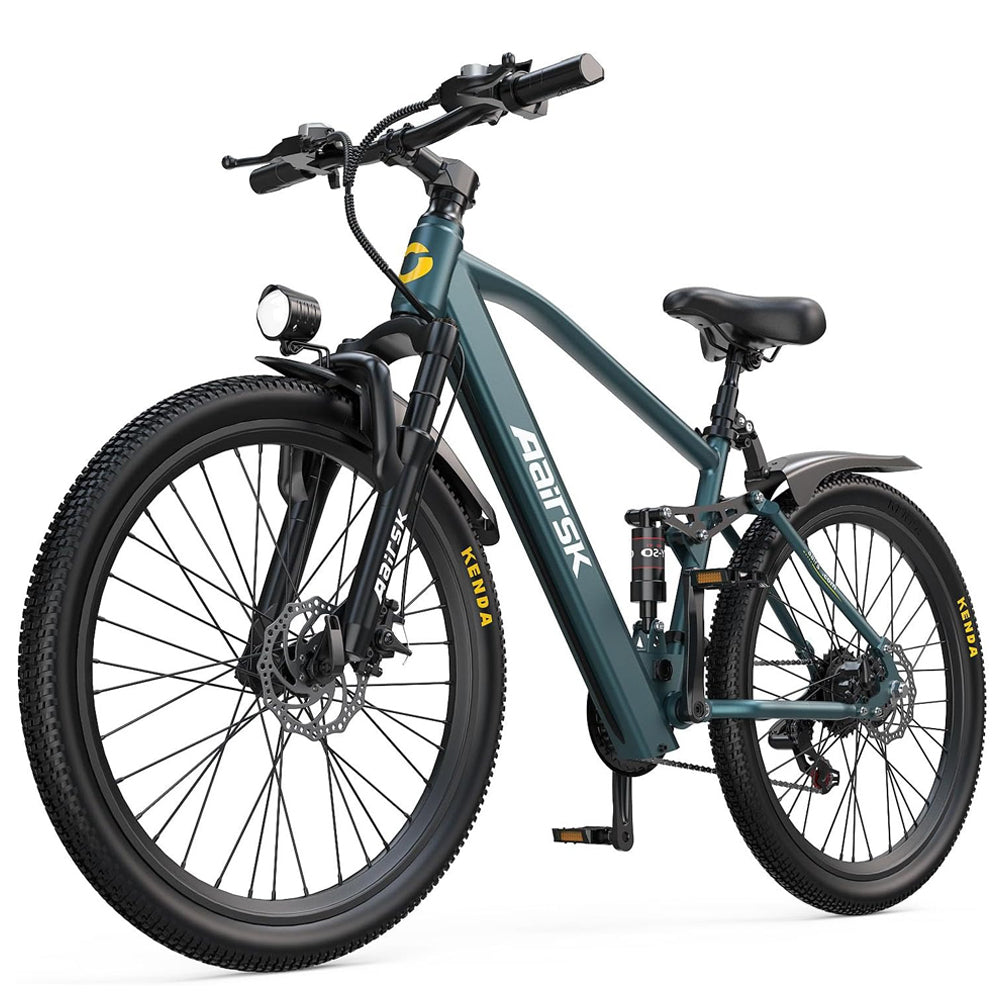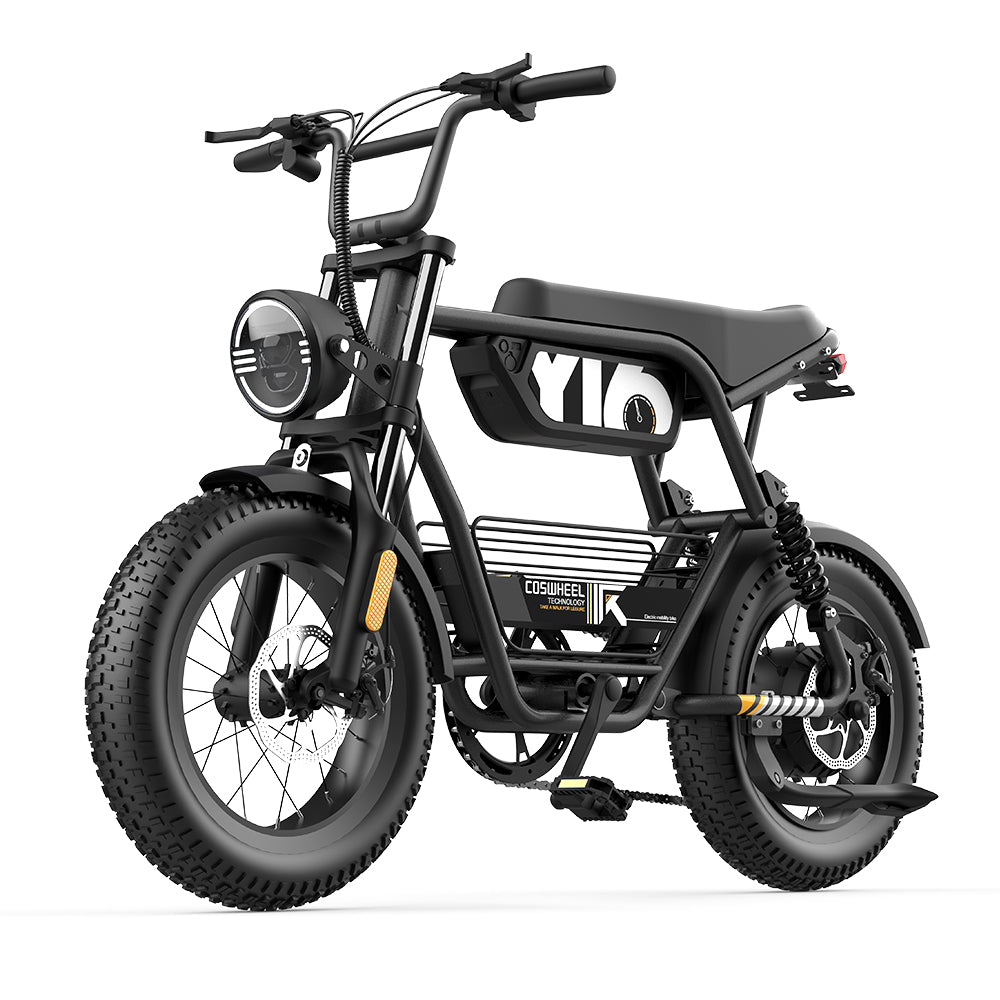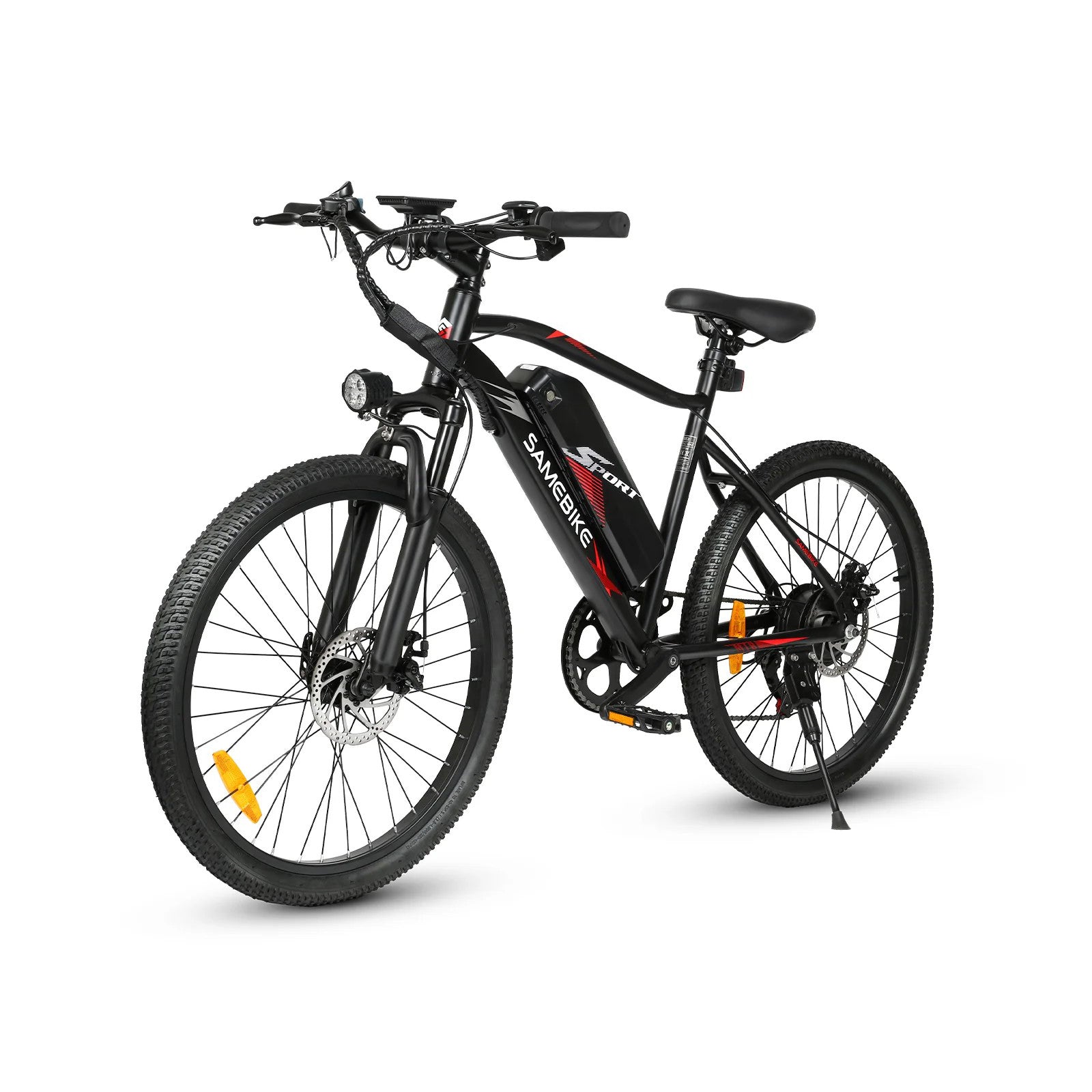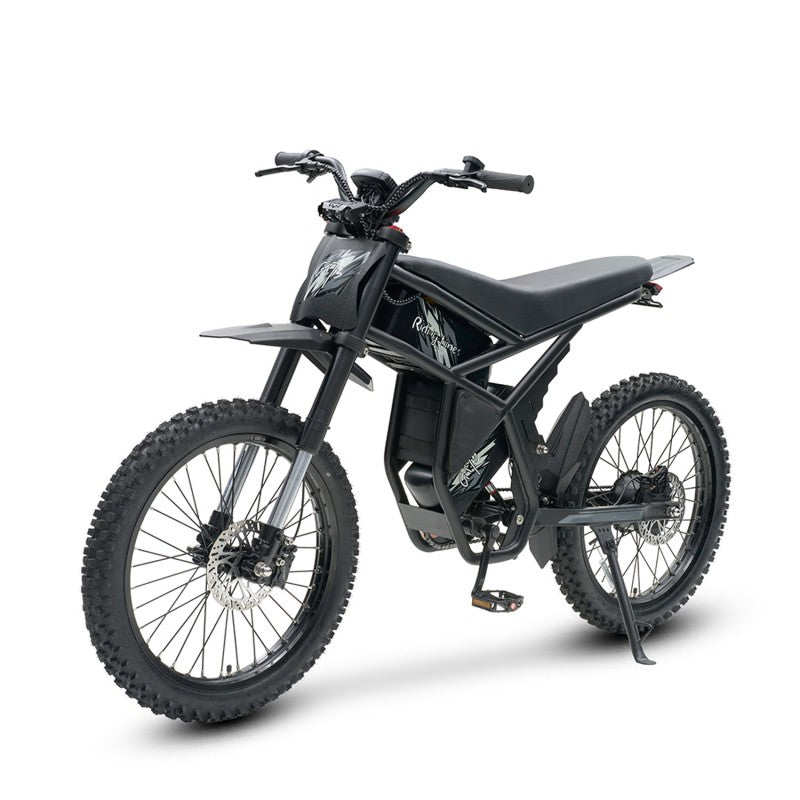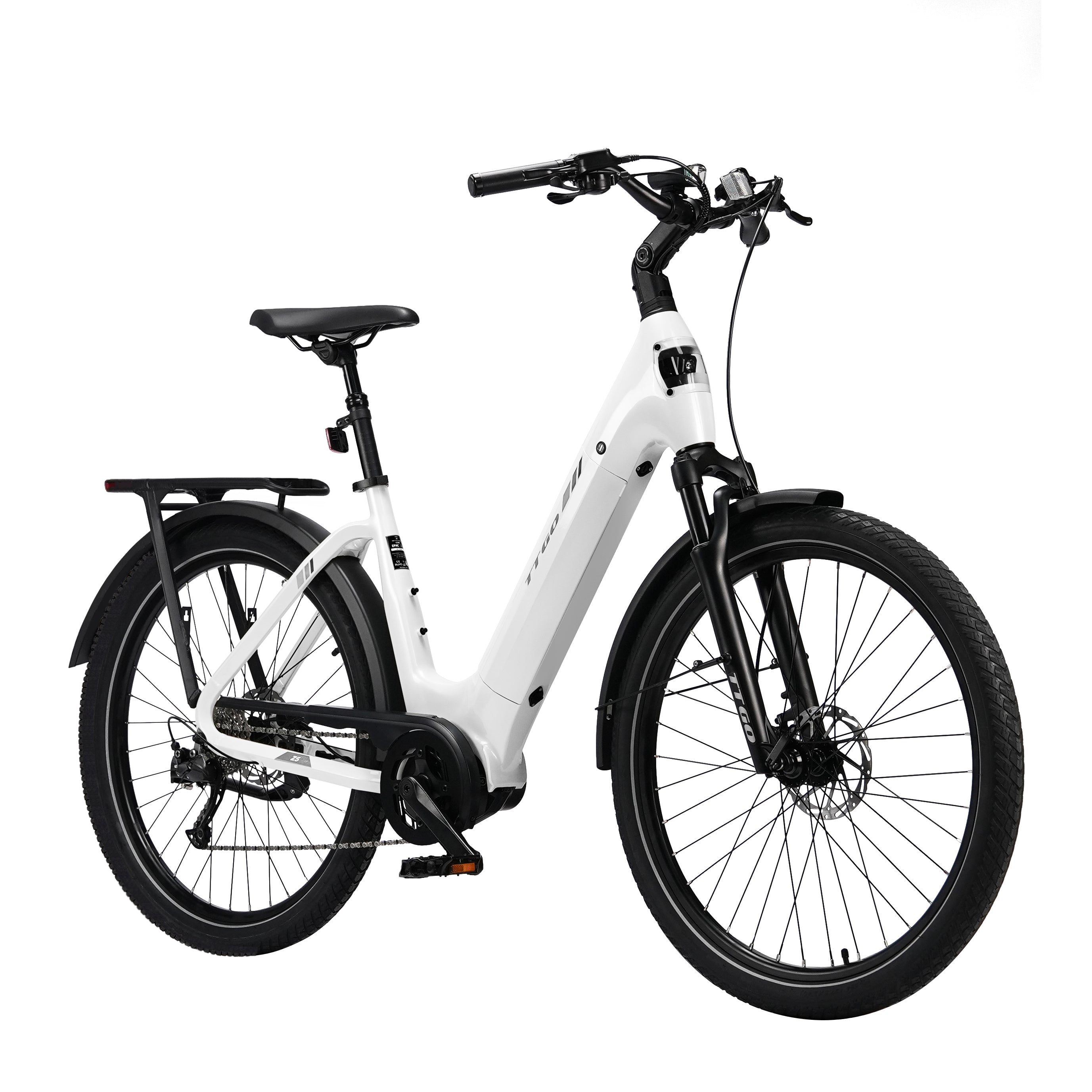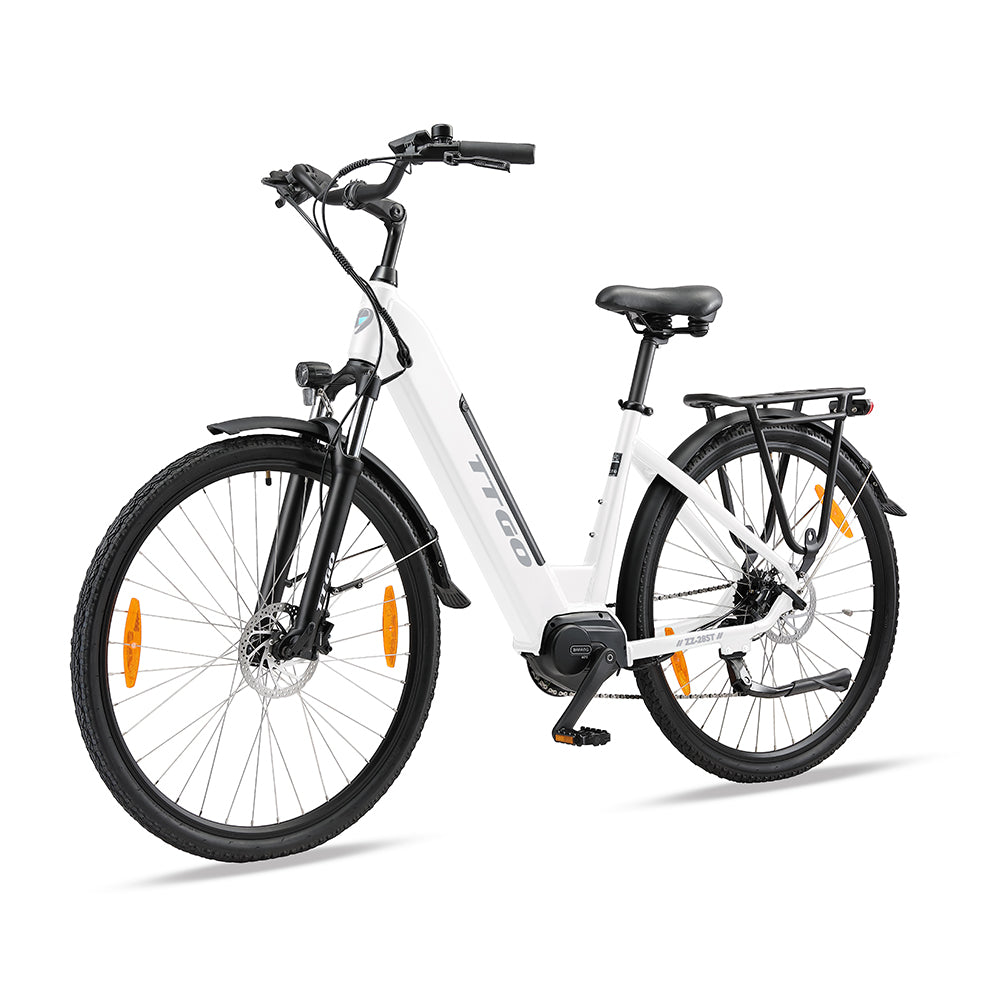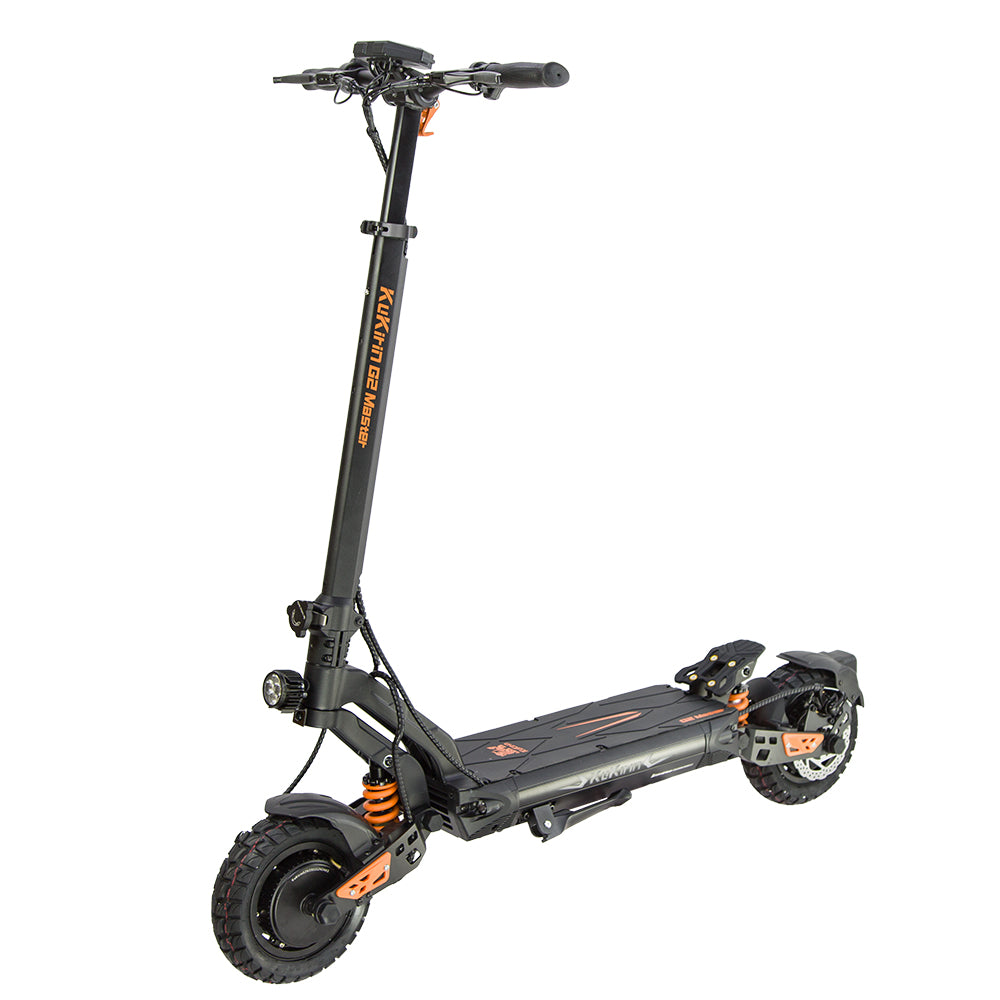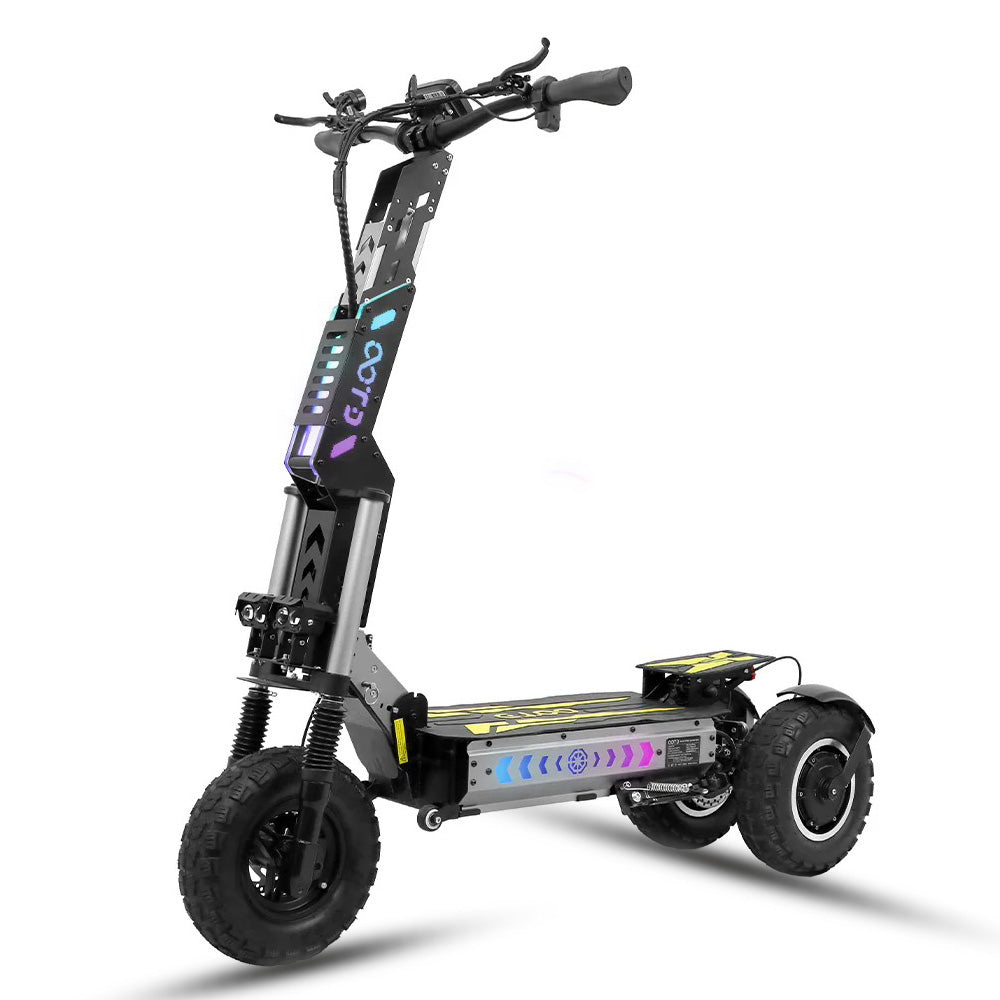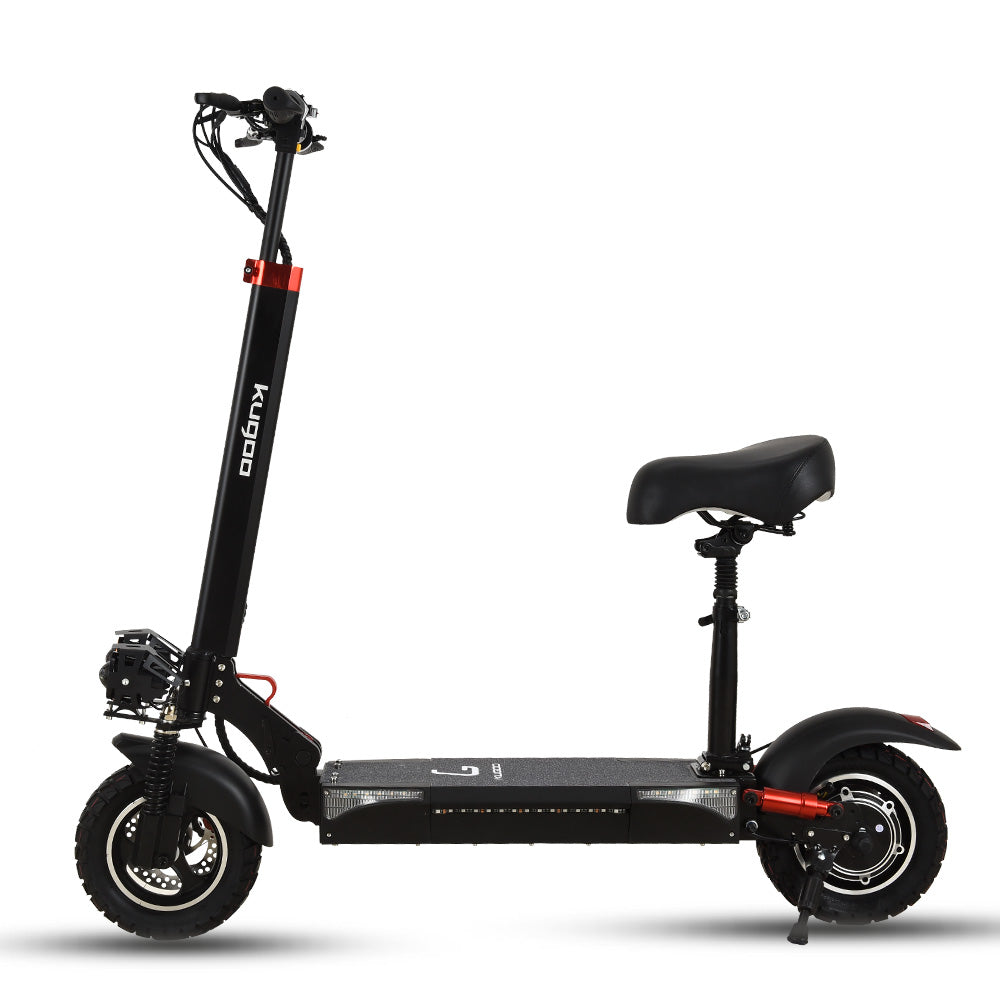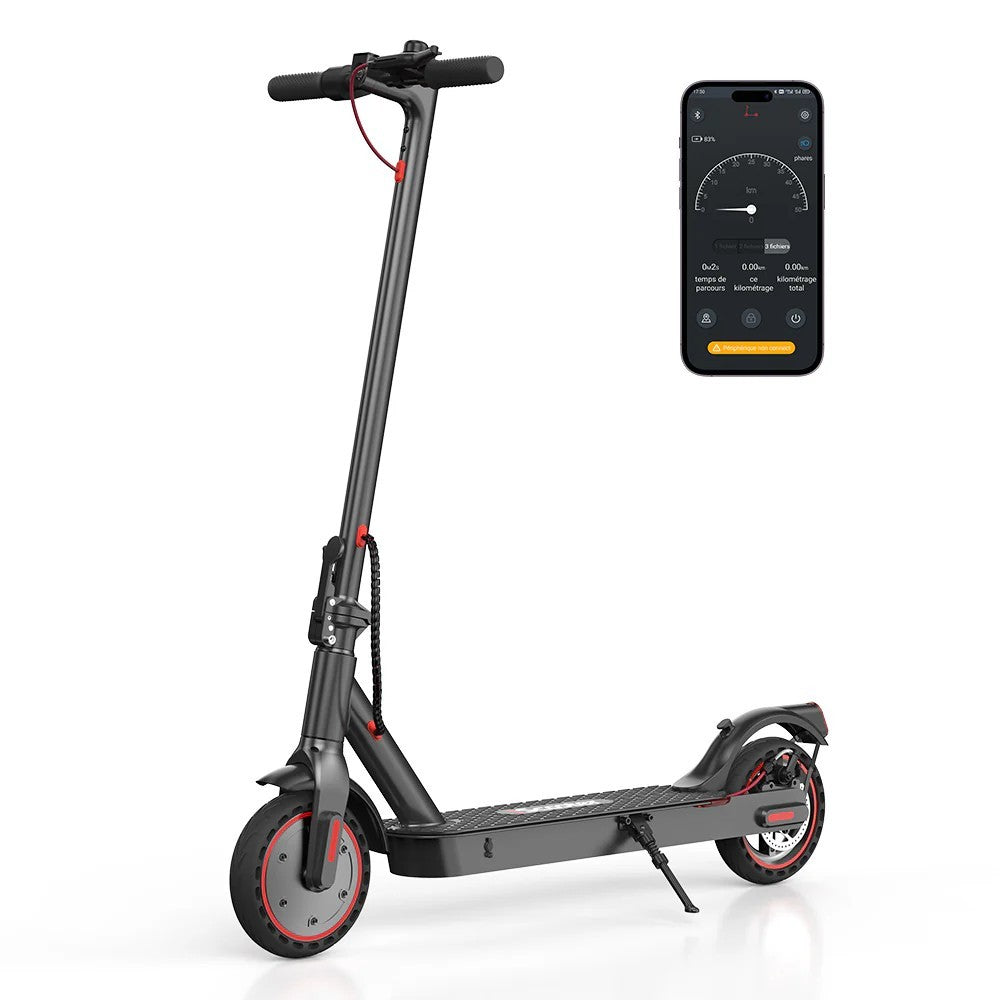

Due stili popolari di e-bike, due diverse esperienze di guida
Le bici elettriche a pneumatici fat e le bici elettriche di città sono due delle scelte più comuni per i piloti di tutti i giorni. Entrambi possono essere utili in Europa, ma sono progettati per priorità diverse.
Una e-bike di pneumatici fat si concentra su grip, stabilità e fiducia nella superficie mista. Una e-bike della città si concentra su efficienza, comfort, stoccaggio e convenienza quotidiana del pendolarismo. La scelta giusta dipende da dove e come si guida.
Che cosa è una bicicletta elettrica con pneumatici fat?
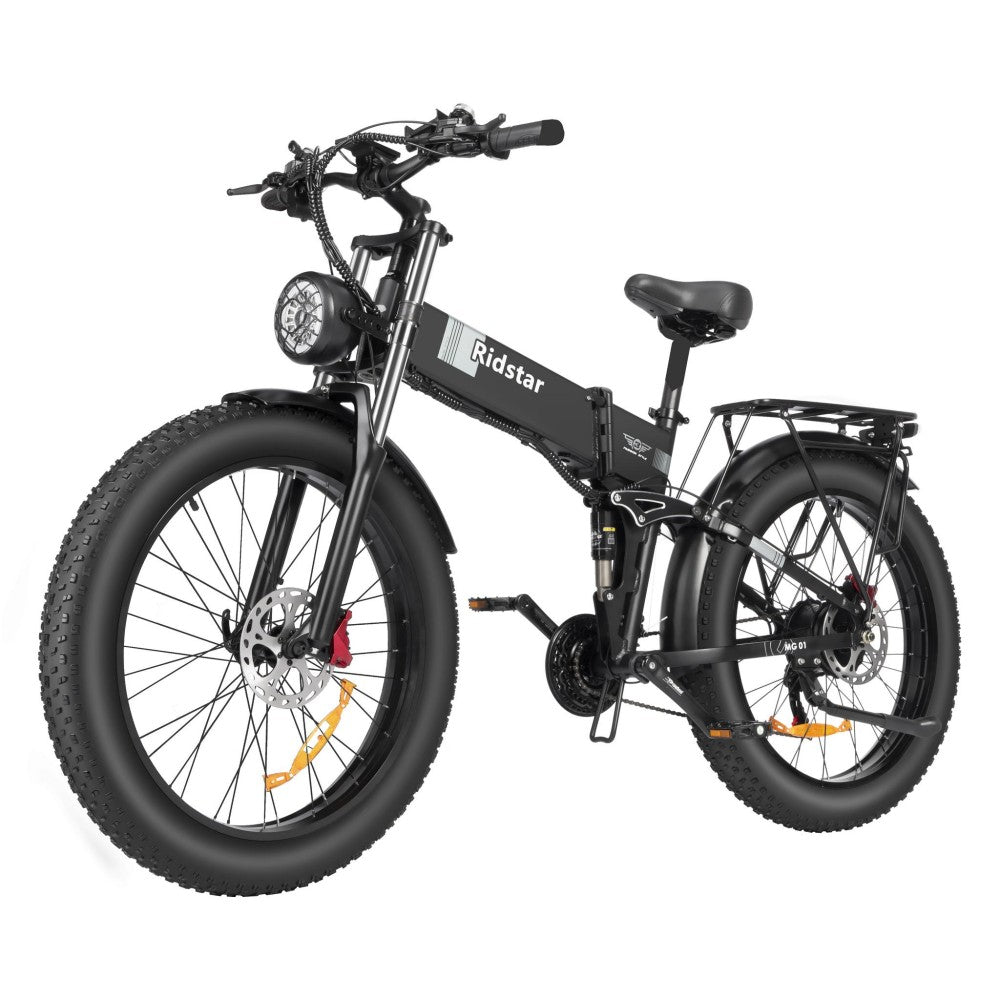
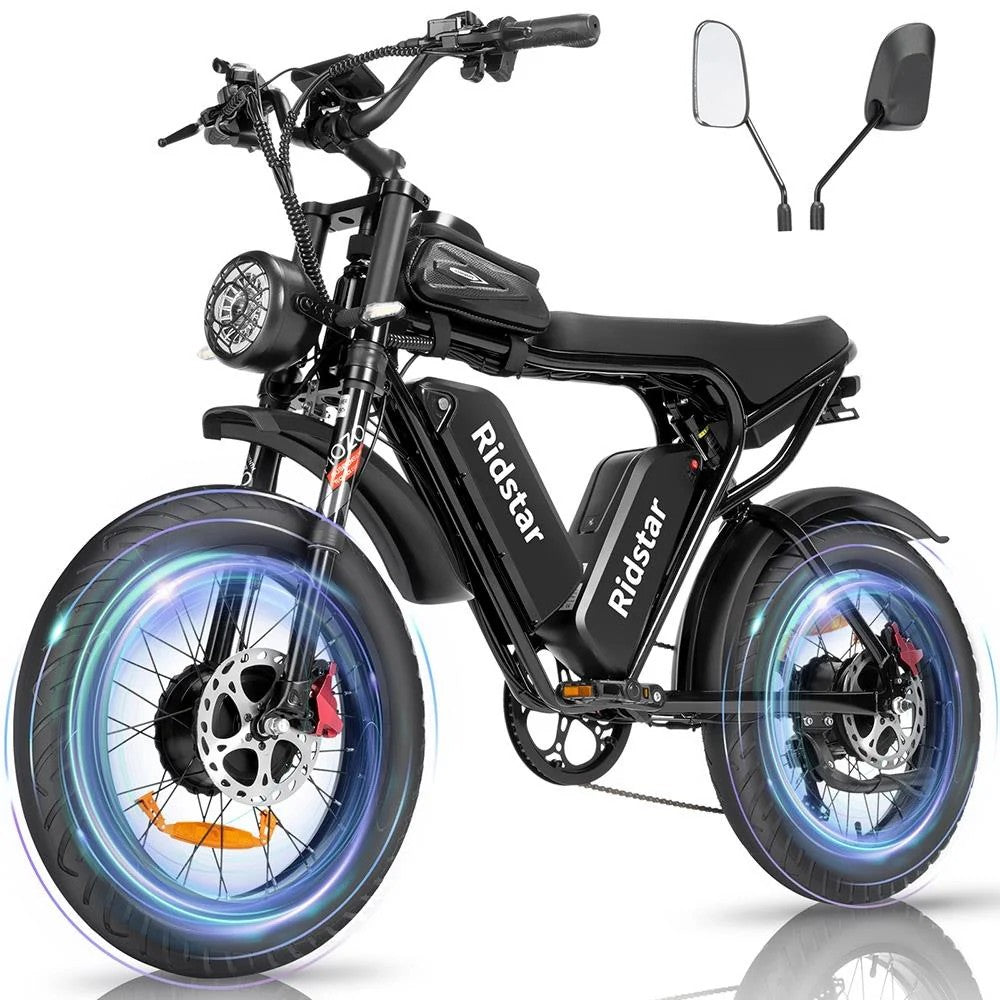
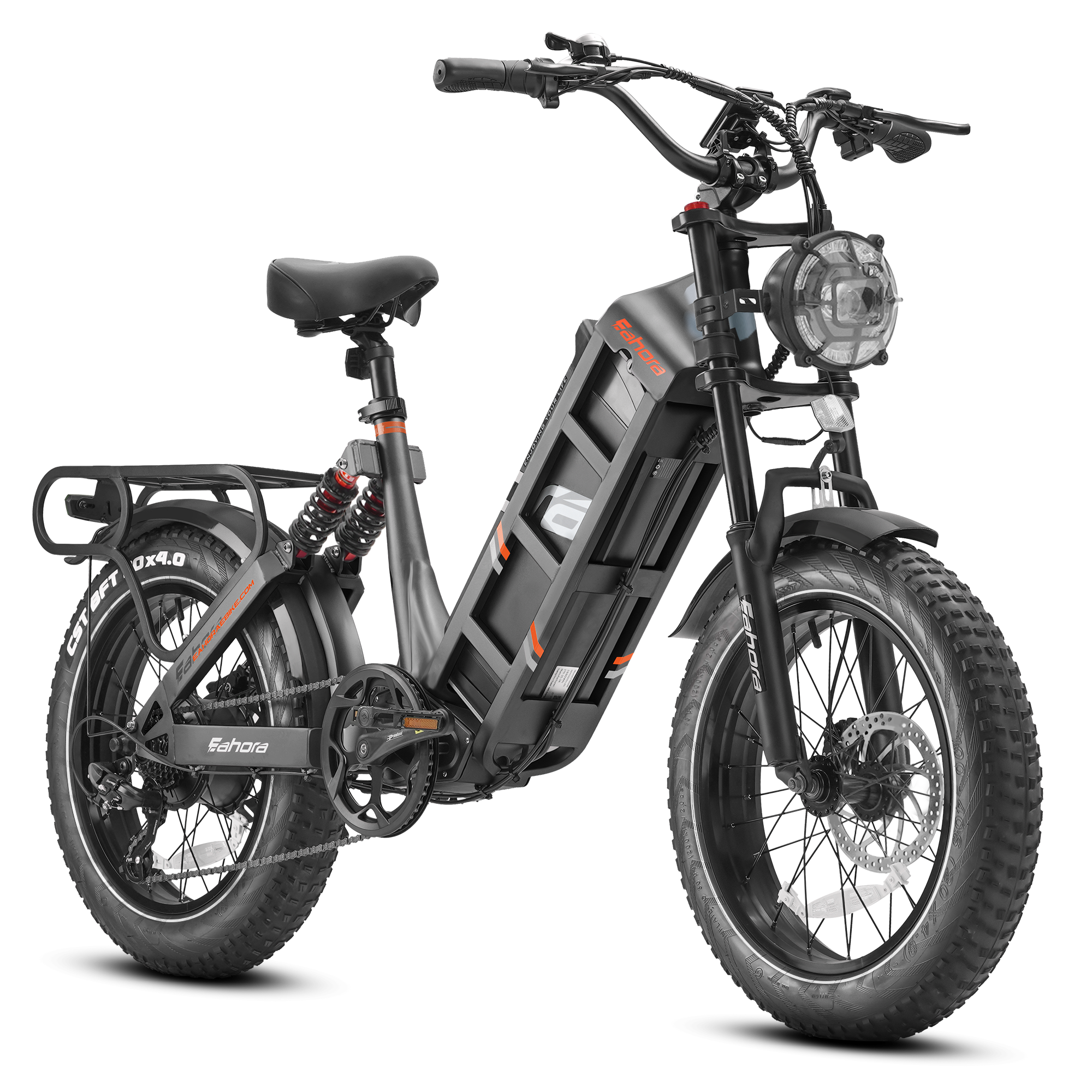
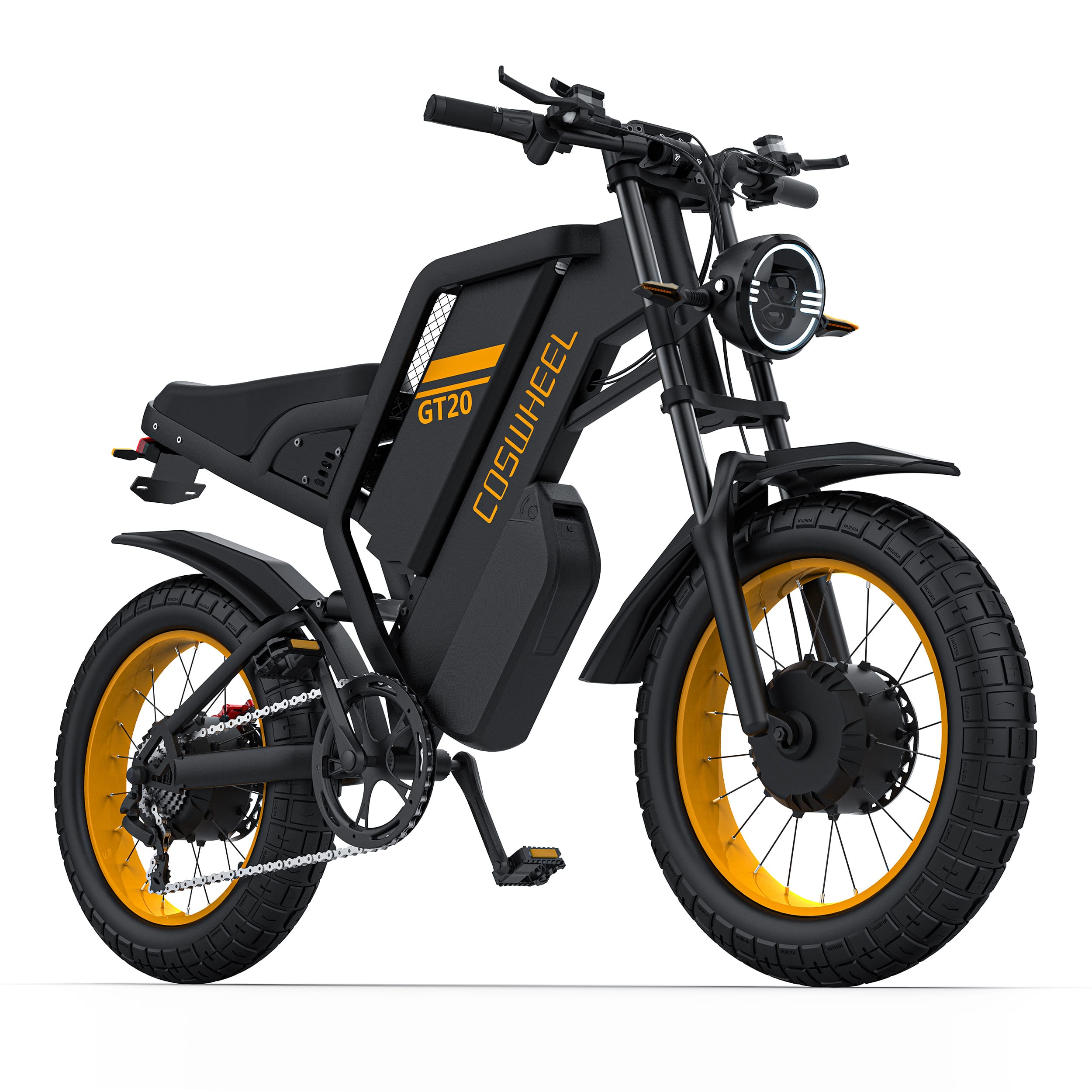
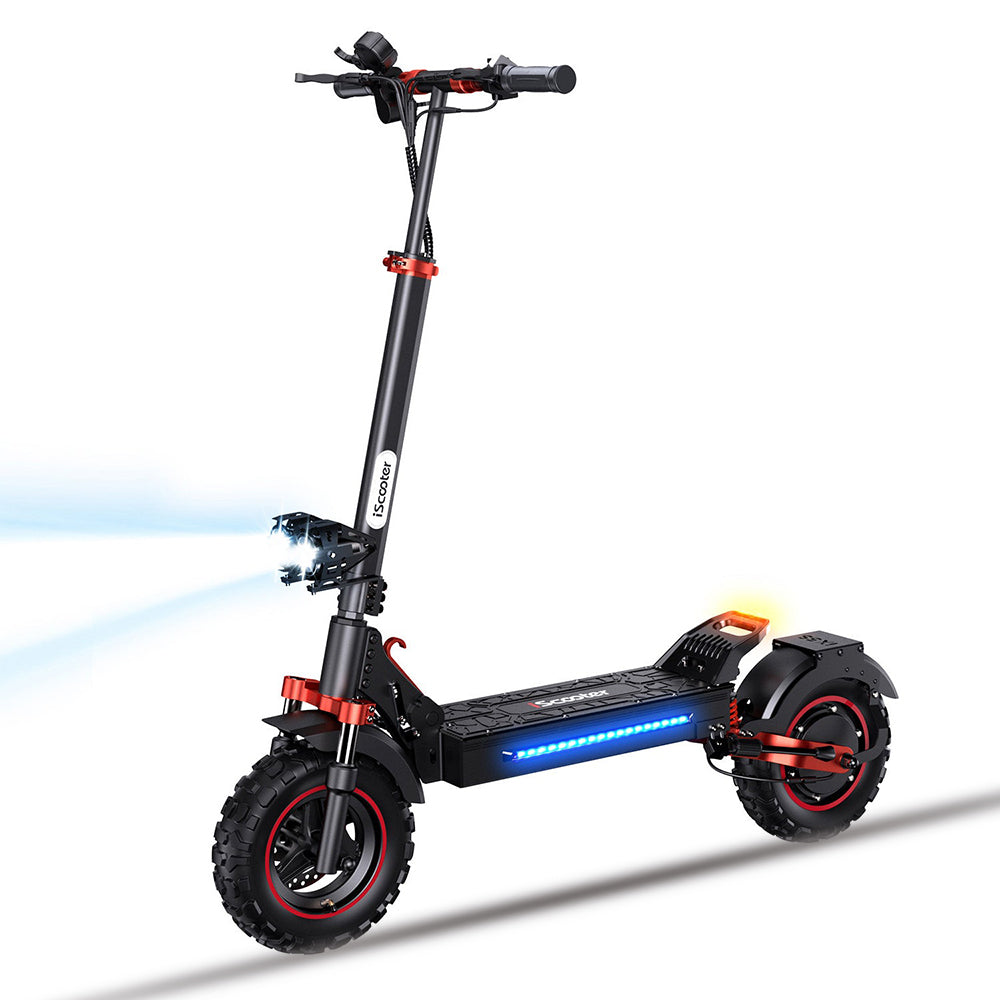
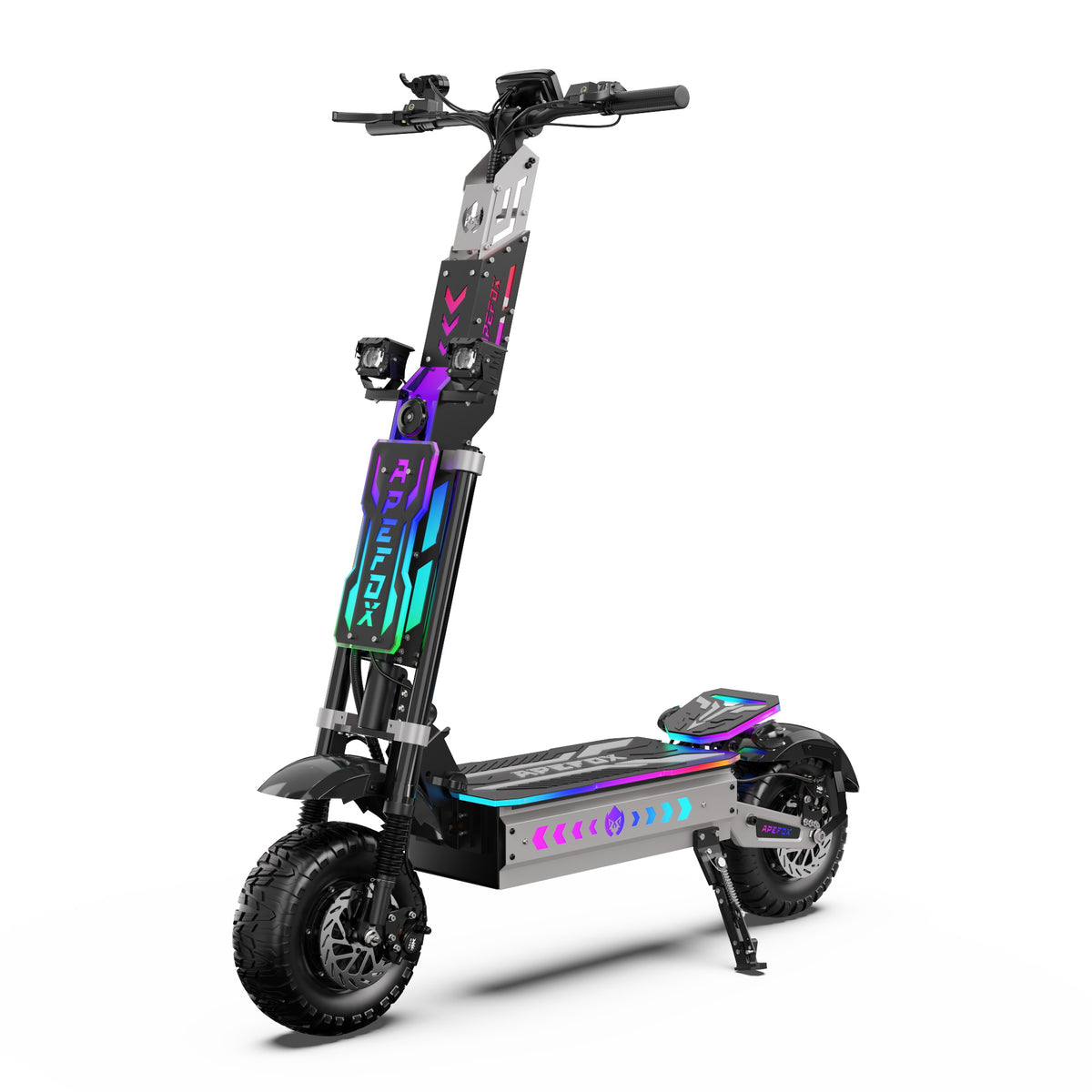
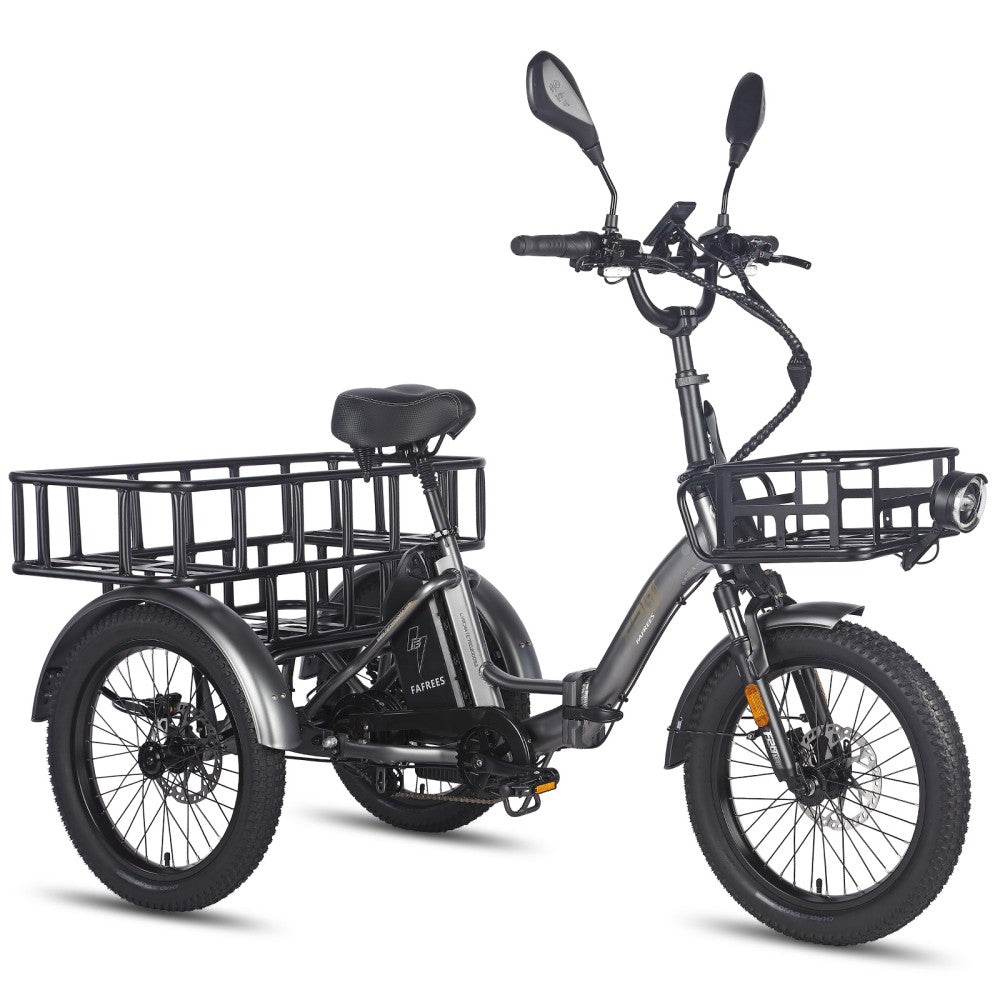
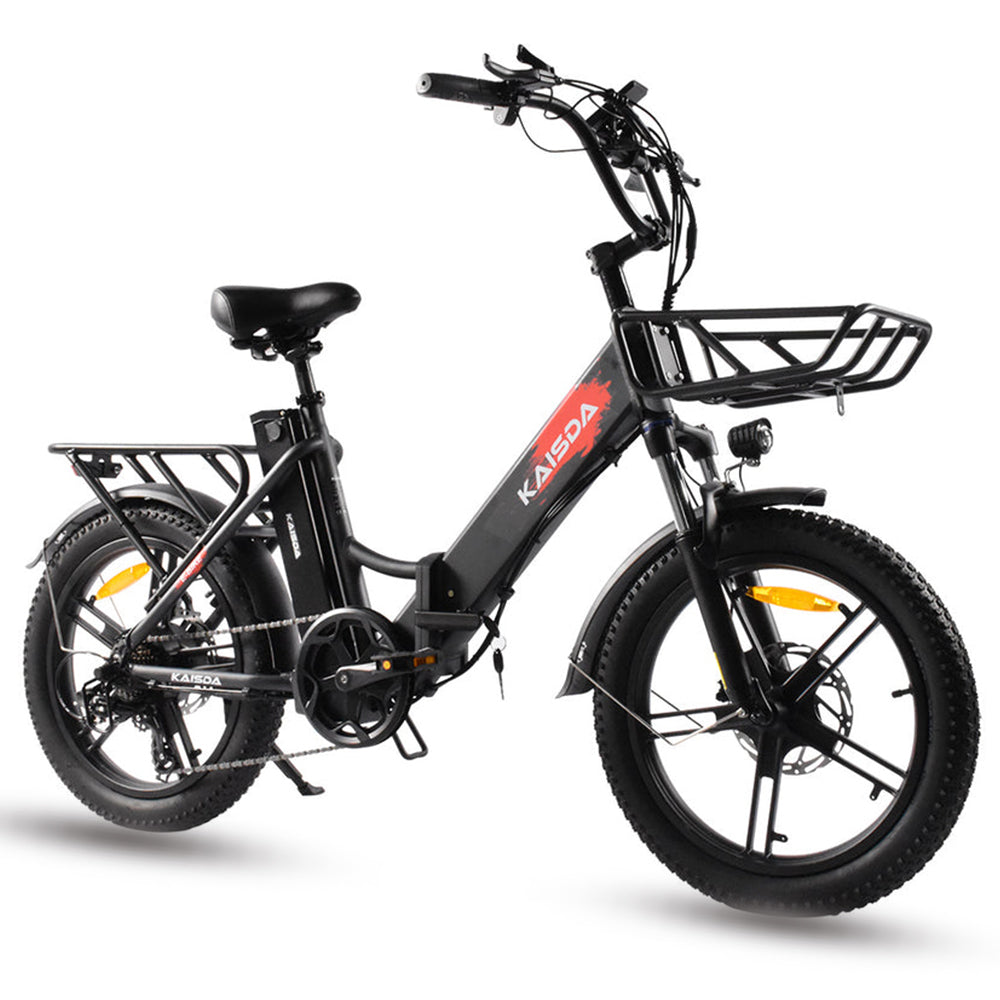
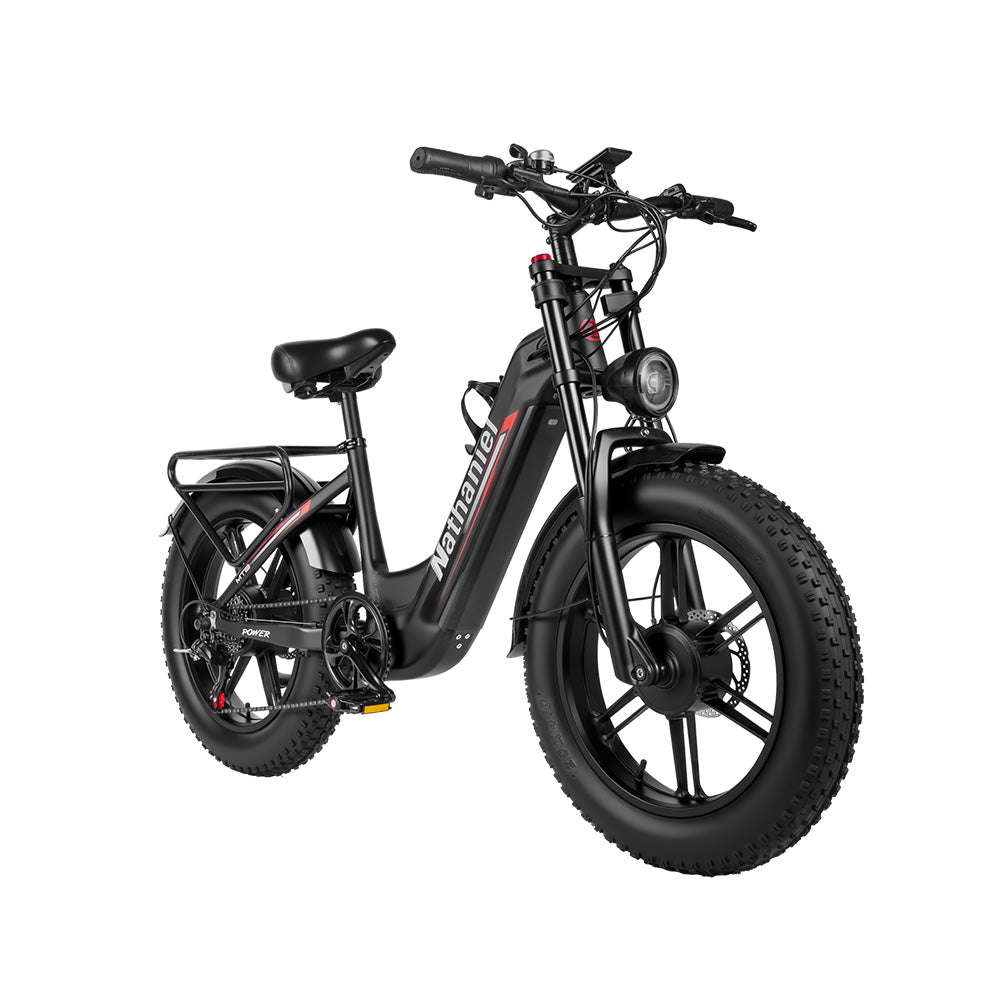
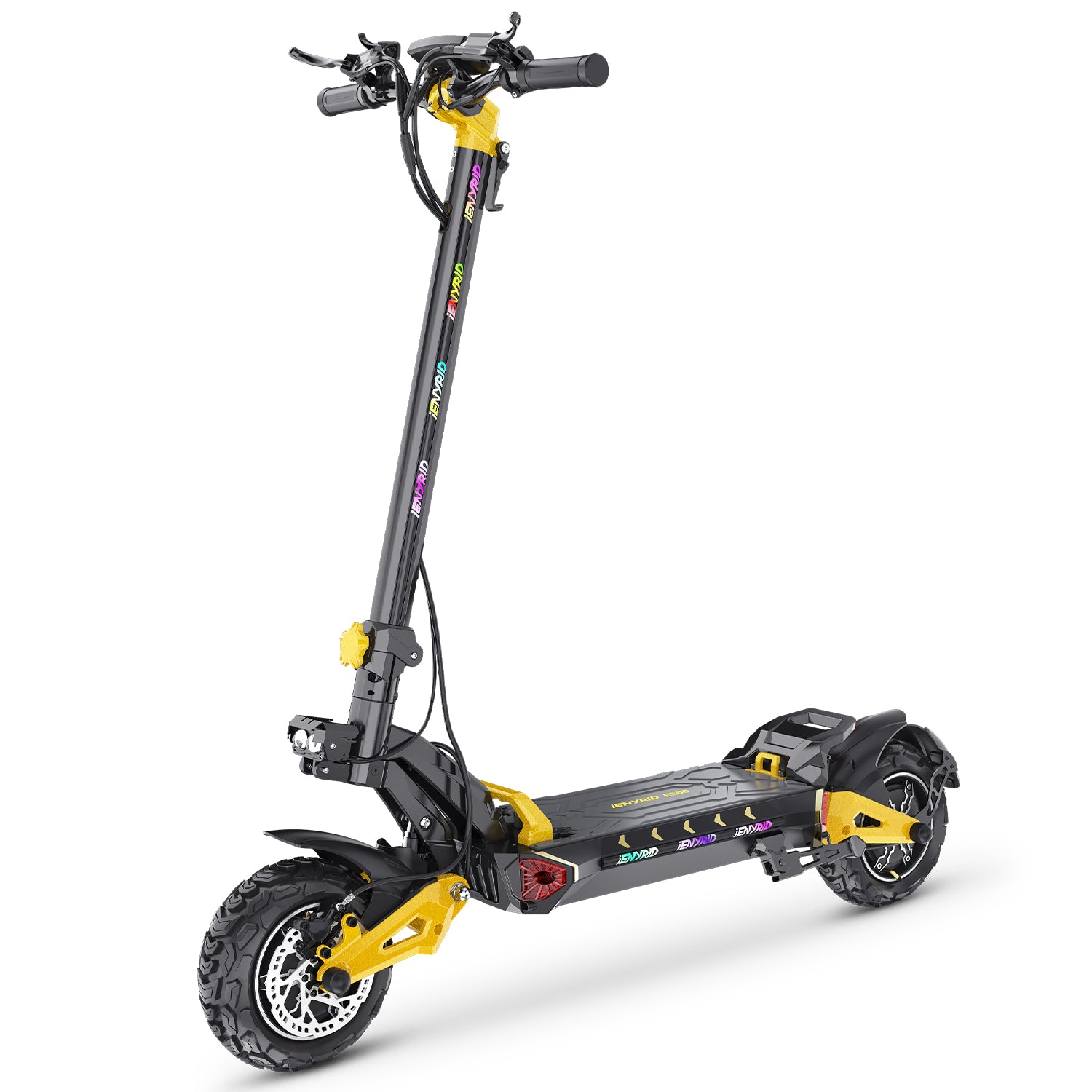
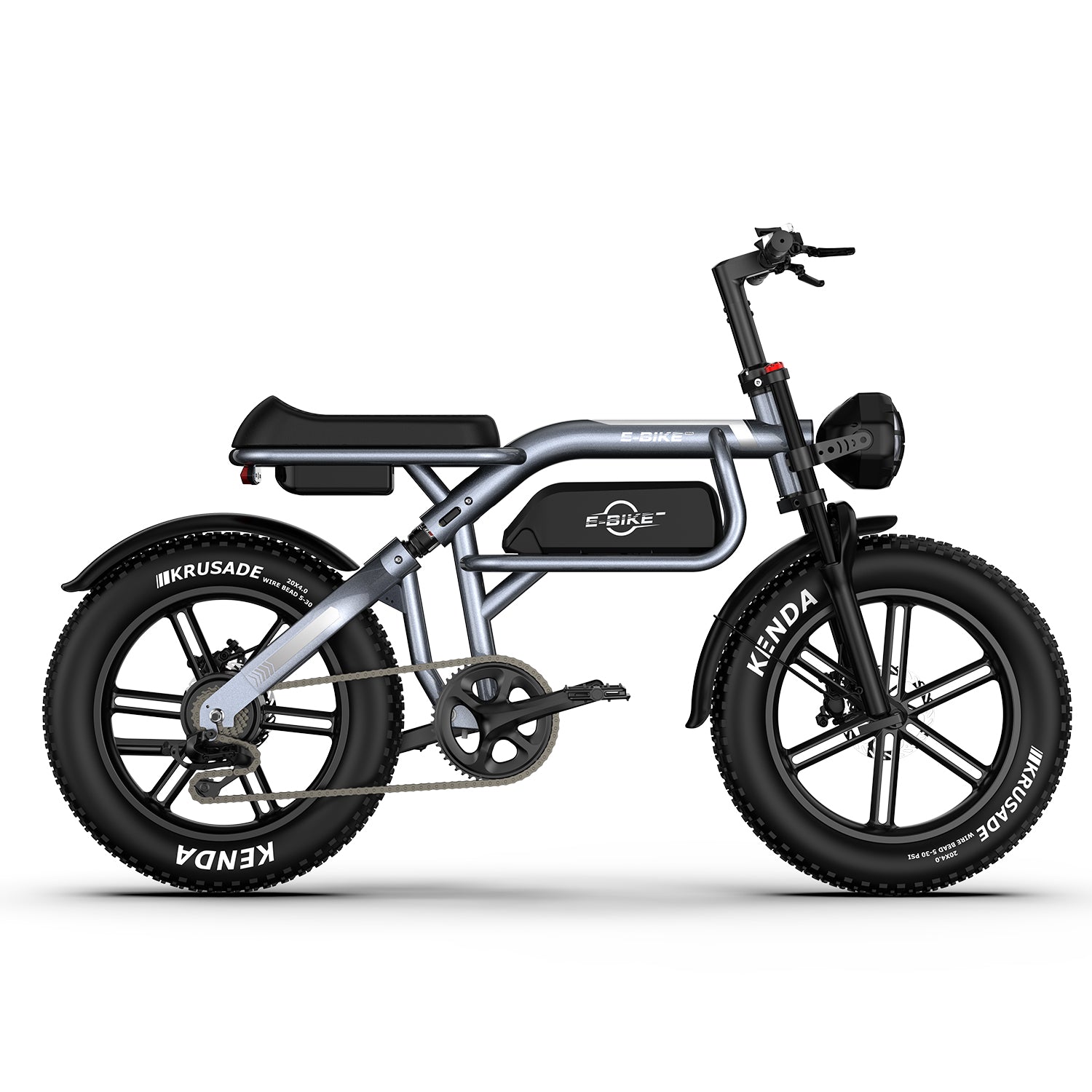
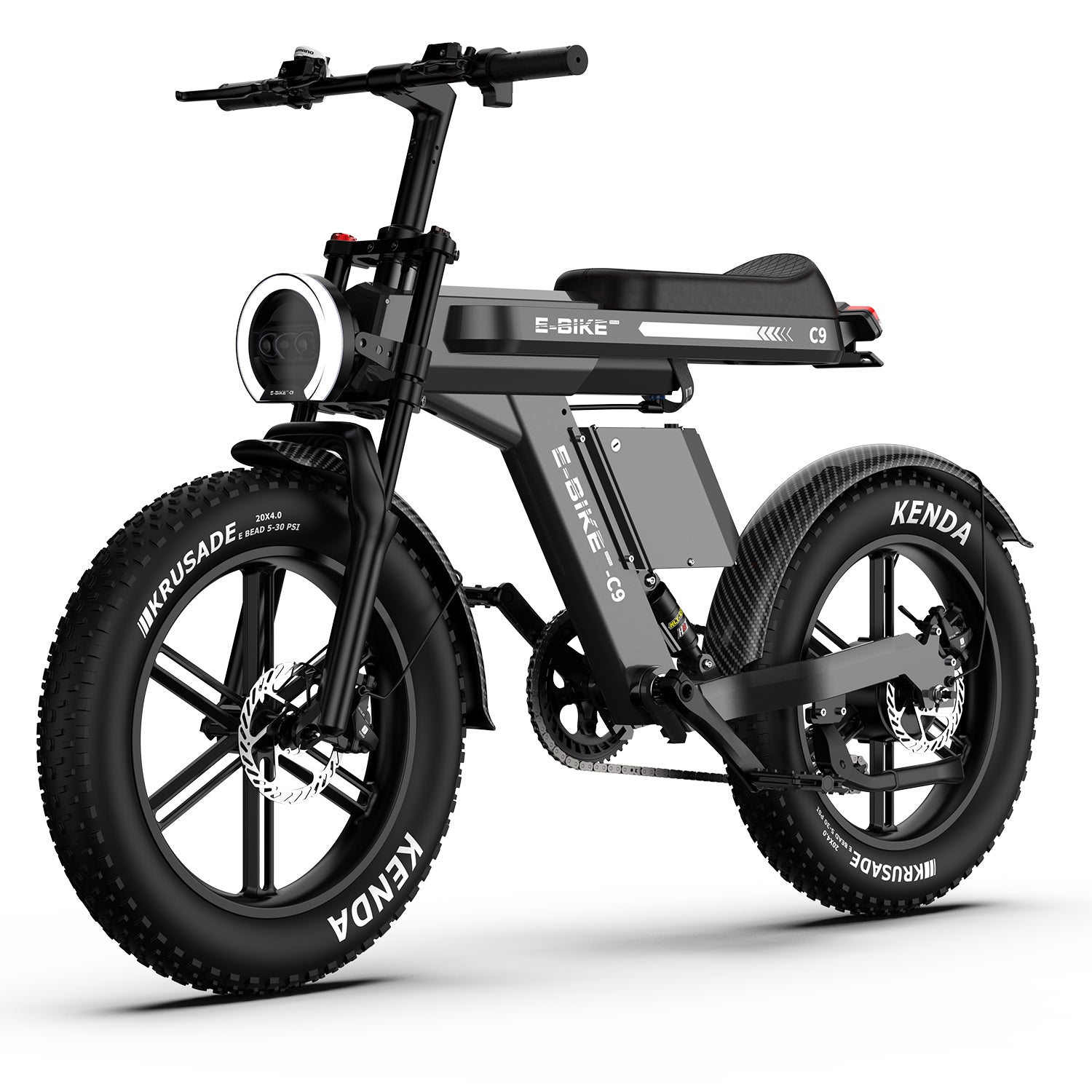
Una bici elettrica a pneumatici fat di solito utilizza pneumatici più larghi, spesso in giro 4 inches largo. Questi pneumatici creano un'area di contatto più ampia con il terreno, che può migliorare la trazione e rendere la moto più stabile su superfici irregolari.
Le e-bike per pneumatici fat sono spesso popolari tra i piloti che utilizzano le loro biciclette su percorsi misti, tra cui strade cittadine, sentieri di ghiaia, sentieri forestali, sentieri sulla spiaggia e superfici più ruvide.
Per una spiegazione più profonda, leggi questa guida per bici elettrica a pneumatici fat.
Che cosa è una City Electric Bike?
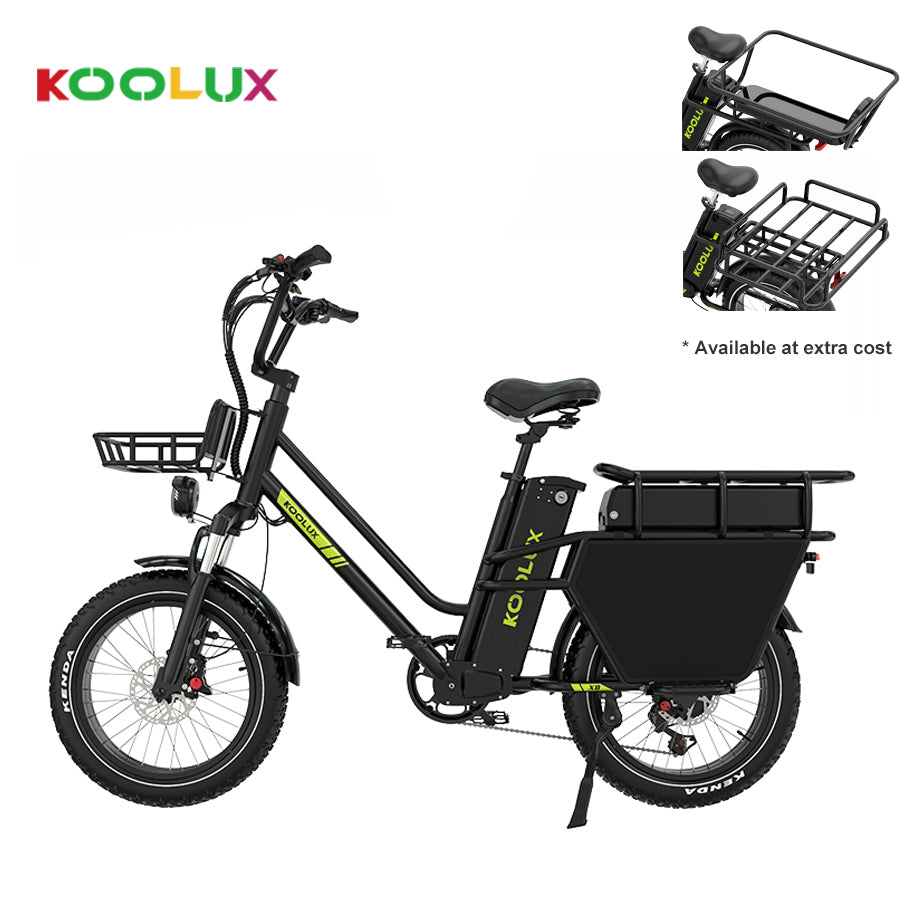
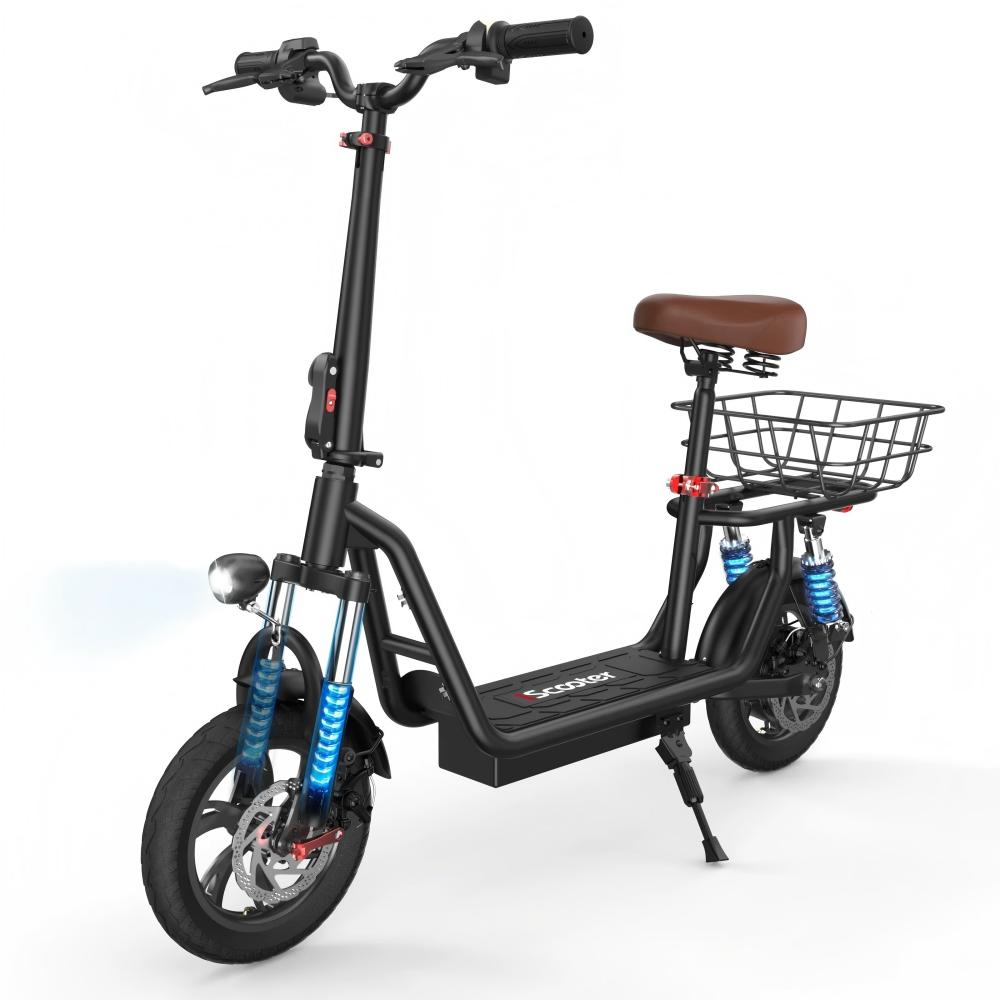
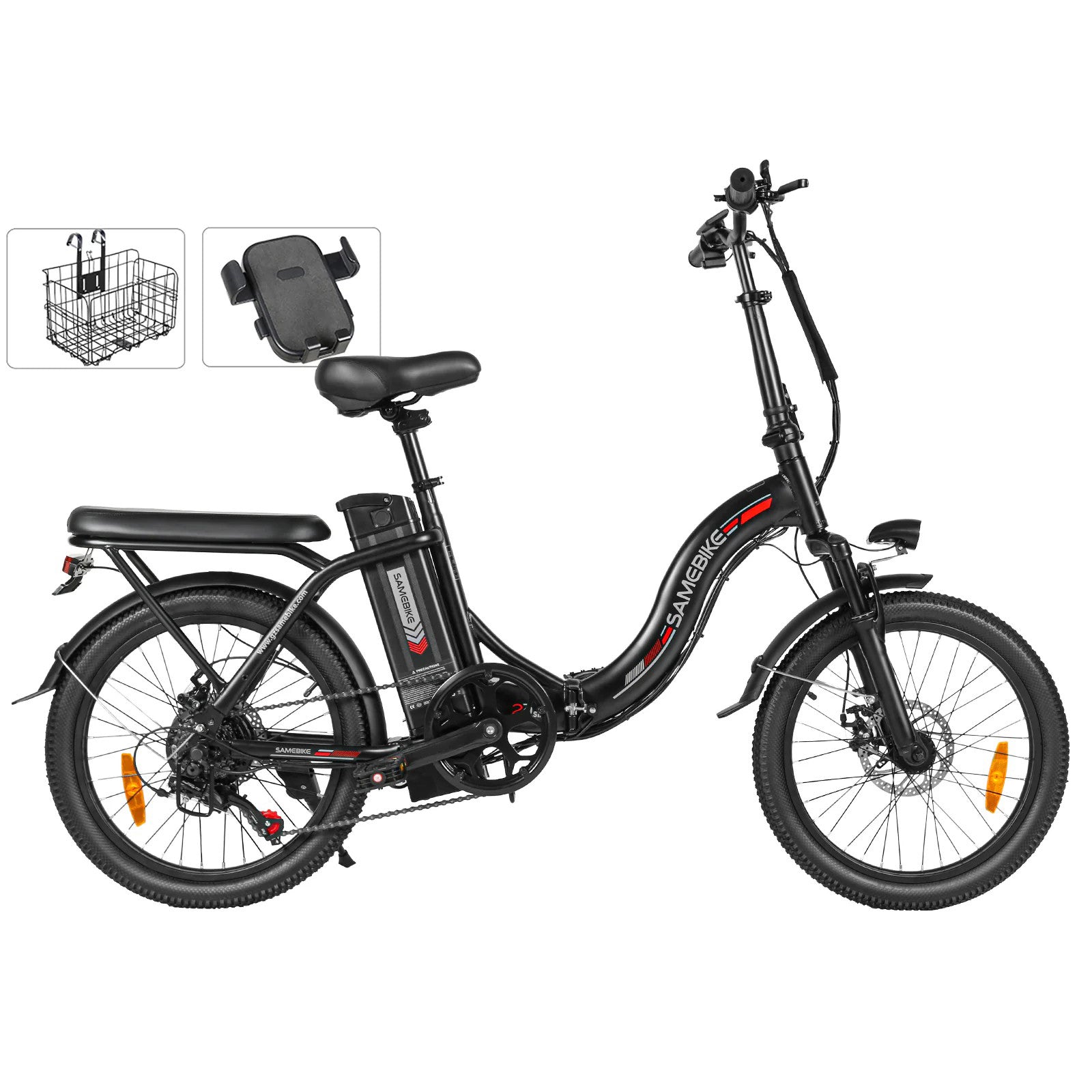
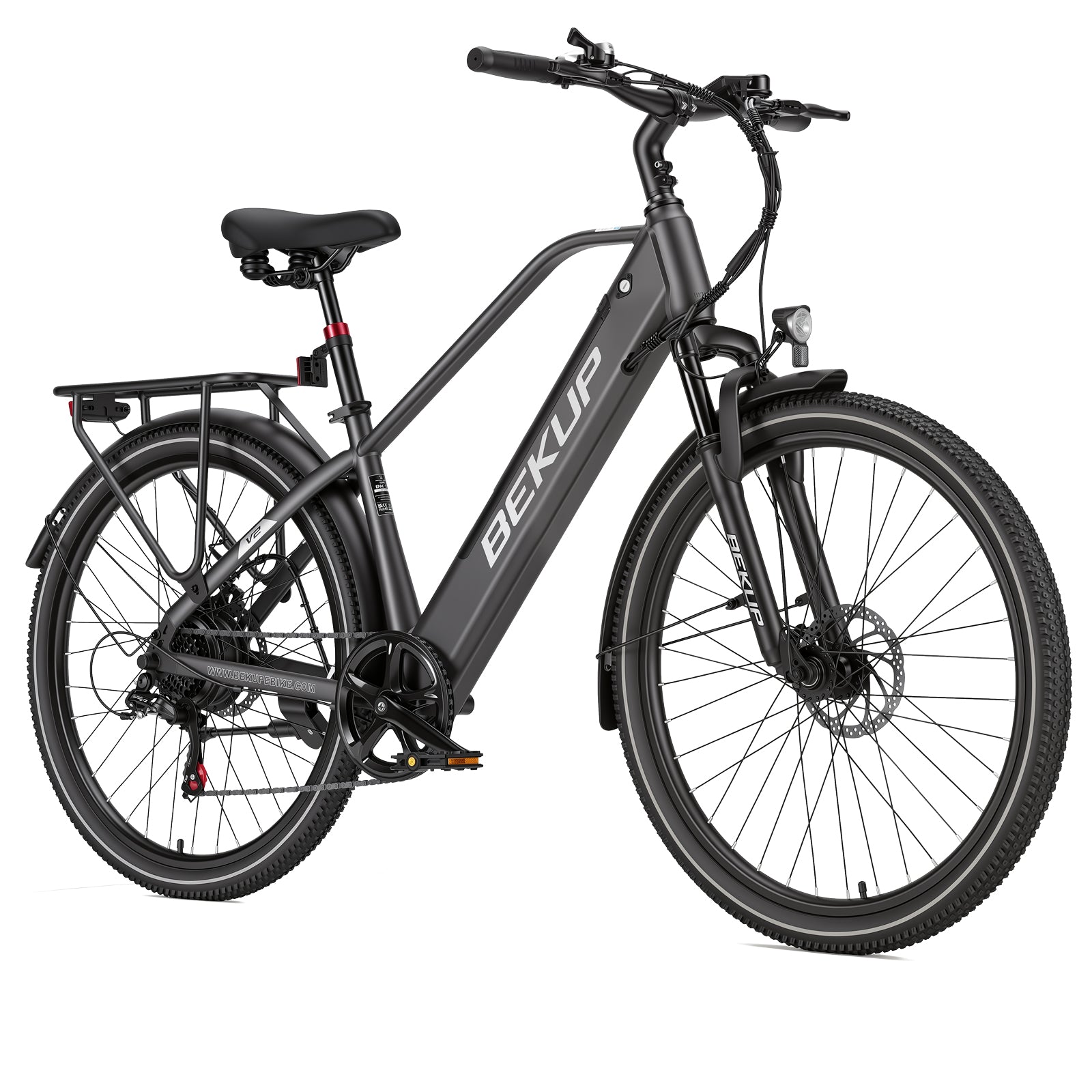
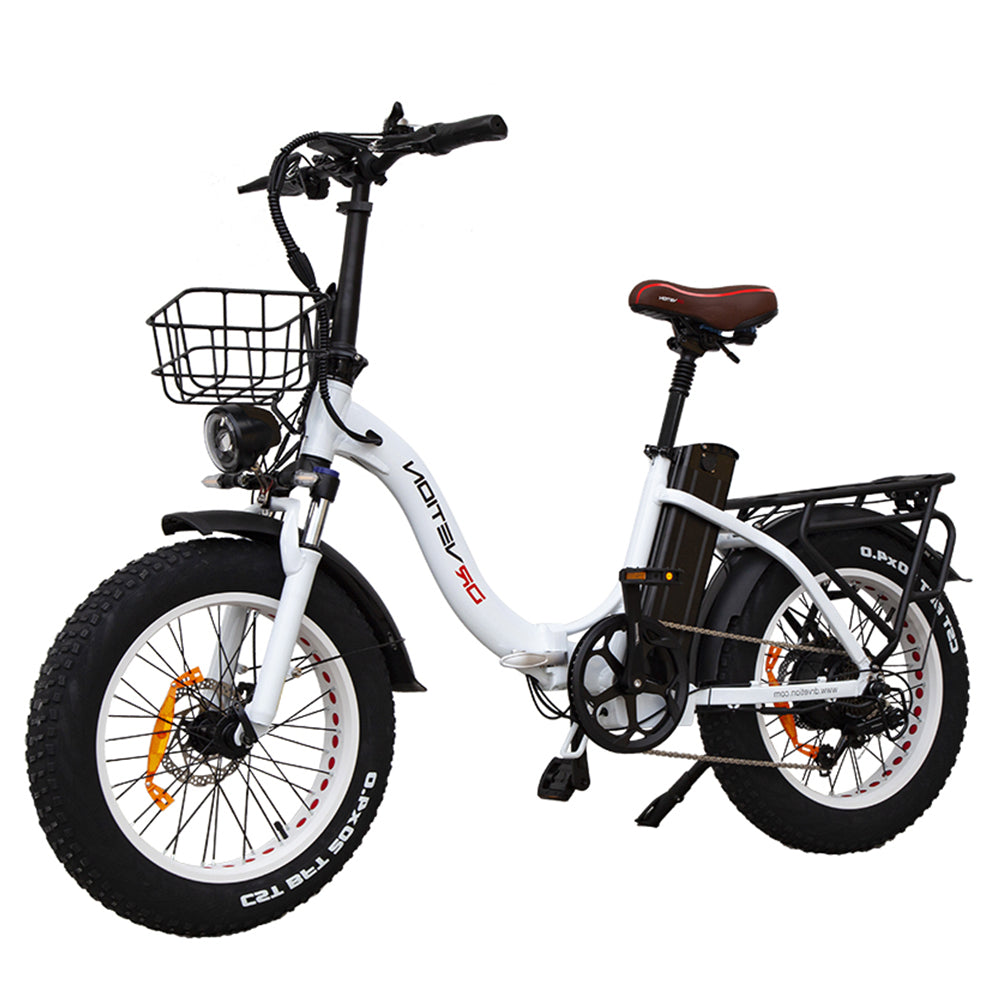
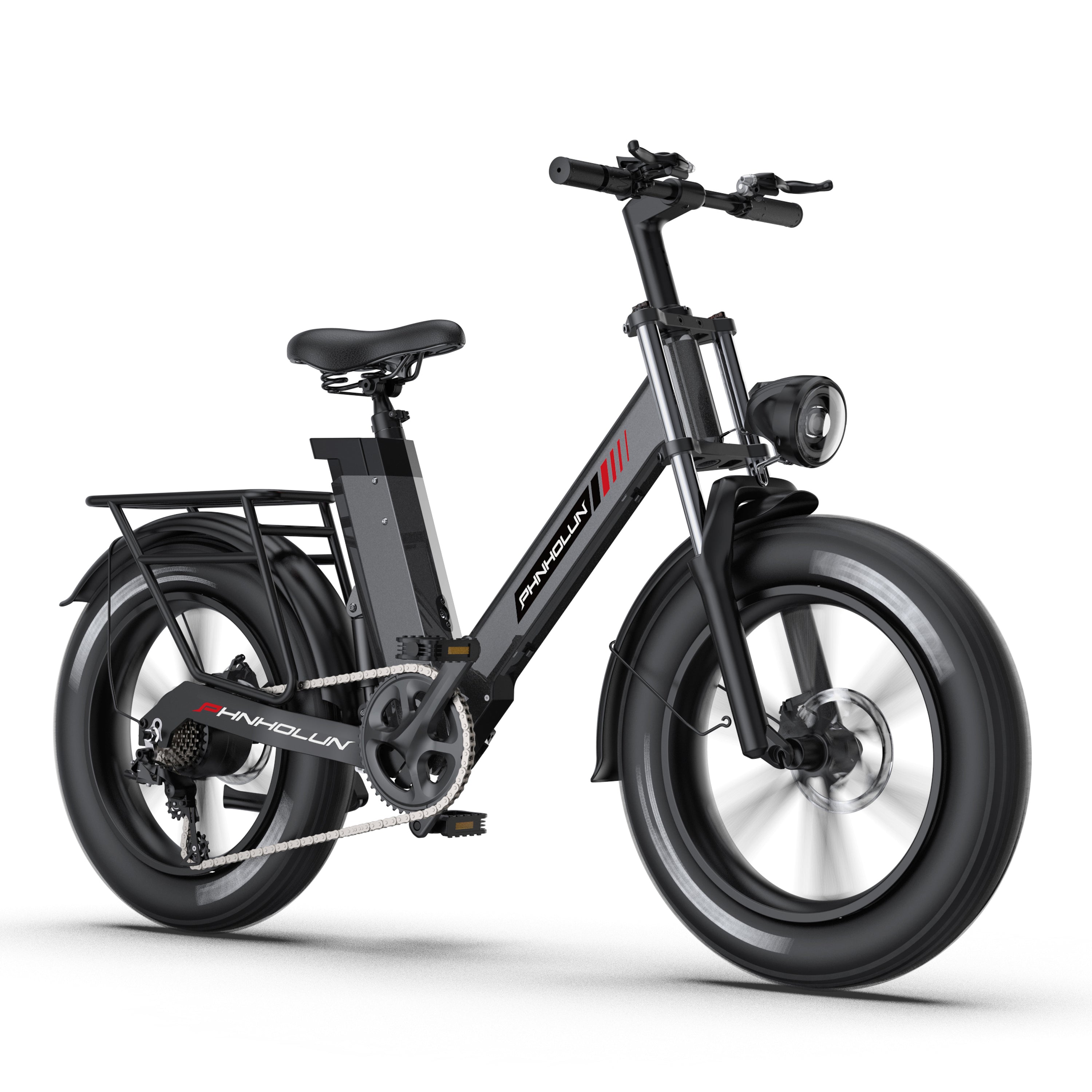
Una bici elettrica della città è progettata per un uso urbano regolare. Di solito si concentra su una posizione di guida verticale, una più facile maneggevolezza, una gamma pratica e un comfort su strade asfaltate. Molte e-bike della città sono anche più facili da conservare e spostare rispetto a modelli in stile avventura più pesanti.
Per i rider che viaggiano principalmente tra casa, lavoro, negozi e stazioni di trasporto pubblico, una e-bike della città può sembrare più naturale ed efficiente.
Se il pendolarismo è il tuo motivo principale per acquistare, inizia con questa guida al pendolarismo in bici elettrica per l'Europa.
Comfort: Larga presa vs facile efficienza
I pneumatici fat possono assorbire alcune vibrazioni stradali e rendere la corsa più stabile. Questo può essere utile su vecchie strade europee, sezioni di ghiaia o piste ciclabili irregolari. Tuttavia, i pneumatici più larghi possono anche aggiungere resistenza al rotolamento, che può influenzare l'efficienza.
Le e-bike della città di solito si sentono più leggere e fluide sulle strade asfaltate. Possono non sentirsi come piantati su superfici ruvide, ma possono essere più facili da pedalare, parcheggiare e gestire nel traffico.
Se il comfort è la tua priorità principale, confronta i dettagli in questa guida per scegliere una bici elettrica comoda.
Stoccaggio e peso sono importanti
Molte e-bike di pneumatici fat sono più pesanti e più ampie dei modelli di città standard. Questo potrebbe non importare se si dispone di un garage o un deposito al piano terra sicuro, ma può diventare scomodo in appartamenti, ascensori o corridoi stretti.
Le e-bike della città sono spesso più pratiche per i piloti che hanno bisogno di portare la bici su per le scale, conservarla al chiuso o parcheggiarla in spazi stretti. Prima di scegliere, pensa a dove vivrà la moto ogni giorno, non solo dove andrà a cavallo.
Per i cavalieri degli appartamenti, questa guida di stoccaggio di biciclette elettriche di piccolo spazio può aiutarti a pianificare realisticamente.
Gamma e uso della batteria
Le e-bike per pneumatici fat possono utilizzare più energia perché i pneumatici più ampi creano più resistenza al rotolamento. Questo non significa che abbiano una gamma scarsa, ma significa che le dimensioni della batteria e la modalità di guida contano di più.
Le e-bike della città possono essere più efficienti su strade fluide, specialmente quando il percorso è piatto e il pilota utilizza livelli di assistenza più bassi. Per brevi corse urbane, questo può essere sufficiente. Per percorsi misti più lunghi, una batteria più grande può essere più importante.
Se l'intervallo è una preoccupazione chiave, leggi questa guida all'acquisto di biciclette elettriche a lungo raggio.
Quale è meglio per le strade europee?
Non esiste una risposta unica perché le strade europee variano ampiamente. Un pilota ad Amsterdam può apprezzare l'efficienza fluida e un parcheggio facile. Un pilota vicino a strade rurali, parchi o percorsi misti può preferire la stabilità degli pneumatici fat.
Scegli una E-Bike Fat Tire Se
Spesso si cavalca su superfici miste, si desidera una presa extra, si preferisce una sensazione più stabile o si pianificano le corse avventura del fine settimana oltre al pendolarismo quotidiano.
Scegli una E-Bike della città se
Per lo più si pedala su strade asfaltate, ha bisogno di uno stoccaggio più facile, si desidera una gestione più leggera o si utilizza la propria e-bike principalmente per spostamenti, shopping e brevi viaggi giornalieri.
Pensieri finali
Una bici elettrica a pneumatici fat è la migliore per i piloti che apprezzano la trazione, la stabilità e la fiducia a percorso misto. Una bici elettrica da città è migliore per i piloti che danno la priorità alla convenienza quotidiana, una più facile gestione e un efficiente pendolarismo urbano.
La scelta migliore non riguarda quale stile sembra più forte. Si tratta di quale bicicletta si adatta alle strade, spazio di archiviazione, distanza di guida e abitudini quotidiane.