
Dlaczego zasięg staje się priorytetem dla codziennych użytkowników
Dla wielu użytkowników rowerów elektrycznych zasięg staje się problemem dopiero po kilku tygodniach użytkowania. Codzienne dojazdy do pracy mogą początkowo wydawać się łatwe, ale wraz ze wzrostem częstotliwości jazdy lub rozszerzaniem tras, ograniczony zasięg szybko staje się niedogodnością.
Kolarze, którzy polegają na swoim rowerze elektrycznym zarówno podczas rutynowych podróży, jak i dłuższych przejażdżek, często odkrywają, że zasięg zależy nie tylko od rozmiaru baterii, ale od tego, jak cały system współpracuje ze sobą.
Zrozumienie, co naprawdę oznacza „duży zasięg”
Podawane dane dotyczące zasięgu rzadko odzwierciedlają rzeczywistą jazdę. Teren, waga rowerzysty, styl jazdy, temperatura i poziom wspomagania — wszystko to wpływa na to, jak daleko rower elektryczny może faktycznie przejechać na jednym ładowaniu.
Z czasem wielu rowerzystów zauważa, że osiągalny zasięg stopniowo się zmienia, zwłaszcza wraz ze zmianami sezonowymi. Jest to normalne zachowanie, wyjaśnione bardziej szczegółowo w artykule dlaczego zasięg baterii w rowerze elektrycznym i hulajnodze elektrycznej maleje.
Dlaczego systemy dwubateryjne zyskują na popularności
Jednym z praktycznych sposobów na zwiększenie użytecznego zasięgu bez pogarszania komfortu jazdy jest system dwubateryjny. Zamiast polegać na jednej dużej baterii, dwie baterie równomierniej rozkładają zużycie energii i zmniejszają potrzebę częstego ładowania.
Dla rowerzystów, którzy dojeżdżają do pracy w ciągu tygodnia i jeżdżą na dłuższe dystanse w weekendy, takie podejście oferuje elastyczność bez zmiany codziennych nawyków.
Komfort ma większe znaczenie podczas dłuższych przejażdżek
Wraz ze wzrostem zasięgu komfort staje się coraz ważniejszy. Dłuższe przejażdżki ujawniają problemy, które mogą nie pojawić się podczas krótkich dojazdów do pracy — takie jak wibracje, zmęczenie drogą i pozycja jazdy.
Hydrauliczne systemy zawieszenia pomagają amortyzować nierówności nawierzchni drogi i zmniejszają obciążenie rowerzysty, zwłaszcza na mieszanym terenie lub dłuższych trasach miejskich. Wiele czynników związanych z komfortem omówiono w artykule jak wybrać najbardziej komfortowy rower elektryczny.
Pewność hamowania jest częścią bezpieczeństwa na długich dystansach
Jazda na dłuższych dystansach często oznacza jazdę w bardziej zróżnicowanych warunkach. Niezawodne hamowanie staje się kluczowe, szczególnie podczas jazdy z dużą prędkością, w ruchu ulicznym lub na odcinkach zjazdowych.
Hydrauliczne systemy hamulcowe zapewniają bardziej stałą siłę hamowania i lepszą modulację niż alternatywy mechaniczne, zwłaszcza podczas wielokrotnego hamowania. Jeśli zachowanie hamulców jest dla Ciebie nowe w rowerze elektrycznym, ten przewodnik po hamowaniu przód/tył stanowi przydatną podstawę.
Praktyczny przykład konfiguracji na długie dystanse
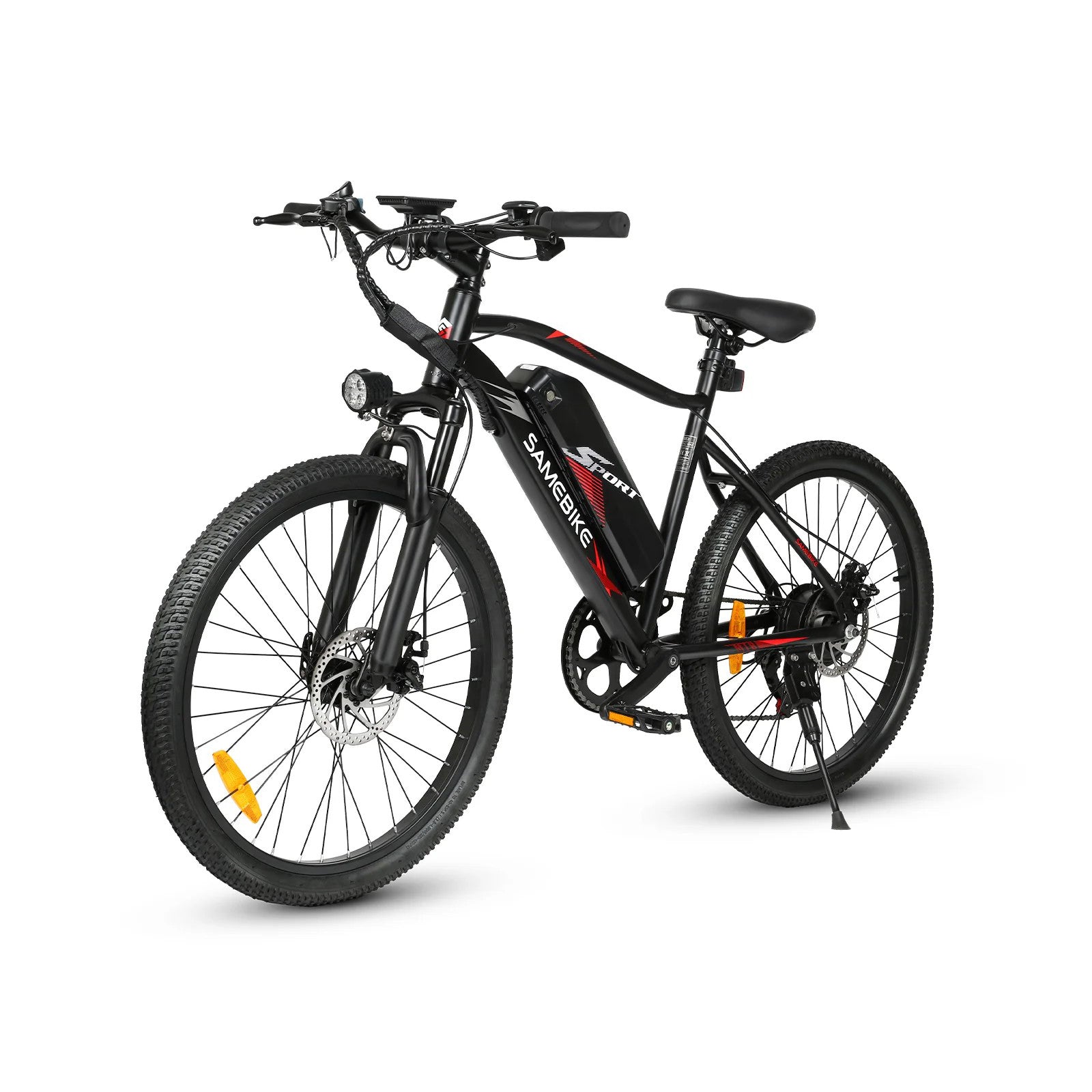
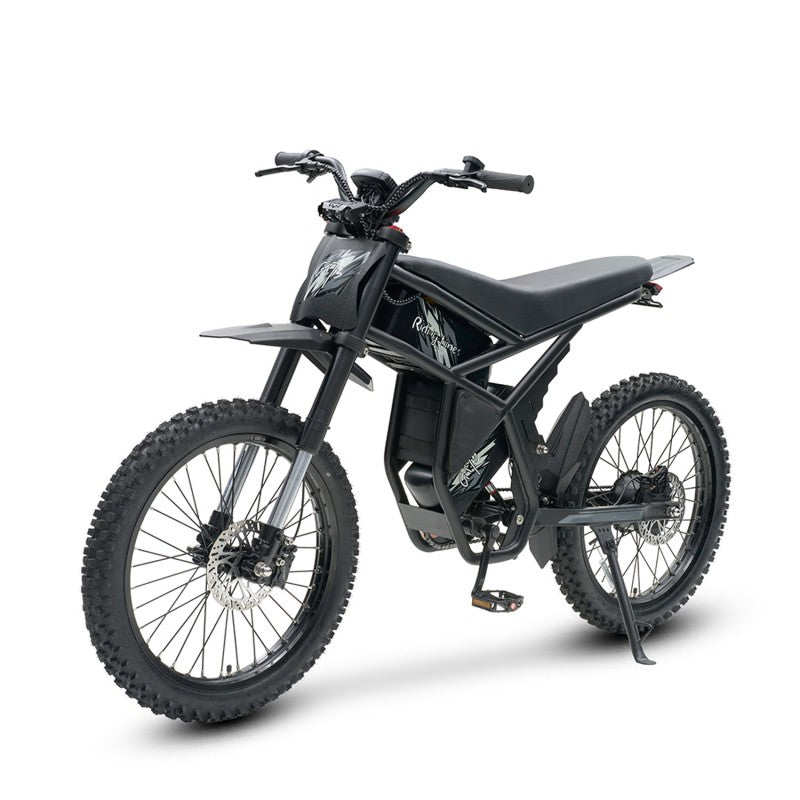
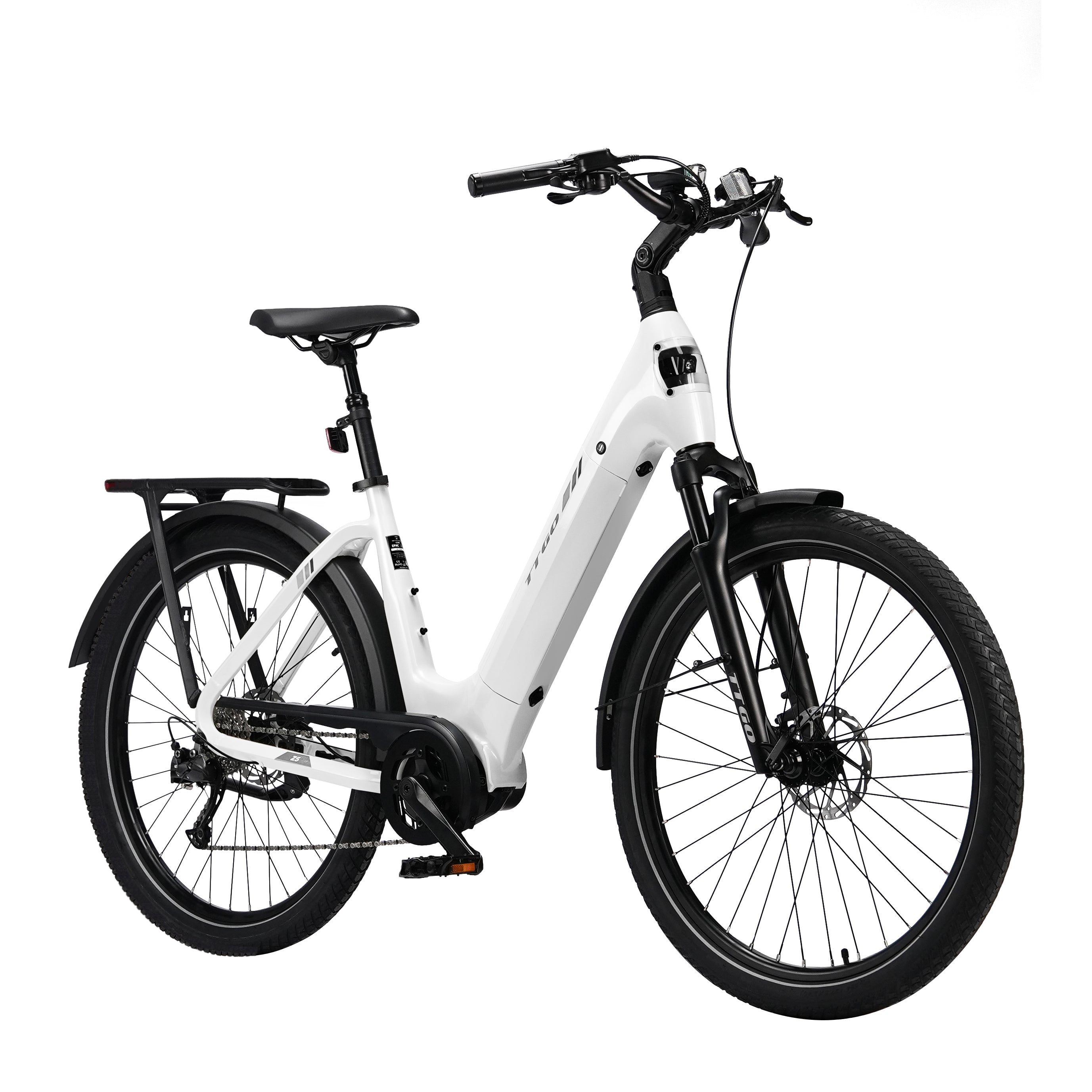
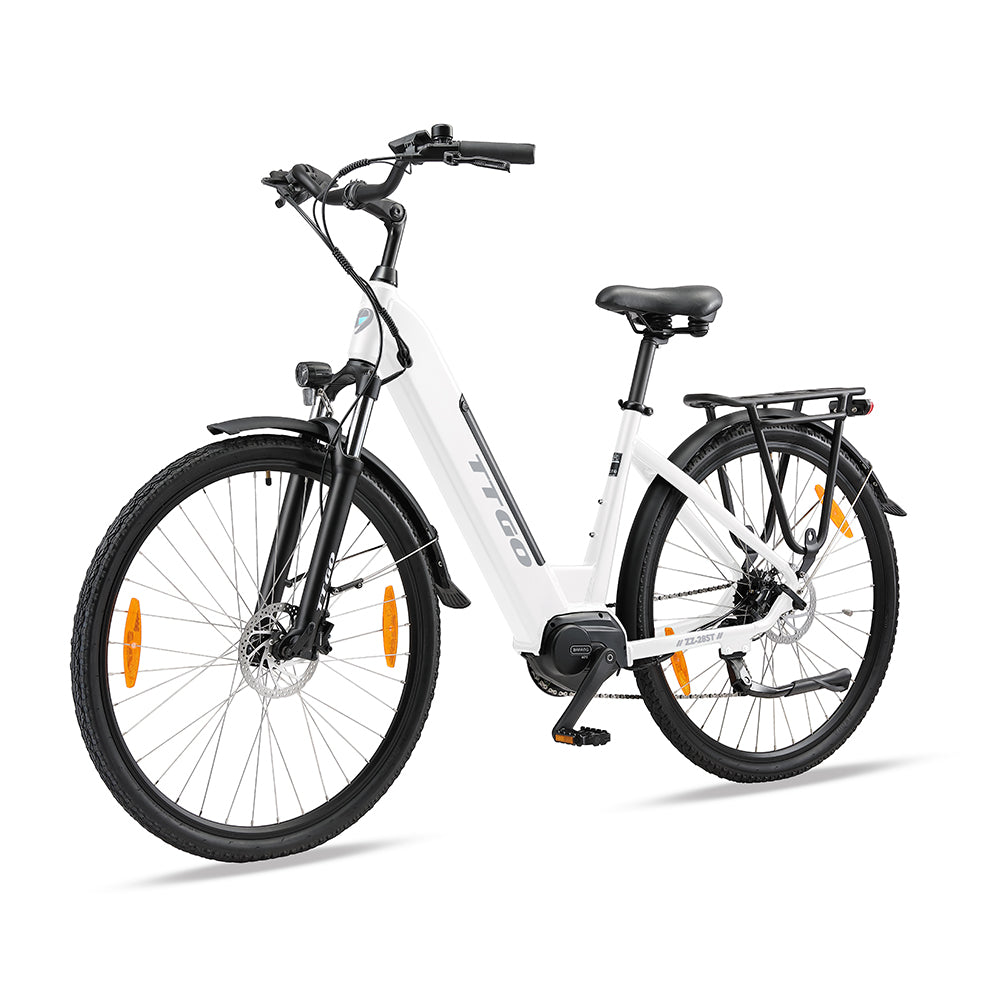
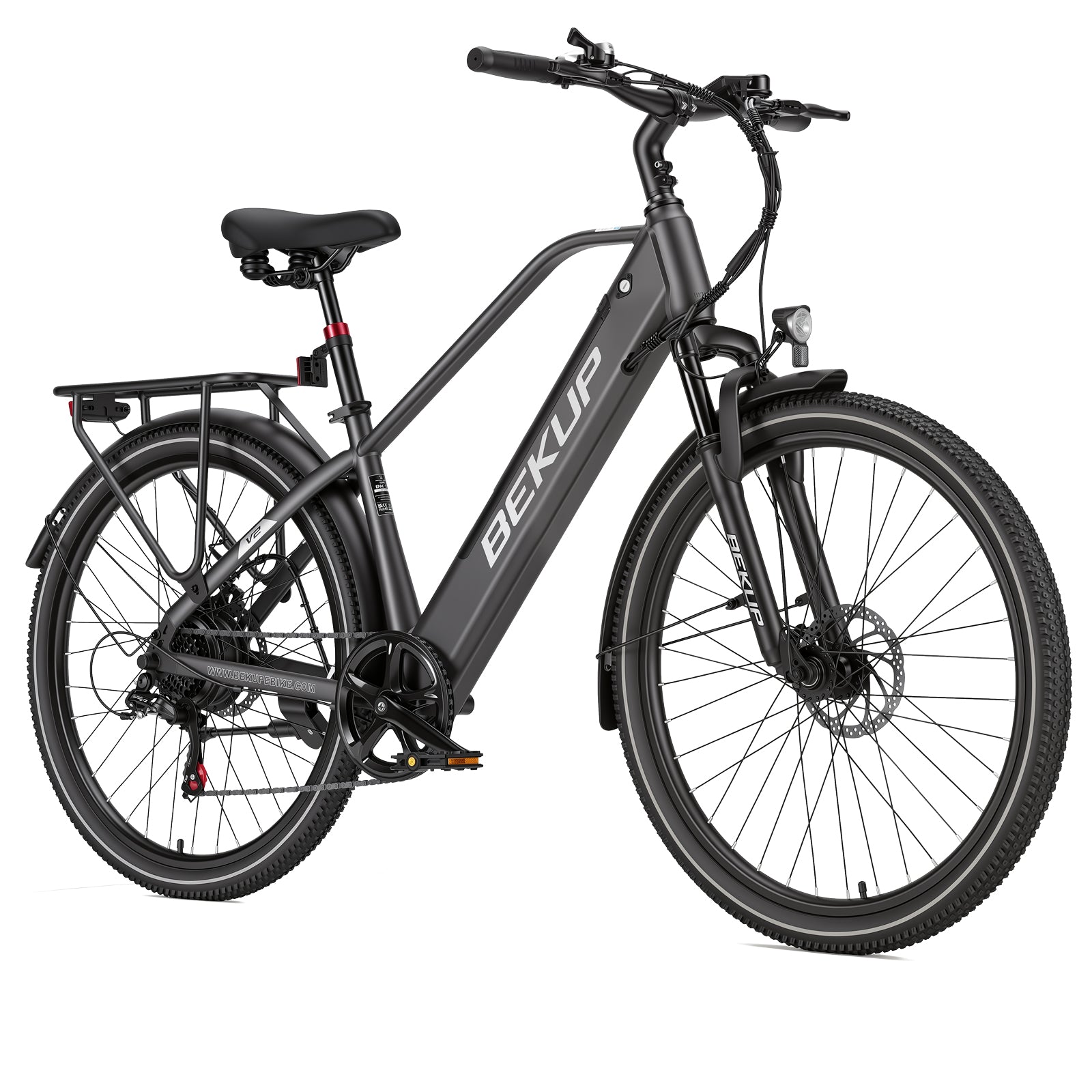
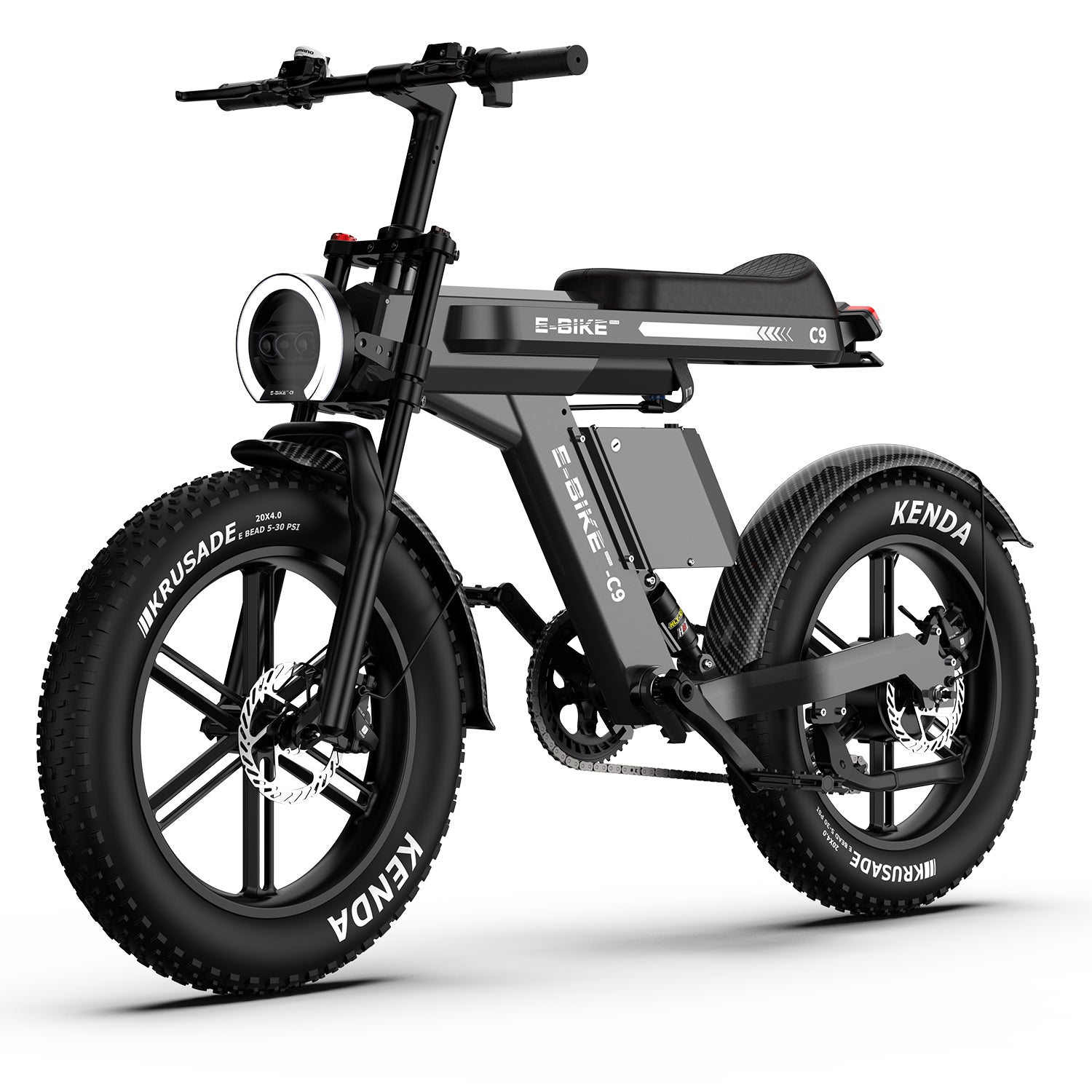
Niektórzy rowerzyści szukają roweru elektrycznego, który równoważy zwiększony zasięg z codzienną użytecznością, zamiast ekstremalnych specyfikacji. Konfiguracja łącząca system dwubateryjny, wysokiej jakości ogniwa baterii, hydrauliczne zawieszenie i hamulce hydrauliczne odzwierciedla to zrównoważone podejście.
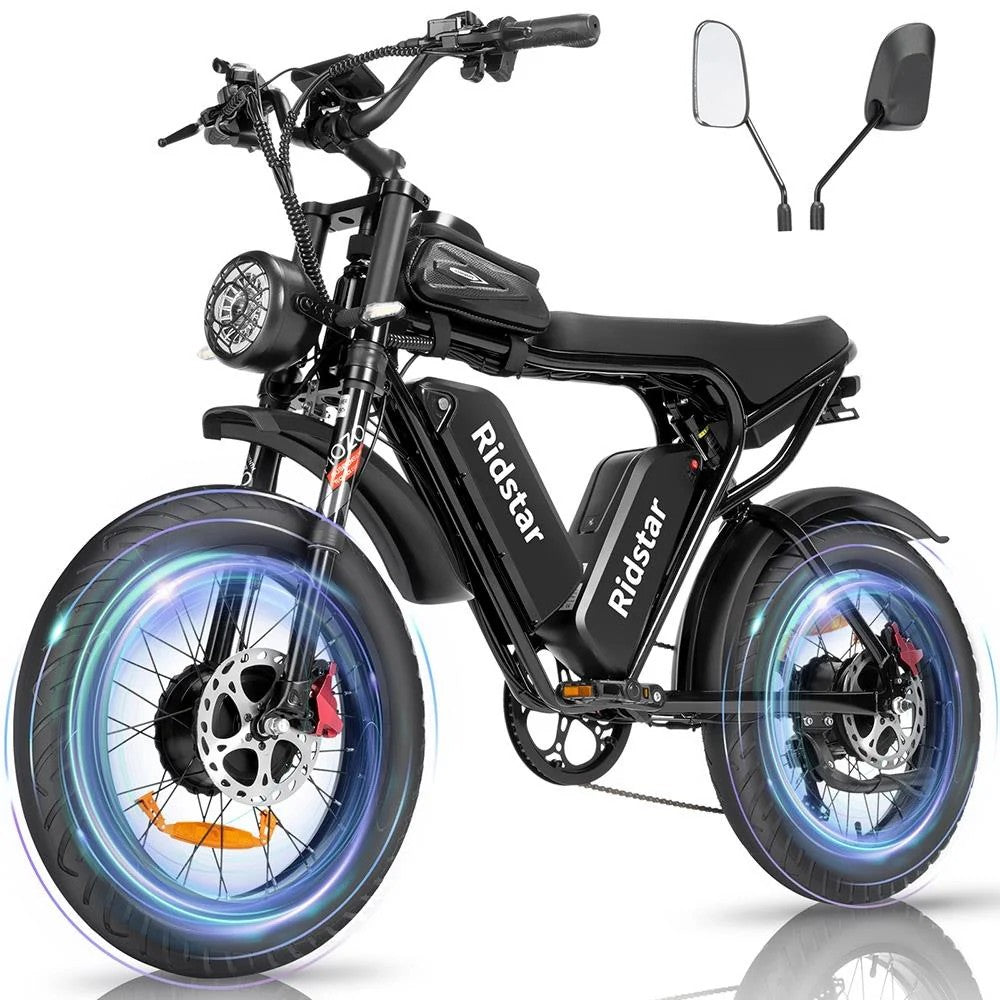
Na przykład rower elektryczny C9 wykorzystuje konfigurację dwubateryjną o łącznej pojemności 35 Ah zbudowaną na ogniwach baterii LG, w połączeniu z hydraulicznym zawieszeniem i hydraulicznymi hamulcami tarczowymi. Ten typ konfiguracji jest odpowiedni dla rowerzystów, którzy chcą dłuższego zasięgu bez poświęcania komfortu jazdy i kontroli.
Aspekty konserwacji podczas jazdy na długich dystansach
Jazda na dłuższych dystansach bardziej obciąża kluczowe komponenty, takie jak hamulce, opony i układ napędowy. Ustanowienie prostych nawyków konserwacyjnych pomaga utrzymać przewidywalną wydajność.
Rowerzyści, którzy zwiększają swoją typową długość jazdy, często korzystają z przestrzegania rutyny podobnej do tej przedstawionej w tym przewodniku po konserwacji e-roweru, zwłaszcza podczas częstej jazdy.
Wybór z myślą o długoterminowym użytkowaniu
Rower elektryczny o dużym zasięgu powinien wspierać zarówno codzienne rutyny, jak i okazjonalne dłuższe przejażdżki, bez konieczności ciągłego planowania lub regulacji.
Koncentrując się na rzeczywistym zasięgu, komforcie, pewności hamowania i niezawodności systemu, rowerzyści mogą wybrać rower elektryczny, który naturalnie wpasuje się w codzienne życie, oferując jednocześnie swobodę jazdy na dłuższe dystanse, gdy zajdzie taka potrzeba.