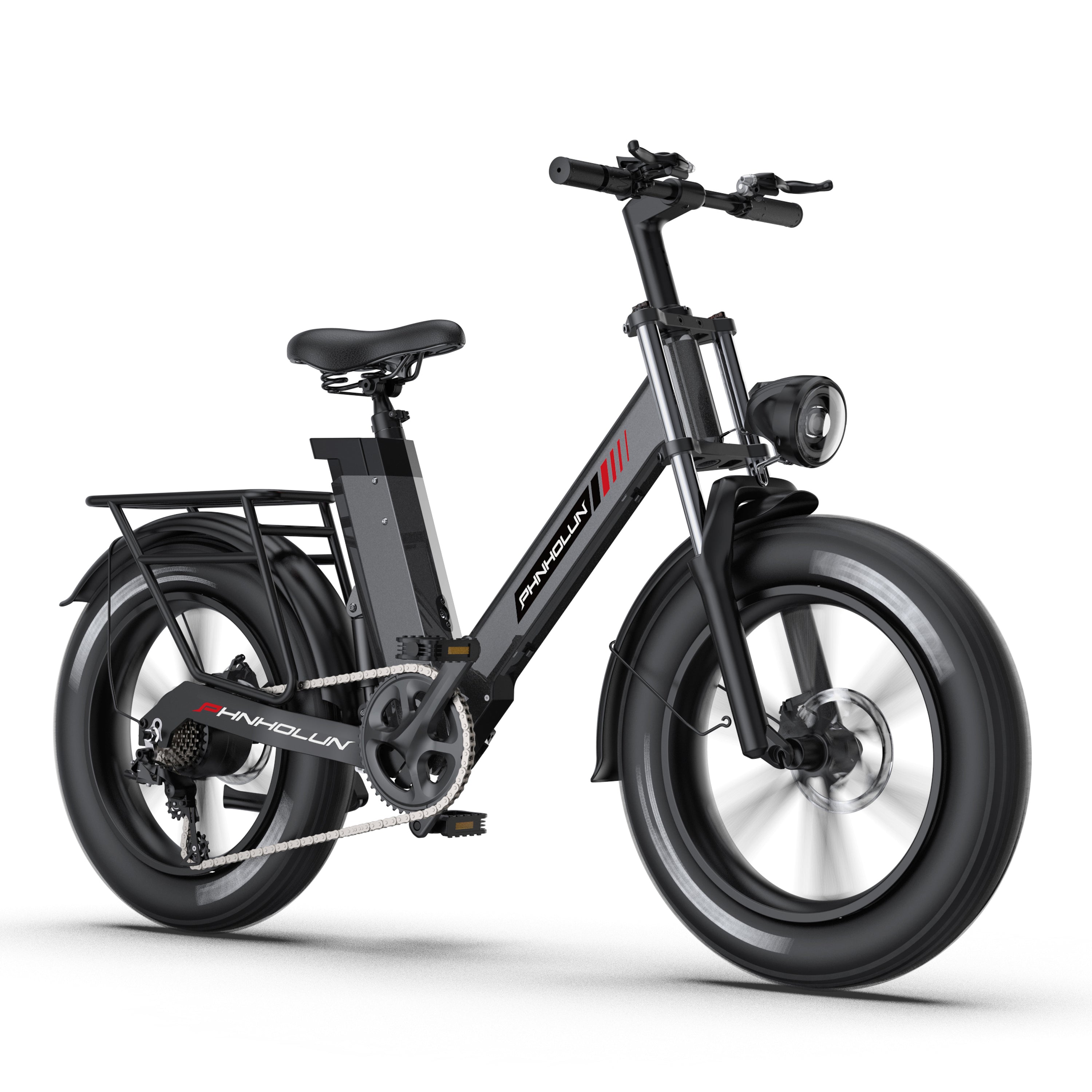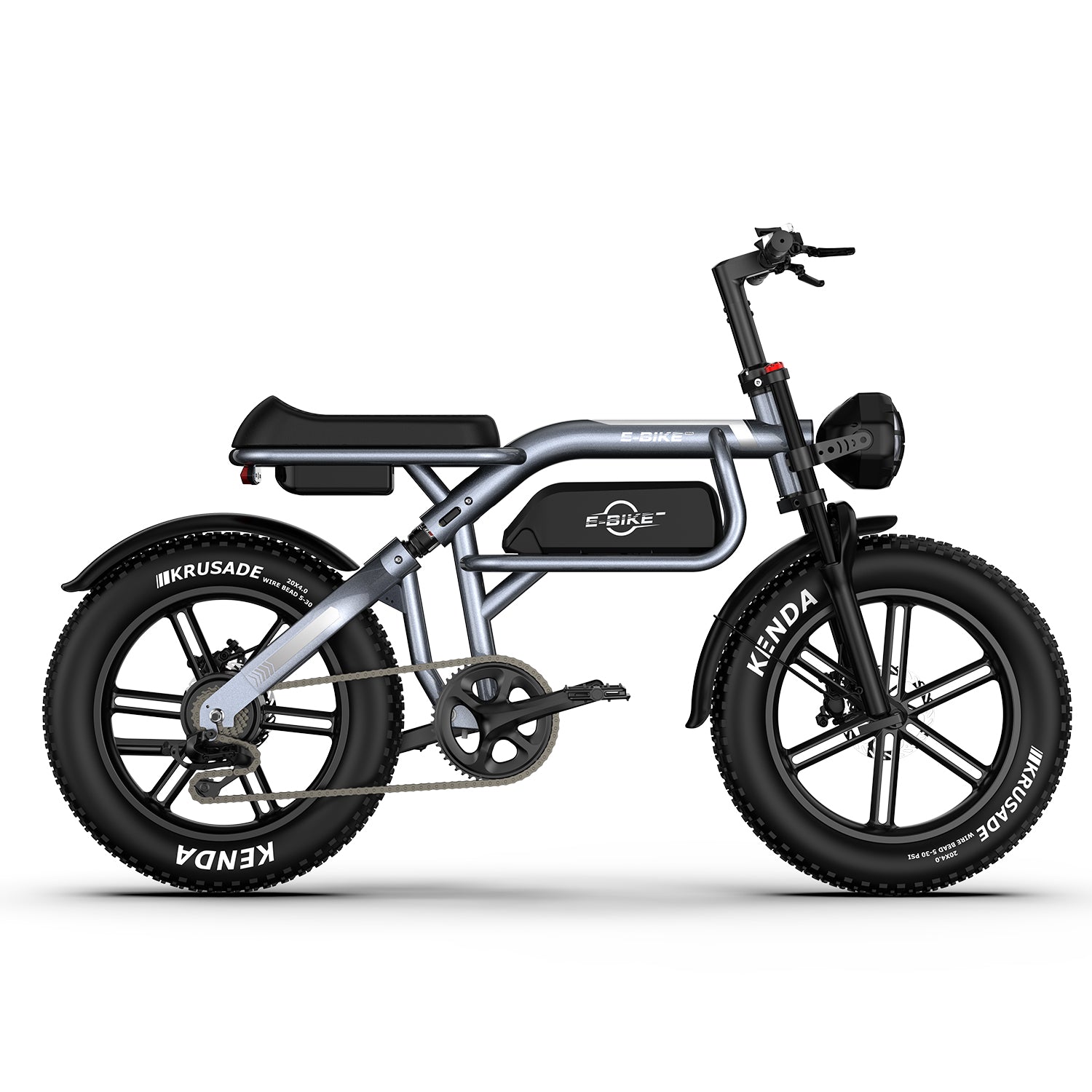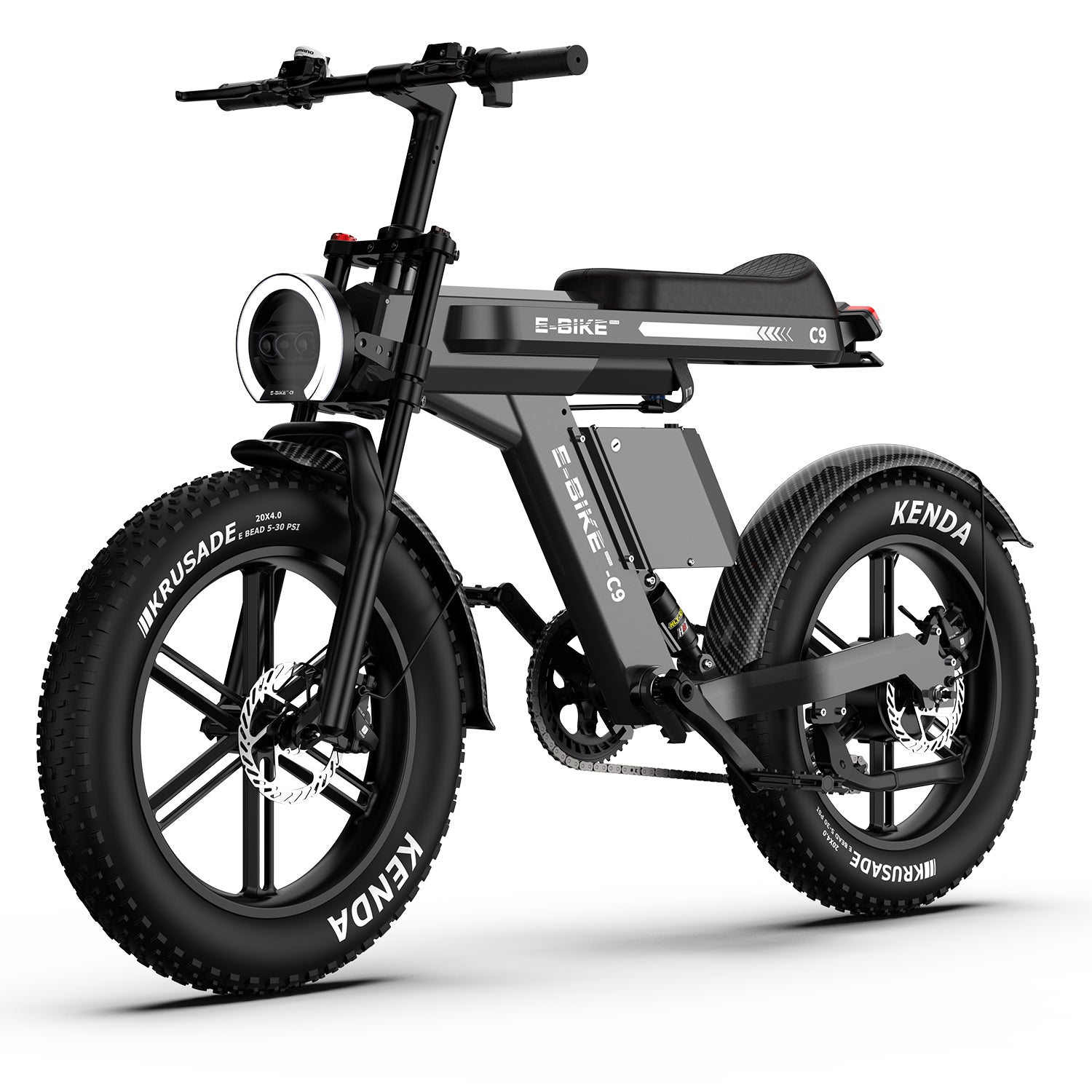

Zacznij od miasta, nie od roweru
Wybór roweru elektrycznego do dojazdów po europejskich miastach różni się od wyboru roweru na weekendowy wypoczynek. Mieszkańcy miast borykają się z ruchem ulicznym, wąskimi uliczkami, ścieżkami rowerowymi, deszczem, przechowywaniem w mieszkaniu i codzienną rutyną. Oznacza to, że najlepszy e-rower do dojazdów nie zawsze jest najmocniejszym modelem. Jest to ten, który pasuje do Twojej rutyny z najmniejszymi tarciami.
Zanim porównasz silniki czy parametry baterii, lepiej zadać sobie proste pytanie: jak ten rower będzie faktycznie używany każdego dnia?
Czego naprawdę potrzebują europejscy rowerzyści dojeżdżający do pracy
Większość europejskich rowerzystów używa e-rowerów do krótkich i średnich codziennych podróży. Jazda ta często obejmuje światła drogowe, nierówne drogi, parkowanie rowerów i zmienną pogodę. W takiej sytuacji komfort i kontrola są zazwyczaj ważniejsze niż prędkość maksymalna.
Na krótkie przejażdżki po mieście
Jeśli Twoja codzienna trasa ma mniej niż 5 km, wybierz rower, który jest łatwy w prowadzeniu. Lżejsza rama, wyprostowana pozycja jazdy i proste sterowanie sprawią, że krótkie przejażdżki będą płynniejsze i mniej stresujące.
Do codziennych dojazdów na dystansie 5–15 km
Jest to najczęstszy zakres dojazdów. Spójność baterii, stabilność hamowania, komfort siodełka i jakość opon stają się ważniejsze. Jeśli jeździsz na tym dystansie prawie każdego dnia, niewielkie różnice w komforcie stają się bardzo zauważalne z czasem.
Aby uzyskać więcej szczegółów na temat dopasowania e-roweru do codziennego użytkowania, przeczytaj ten przewodnik dotyczący wyboru e-roweru w oparciu o Twoją rutynę.
Na dłuższe dojazdy po mieście
Jeśli Twoje dojazdy są dłuższe niż 15 km w jedną stronę, zasięg staje się prawdziwym priorytetem. Większa bateria, wydajny system silnikowy i stabilna rama sprawią, że jazda będzie bardziej przewidywalna. Powinieneś również rozważyć, czy rower pozostaje komfortowy po 40 do 60 minutach jazdy.
Jeśli zasięg jest Twoim głównym zmartwieniem, możesz porównać kluczowe czynniki w tym przewodniku po e-rowerach o dużym zasięgu.
Komfort to cecha dojazdów
Komfort jest często niedoceniany przez początkujących kupujących. W przypadku codziennych dojazdów, wygodny e-rower może zmniejszyć zmęczenie, poprawić kontrolę i sprawić, że rowerzyści będą częściej korzystać z roweru, zamiast wracać do samochodów lub transportu publicznego.
Szukaj naturalnej pozycji jazdy, stabilnych opon, responsywnych hamulców i amortyzacji, która poradzi sobie z nierówną nawierzchnią. Te detale mają znaczenie na bruku, starych miejskich drogach i mokrych ścieżkach rowerowych.
Punkty zakupu skoncentrowane na komforcie są również omówione w tym przewodniku po komforcie e-roweru.
Pomyśl o przechowywaniu i parkowaniu
Wielu europejskich rowerzystów mieszka w mieszkaniach lub współdzielonych budynkach. To sprawia, że przechowywanie jest ważną częścią decyzji o zakupie. Rower, który wygląda idealnie online, może stać się niewygodny, jeśli jest zbyt ciężki do podniesienia, zbyt duży na korytarz lub trudny do zabezpieczenia na zewnątrz.
Jeśli w Twoim budynku jest ograniczona przestrzeń, rozważ rozmiar ramy, szerokość kierownicy, wagę i to, czy bateria może być wyjmowana do ładowania. Dla rowerzystów mieszkających w mniejszych domach, ten przewodnik po przechowywaniu e-roweru w małych przestrzeniach może pomóc w planowaniu przed zakupem.
Pogoda ma znaczenie w Europie
Europejskie dojazdy często oznaczają jazdę w deszczu, wietrze i chłodniejszych porach roku. Praktyczny miejski e-rower powinien mieć niezawodne hamulce, dobre oświetlenie, błotniki i opony, które poradzą sobie z mokrymi drogami.
Codzienni rowerzyści powinni również zrozumieć, jak pogoda wpływa na konserwację. Deszcz, sól i brud mogą zwiększyć zużycie łańcucha, hamulców i komponentów elektrycznych. Dla rowerzystów jeżdżących przez cały rok, warto przeczytać ten przewodnik po konserwacji roweru elektrycznego w warunkach europejskiej pogody.
Końcowe przemyślenia
Najlepszy rower elektryczny do dojazdów po europejskich miastach nie jest definiowany przez jedną specyfikację. Jest on definiowany przez to, jak dobrze rower radzi sobie z Twoim dystansem, sytuacją z przechowywaniem, pogodą, potrzebami komfortu i codziennymi nawykami jazdy.
Jeśli rower pasuje do Twojej rzeczywistej rutyny, dojazdy stają się łatwiejsze, bardziej przewidywalne i przyjemniejsze.