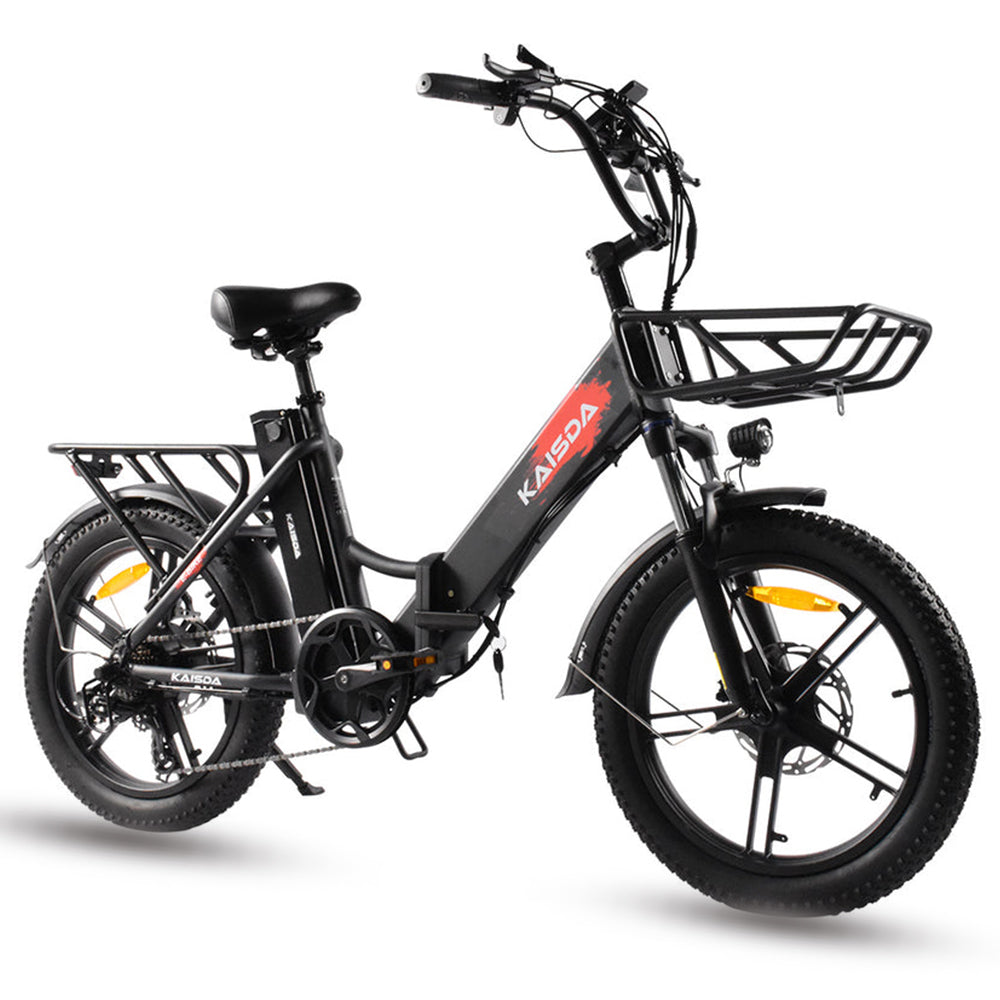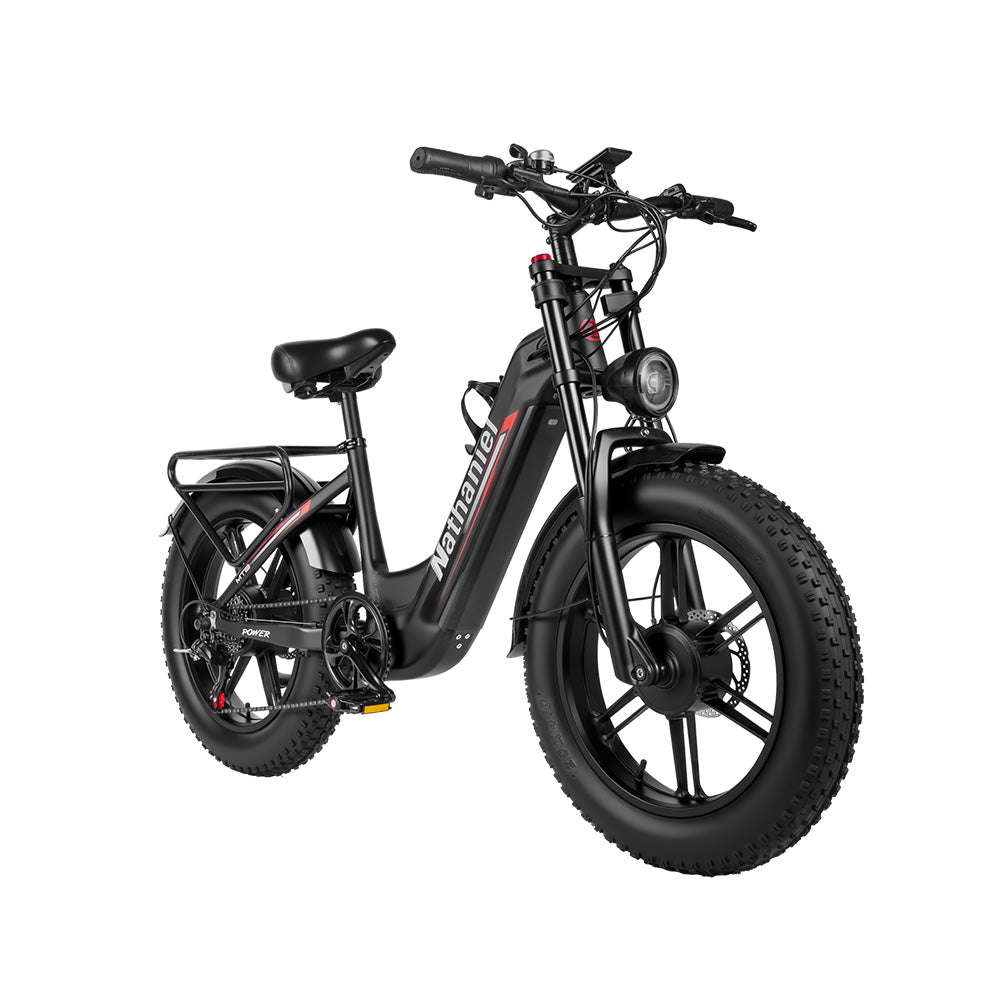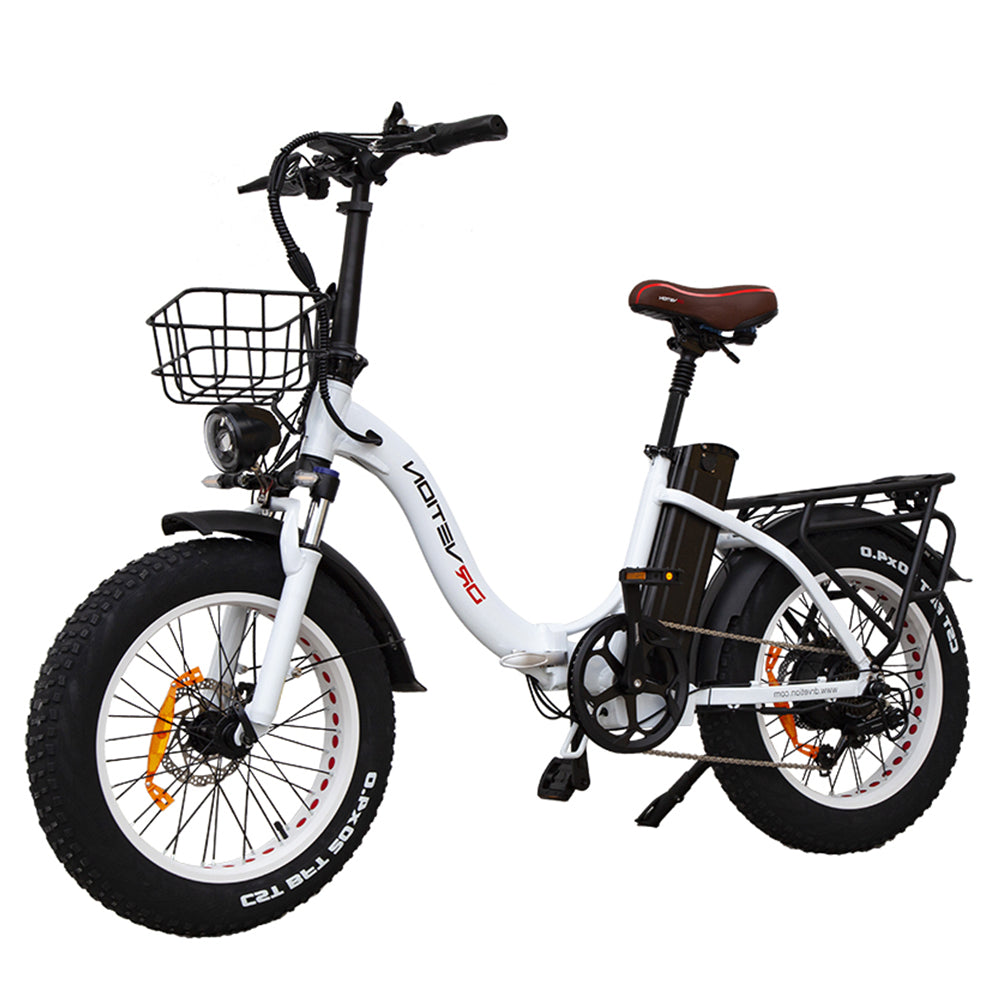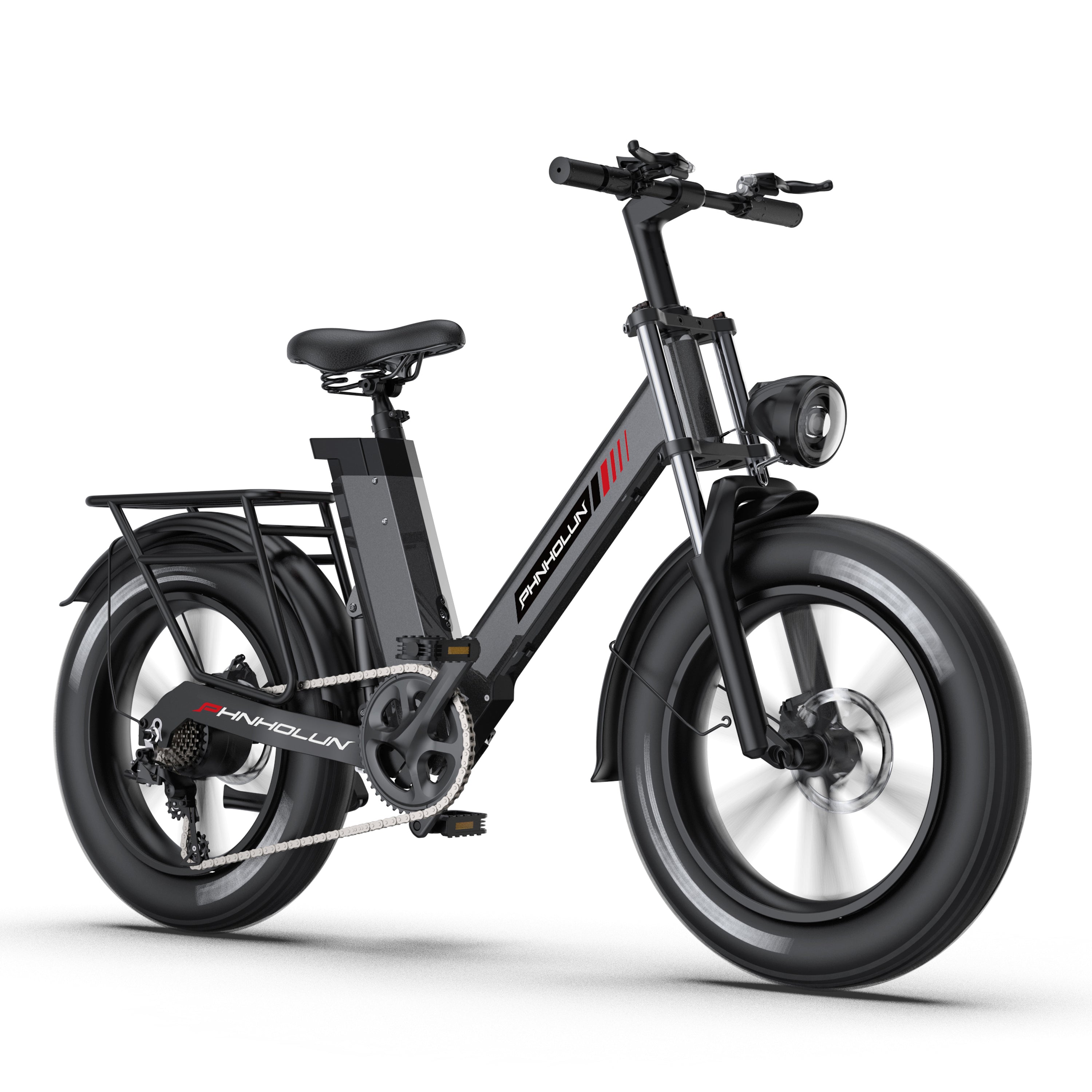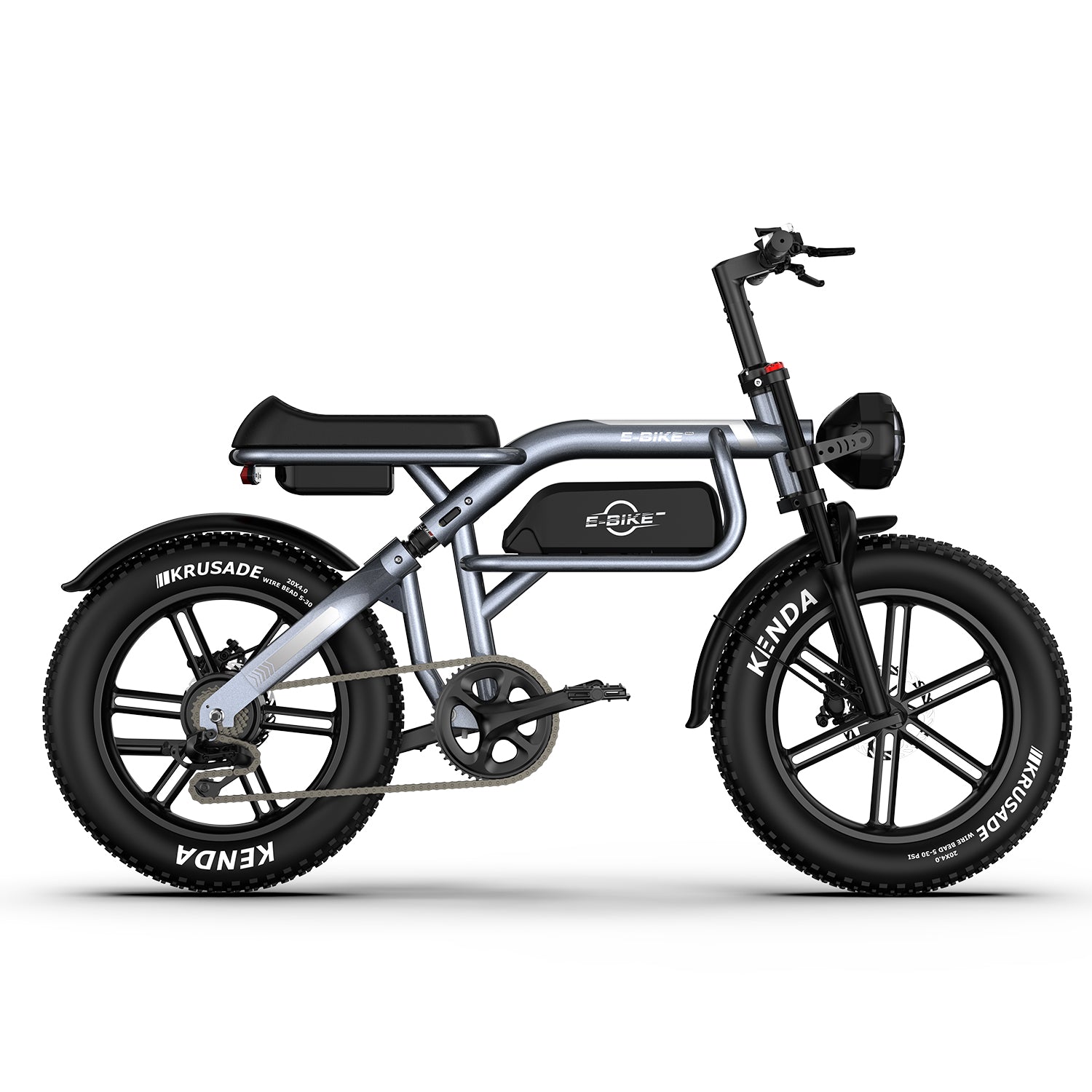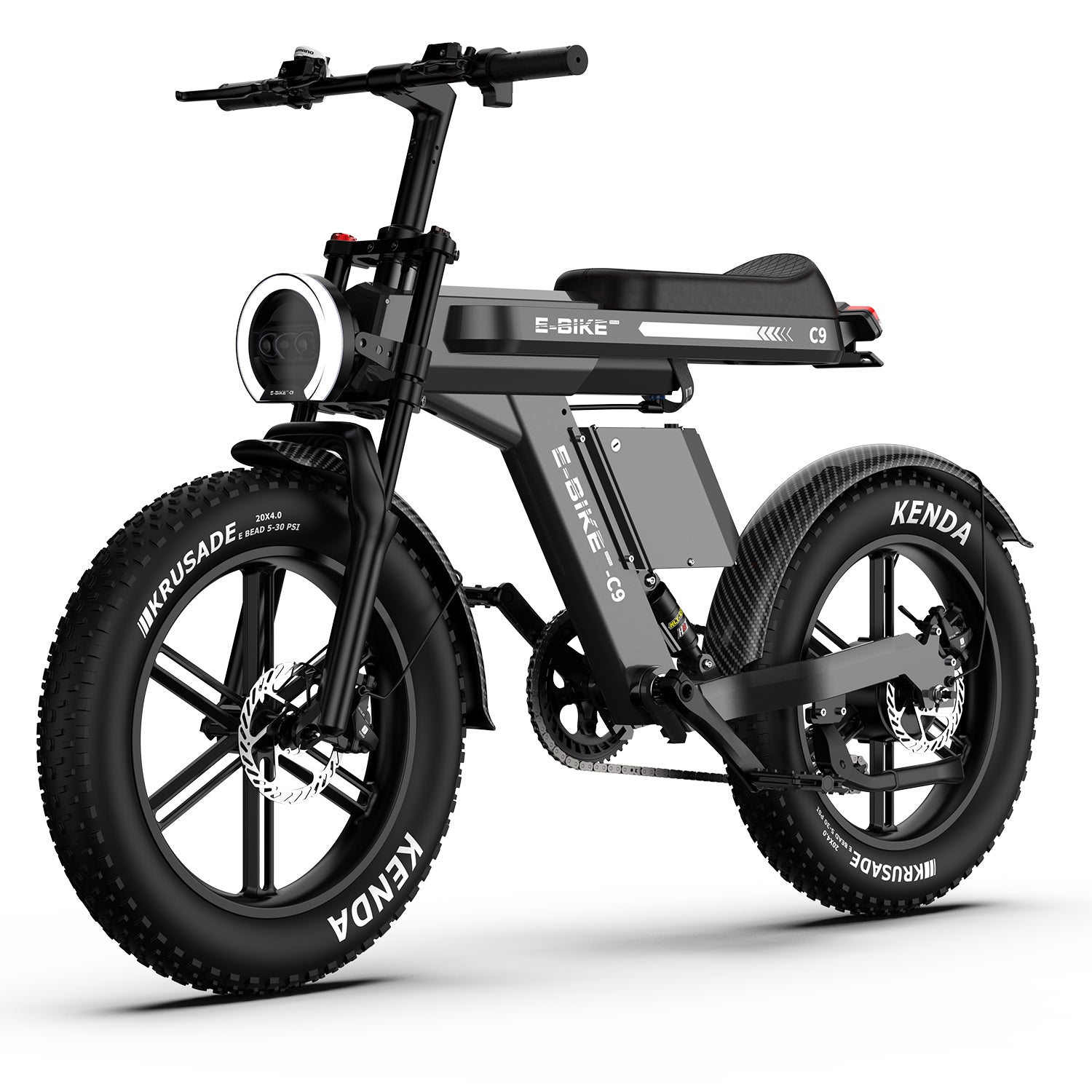

Why Suspension Fork Maintenance Matters
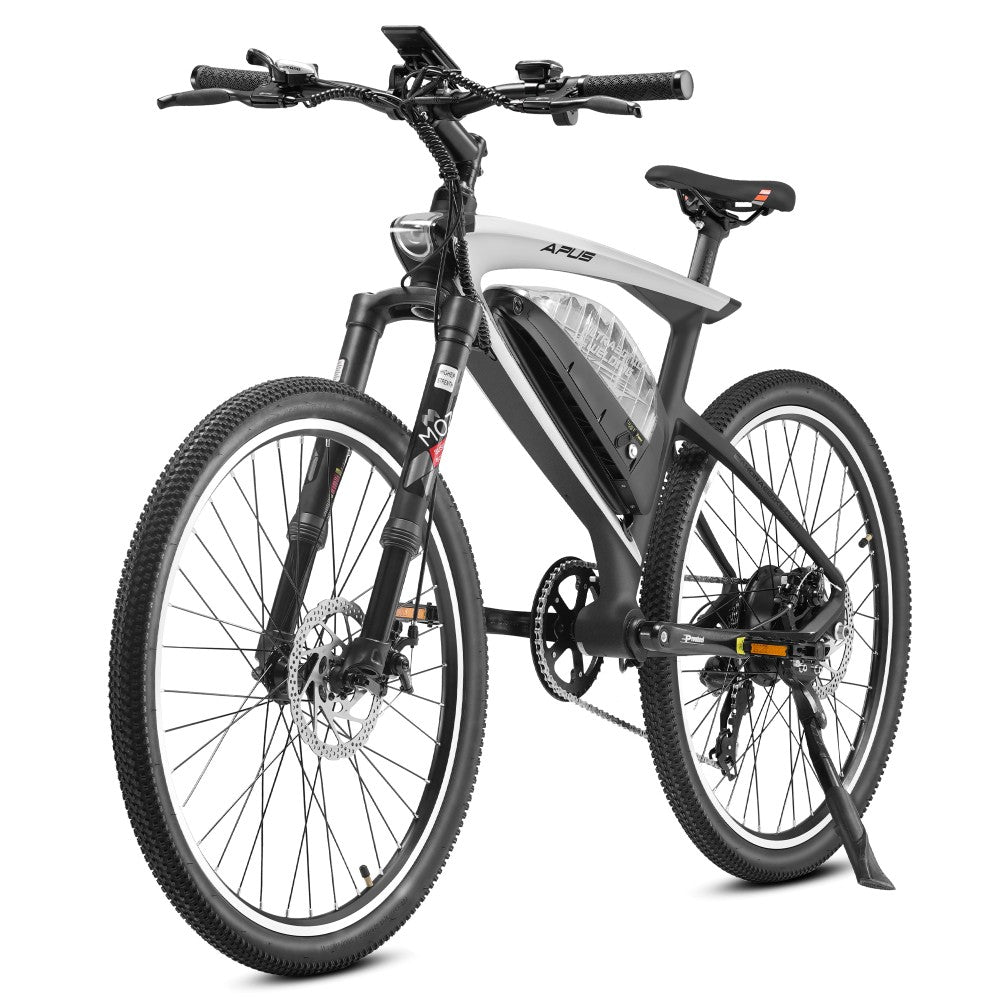
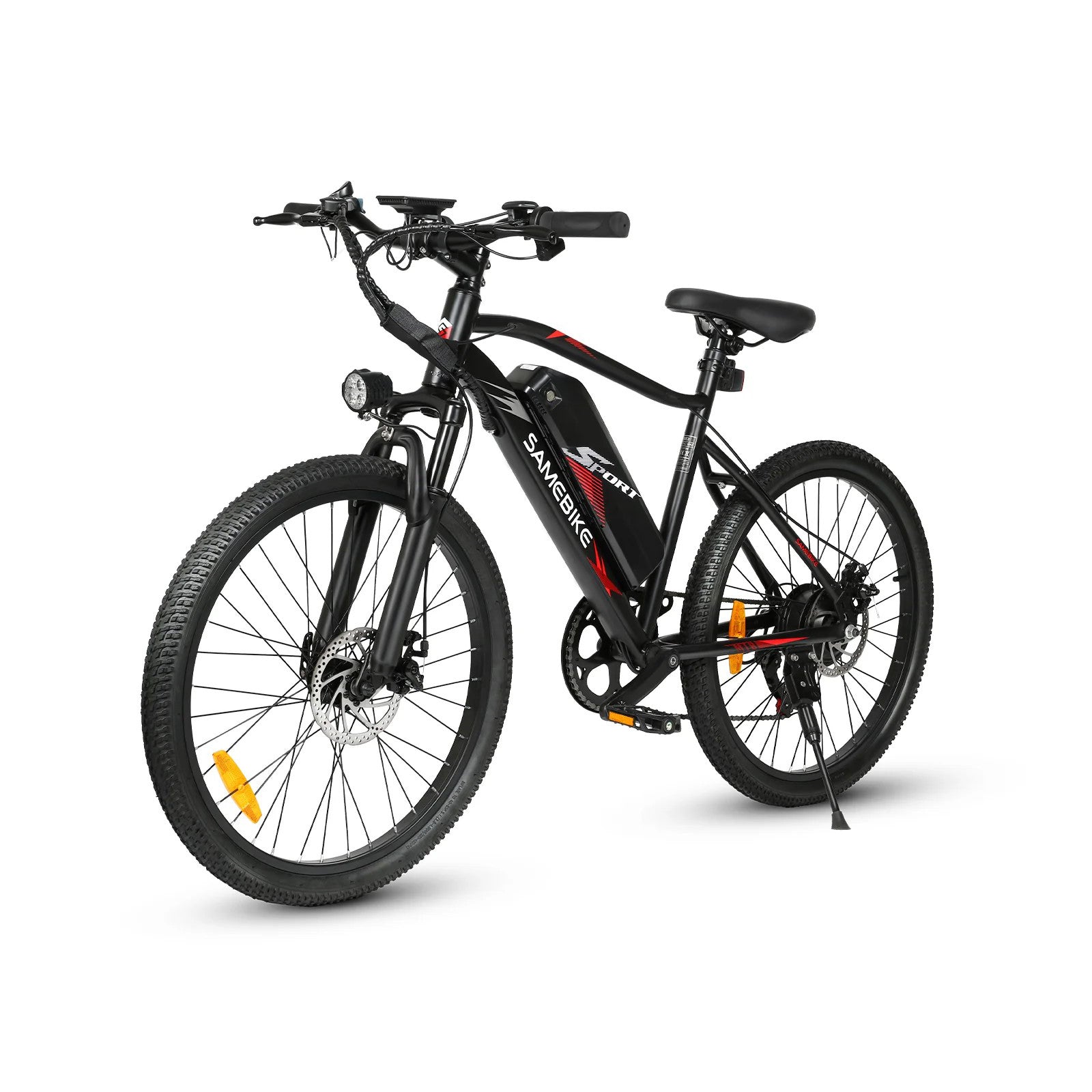
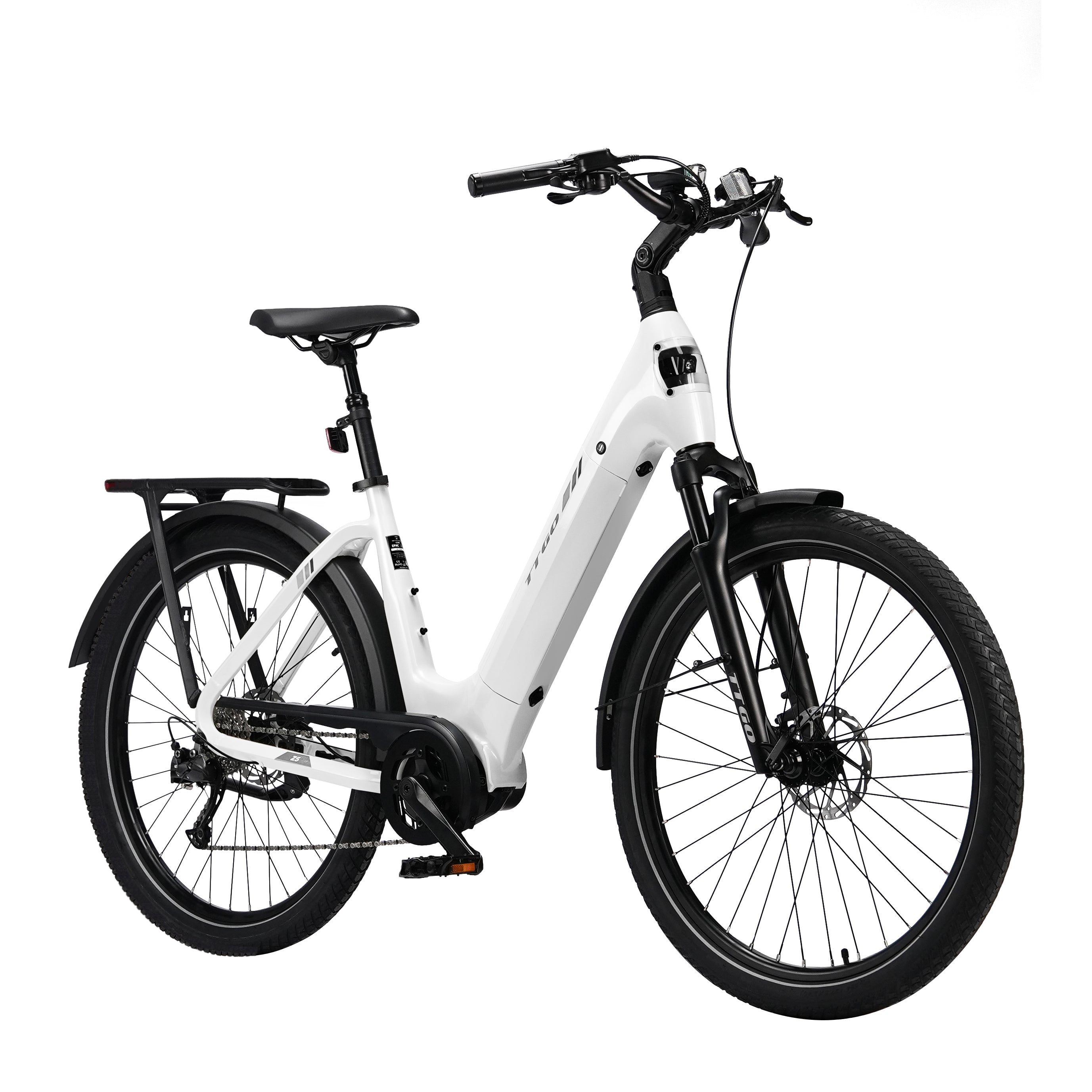
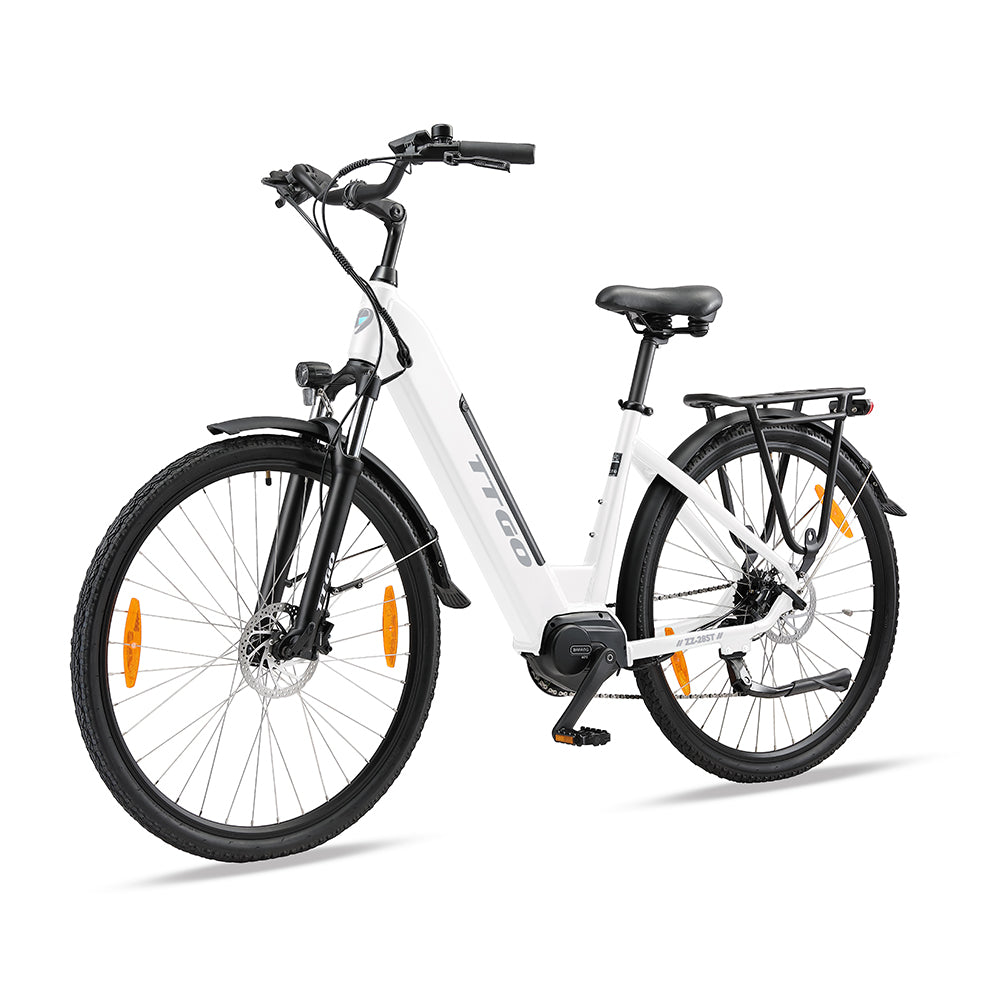
Many electric bikes use a front suspension fork to make daily riding more comfortable. It helps absorb vibration from rough roads, paving stones, gravel paths, potholes, and uneven city surfaces. But like tyres, brakes, and chains, a suspension fork also needs basic maintenance.
For European riders, front suspension can make a big difference because city routes often include old streets, curb cuts, wet roads, tram areas, park paths, and mixed surfaces. If the fork becomes dirty, dry, loose, or noisy, the bike may feel less comfortable and less controlled.
This guide explains how to care for an electric bike suspension fork, what to check before riding, and when a fork may need professional service.
Understand What the Front Fork Does
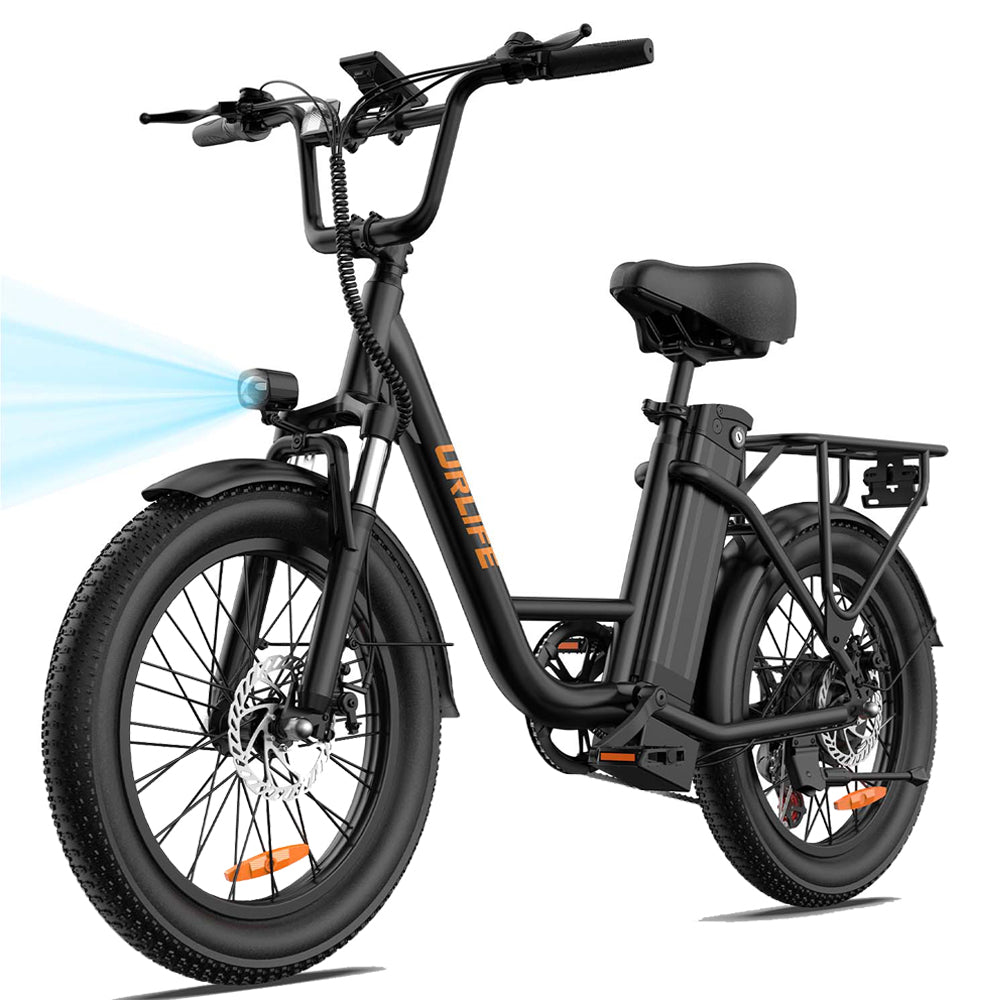
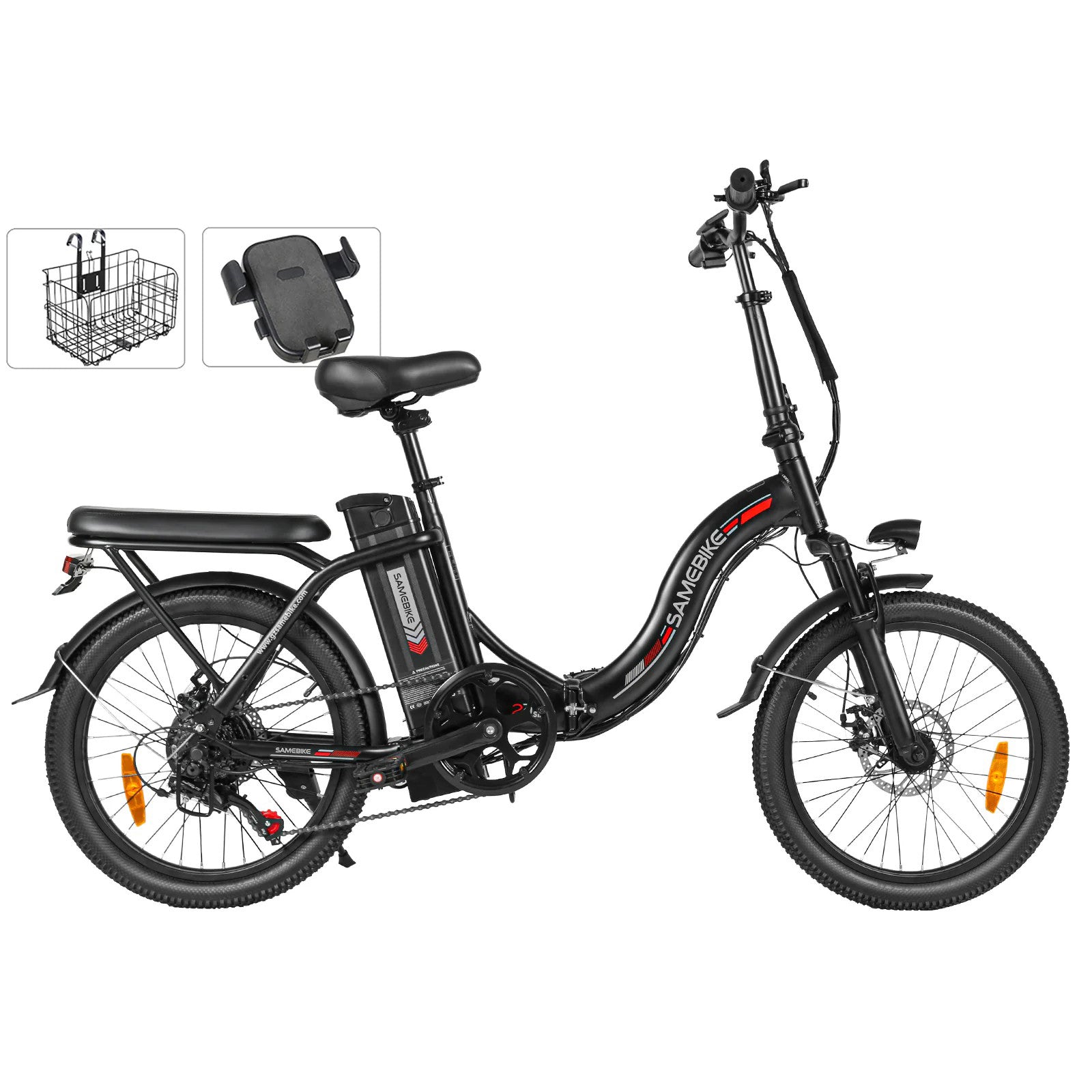
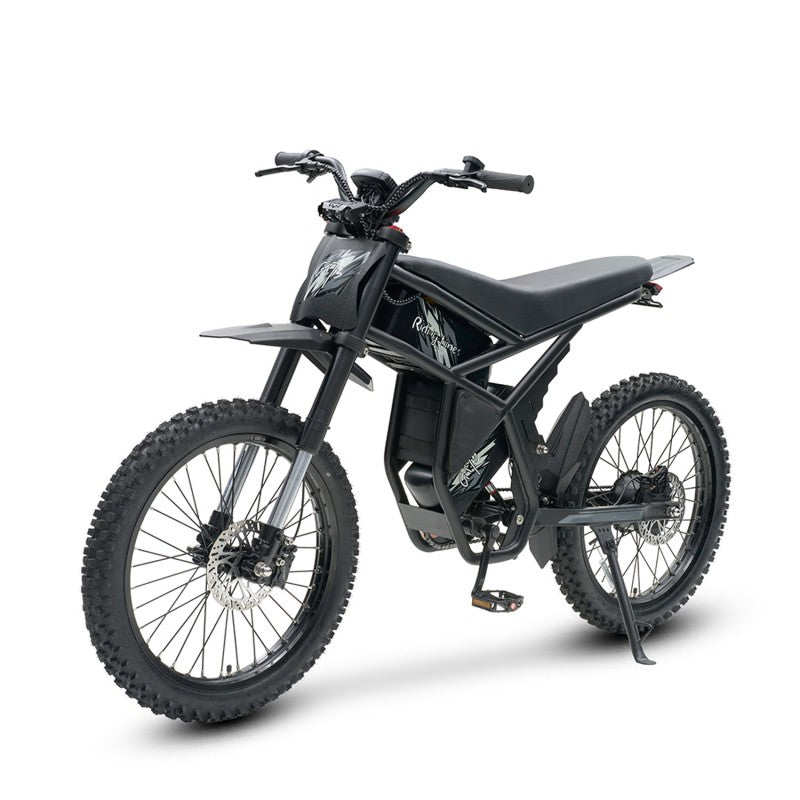
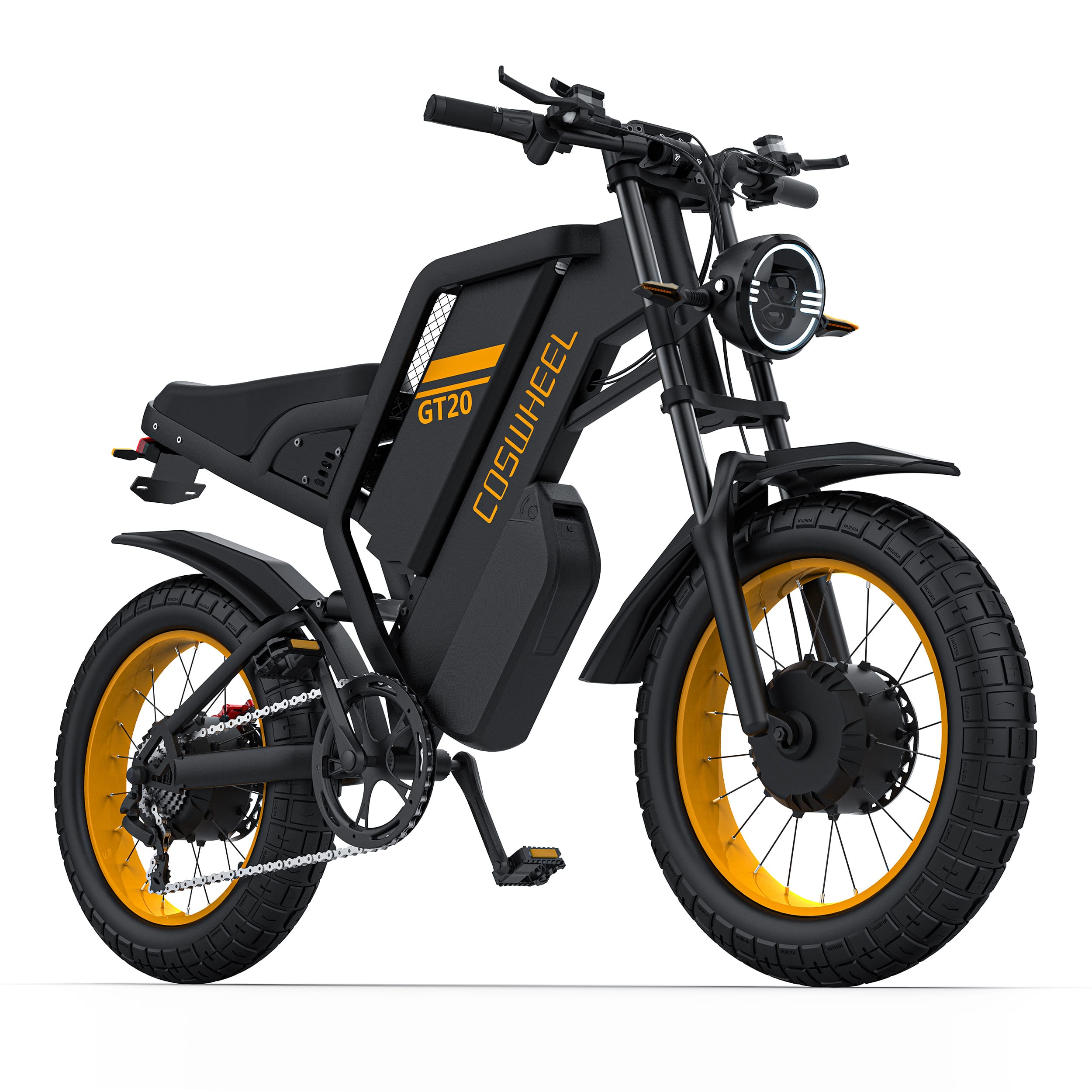
A suspension fork is designed to reduce impact before it reaches the rider’s hands, arms, shoulders, and frame. On a commuter e-bike, it improves comfort. On a fat tire e-bike or light trail e-bike, it also helps the front wheel stay more controlled over uneven surfaces.
However, suspension is not a replacement for careful riding. Large potholes, high curbs, deep mud, and aggressive impacts can still damage the bike or reduce control. A well-maintained fork helps, but riders should still choose safe lines and avoid unnecessary hard impacts.
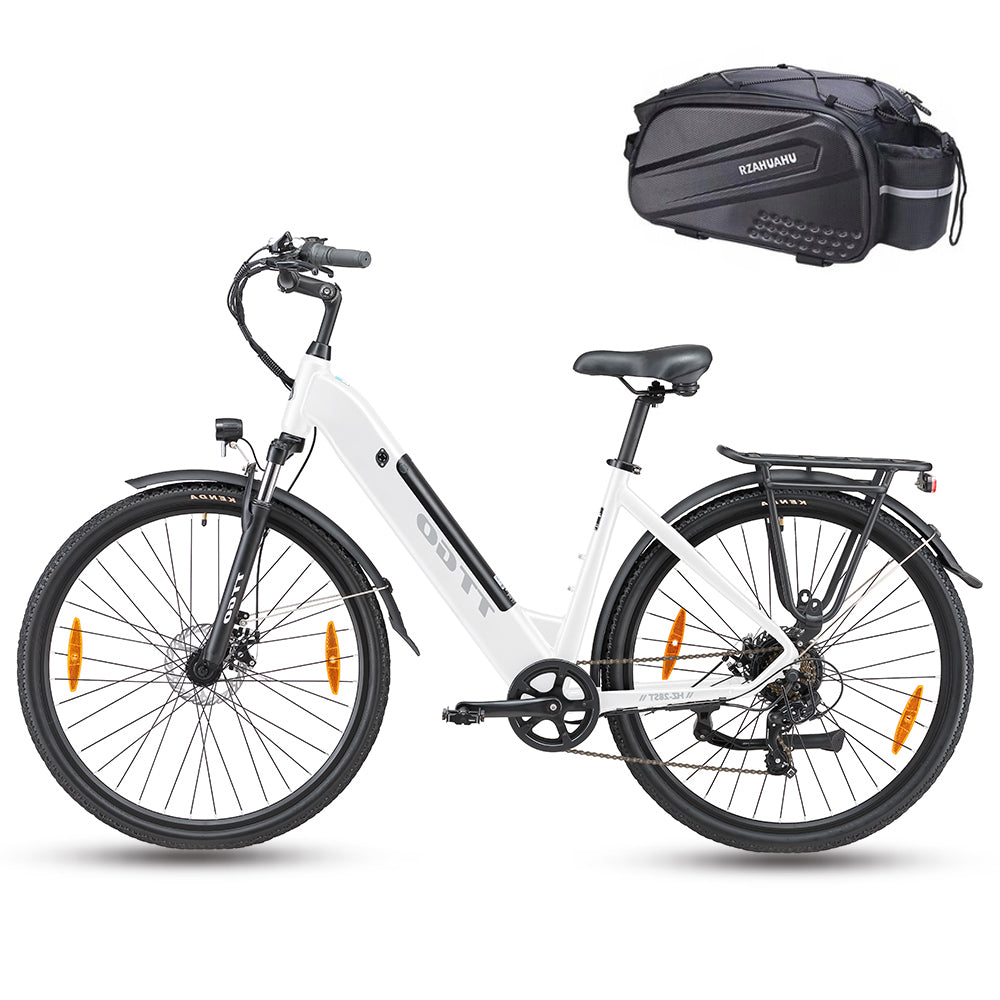
If comfort is one of your main buying concerns, read this guide on choosing a comfortable electric bike.
Wipe the Fork Stanchions After Dirty Rides
The visible upper tubes of the suspension fork are often called stanchions. Dirt, dust, sand, and road grime can collect on these surfaces during rides. If left there, this dirt can move toward the seals when the fork compresses.
After wet, dusty, or muddy rides, wipe the fork stanchions with a clean soft cloth. This simple habit helps keep the moving surfaces cleaner and may reduce long-term wear around the dust seals.
Simple Cleaning Routine
Wipe the stanchions with a clean dry cloth after dirty rides.
Remove mud before it dries and hardens around the seals.
Avoid spraying high-pressure water directly at the fork seals.
Dry the fork area before storing the bike.
Avoid High-Pressure Washing Around Fork Seals
A pressure washer may seem like the fastest way to clean a dirty e-bike, but it can push water and dirt into sensitive areas. The suspension fork seals are one of those areas. Strong water pressure can force moisture toward seals, bushings, bearings, and other moving parts.
Use a controlled cleaning method instead. A soft cloth, gentle water flow, and mild bike cleaner are usually enough. The goal is to remove dirt without forcing water into the fork or electrical components.
For a safer full-bike cleaning routine, read this guide on how to wash an electric bike safely.
Check for Unusual Fork Noise
A healthy suspension fork should move smoothly. If you hear knocking, clicking, scraping, or creaking from the front of the bike, inspect the fork, headset, front wheel, brake area, and handlebar assembly before continuing long rides.
Not every front-end noise comes from the fork itself. Sometimes the source is a loose headset, loose front axle, brake caliper, mudguard, cable, or handlebar bolt. The best approach is to check one area at a time.
For broader noise diagnosis, see this electric bike noise diagnosis guide.
Inspect the Fork for Oil, Rust, or Damage
Regular visual checks can catch problems early. Look at the fork stanchions, lower legs, seals, arch, bolts, and mounting points. The fork should not show deep scratches, bending, rust, leaking oil, or unusual movement.
If the fork uses an oil-damped system, visible oil around the seals may suggest a service issue. If the stanchions are scratched, the fork may wear faster and should be inspected. If the fork feels sticky, harsh, or does not rebound normally, stop riding aggressively and get it checked.
Warning Signs to Watch
Oil residue around the fork seals.
Deep scratches on the stanchions.
Rust around exposed metal parts.
A fork that feels stuck, harsh, or uneven.
Knocking sound when braking or going over bumps.
Use Lockout and Preload Properly
Some electric bikes include a lockout or preload adjustment on the front fork. Lockout can make the fork firmer for smoother roads, while preload can adjust how the fork responds to rider weight and road impact.
Do not force adjustment knobs beyond their normal range. If the fork has a lockout, avoid riding aggressively over rough surfaces while fully locked, unless the manufacturer says it is suitable. A locked fork is less able to absorb impact.
For riders using a comfort commuter e-bike, the goal is not to make the fork extremely soft or extremely hard. The goal is to make the ride controlled and predictable for your weight, route, and riding style.
Check the Front Wheel and Brake Area Together
The suspension fork works closely with the front wheel and front brake. If the front wheel is not secure, the brake caliper is loose, or the rotor rubs heavily, the bike may feel unstable even if the fork itself is fine.
Before regular riding, check that the front wheel is properly secured, the tyre is correctly inflated, the brake feels responsive, and no cable is rubbing against the tyre or fork. Small issues at the front of the bike can affect steering confidence quickly.
If brake noise appears near the front wheel, read this disc brake noise guide.
Fat Tire E-Bikes Need Fork Checks Too
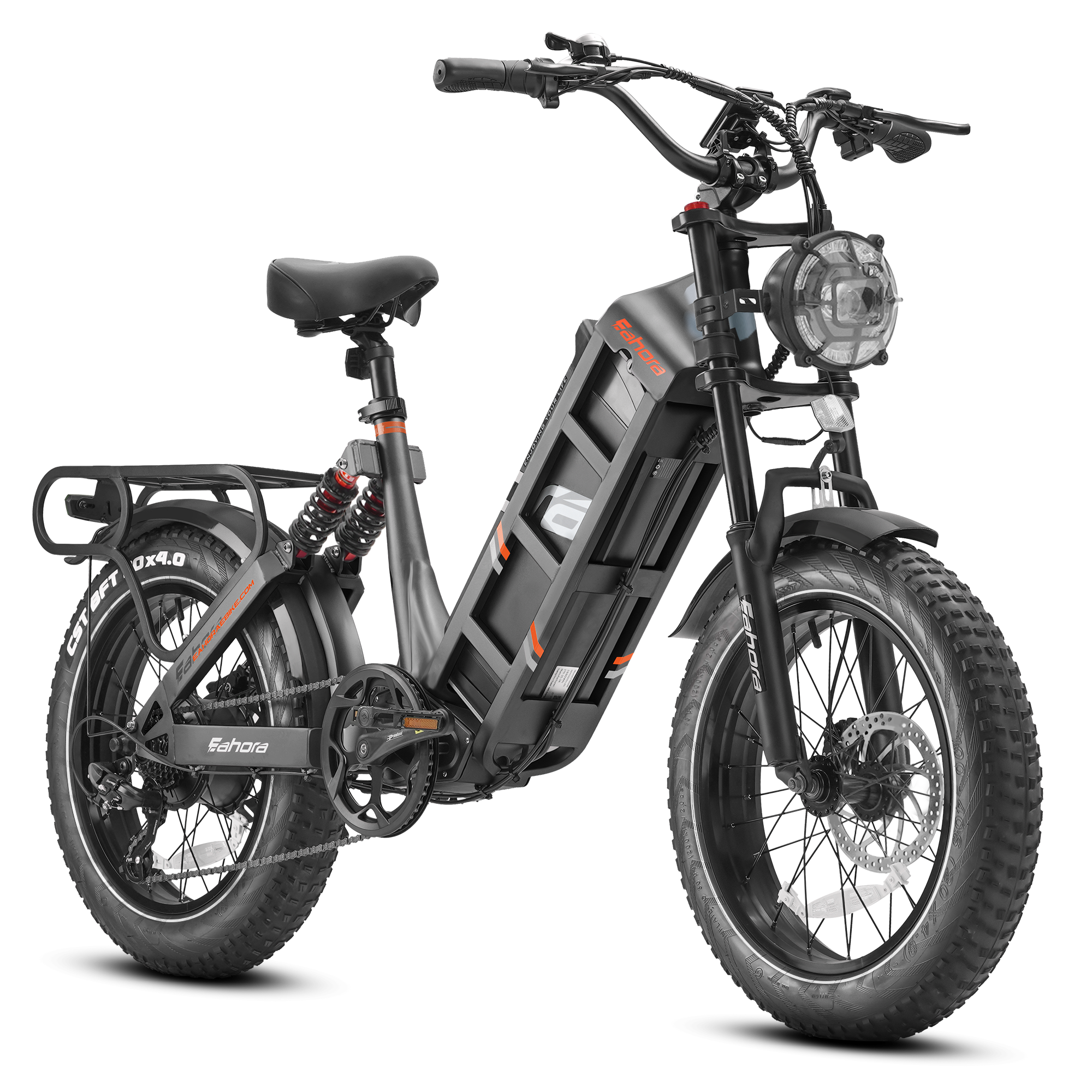
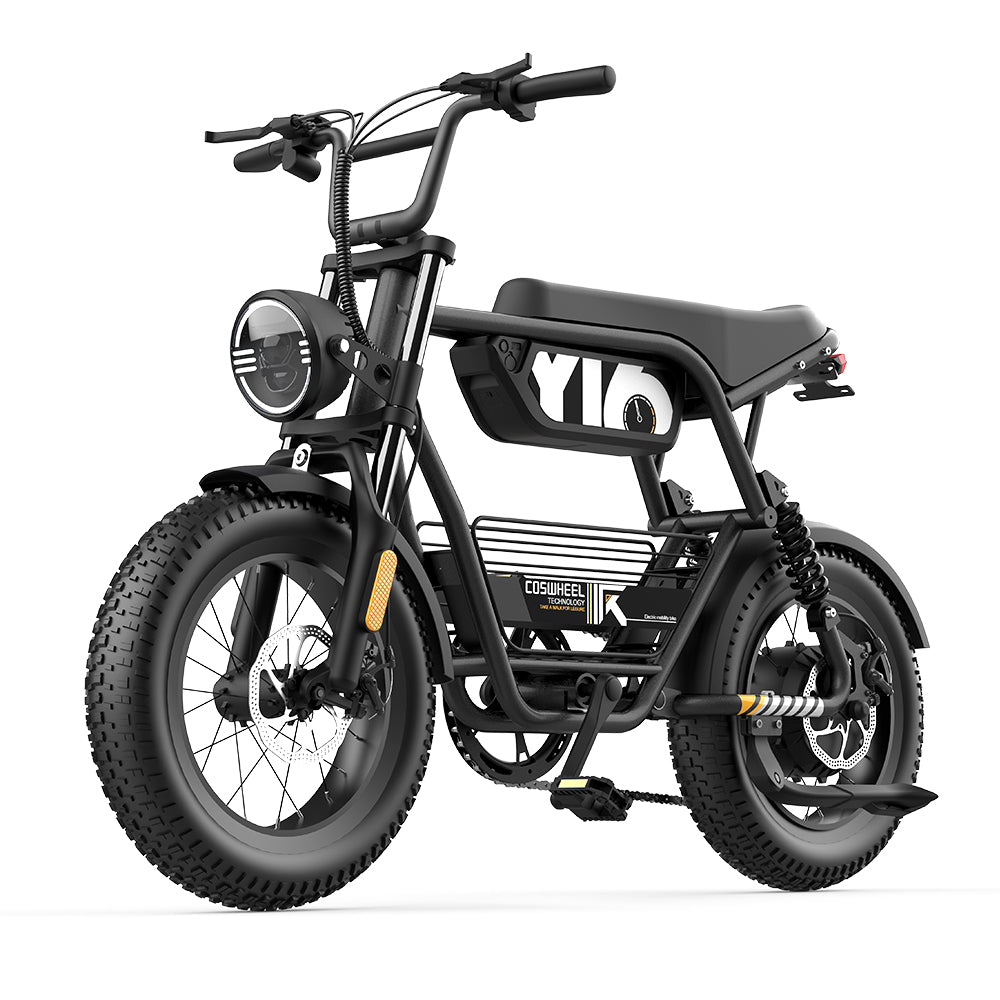
Fat tire e-bikes often feel stable because of their wide tyres, but the front suspension still matters. Wide tyres can absorb some vibration, while the fork helps manage stronger impacts and uneven road changes.
If you ride a heavier fat tire e-bike, cargo e-bike, or long-range model, the front fork can experience extra load from bike weight, rider weight, cargo, and rougher terrain. Regular inspection becomes even more important.
If you are comparing wide-tyre models, read this fat tire vs city electric bike guide.
When to Get Professional Fork Service
Basic cleaning and inspection can be done at home, but internal suspension service should usually be handled by a qualified technician. If the fork leaks oil, loses smooth movement, bottoms out too easily, makes repeated knocking sounds, or shows visible damage, it should be checked professionally.
Riders who use an e-bike every day, carry cargo, or ride on rough roads may need fork inspection more often than occasional leisure riders. The more frequently the bike is used, the more important small checks become.
Quick Suspension Fork Maintenance Checklist
Wipe the fork stanchions after muddy, wet, or dusty rides.
Avoid high-pressure washing around fork seals.
Check for oil, rust, scratches, or unusual movement.
Listen for knocking, clicking, scraping, or creaking from the front end.
Check the front wheel, brake caliper, rotor, and cables together with the fork.
Use lockout and preload features properly if your fork includes them.
Get professional service if the fork leaks, sticks, or feels unsafe.
Final Thoughts
Electric bike suspension fork maintenance does not need to be complicated. The most important habits are simple: keep the fork clean, avoid pressure washing, inspect for damage, listen for new noises, and check the front wheel and brake area regularly.
For daily riders, a well-maintained suspension fork helps the e-bike feel smoother, quieter, and more controlled. It is one of the small maintenance areas that can make a big difference to everyday riding comfort.