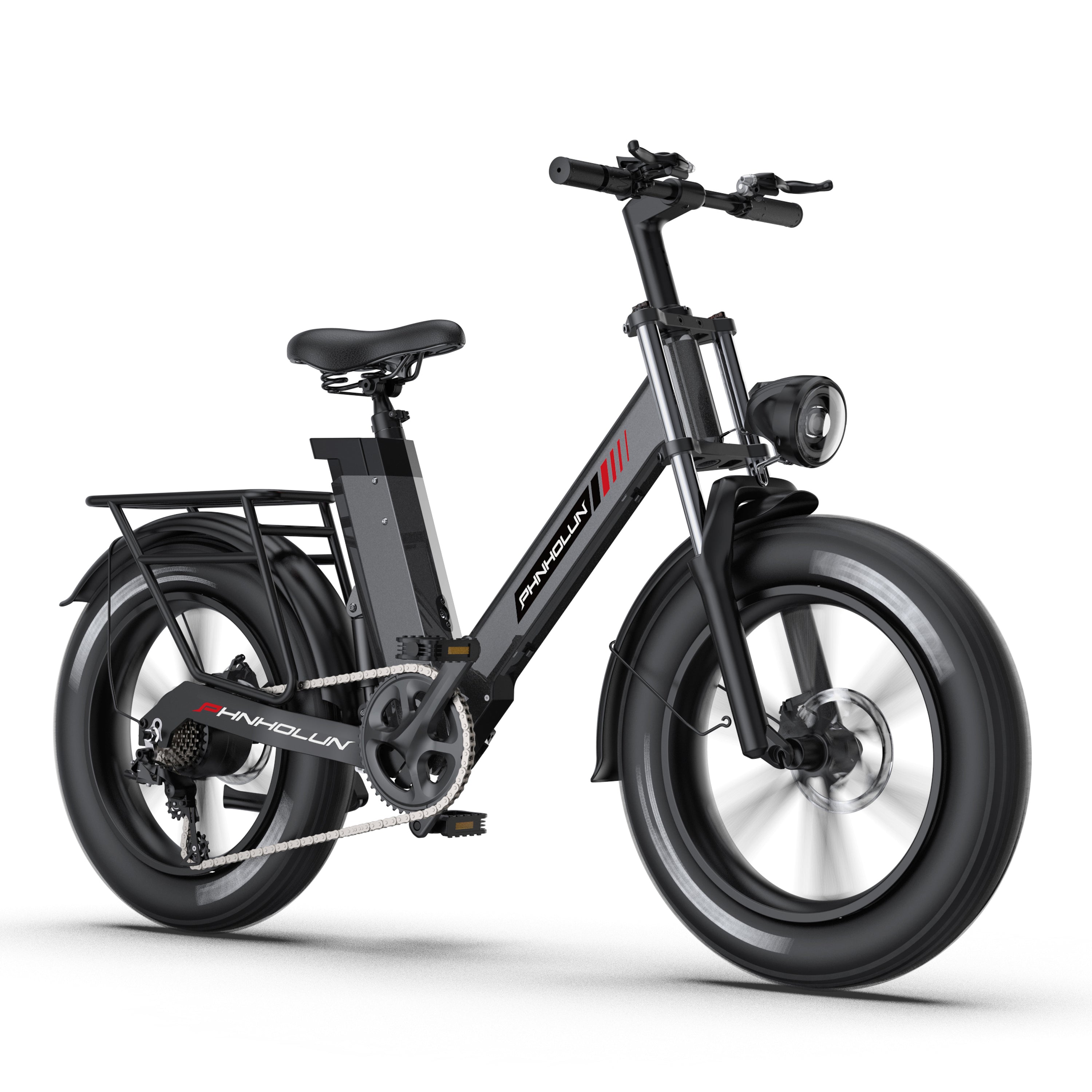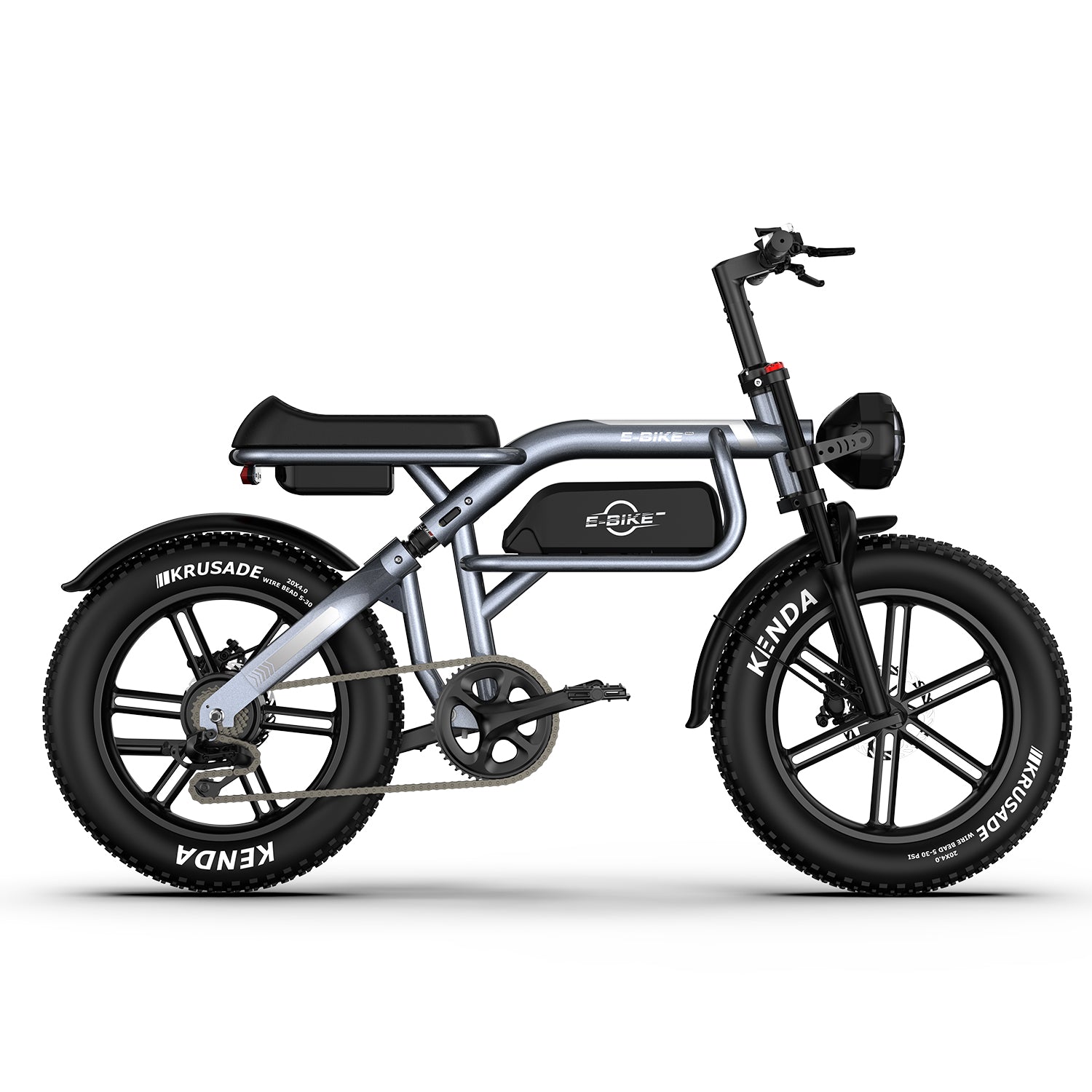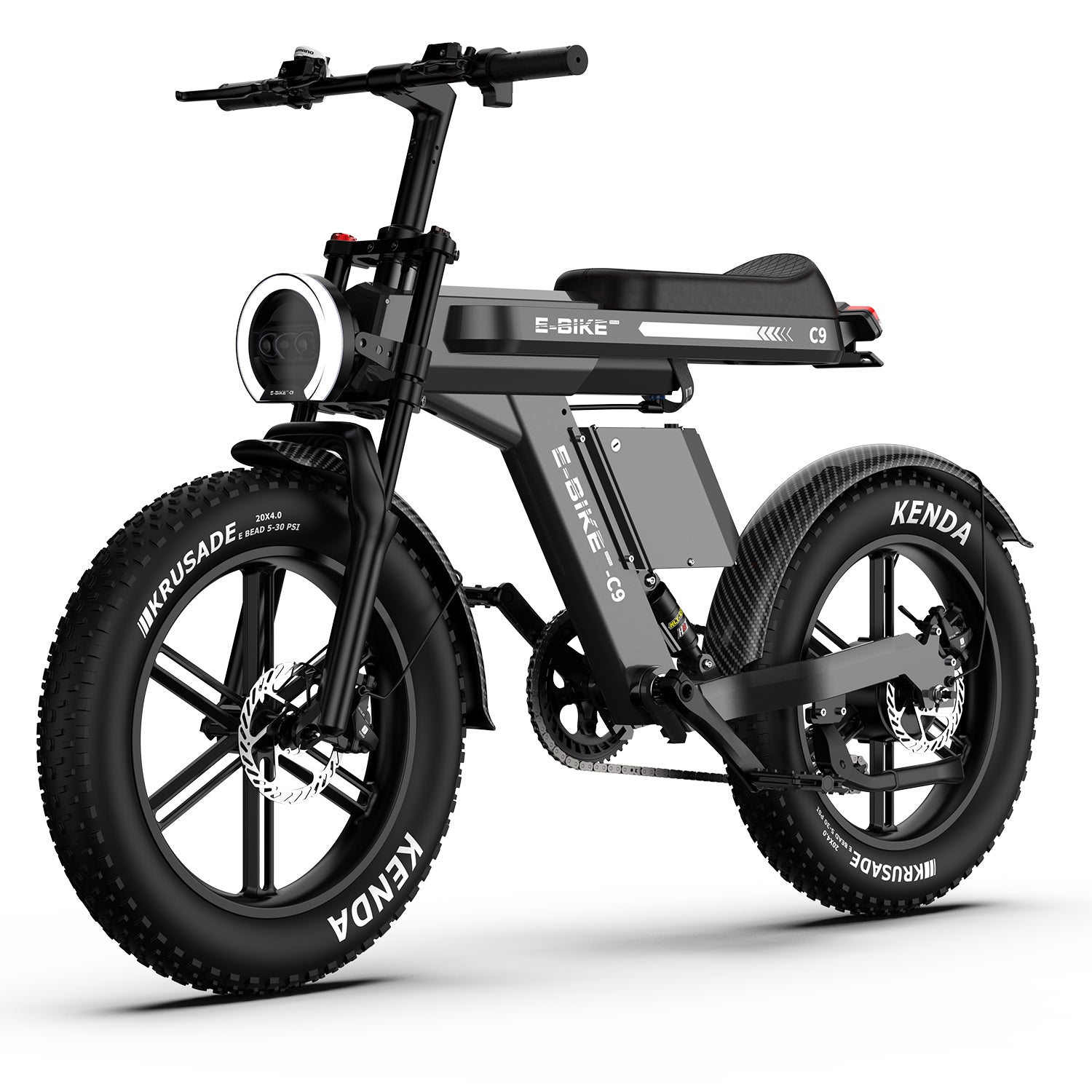


Lorsque les températures baissent, les routes présentent un nouveau danger : la glace et la neige. De nombreux cyclistes choisissent d'éviter de rouler pendant la saison de gel. Mais avec une bonne préparation, vous pouvez continuer à pédaler en toute sécurité tout au long de l'hiver.
Chaque hiver, nous mettons à jour notre guide de conduite hivernale avec des conseils pour rouler dans des conditions météorologiques difficiles. Ce guide inclut également des années de commentaires et de suggestions de cyclistes expérimentés, regorgeant d'informations précieuses. Certaines techniques se concentrent sur la préparation, tandis que d'autres sont axées sur les compétences de conduite. Commençons par préparer votre vélo.
Préparez votre vélo
Installez des pneus cloutés

Même les meilleurs pneus réguliers n'ont presque aucune adhérence sur la glace fine. Si vous vous attendez à rencontrer du verglas (souvent trouvé au bas des petites collines ou partout où l'eau coule sur un chemin de campagne), installez des pneus cloutés tels que Schwalbe Marathon Winter ou Continental Nordic Spikes.
Utilisez des pneus tubeless
Le principal avantage dans des conditions glaciales est que les systèmes tubeless vous permettent de rouler avec une très faible pression de pneu sans risquer de crevaisons par pincement. Vous pouvez acheter des jantes et des pneus tubeless dédiés, mais même des jantes et des pneus standards peuvent fonctionner avec un produit d'étanchéité et du ruban isolant. Les systèmes tubeless faits maison supportent généralement jusqu'à environ 50 psi, ce qui est suffisant pour les surfaces hivernales.
Utilisez des pédales plates

Vous perdrez peut-être en efficacité de pédalage, mais les pédales plates vous offrent plus de contrôle et vous permettent de poser rapidement le pied à terre si nécessaire.
Envisagez un vélo à pignon fixe
C'est là que les avantages d'un pignon fixe brillent vraiment — ce que les cyclistes de la vieille école ont toujours su. Vous pouvez ralentir sans utiliser les freins et maintenir la traction sur la roue arrière, ce qui est extrêmement utile sur les surfaces glissantes.
Abaissez votre centre de gravité
Abaisser légèrement votre selle réduit votre centre de gravité. Cela facilite également le fait de poser les deux pieds à plat sur le sol si vous avez besoin de retrouver l'équilibre. Un autre avantage caché : sur des routes très glissantes, démarrer en étant assis devient plus facile car le poids supplémentaire aide la roue arrière à gagner de la traction au lieu de patiner.
Gardez vos mains et vos pieds au chaud
Pieds
Les couvre-chaussures imperméables, les chaussettes thermiques et les bottes de cyclisme d'hiver sont tous d'excellents choix. Les pieds froids peuvent rapidement gâcher une sortie. Au lieu de porter plusieurs paires de chaussettes, ajoutez de l'isolation à l'extérieur de la chaussure – cela aide la circulation sanguine vers vos orteils et garde vos pieds plus chauds.
Mains
Des mains chaudes sont encore plus importantes. De bons gants sont essentiels. Si vous avez facilement froid, portez de fins gants intérieurs sous vos gants d'hiver. Les moufles de guidon ou les housses de leviers de frein sont également utiles. Elles réduisent le refroidissement éolien et empêchent les leviers métalliques de geler vos doigts. Le métal conduit rapidement la chaleur, ce qui pourrait être une bonne excuse pour passer à des leviers de frein en carbone ou en plastique.
Choisissez des itinéraires sûrs
Réfléchissez à deux fois aux petites routes de campagne
Les chemins de campagne tranquilles peuvent être agréables en été, mais ils sont rarement salés en hiver. Ils sont souvent les plus glissants.
Les routes principales sont plus sûres, mais restez vigilant
Même les routes principales peuvent avoir des bords verglacés. La neige mouillée et fondante a tendance à s'accumuler près du trottoir. Ne roulez pas trop près du bord, cela limite votre espace de manœuvre et augmente le risque de glisser sur la glace. Et si vous tombez, vous ne voulez absolument pas atterrir près du trottoir.
Laissez une distance de freinage supplémentaire
Sur les routes verglacées, ralentir prend beaucoup plus de temps. Anticipez cela à l'approche des intersections ou chaque fois que vous devez réduire votre vitesse. N'oubliez pas : les conducteurs ont également besoin de plus de temps pour s'arrêter.
Si vous choisissez un vélo d'hiver, pensez aux freins à disque
Les freins à disque offrent plus de puissance de freinage et sont moins affectés par les conditions humides que les freins sur jante.
Meilleure stratégie : choisissez des itinéraires secs
Si vous le pouvez, choisissez simplement un itinéraire qui évite la glace.
Techniques de conduite sur glace

N'utilisez pas le frein avant
Il y a un dicton : « Frein avant pour ralentir, frein arrière pour arrêter. » Mais pas sur la glace. Perdre la traction sur la roue avant arrive soudainement et est presque impossible à corriger.
Si vous vous trouvez sur une plaque de glace, l'approche idéale est de pédaler en douceur et de la traverser.
Si vous devez ralentir :
-
Vélo à pignon fixe → idéal
-
Vélo non fixe → utilisez le frein arrière très doucement
Dans les pays où les routes verglacées sont courantes, les cyclistes s'entraînent à faire déraper la roue arrière exprès pour savoir à quoi s'attendre en cas d'urgence.
Si vous devez utiliser le frein avant, appliquez une très légère pression en même temps que le frein arrière. L'idée est simplement de réduire la vitesse lentement, ne jamais laisser la roue avant cesser de tourner.
Si la roue arrière glisse :
-
Relâchez immédiatement les deux freins
-
Relâchez immédiatement les deux freins
-
Décidez si vous continuez à pédaler ou si vous posez un ou les deux pieds à terre
Ne laissez pas votre instinct de « rester sur le vélo » l'emporter sur votre bon jugement.
L'inclinaison de la route compte
Sur les routes verglacées, la légère inclinaison de la surface de la route devient un problème. Vos pneus touchent le sol avec un angle latéral plutôt que directement en dessous, ce qui rend l'adhérence encore pire.
Restez en douceur
Évitez les coups de guidon brusques. Gardez un pédalage fluide et évitez les vitesses très basses, car un pédalage trop rapide peut déstabiliser la roue arrière.
Conseil final
Si vous êtes bien préparé, rouler en hiver peut en fait être amusant, vraiment !
Mais ce n'est pas une obligation. Si les conditions semblent trop dangereuses, faites une pause. Prenez le bus, le métro, marchez ou restez chez vous à parcourir vos pages cyclistes préférées.
Et qui sait, après avoir lu ceci, peut-être que le temps se réchauffera à nouveau !
Si vous avez vos propres astuces pour rouler sur la glace, n'hésitez pas à les partager avec d'autres cyclistes !