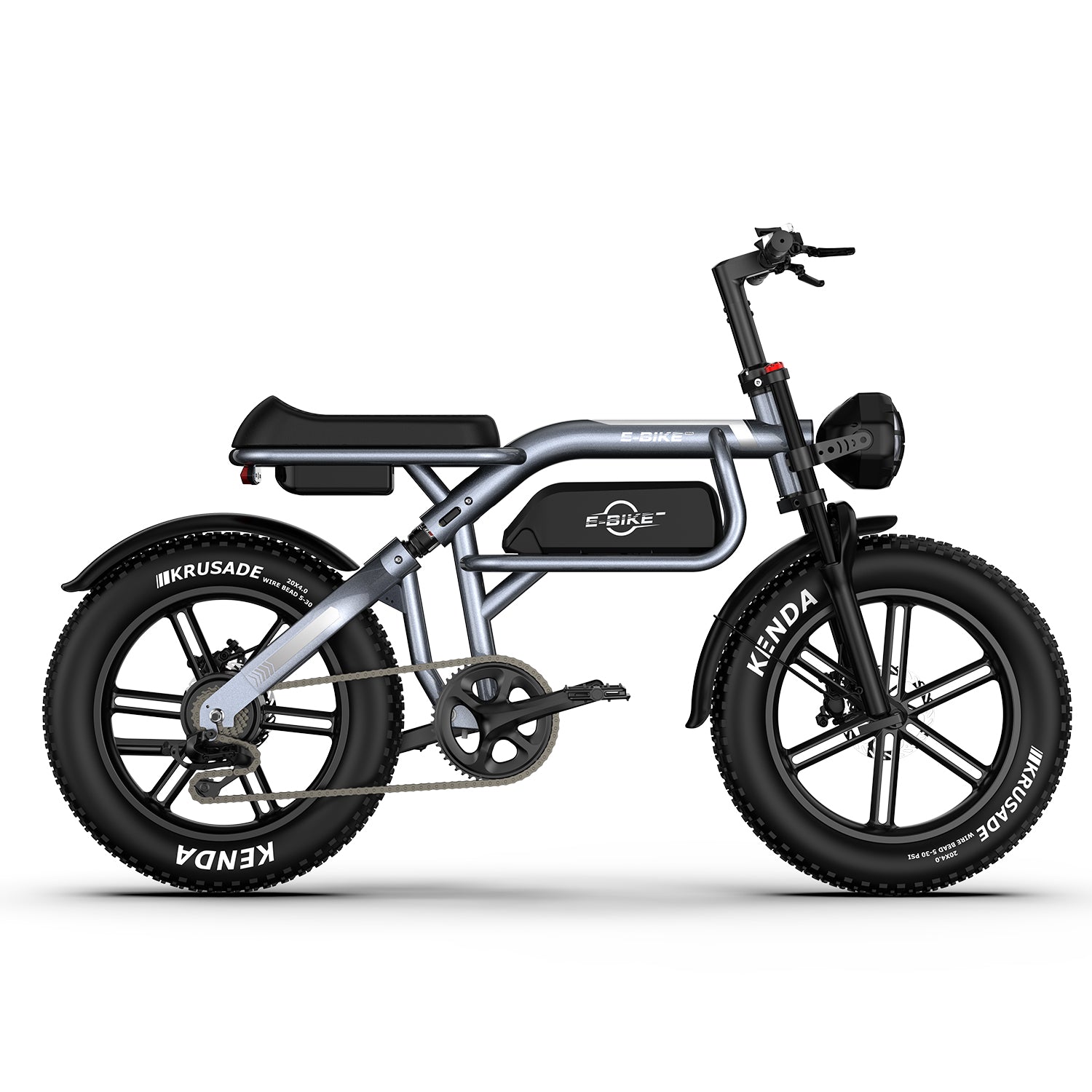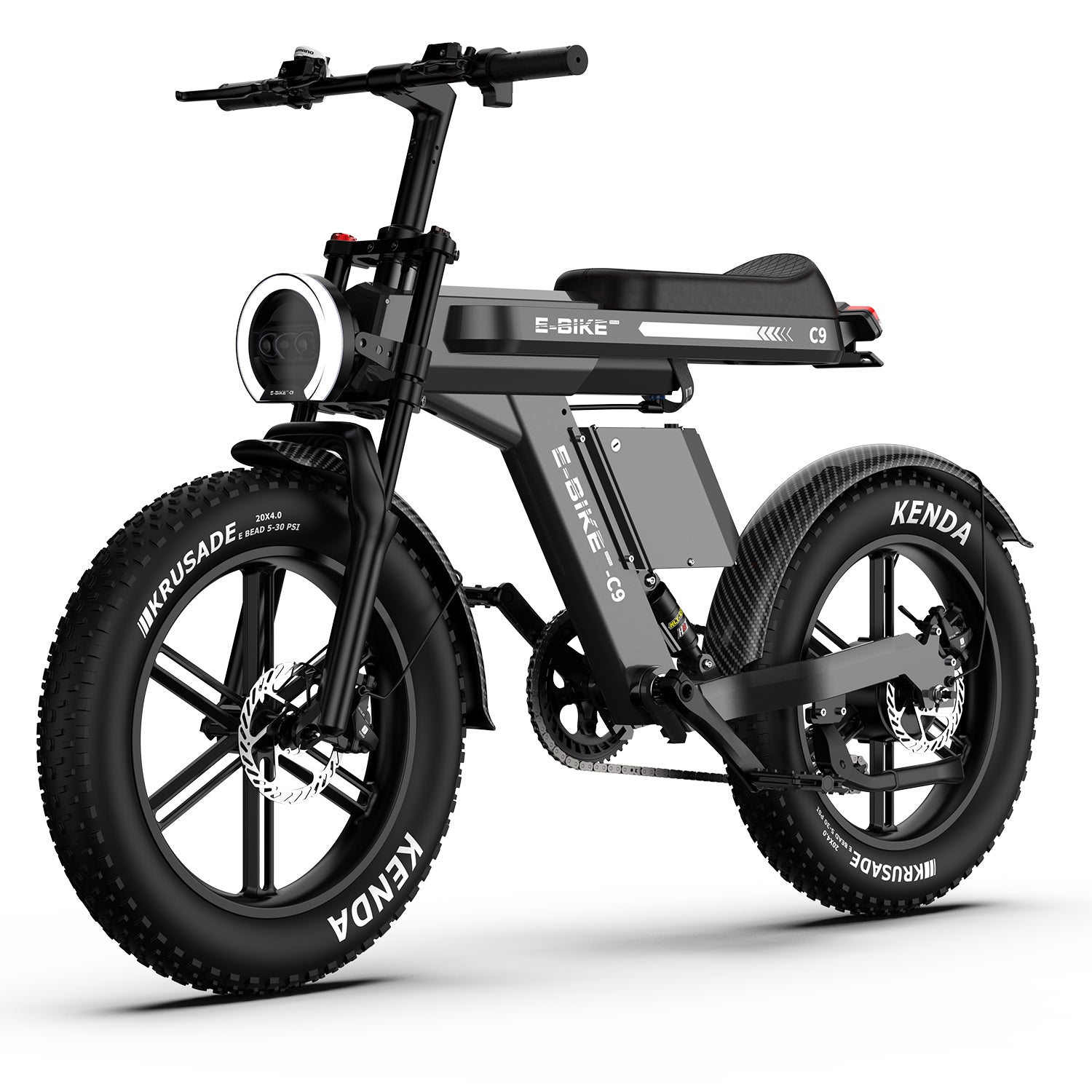

Why Charger and Charging Port Care Matters
Most e-bike riders think about battery range, tyre pressure, or brake maintenance first. But the charger and charging port are just as important for long-term reliability. A clean, dry, and properly used charging system helps protect the battery, reduce charging problems, and make daily electric bike ownership more predictable.
For European riders who use an electric bike for commuting, shopping, delivery, or weekend rides, charging often becomes part of the daily routine. If the charger cable is damaged, the charging port is wet, or the connector is forced in the wrong direction, small problems can quickly become frustrating.
This guide explains how to maintain an electric bike charger, charging port, connector area, cable, and charging routine safely.
Use the Correct Charger Every Time
The first rule of electric bike charging is simple: use the charger supplied with the bike or a charger recommended by the seller or manufacturer. A charger may look similar from the outside, but voltage, current, connector type, and charging behaviour can be different.
Using the wrong charger can cause slow charging, no charging, overheating, battery stress, or electrical damage. If your original charger is lost or damaged, do not replace it only by matching the plug shape. Check the correct voltage, output current, connector type, and battery compatibility first.
For broader battery ownership habits, read this electric bike battery care guide for Europe.
Keep the Charging Port Dry and Covered
The charging port is a small part of the bike, but it is one of the most important electrical contact points. Water, mud, dust, and road salt can all create problems if they collect around the charging area.
After riding in rain or cleaning the bike, check the charging port before plugging in the charger. The port should be dry and free from visible dirt. If your e-bike has a rubber charging port cover, close it properly after every charge and before every ride.
Before Charging, Check These Points
Make sure the charging port is dry.
Check that the connector is clean and not bent.
Confirm that the charging port cover is not damaged.
Avoid charging immediately after heavy rain exposure if moisture is still present.
Inspect the Charger Cable Regularly
Charger cables can wear over time, especially if they are bent sharply, pulled from the wall, stepped on, trapped under furniture, or stored carelessly. A damaged cable is not just inconvenient. It can become a safety risk.
Look for cuts, exposed wire, loose connector ends, melted areas, unusual smell, or a charger that becomes hotter than normal. If any of these signs appear, stop using the charger and replace it with a compatible unit.
Good Cable Habits
Do not pull the charger out by the cable.
Do not bend the cable sharply near the connector.
Do not wrap the cable too tightly after charging.
Keep the charger away from wet floors and outdoor exposure.
Charge in a Safe, Ventilated Area
An e-bike charger can become warm during normal charging. This does not automatically mean there is a problem, but the charger should never be covered with clothes, bags, cardboard, or blankets while charging.
Place the charger on a hard, dry, ventilated surface. Avoid charging in direct sunlight, near heaters, in damp basements, or in places where the charger can be knocked over easily. For apartment riders, choose a stable charging spot where the cable will not become a trip hazard.
Do Not Force the Connector
If the charger connector does not slide in smoothly, do not force it. Forcing the plug can bend pins, damage the charging port, or loosen internal contact points. Check the connector direction, alignment, and whether dust or debris is blocking the port.
A charging connector should feel secure but not overly tight. If the plug feels loose, wobbly, or only charges when held at a certain angle, the charging port or cable may need inspection.
Clean Around the Charging Area Carefully
When cleaning an electric bike, avoid spraying water directly at the charging port, battery mount, display, controller area, or cable connectors. The charging area should be wiped gently instead of washed aggressively.
Use a dry cloth or slightly damp cloth around the port area. If dust is visible, use a soft brush carefully. Do not insert metal tools into the charging port. Do not use strong cleaners or oil-based sprays on electrical contact areas.
For a complete cleaning routine, read this guide on how to wash an electric bike safely.
Watch for Early Charging Problems
Charging problems often start small. A charger may connect inconsistently, the indicator light may behave differently, or the battery may take longer to charge than usual. Do not ignore repeated symptoms.
Common Warning Signs
The charger becomes much hotter than usual.
The charging light does not turn on.
The battery only charges when the cable is moved.
The connector smells burnt or looks discoloured.
The charging port feels loose or damaged.
If these problems appear, stop charging and inspect the charger, cable, battery, and port before using the bike again.
Storage Tips for Chargers
When not in use, keep the charger indoors in a dry place. Do not leave it on a balcony, in direct rain, or in a damp shed. Avoid dropping the charger, storing it under heavy objects, or leaving the cable tangled.
If you store your electric bike for several weeks, store the charger separately in a clean and dry location. This is especially important during winter when damp garages and cold storage areas can affect electrical components.
Quick Charger and Port Checklist
Use only the correct charger for your e-bike battery.
Keep the charging port dry before plugging in.
Close the charging port cover after each charge.
Inspect the cable for cracks, heat marks, or loose connectors.
Charge in a dry, ventilated area.
Do not force the connector into the port.
Stop using a charger that smells burnt, overheats, or works inconsistently.
Final Thoughts
Electric bike charger and charging port maintenance is simple, but it should not be ignored. A clean charging port, correct charger, undamaged cable, and safe charging location can help reduce charging problems and protect the bike’s electrical system.
For riders who use an e-bike daily, charging is part of ownership. Treating the charger and charging port carefully helps keep every ride more reliable.