
Not All Electric Bikes Are Built for the Same Purpose
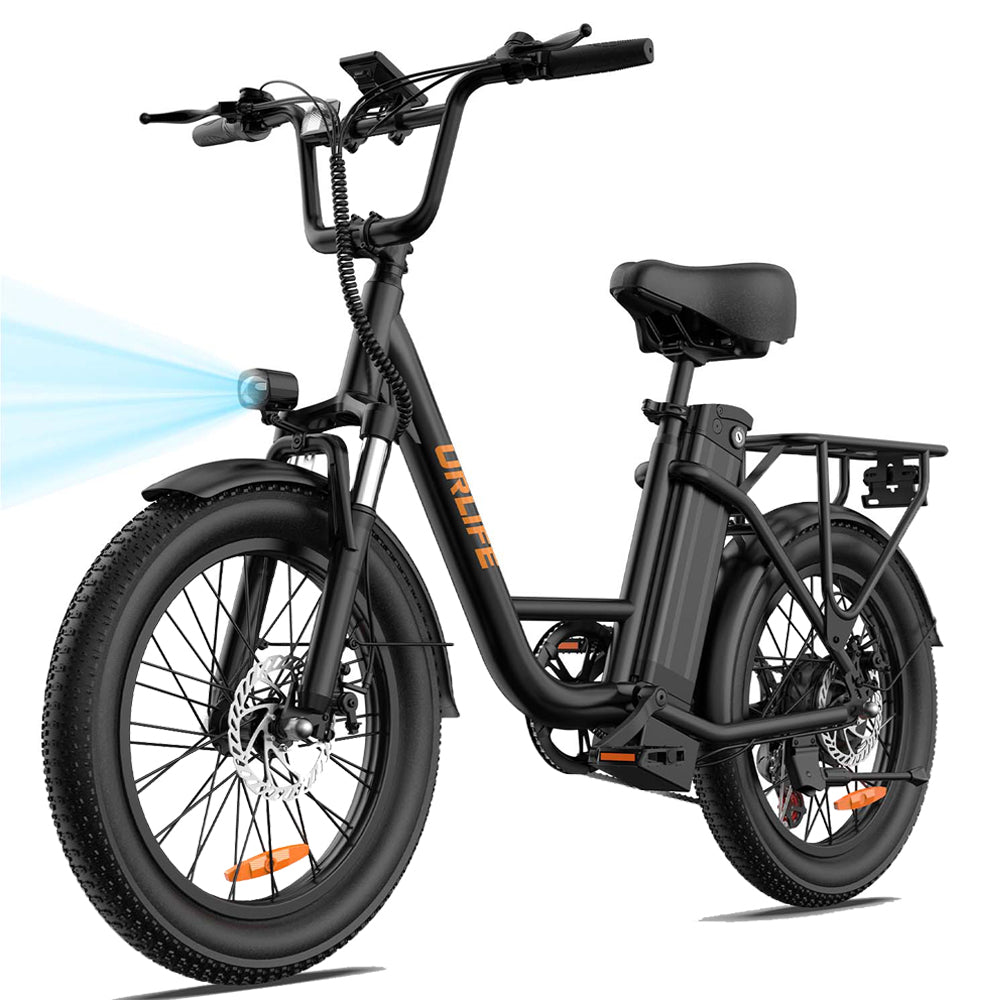
Many electric bikes on the market are designed primarily for short urban commutes. While they perform well in controlled environments, real-world riding often involves longer distances, uneven roads, and varying conditions.
This is where differences in battery configuration, suspension, and overall setup become noticeable.
What Most Commuter E-Bikes Offer
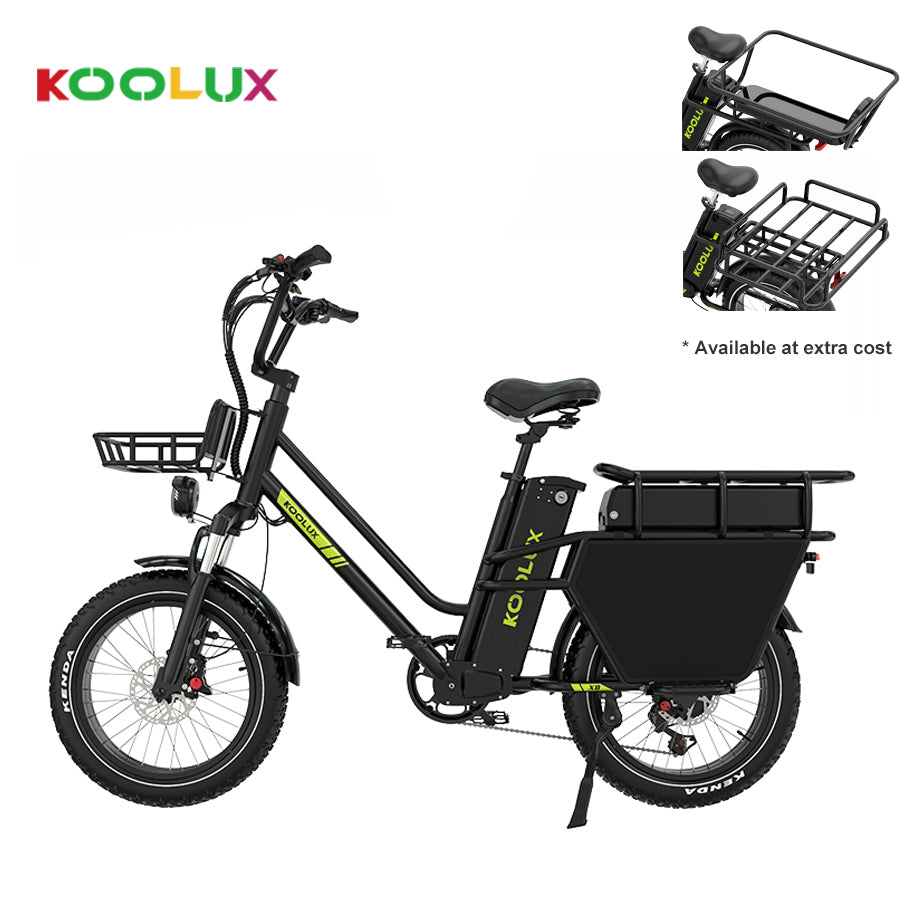
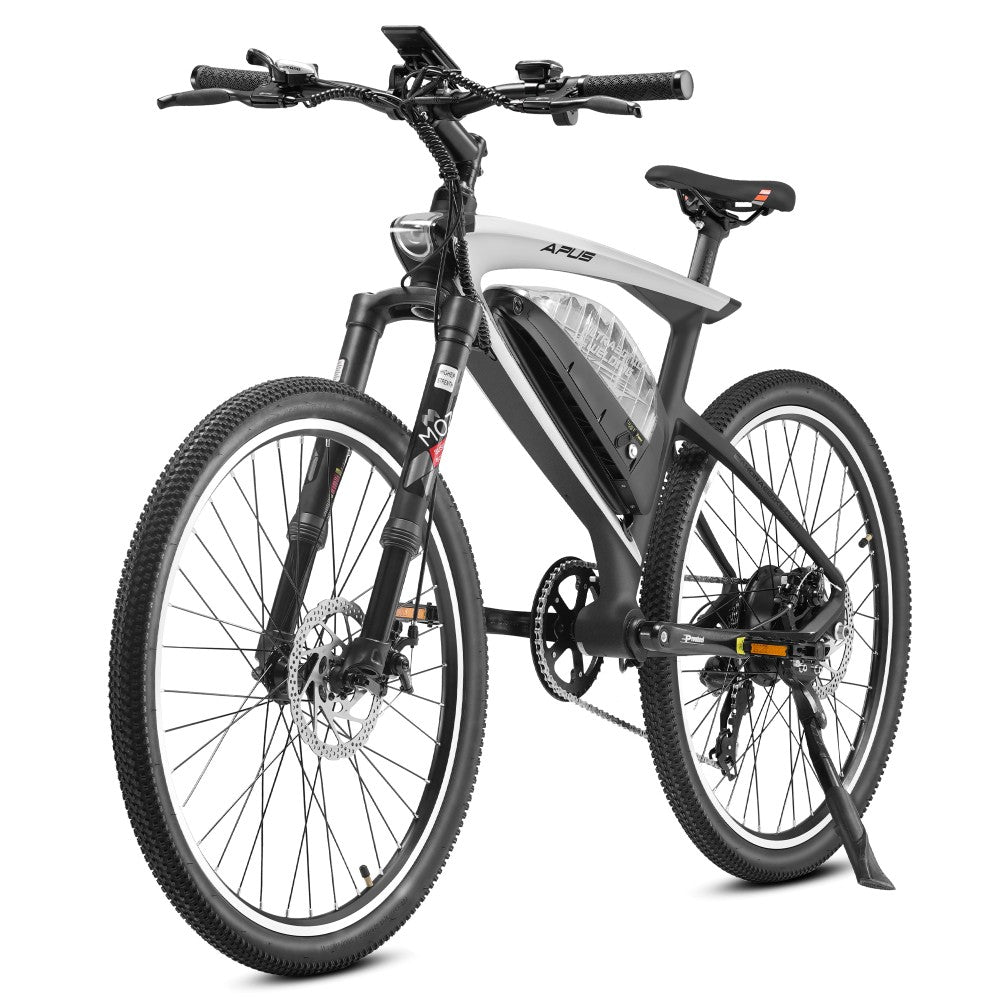
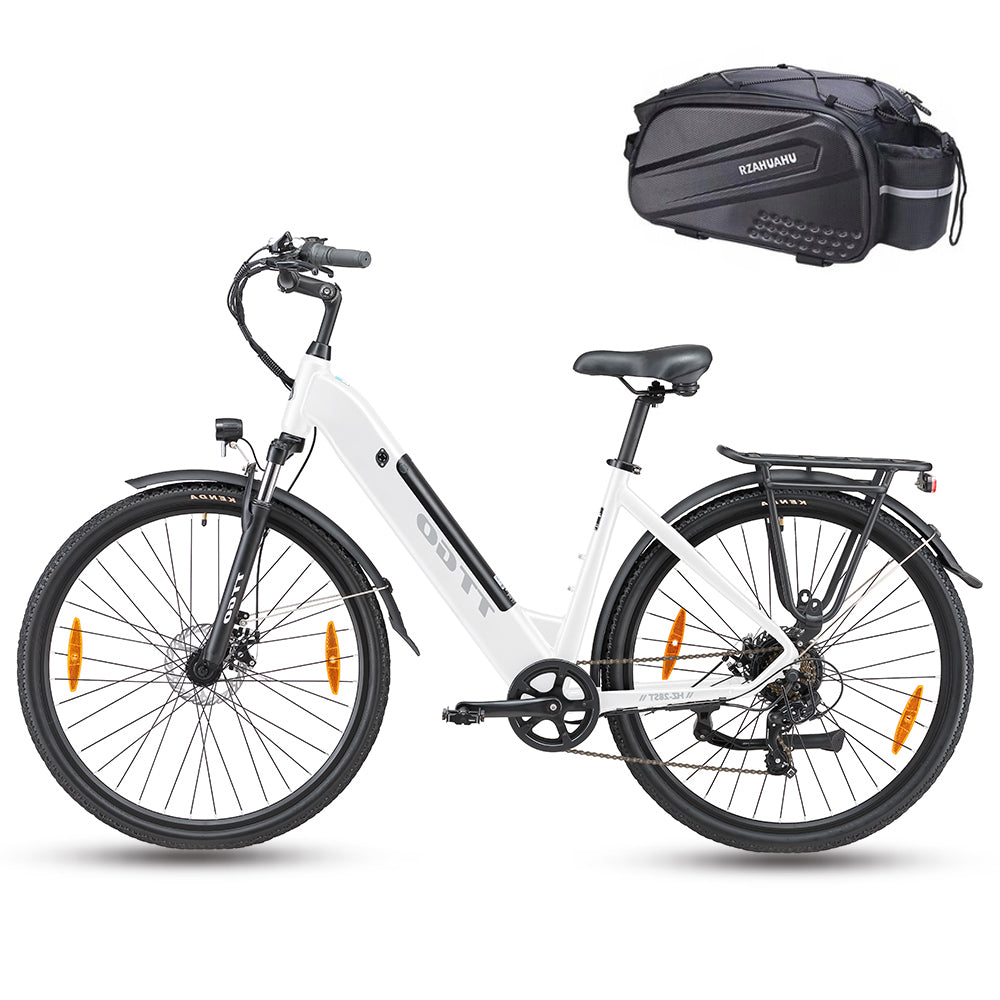
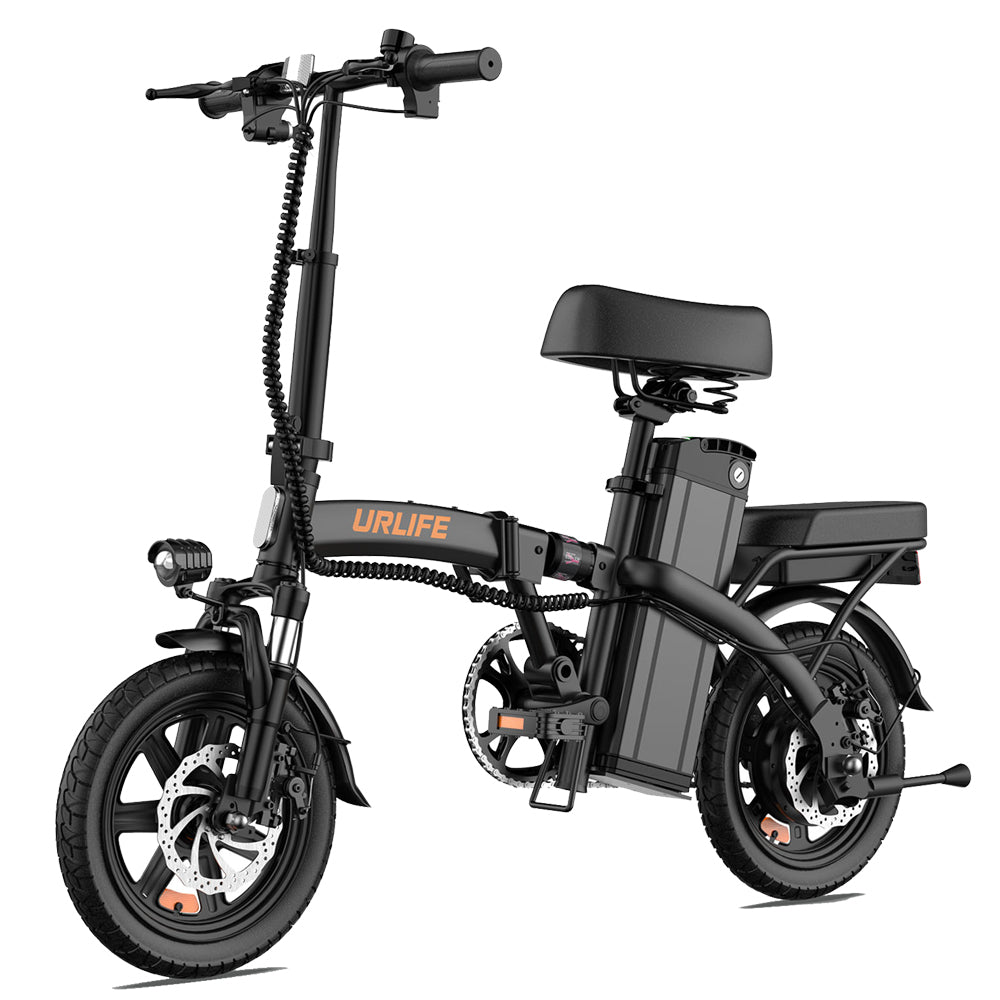
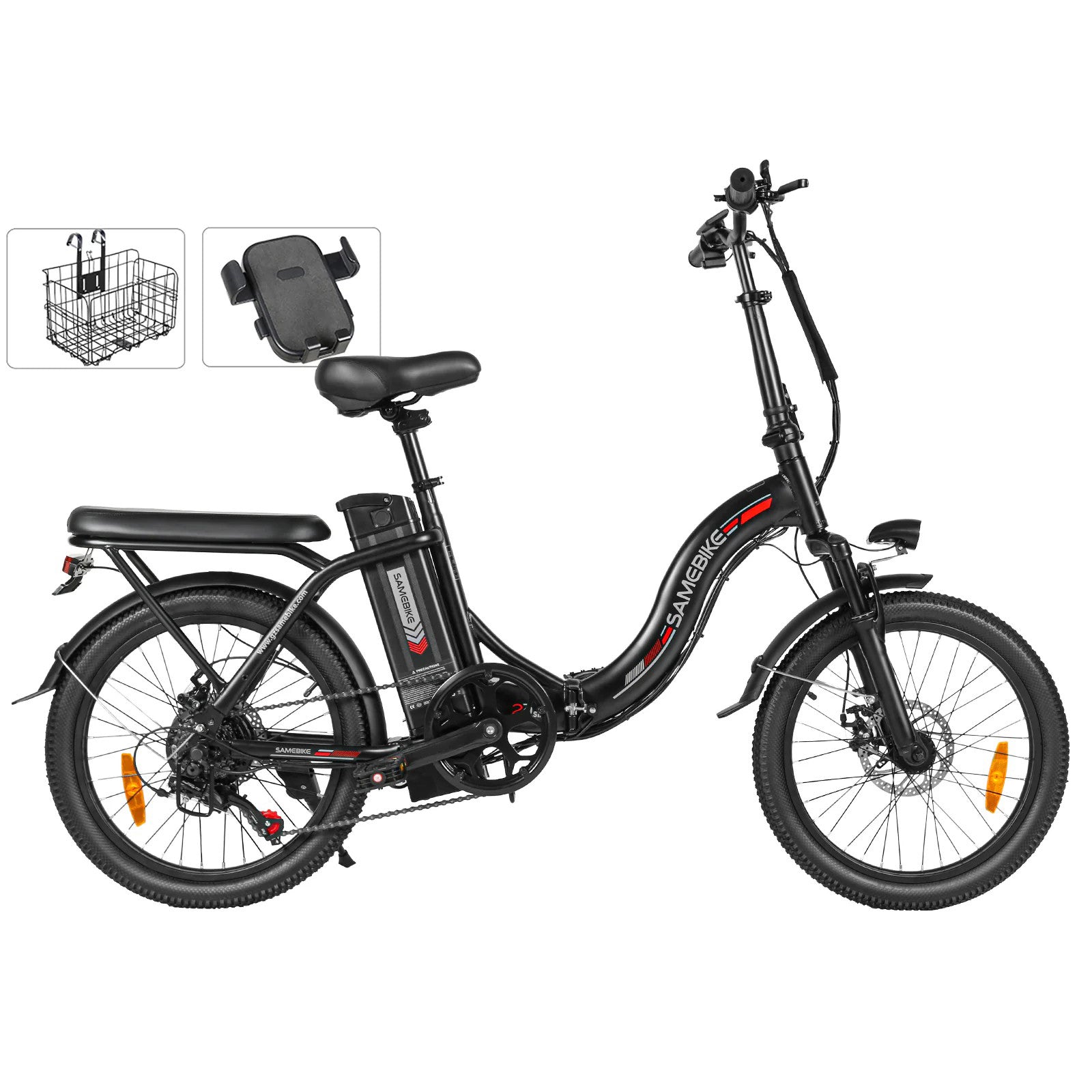
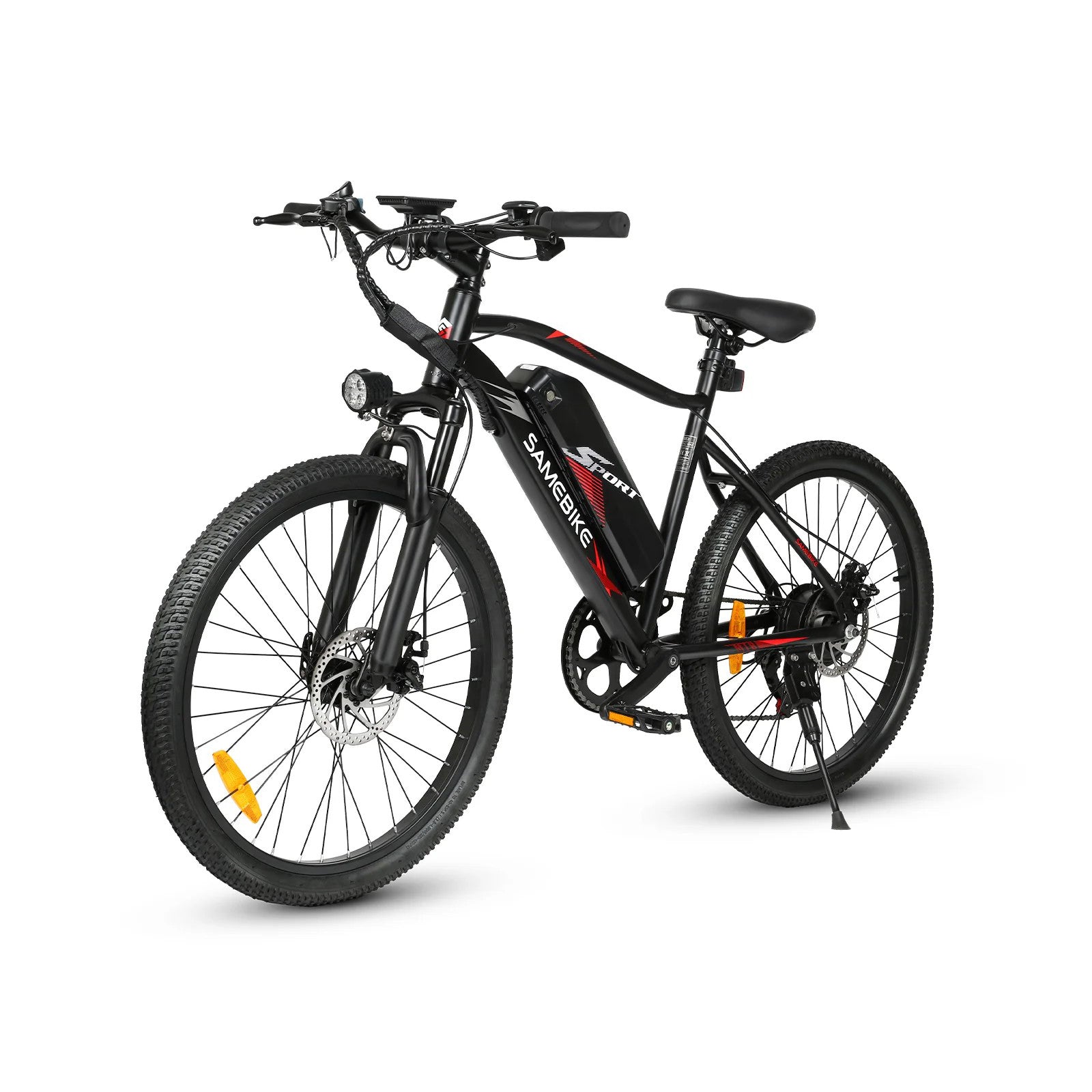
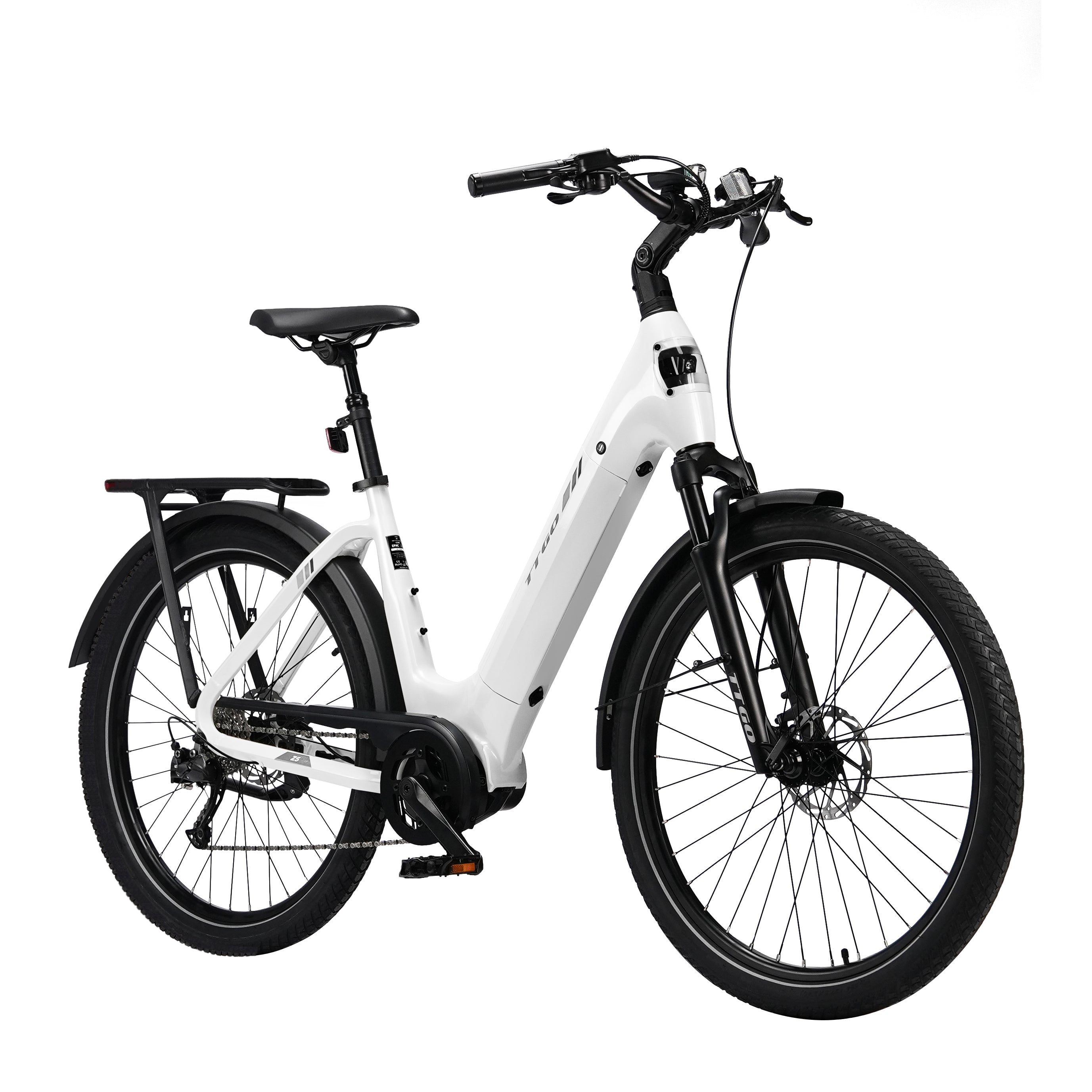
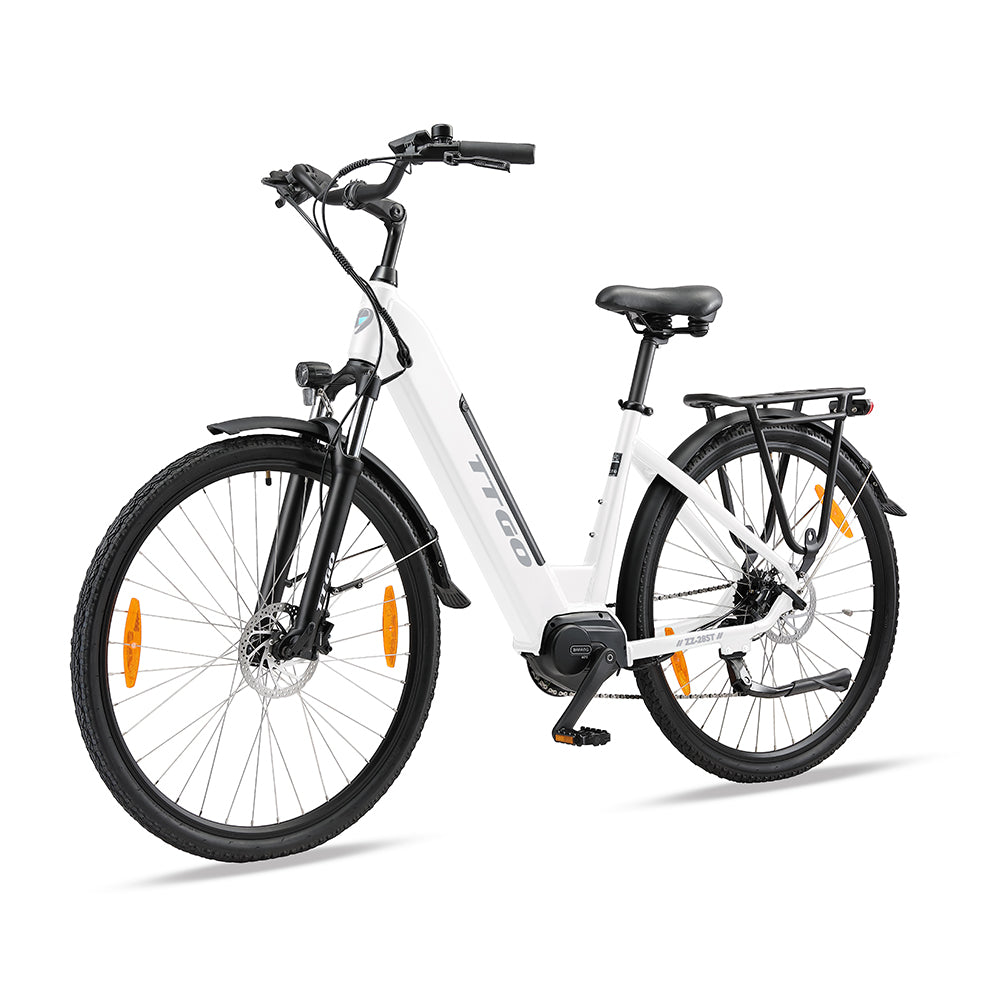
Standard commuter electric bikes typically focus on efficiency and affordability. Many models use moderate power motors and smaller battery systems designed for short daily trips.
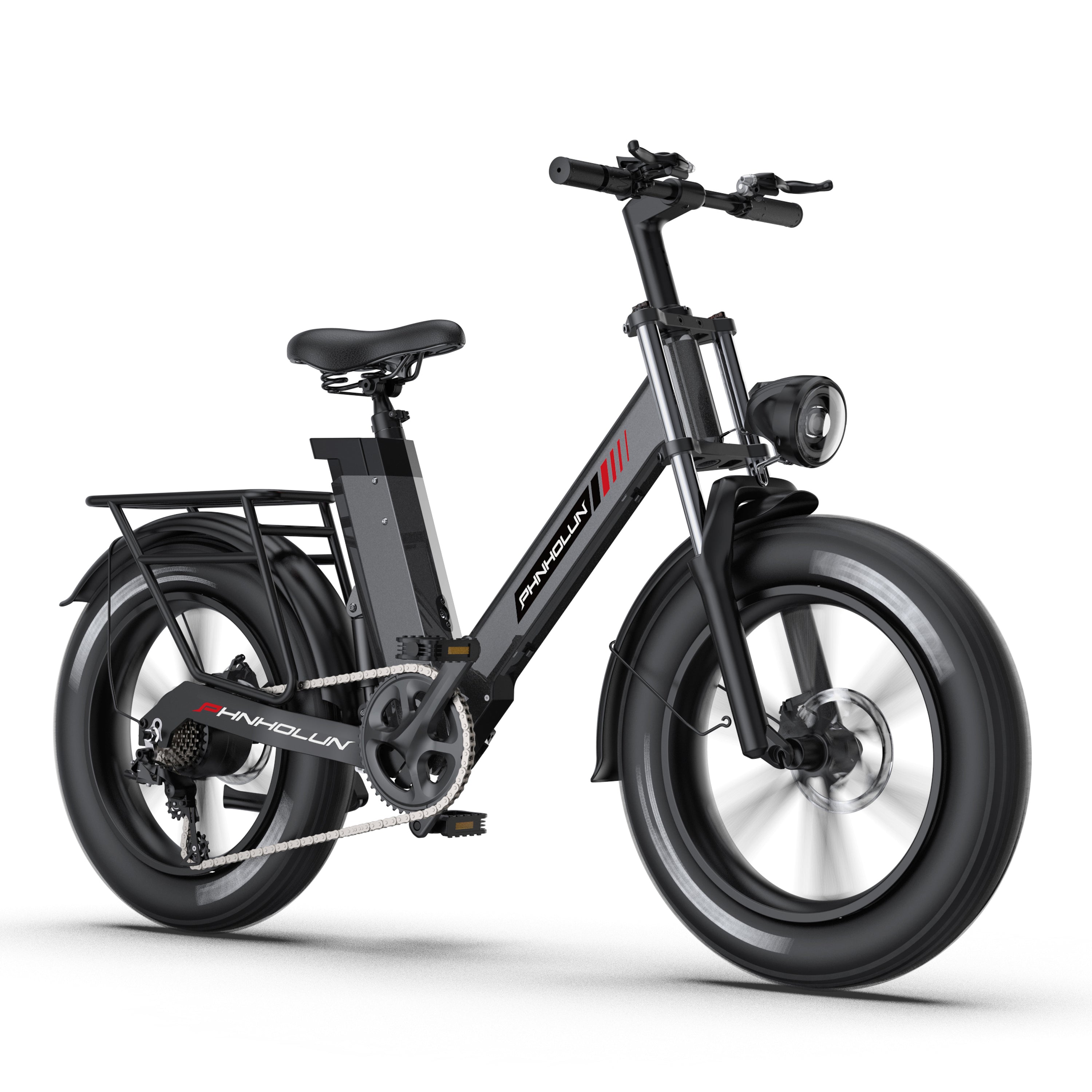
For example, bikes like the DYU C6 Pro generally offer around 36V battery systems and range up to 60–80 km under ideal conditions. :contentReference[oaicite:0]{index=0}
These setups work well for shorter commutes but may feel limited when riders begin traveling longer distances or riding more frequently.
Where Higher-End Setups Begin to Differ
As riding distance increases, two factors start to matter more: battery stability and ride comfort. Riders who spend more time on the bike often notice that capacity alone does not determine real-world usability.
Suspension quality and battery cell reliability begin to play a much larger role in daily experience.
Dual Battery Setup Changes How You Ride
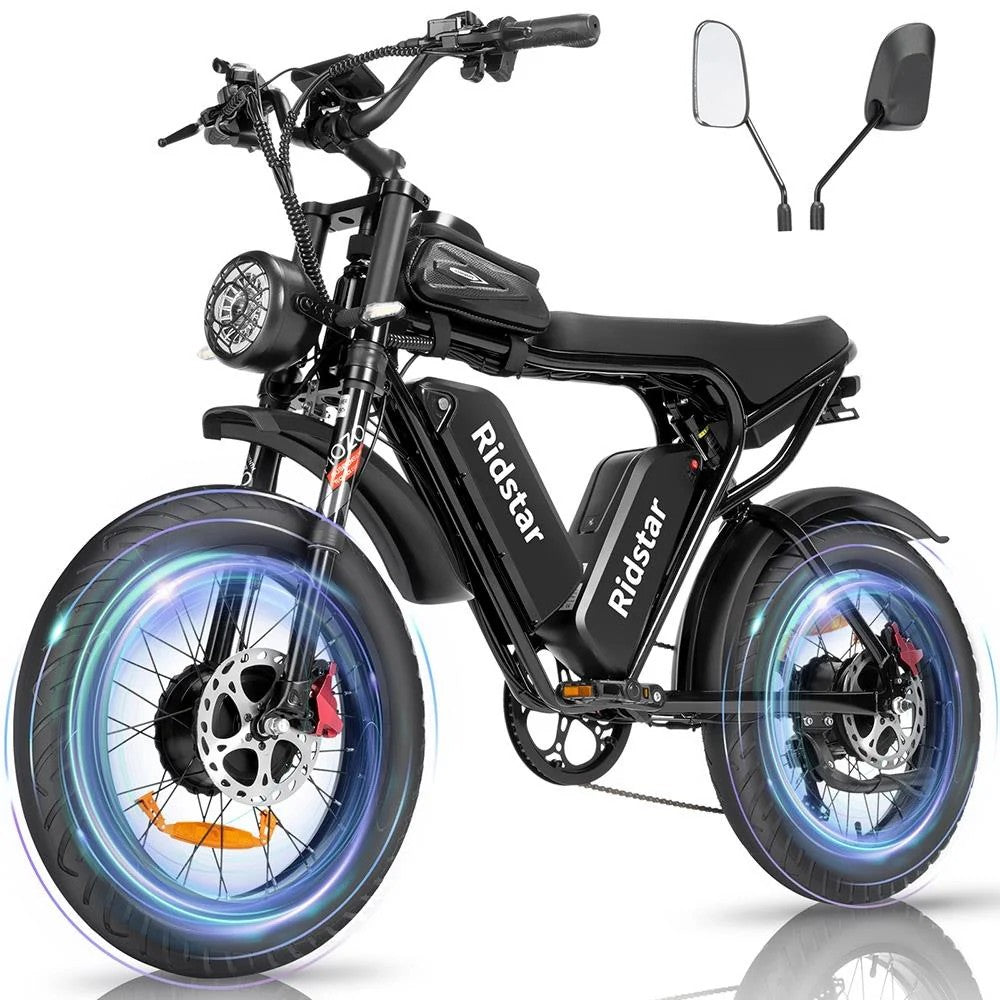
One of the biggest differences in higher-capacity setups is the use of dual battery configurations. Instead of planning rides around charging cycles, riders can extend their usable distance significantly.
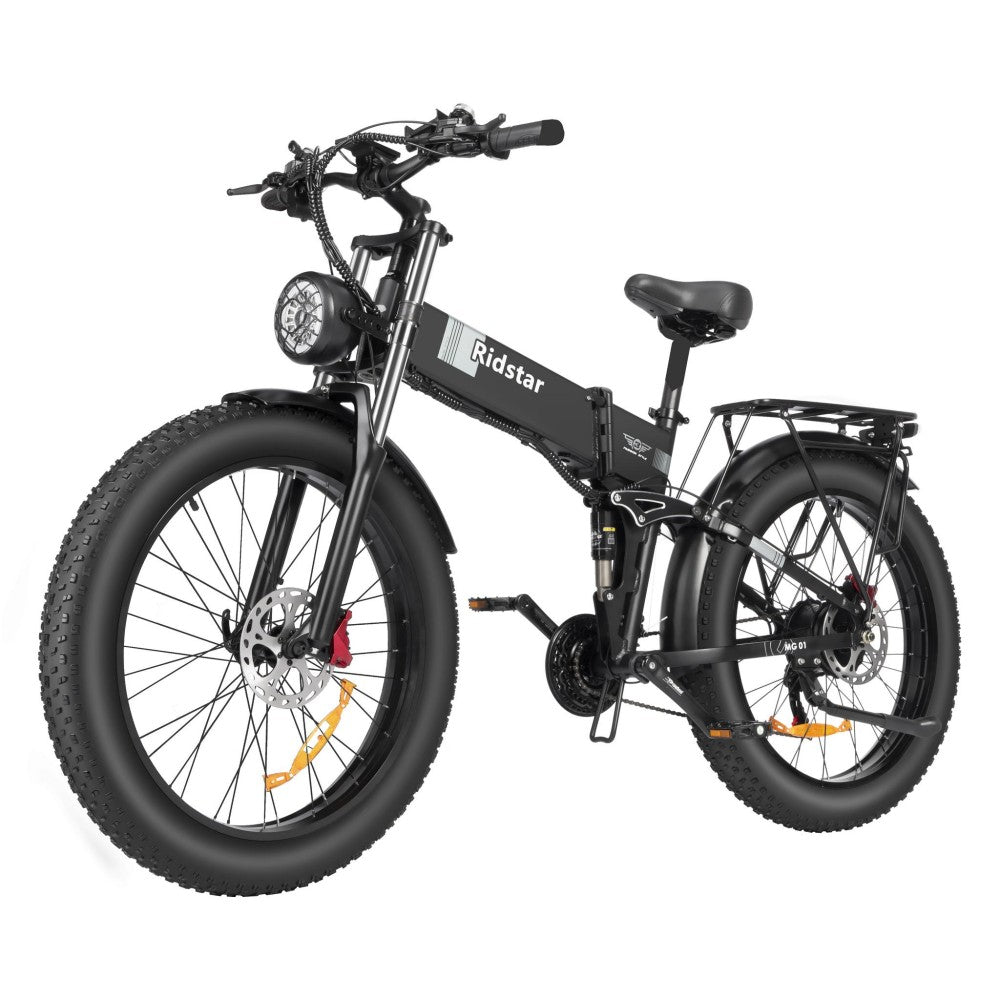
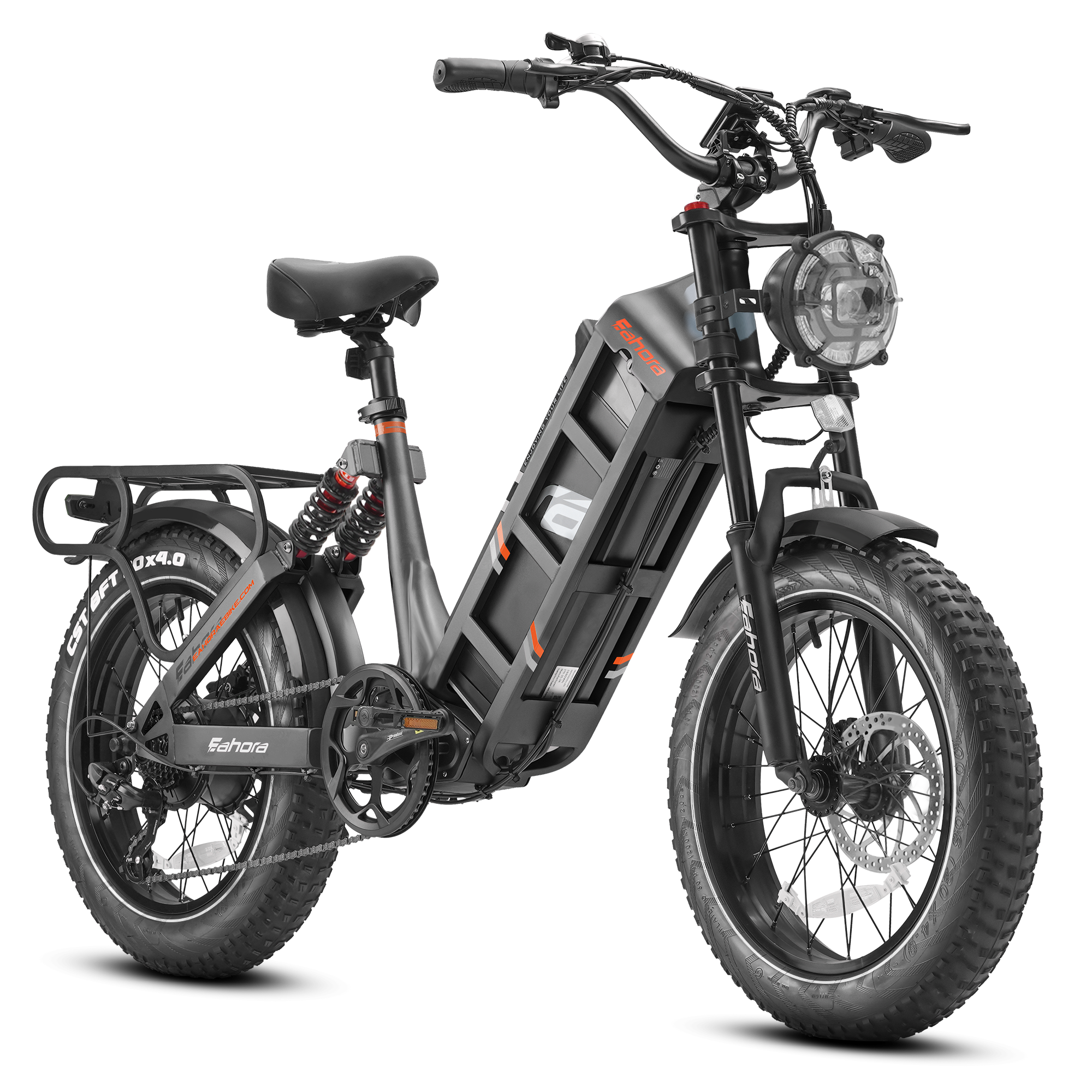
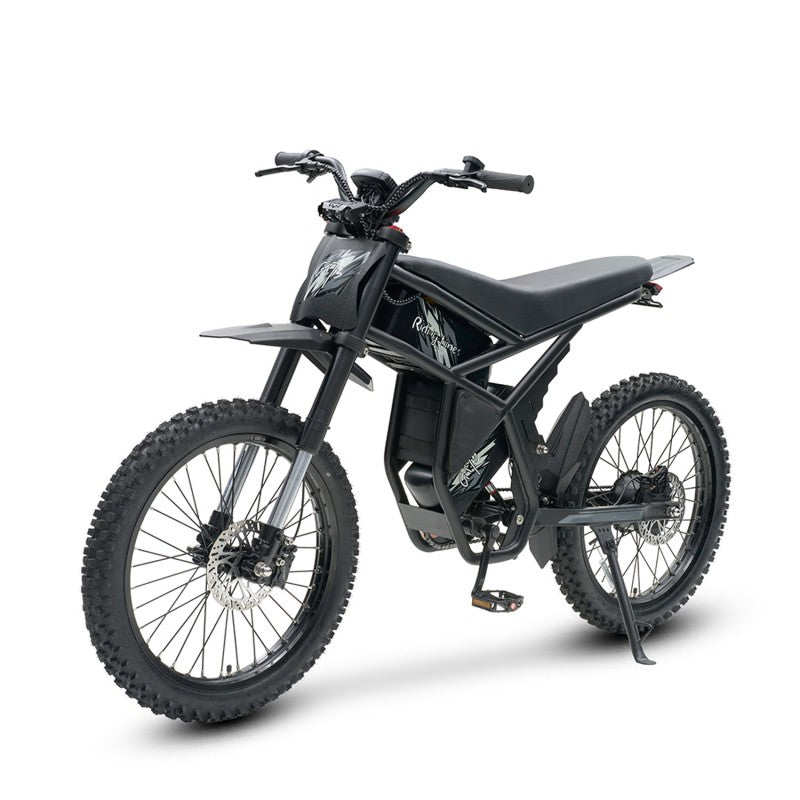
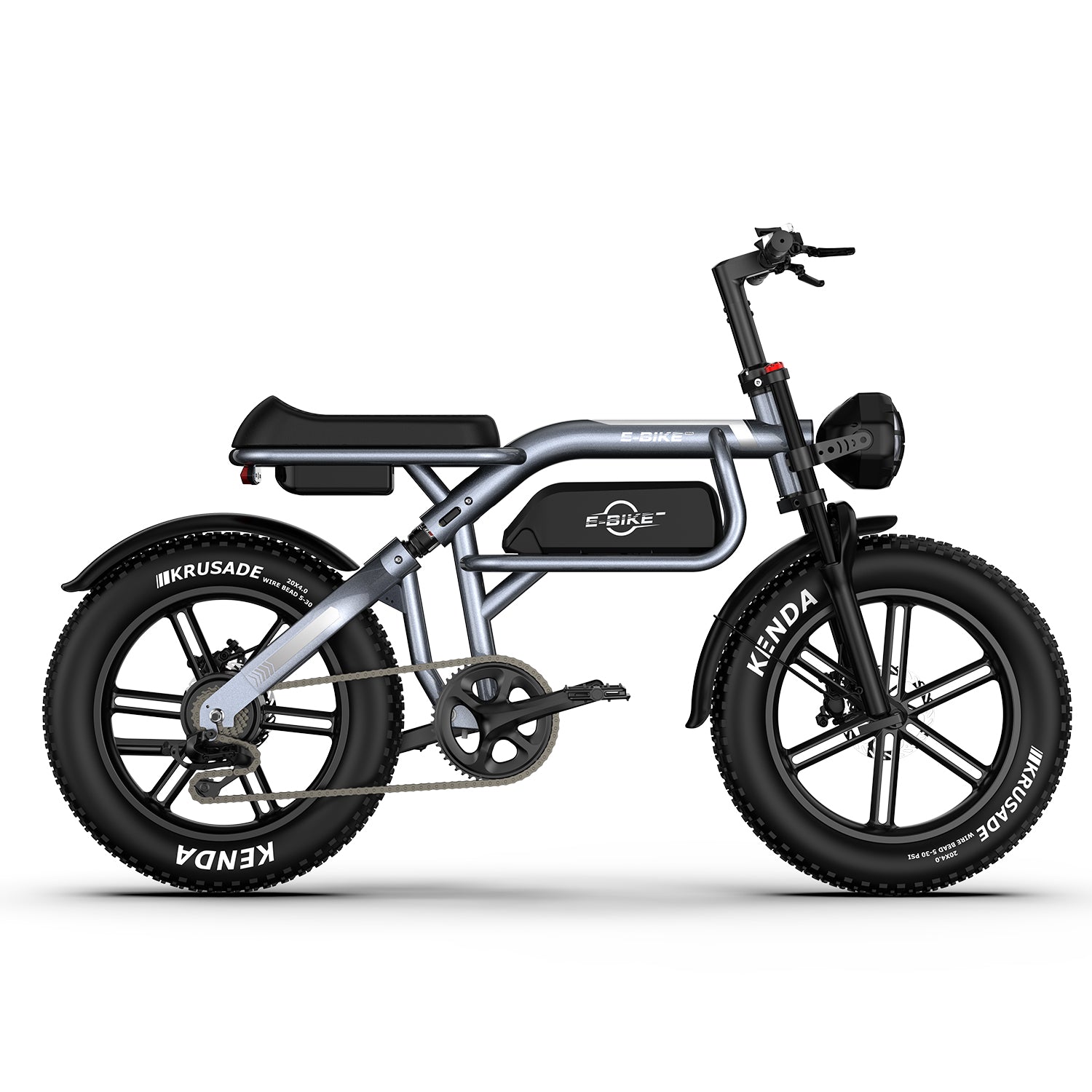
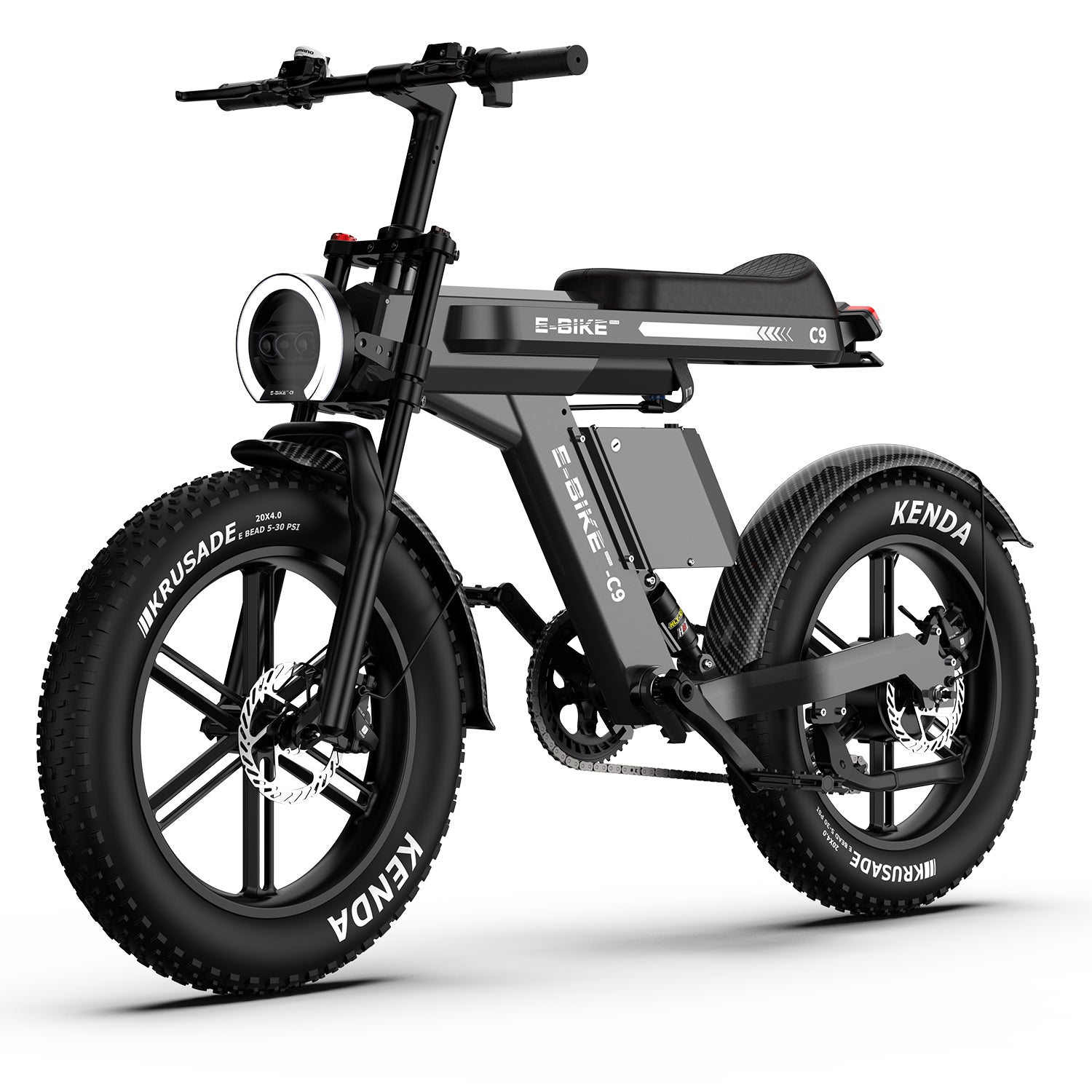
A setup like the C6 Pro 2.0 with extra battery reflects this shift. With a combined 35Ah battery system and upgraded LG cells, it focuses on consistent long-range riding rather than short-distance commuting.
This kind of configuration is particularly useful for riders who rely on their electric bike throughout the day rather than for a single trip.
Suspension Makes a Bigger Difference Than Expected
Many commuter electric bikes use basic spring suspension or no suspension at all. While this is sufficient for smooth roads, it becomes less comfortable on uneven surfaces.
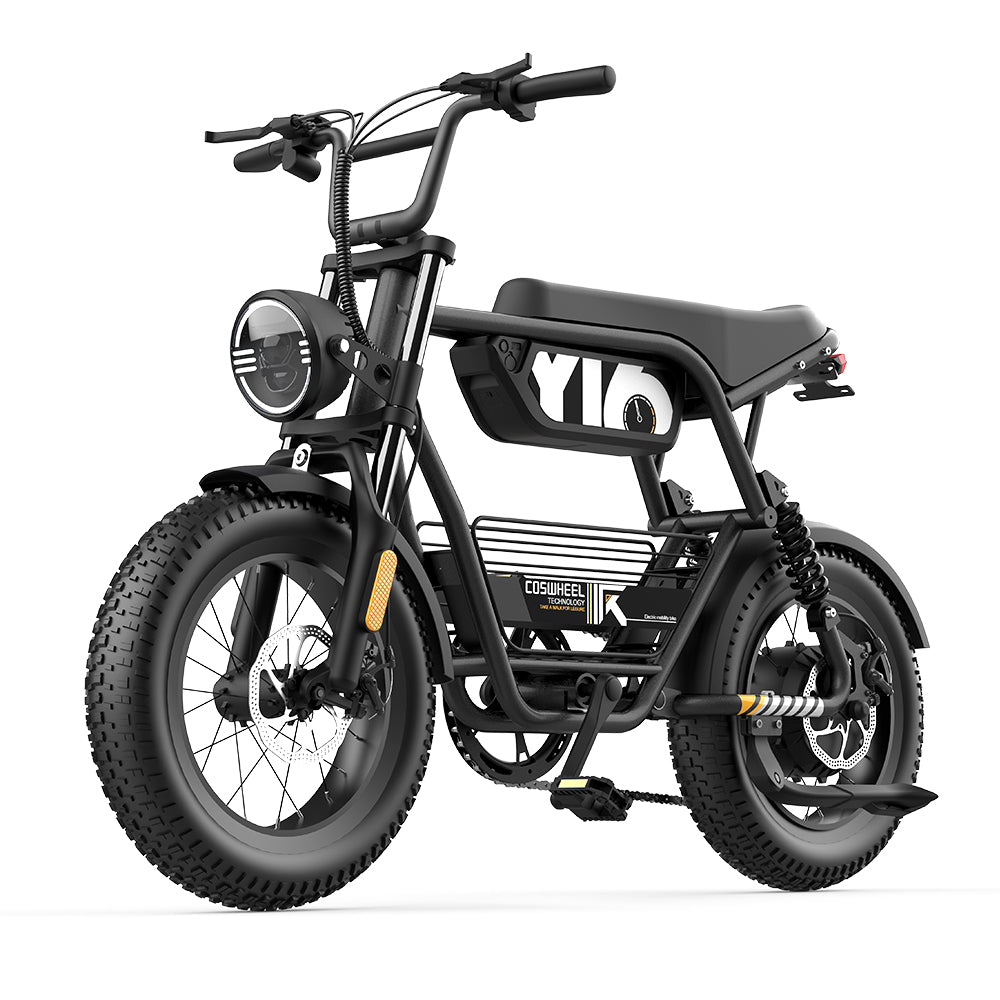
More advanced setups that use hydraulic front forks and rear suspension systems provide better shock absorption and stability. This improves control, especially during longer rides or mixed terrain conditions.
Real-World Riding vs Spec Sheet Numbers
On paper, many electric bikes appear similar. However, real-world riding highlights differences that specifications alone do not show.
Riders often find that factors such as smoother suspension, stable battery output, and consistent performance matter more than peak speed or advertised range.
Which Type of Electric Bike Is Right for You
Choosing the right electric bike depends on how it will be used. For short city commutes, standard commuter bikes remain a practical choice.
However, for riders covering longer distances or riding daily, setups that prioritize battery quality and suspension design tend to offer a more reliable and comfortable experience over time.
Understanding these differences helps riders choose a bike that matches their real usage rather than just its specifications.