
France’s Expanding Urban Cycling Culture
France has experienced a rapid expansion of urban cycling in recent years. Cities such as Paris, Lyon, and Bordeaux have invested heavily in cycling infrastructure, transforming how residents approach daily transportation.
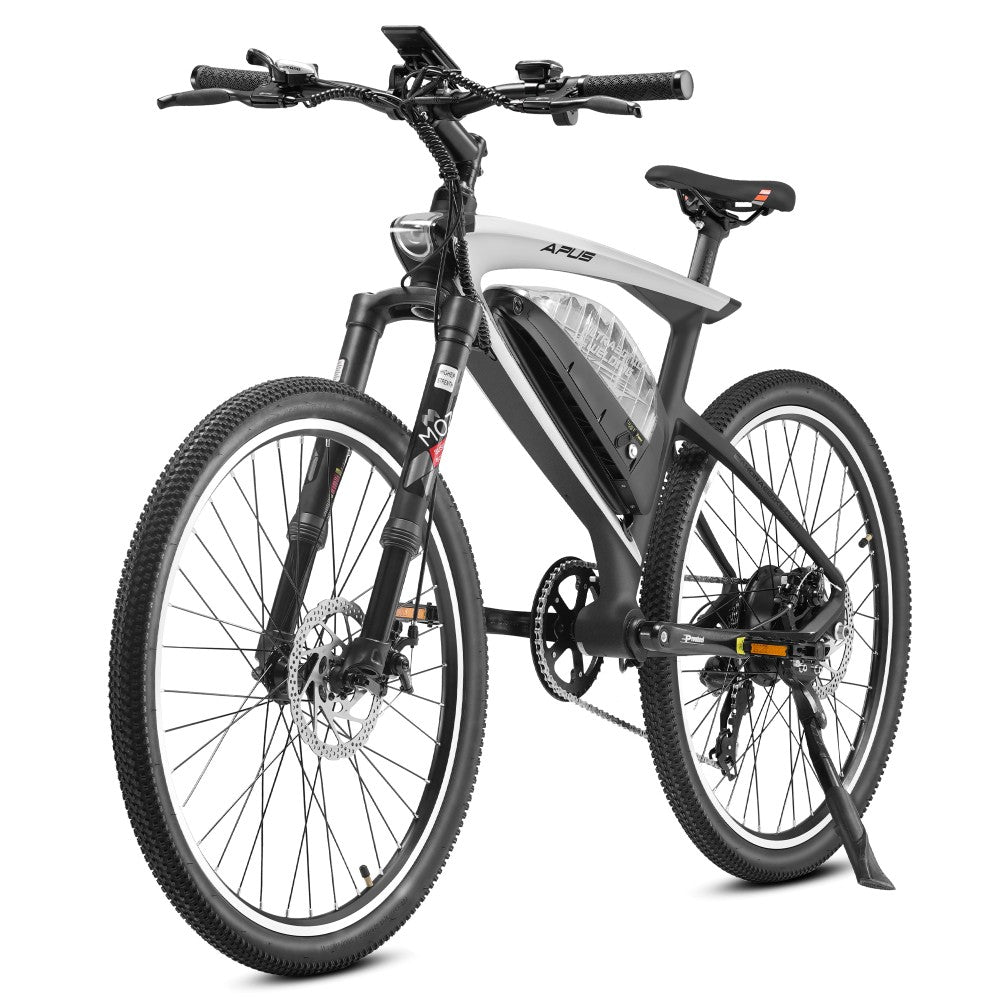
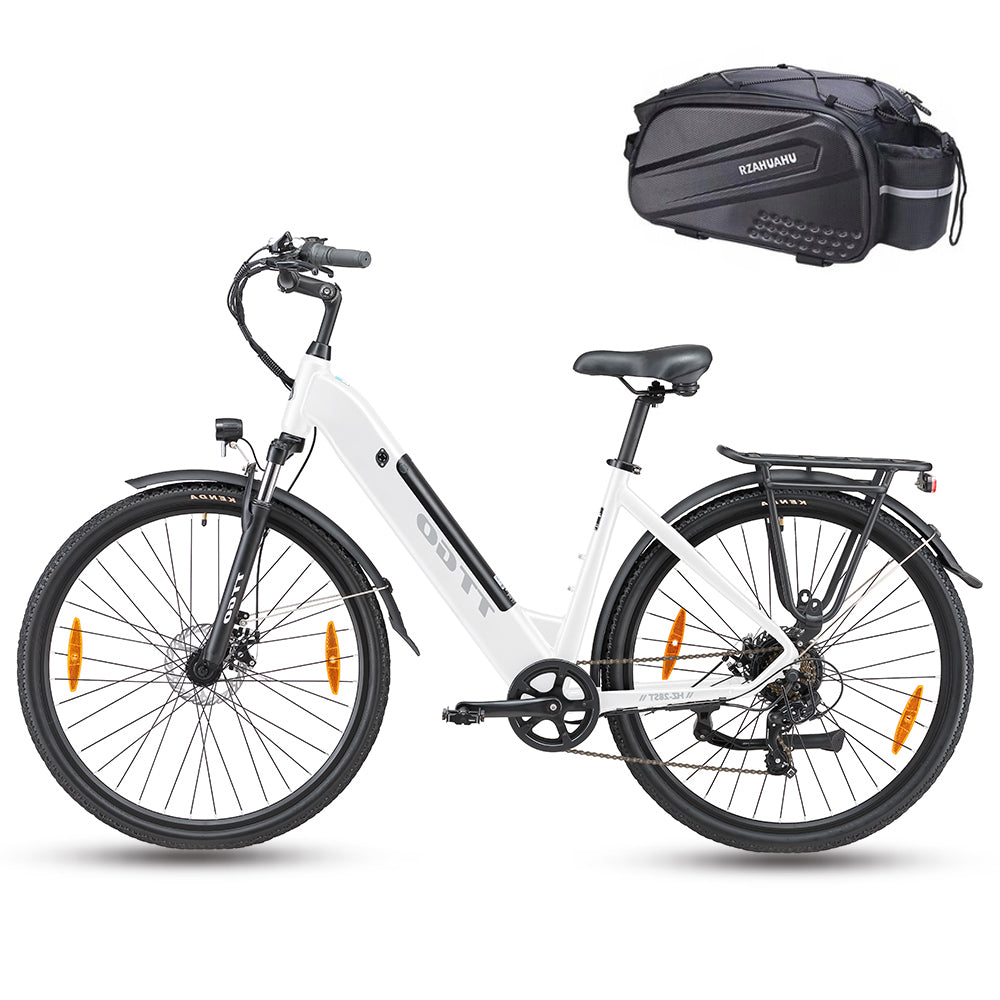
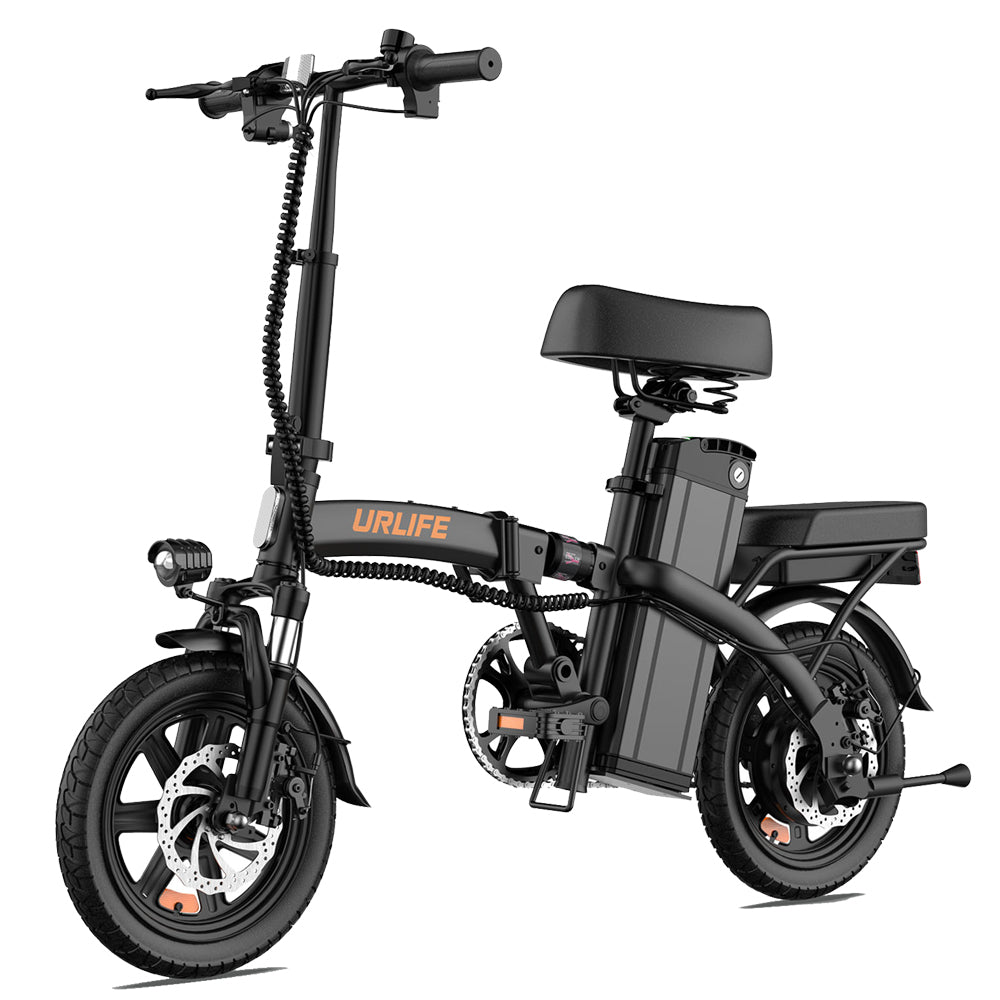
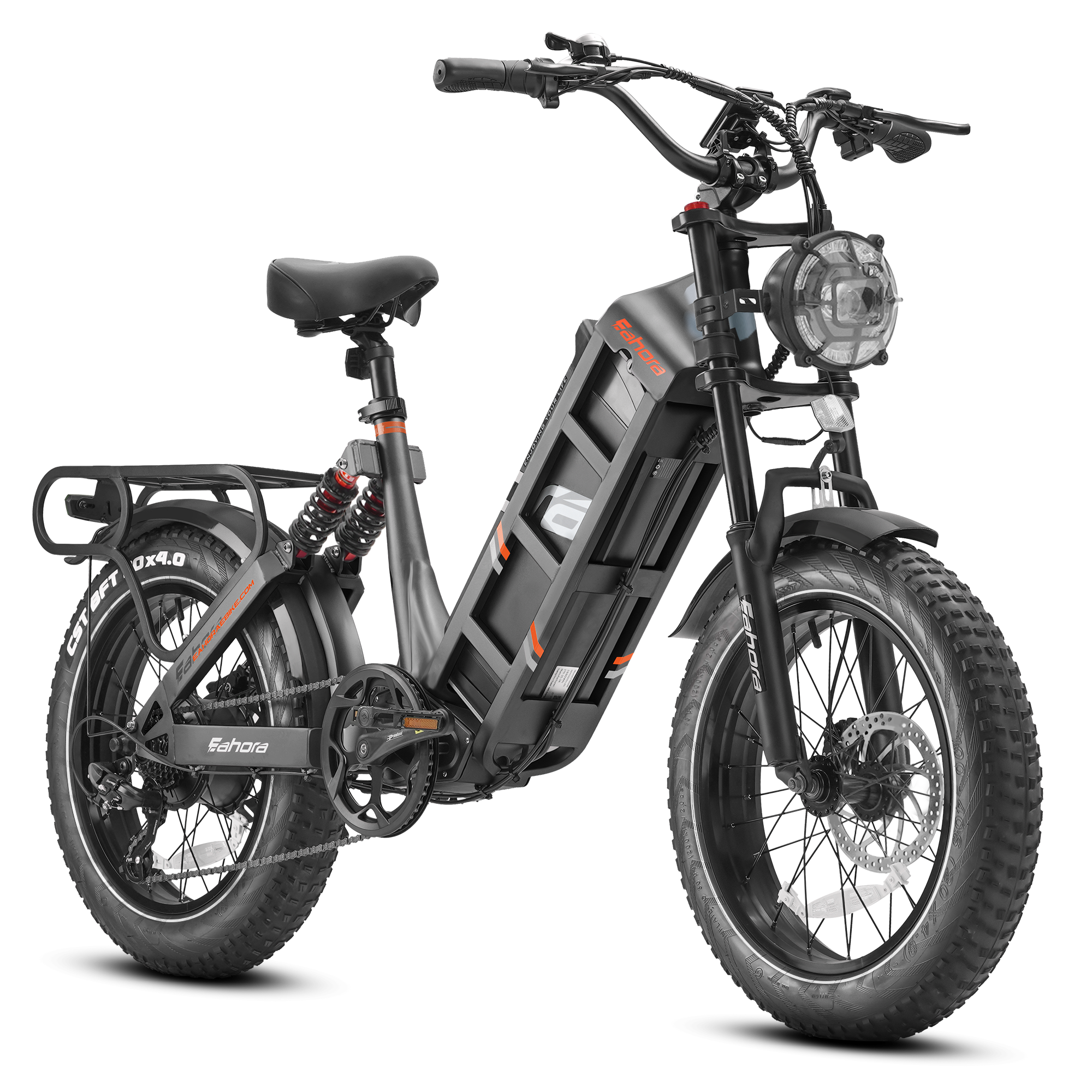
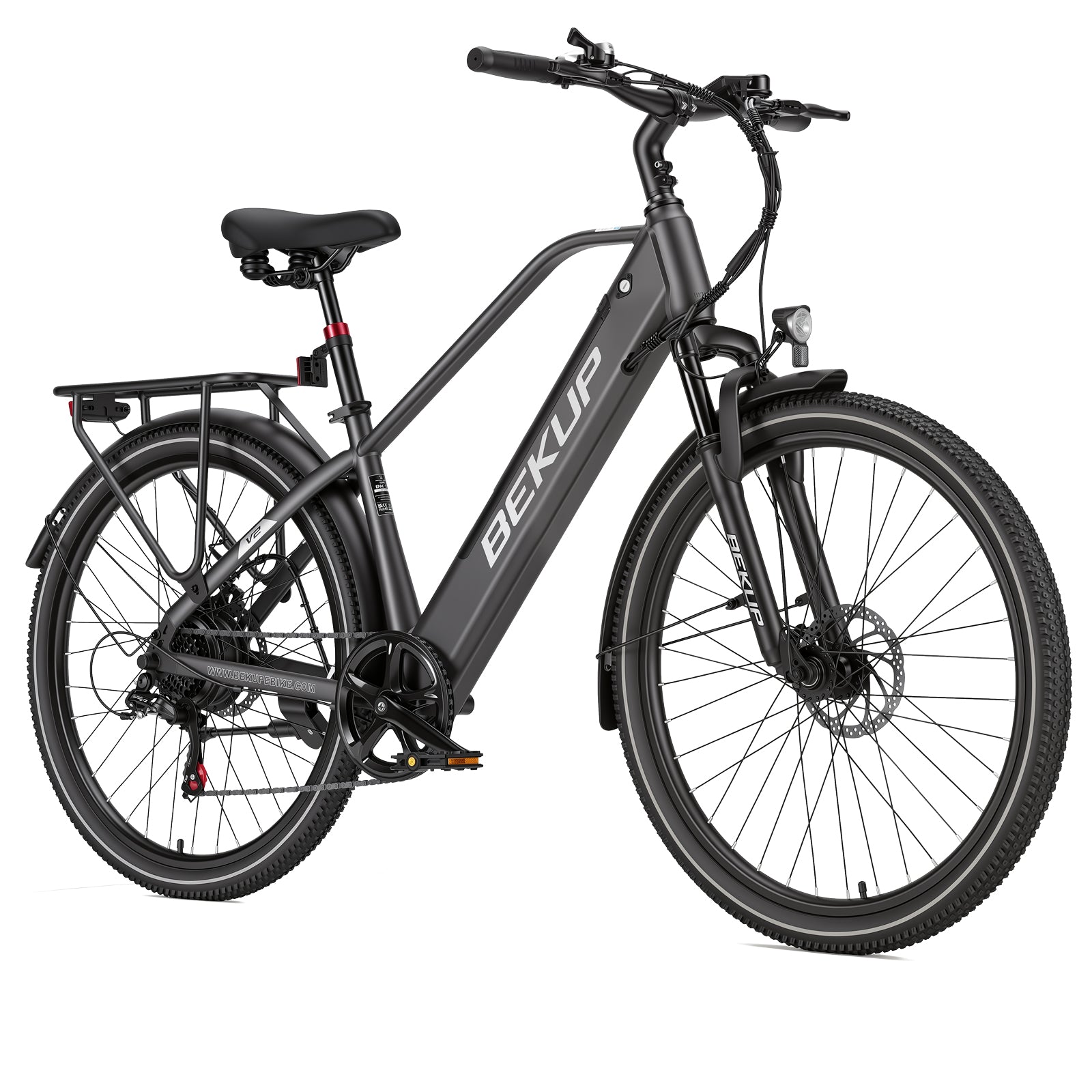
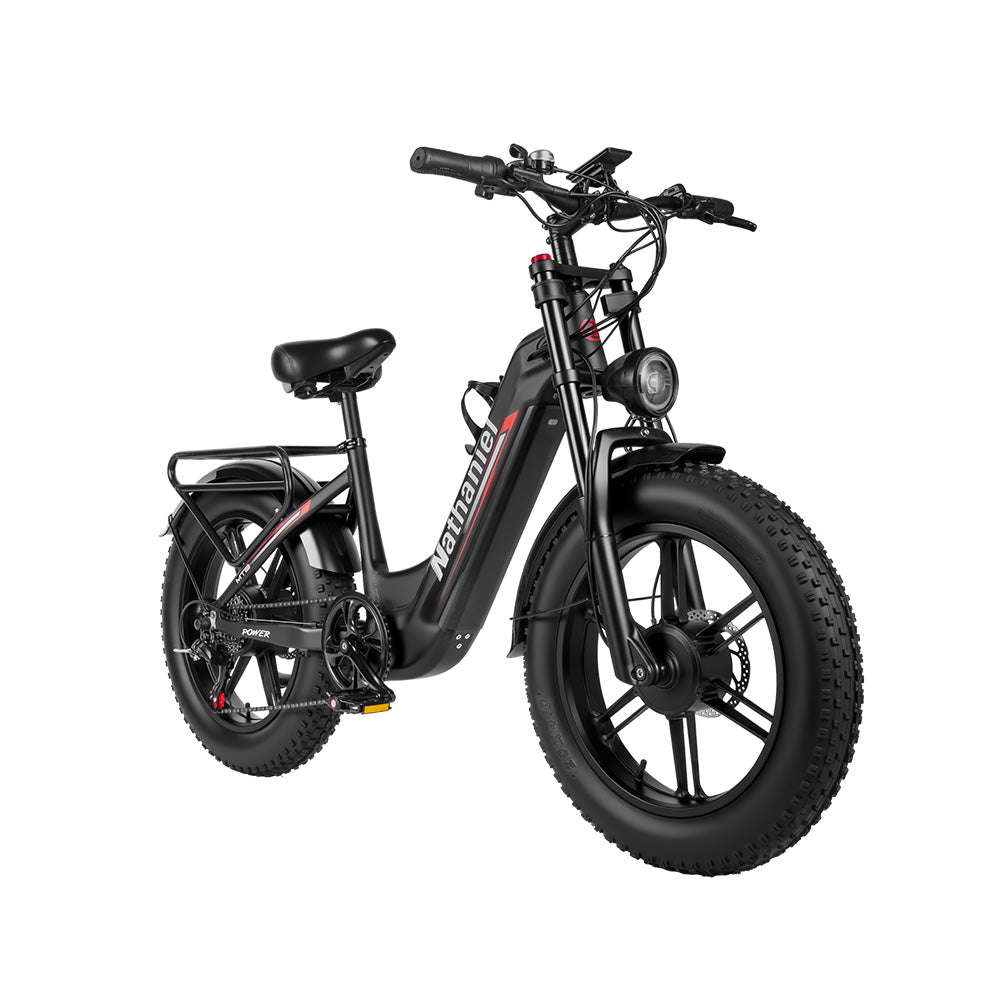
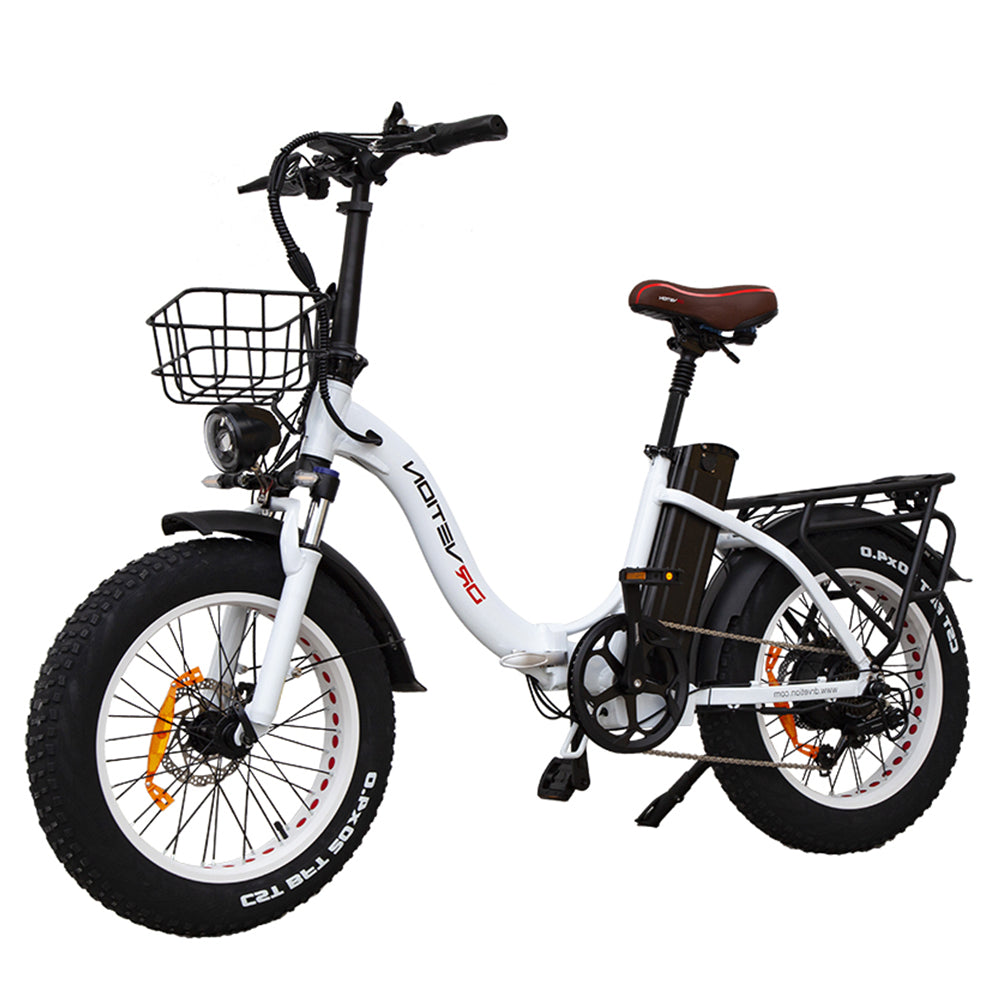
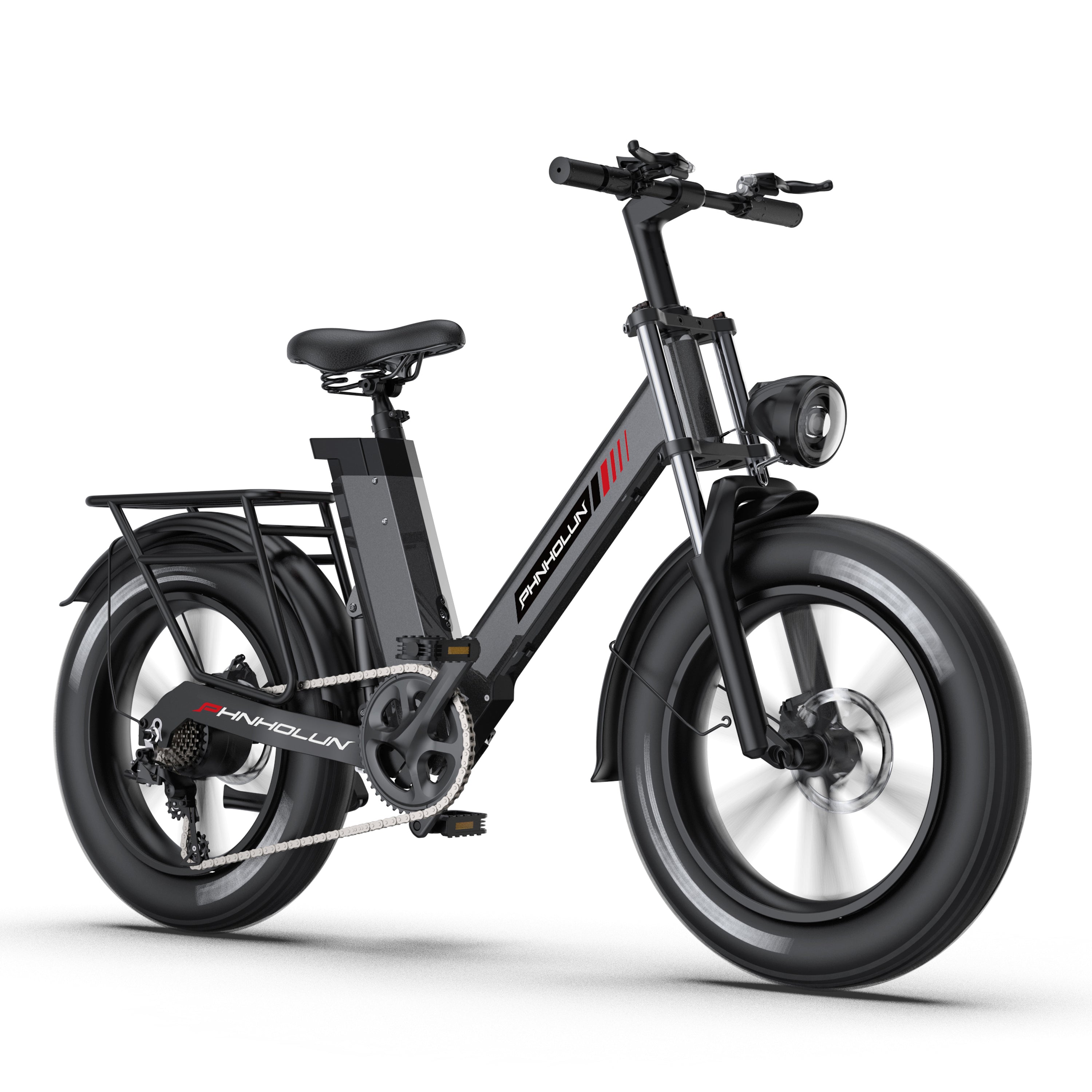
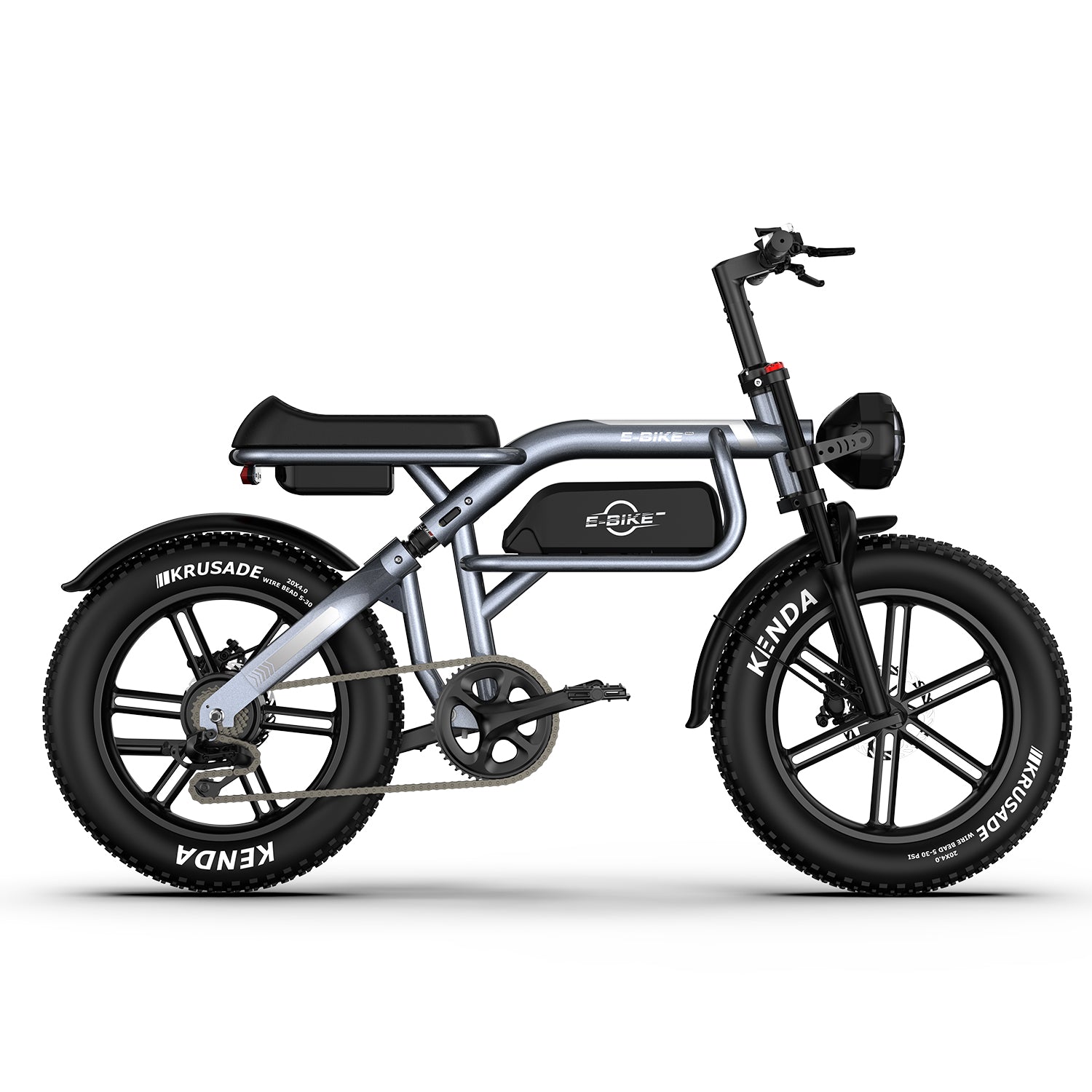
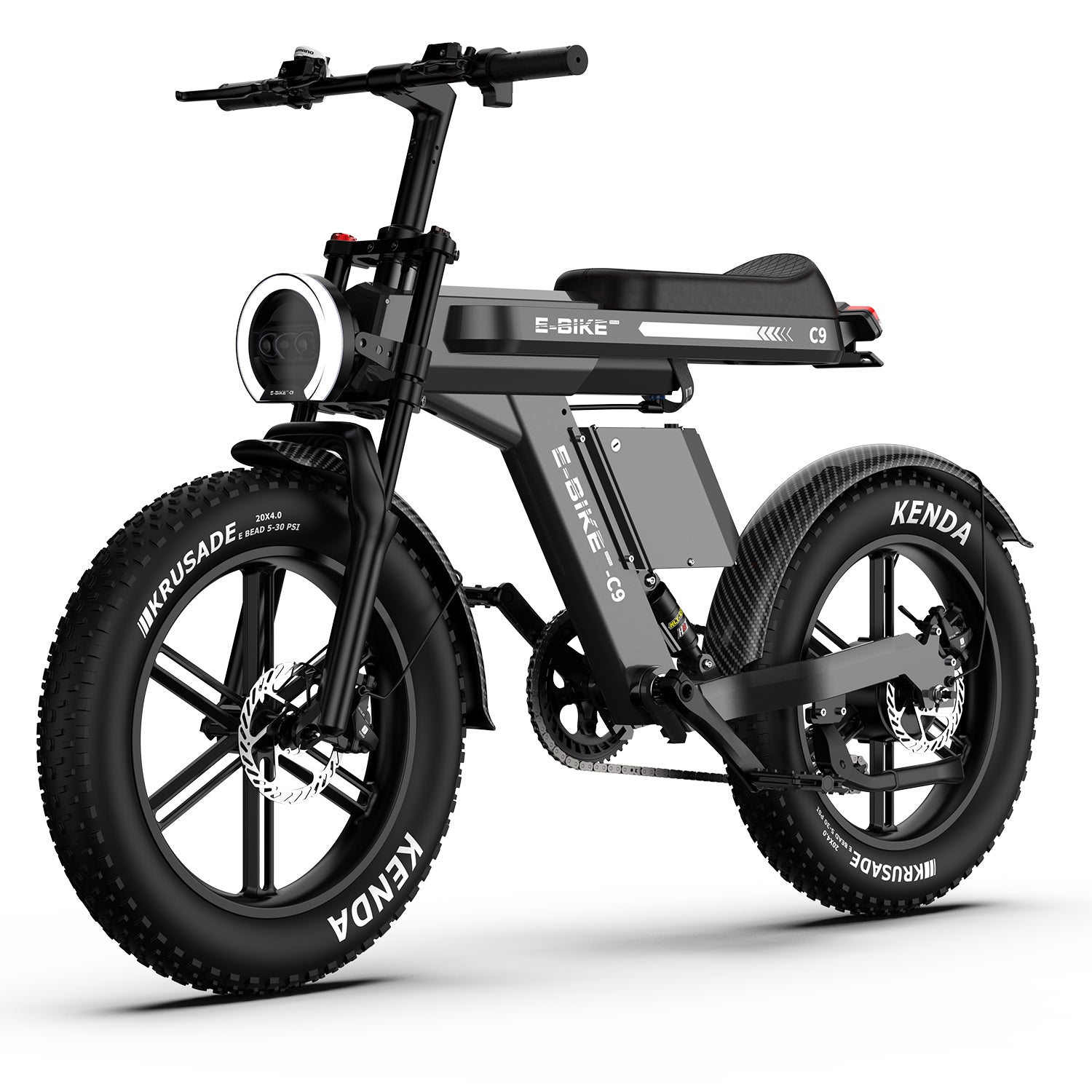
Electric bikes have played a central role in this transition, allowing riders to travel longer distances while maintaining the flexibility of cycling.
From Leisure Cycling to Everyday Transport
Cycling has long been associated with leisure and sport in France, but electric bikes are shifting that perception toward daily mobility.
Commuters increasingly rely on electric bikes for work trips, errands, and multi-stop journeys across dense city environments.
Urban Riding Conditions and Bike Lanes
Modern cycling corridors and separated lanes have made electric bike commuting more predictable. Riders navigating dense urban traffic often benefit from stable braking performance and smooth acceleration.
For riders adapting to electric assistance, understanding gear usage under motor support can help improve control, as explained in this guide to shifting gears on an electric bike.
Regulations and Bike Classification
Electric bikes used in France generally follow the pedelec standard, meaning the motor assists only while pedaling and stops assisting above regulated speeds.
Understanding the distinction between electric bike categories helps riders stay compliant, particularly when comparing pedelecs with other assisted bicycles described in this breakdown of pedelec and speed pedelec bikes.
Maintenance for Frequent Urban Riding
Frequent stop-and-go riding in urban environments increases wear on brakes, tires, and drivetrain components. Riders who commute daily often benefit from simple weekly checks.
Practical maintenance habits similar to high-mileage electric bike maintenance routines help maintain consistent performance.
The Role of Electric Bikes in Modern French Cities
Electric bikes now occupy an important space between walking, public transit, and car travel. Their flexibility allows riders to adapt routes and schedules without relying on fixed infrastructure.
As cycling culture continues to evolve, electric bikes are increasingly viewed not as specialized equipment but as everyday urban vehicles.