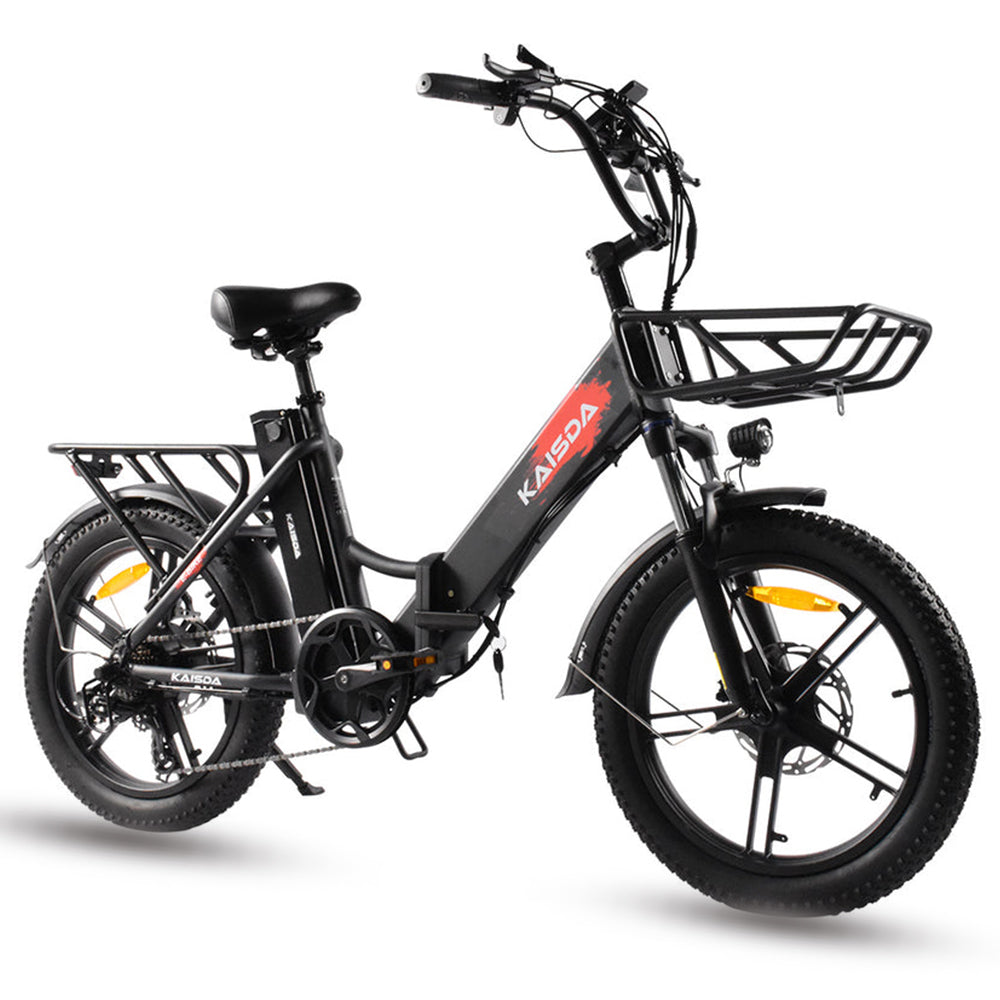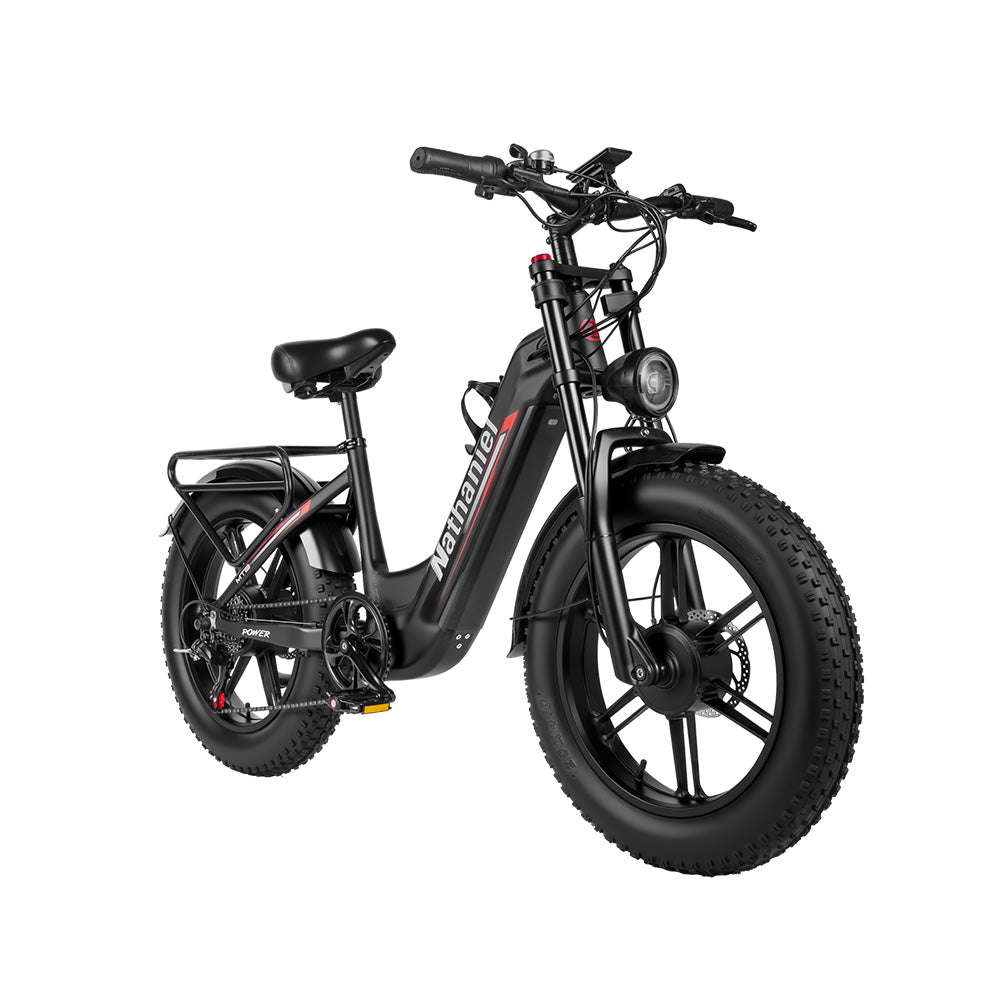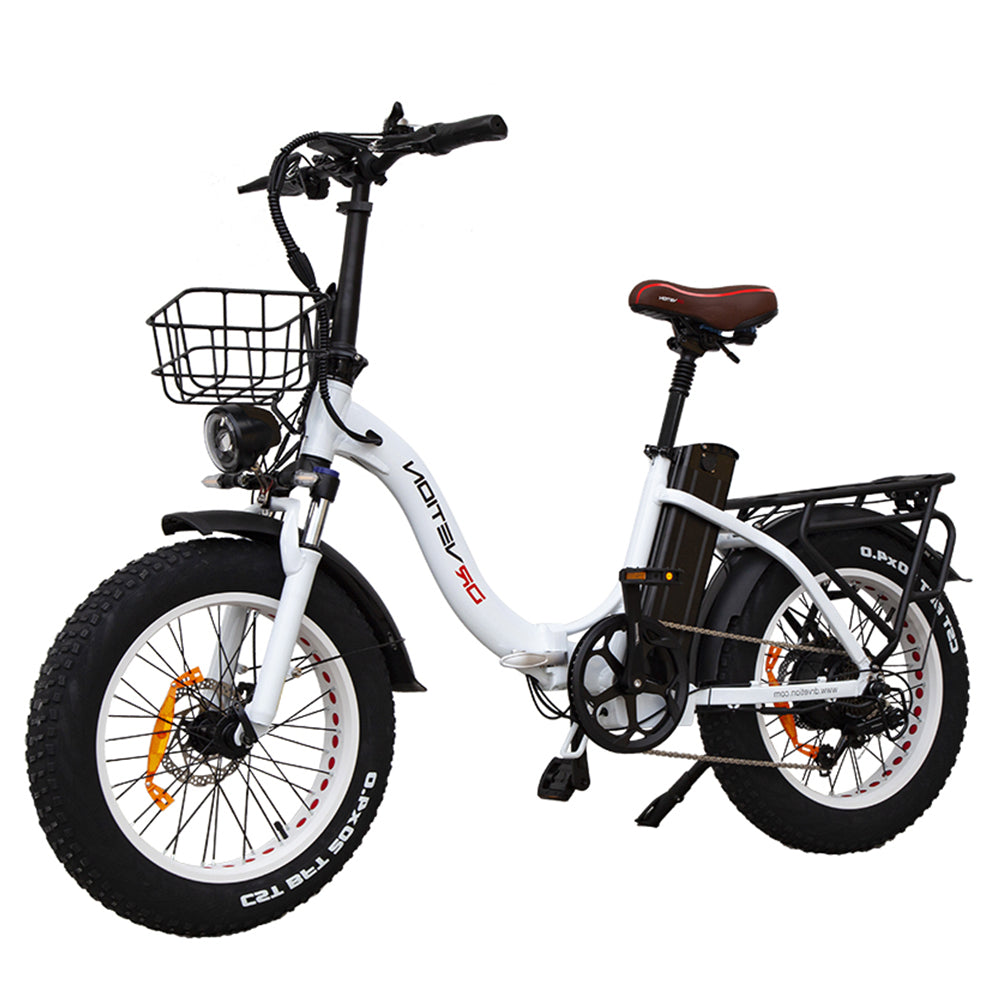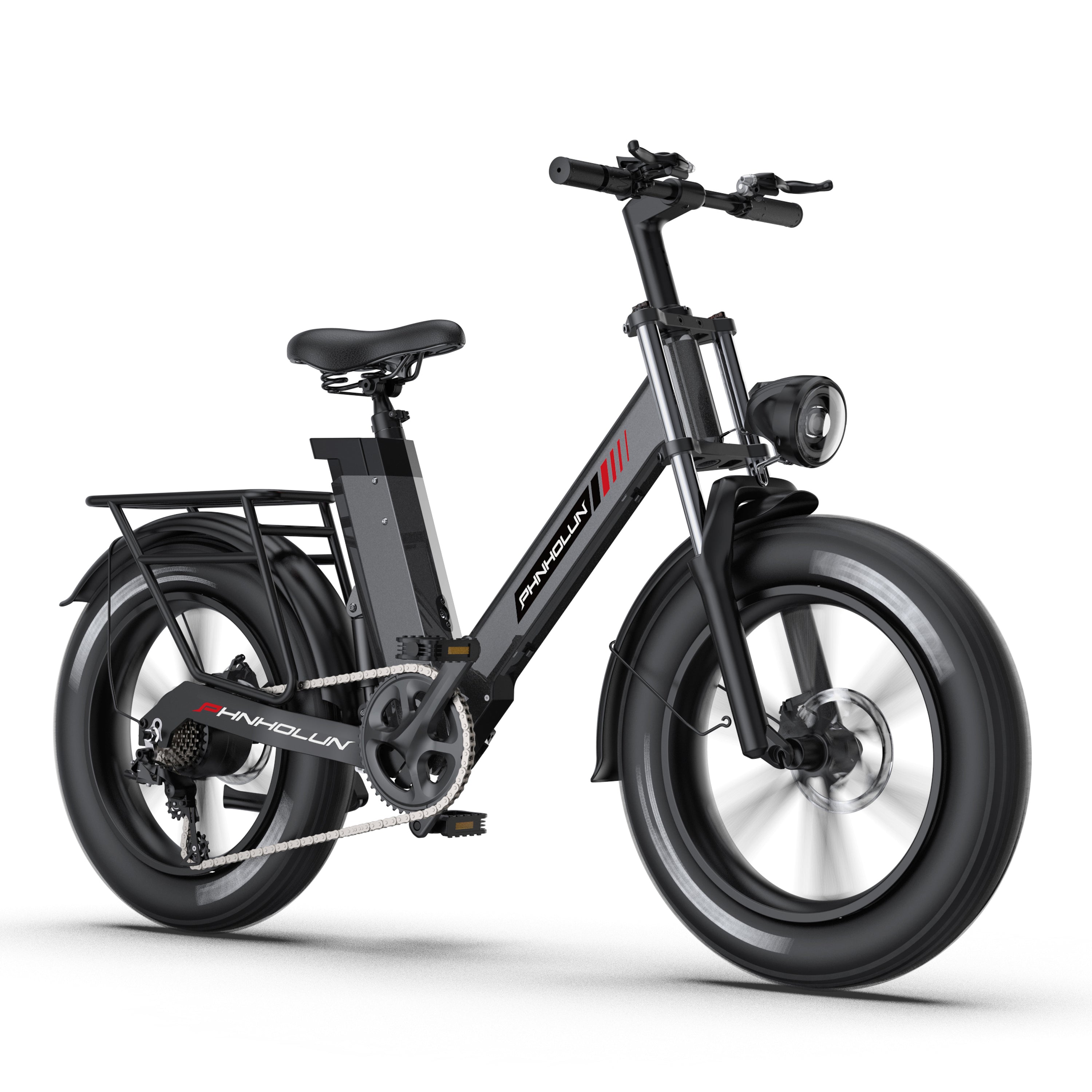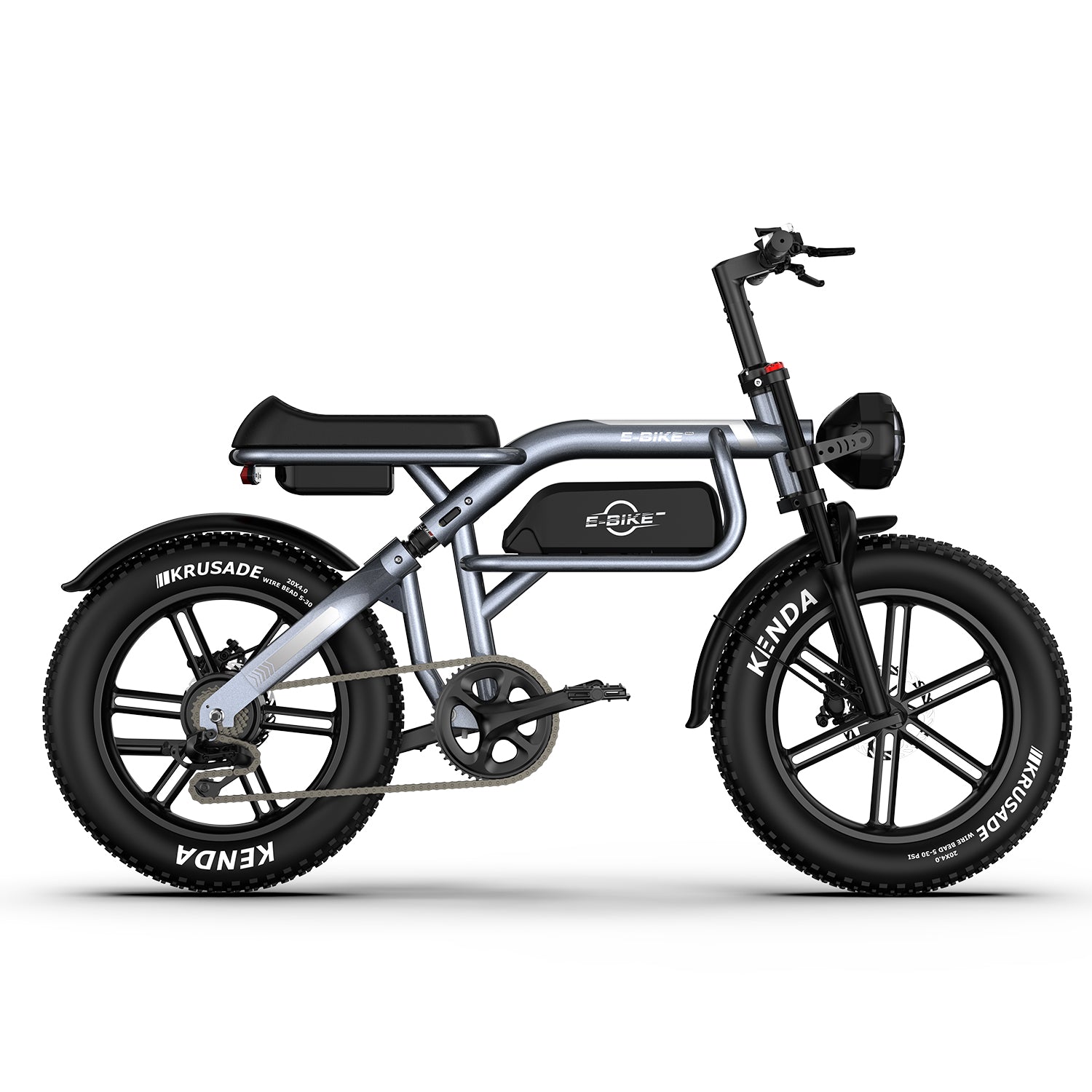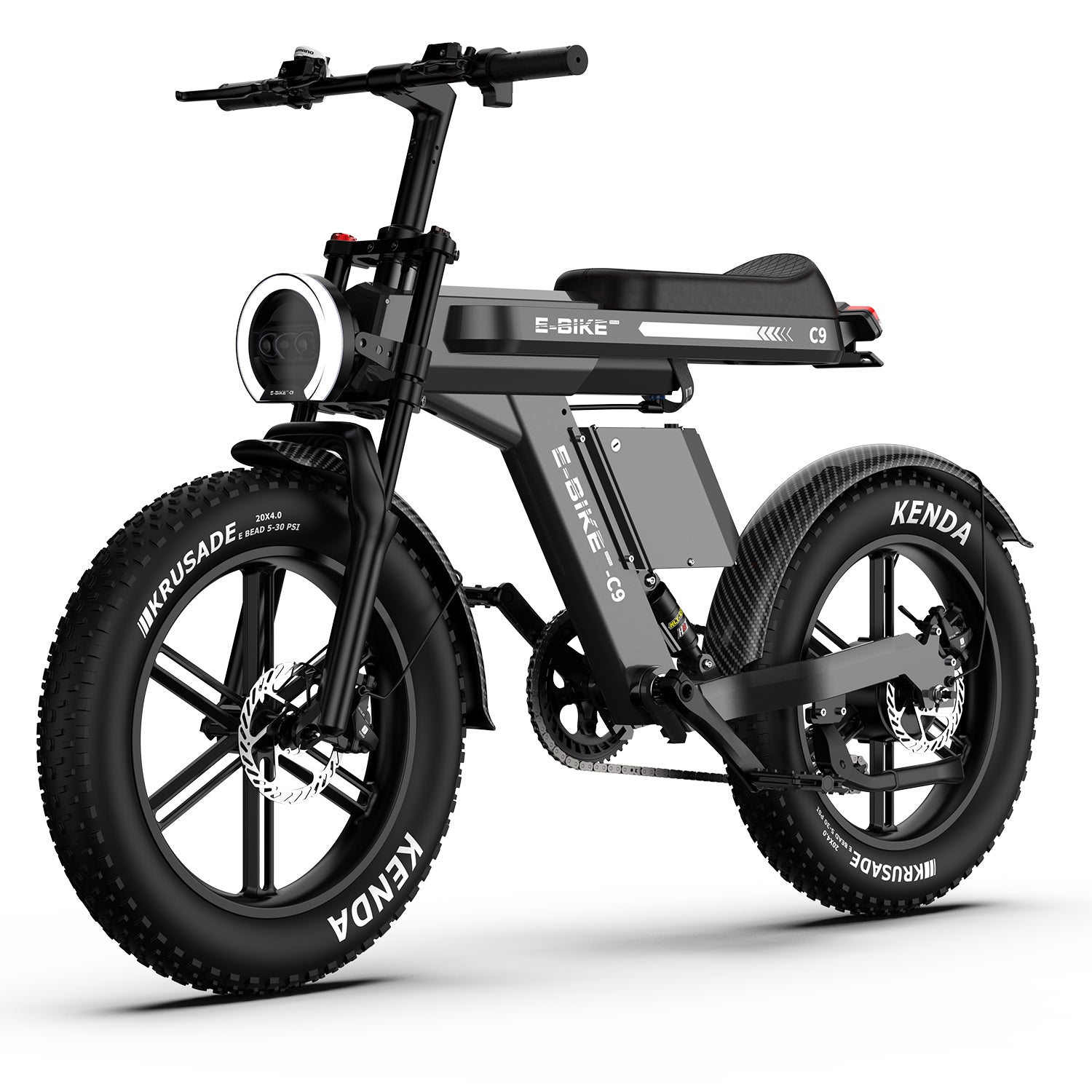

Why Electric Bike Cleaning Needs More Care
Washing an electric bike is not exactly the same as washing a regular bicycle. An e-bike has a battery, motor, display, controller, wiring, sensors, charging port, and electrical connectors. These parts are designed for normal outdoor riding, but they should not be treated like waterproof industrial equipment.
For European riders, regular cleaning is especially important because rain, mud, road dust, and winter salt can build up quickly. A safe cleaning routine helps protect the frame, drivetrain, brakes, tires, and electrical system without creating unnecessary risk.
What You Should Avoid Before Cleaning
The biggest mistake is using a high-pressure washer. Strong water pressure can push moisture into bearings, motor seals, display edges, cable ports, and battery contacts. This may not cause an immediate problem, but it can increase long-term wear or electrical issues.
You should also avoid soaking the bike, spraying directly into the charging port, using aggressive chemicals, or cleaning the bike while the charger is connected. The goal is controlled cleaning, not heavy washing.
Avoid These Common Mistakes
Do not use a pressure washer.
Do not spray water directly at the display, battery mount, charging port, or motor area.
Do not wash the bike while it is charging.
Do not apply degreaser to brake rotors or brake pads.
Do not store the bike wet after washing.
Prepare the Bike Before Washing
Before cleaning, turn the e-bike off and remove the key if your model uses one. If the battery is removable, take it off the bike and wipe it separately with a dry or slightly damp cloth. Make sure the charging port cover is closed before cleaning the frame.
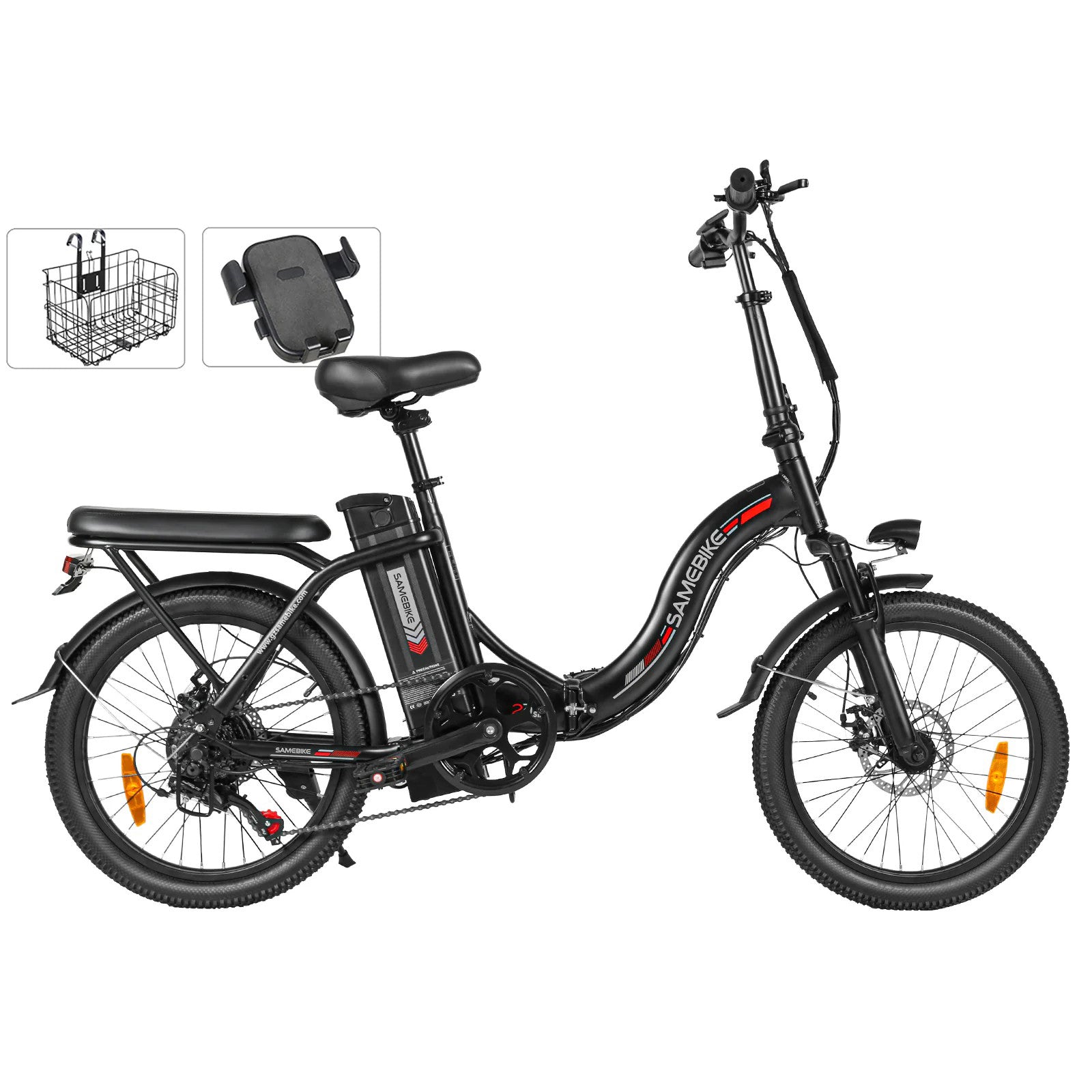
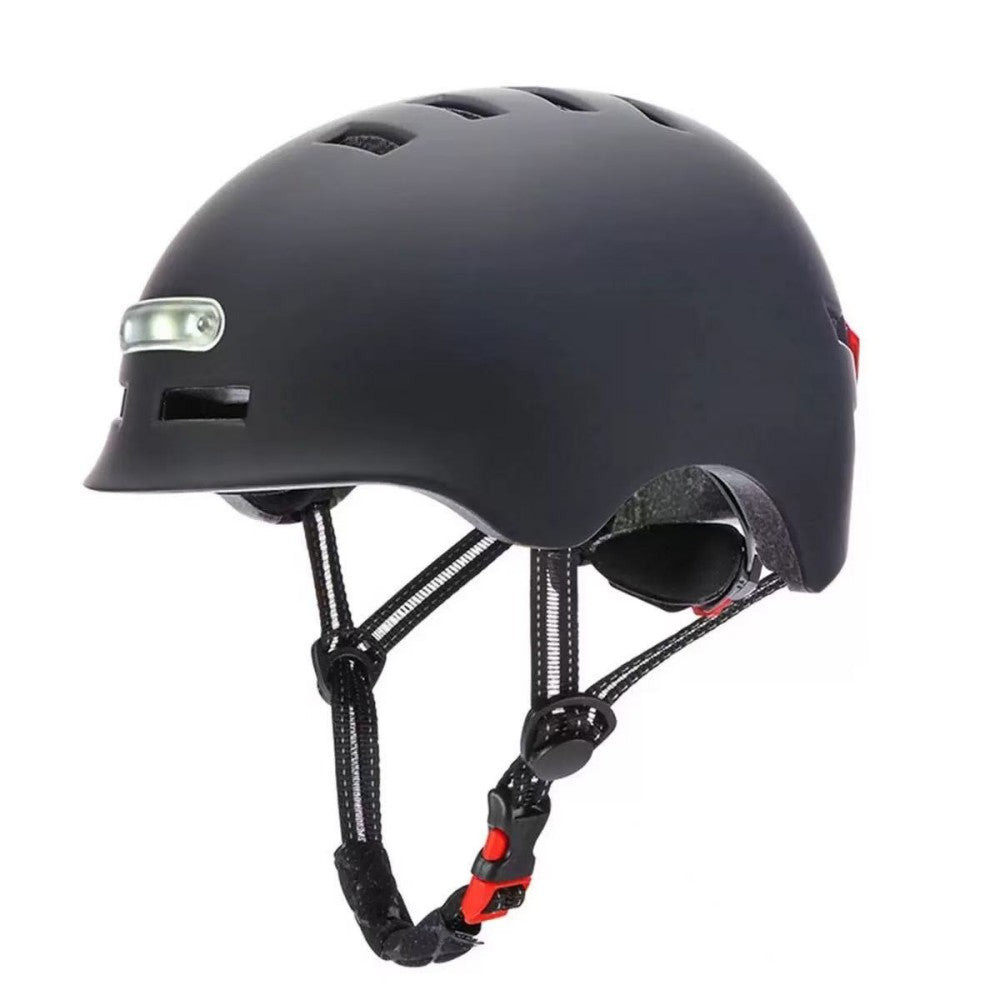
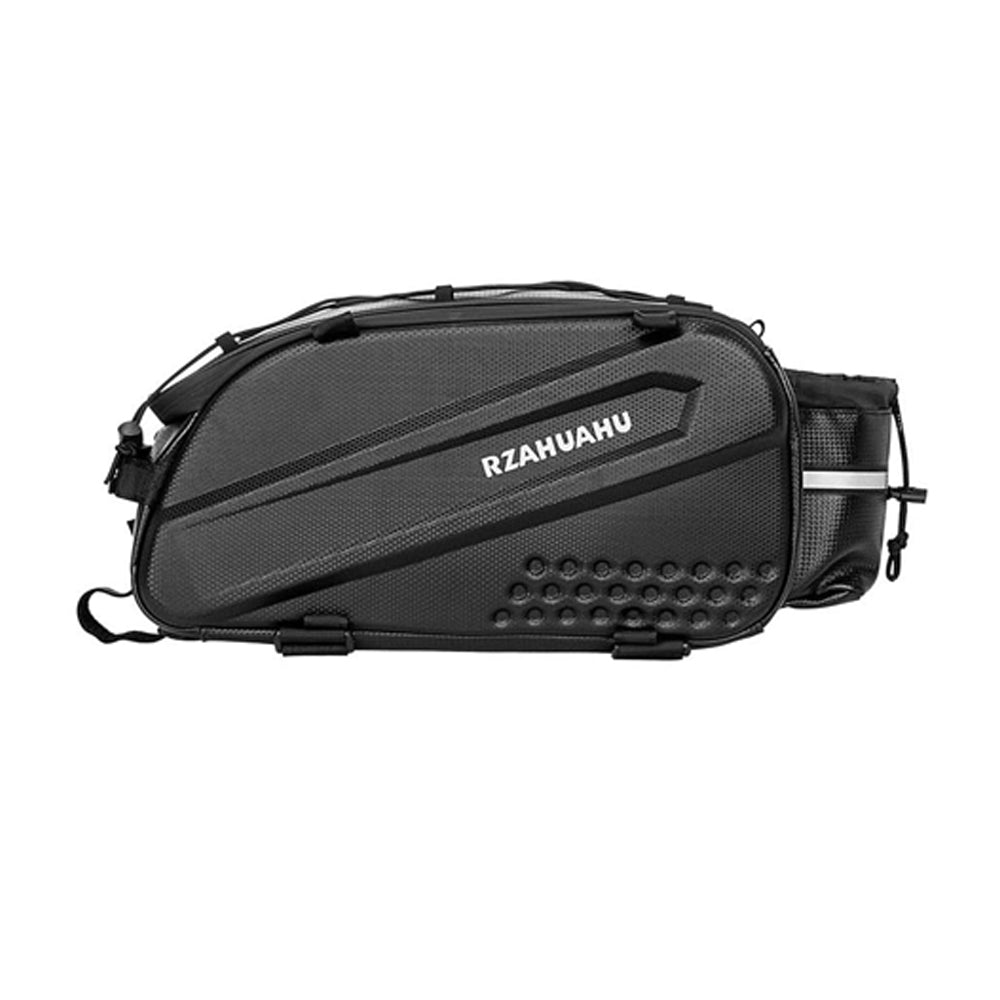
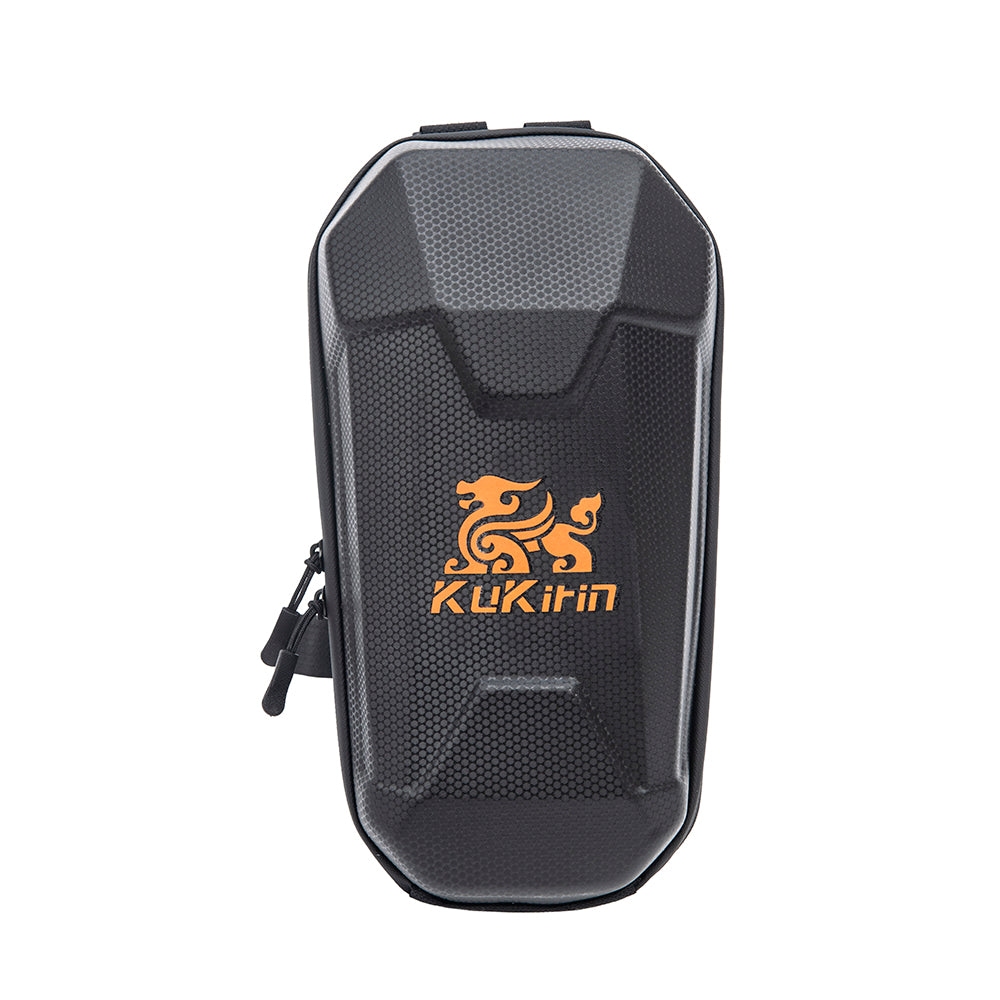
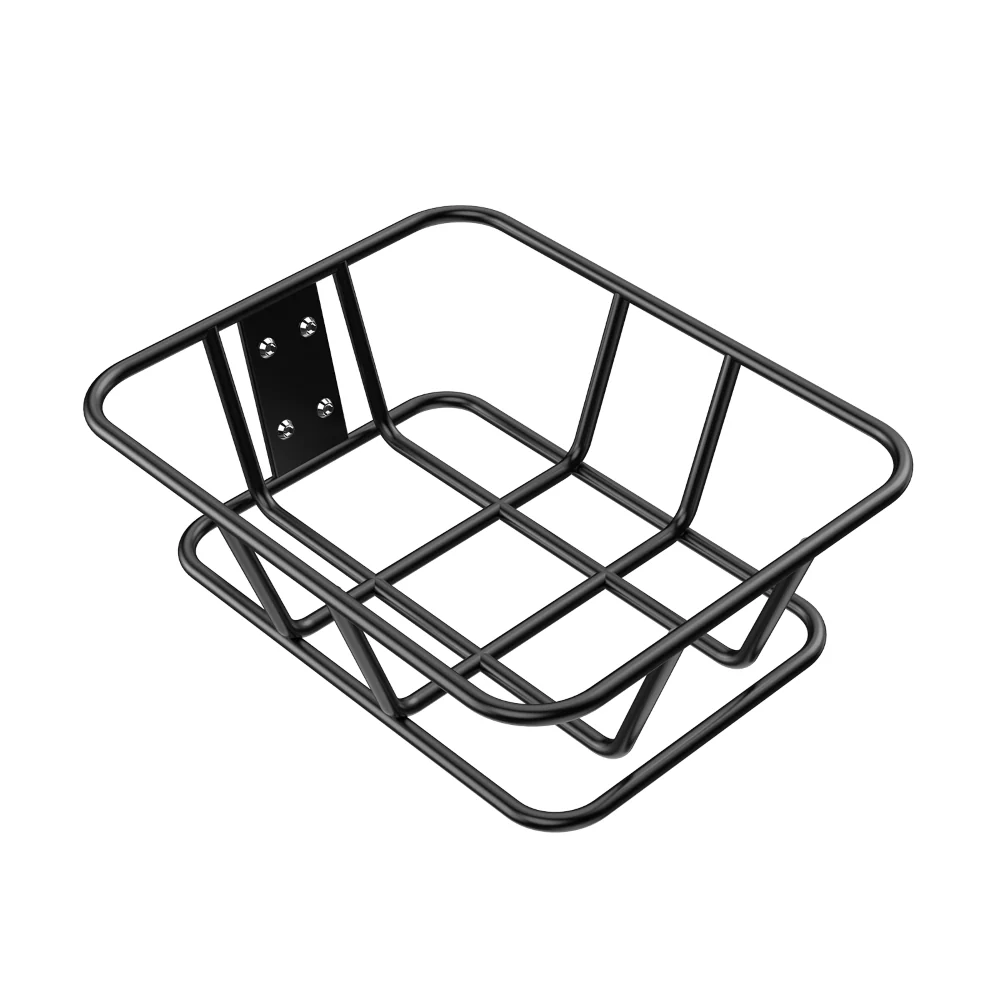
If your bike has removable accessories such as lights, bags, baskets, or phone holders, remove them first. This makes cleaning easier and prevents water from collecting around accessory mounts.
For broader battery handling habits, read this electric bike battery care guide for Europe.
Use a Gentle Cleaning Method
For most e-bikes, a soft cloth, low-pressure water, mild bike cleaner, and a soft brush are enough. Start by removing loose dirt with a dry brush or cloth. Then wipe the frame with a damp cloth instead of spraying water directly at electrical areas.
If the bike is very muddy, rinse gently from above and avoid aiming water at the motor, display, battery rail, charging port, or cable connections. Work slowly and clean one section at a time.
Recommended Cleaning Tools
Soft microfiber cloths for the frame and display area.
A soft brush for tires, pedals, and frame corners.
A chain brush for drivetrain cleaning.
Mild bicycle cleaner instead of harsh household chemicals.
A dry towel for finishing the bike before storage.
Clean the Drivetrain Separately
The drivetrain usually collects the most dirt. Chain, cassette, chainring, and derailleur areas should be cleaned carefully because dirt and old lubricant can increase friction, reduce efficiency, and create noise over time.
Use a suitable drivetrain cleaner or a mild degreaser only on drivetrain parts. Avoid getting degreaser on brake rotors, brake pads, tires, or electrical connectors. After cleaning, dry the chain and apply fresh chain lubricant according to your riding conditions.
For a more complete routine, see this electric bike drivetrain care guide.
Be Careful Around Brakes
Brakes need to stay clean, but they should not be contaminated with oil, degreaser, or lubricant. If cleaning products reach the rotors or pads, braking noise and weaker stopping performance may follow.
Wipe brake rotors with a clean dry cloth or a proper brake-safe cleaner. Do not touch the rotor surface with oily hands after lubricating the chain. If the brakes become noisy after washing, contamination may be one of the causes.
If you notice brake noise after cleaning, check this disc brake noise guide.
Dry the Bike Completely
Drying is just as important as washing. After cleaning, wipe the frame, handlebar, display area, chain, derailleur, battery mount, and charging port area with a dry cloth. Gently bounce the bike or move it slightly to help water leave hidden corners.
Do not store the bike wet in a closed room, basement, or garage. Moisture trapped around bolts, hinges, bearings, and electrical parts can increase corrosion risk over time.
After Rain, Clean More Strategically
After a rainy ride, you do not always need a full wash. Often, a quick wipe-down is enough. Focus on the chain, brake area, tire sidewalls, frame underside, and battery mount area. If the road was muddy or salty, clean more thoroughly.
Rainy conditions are common in many European cities, so a realistic after-rain routine can protect the bike without taking too much time. For more seasonal care, read this electric bike rain maintenance guide.
Final Cleaning Checklist
Turn the bike off before cleaning.
Remove the battery if possible.
Avoid high-pressure water.
Wipe electrical areas instead of spraying them directly.
Keep lubricant and degreaser away from brakes.
Dry the bike fully before storage.
Final Thoughts
Washing an electric bike safely is about control. You do not need heavy water pressure or aggressive chemicals. You need a gentle routine that removes dirt while protecting the battery, motor, display, drivetrain, brakes, and connectors.
For daily European riders, regular cleaning helps the bike stay quieter, smoother, and easier to maintain over time. A clean e-bike is not only about appearance. It is part of long-term reliability.