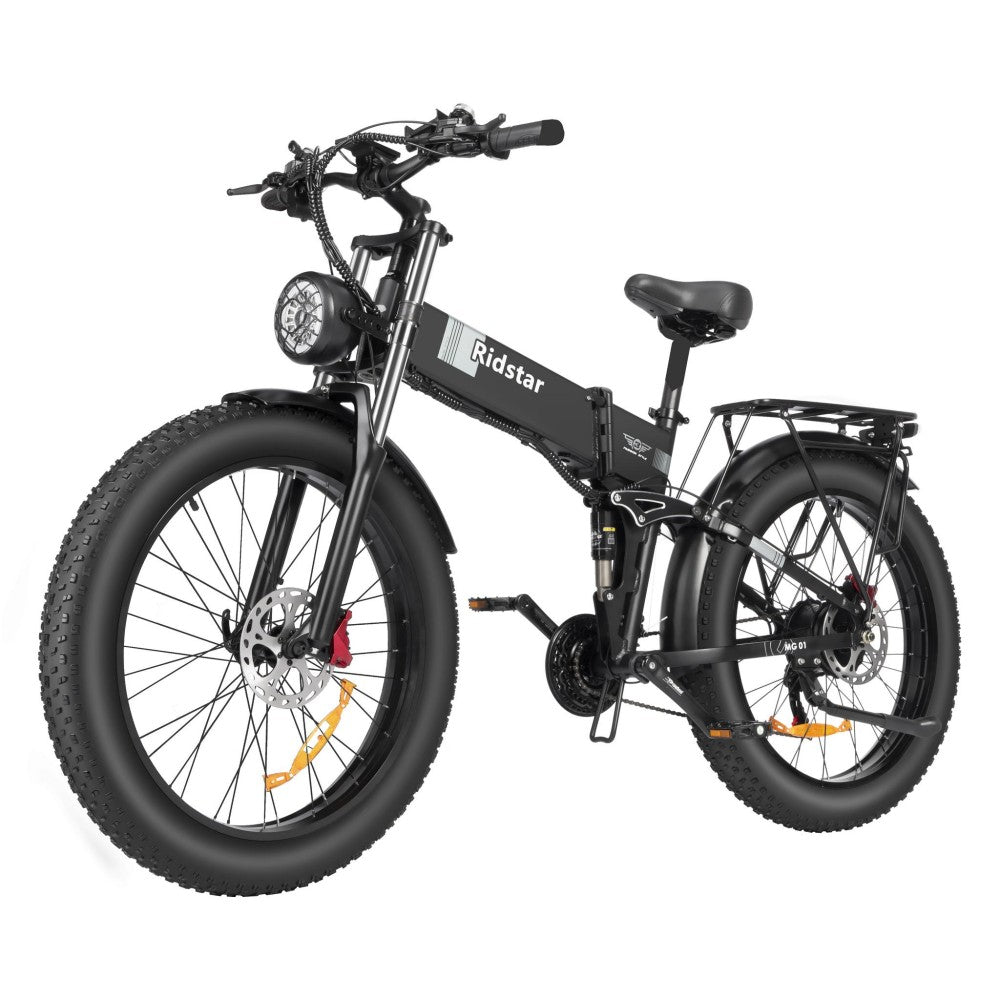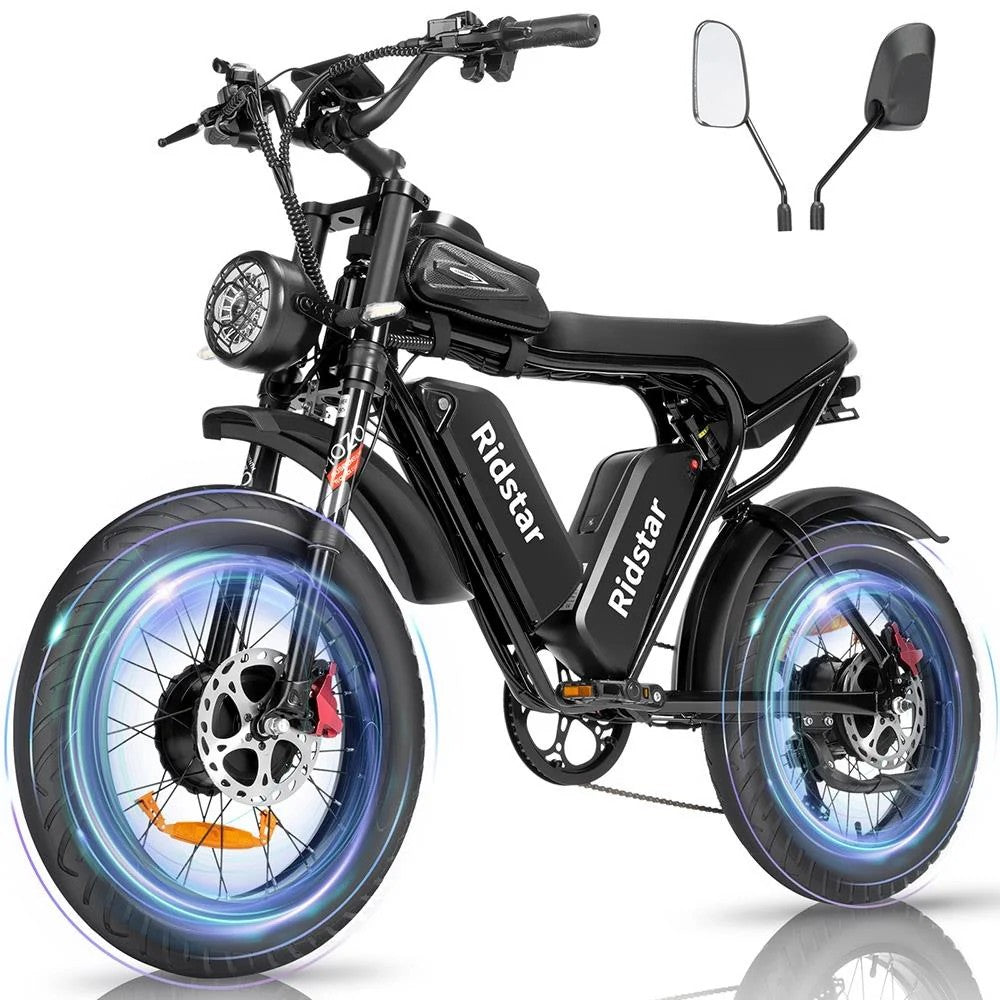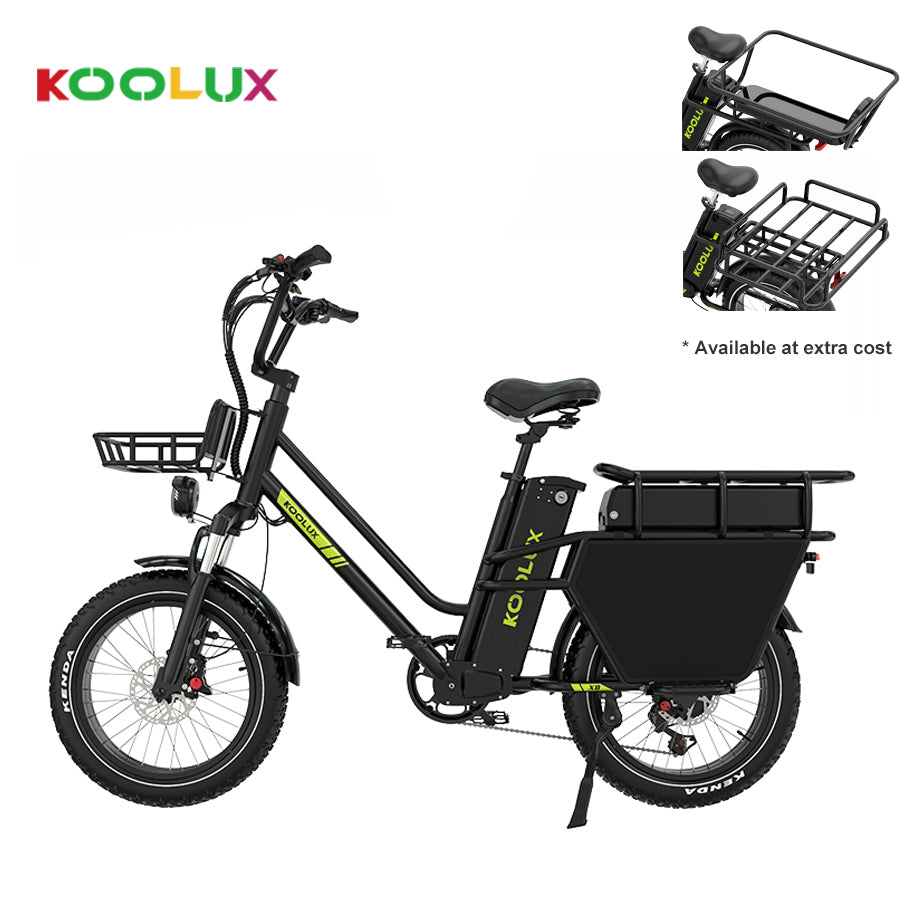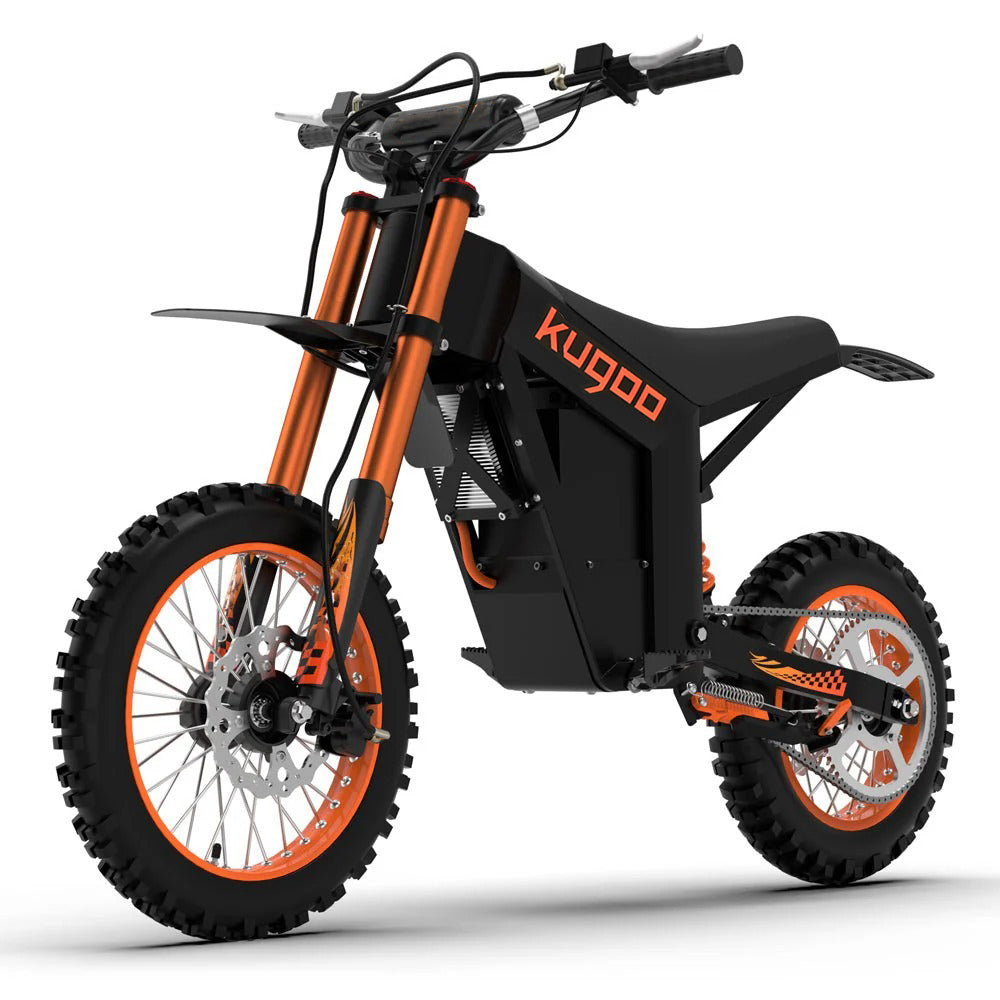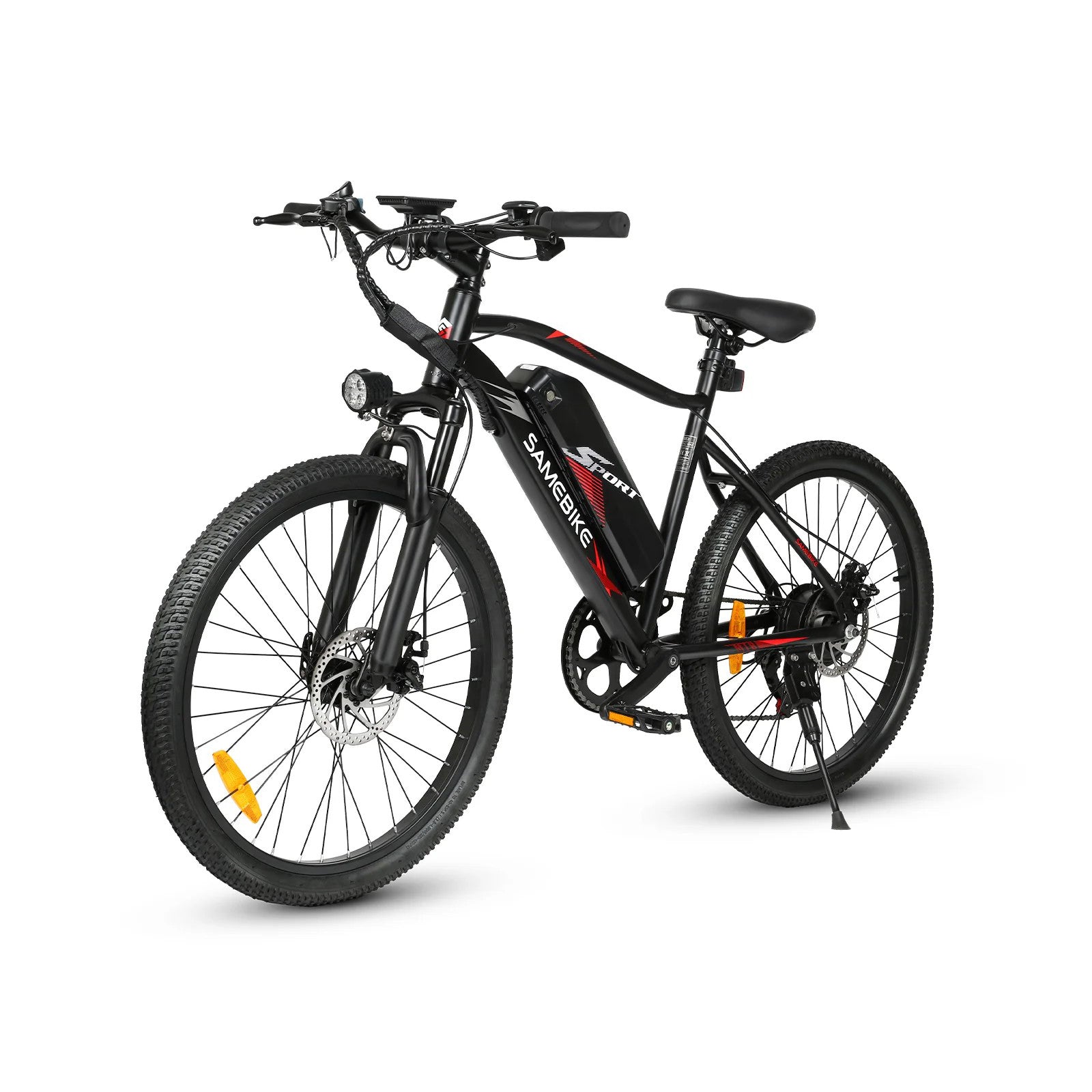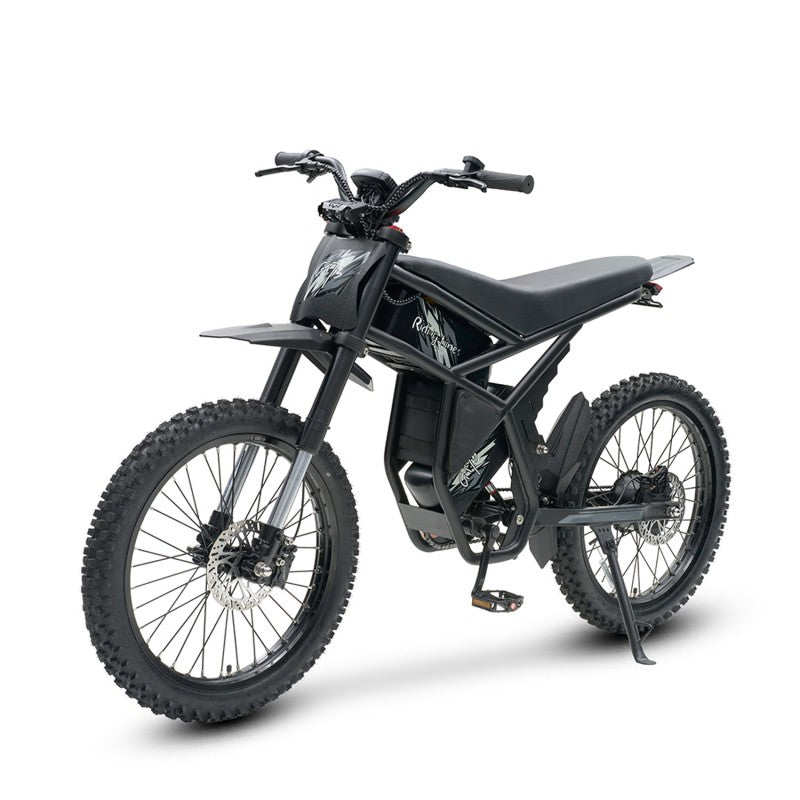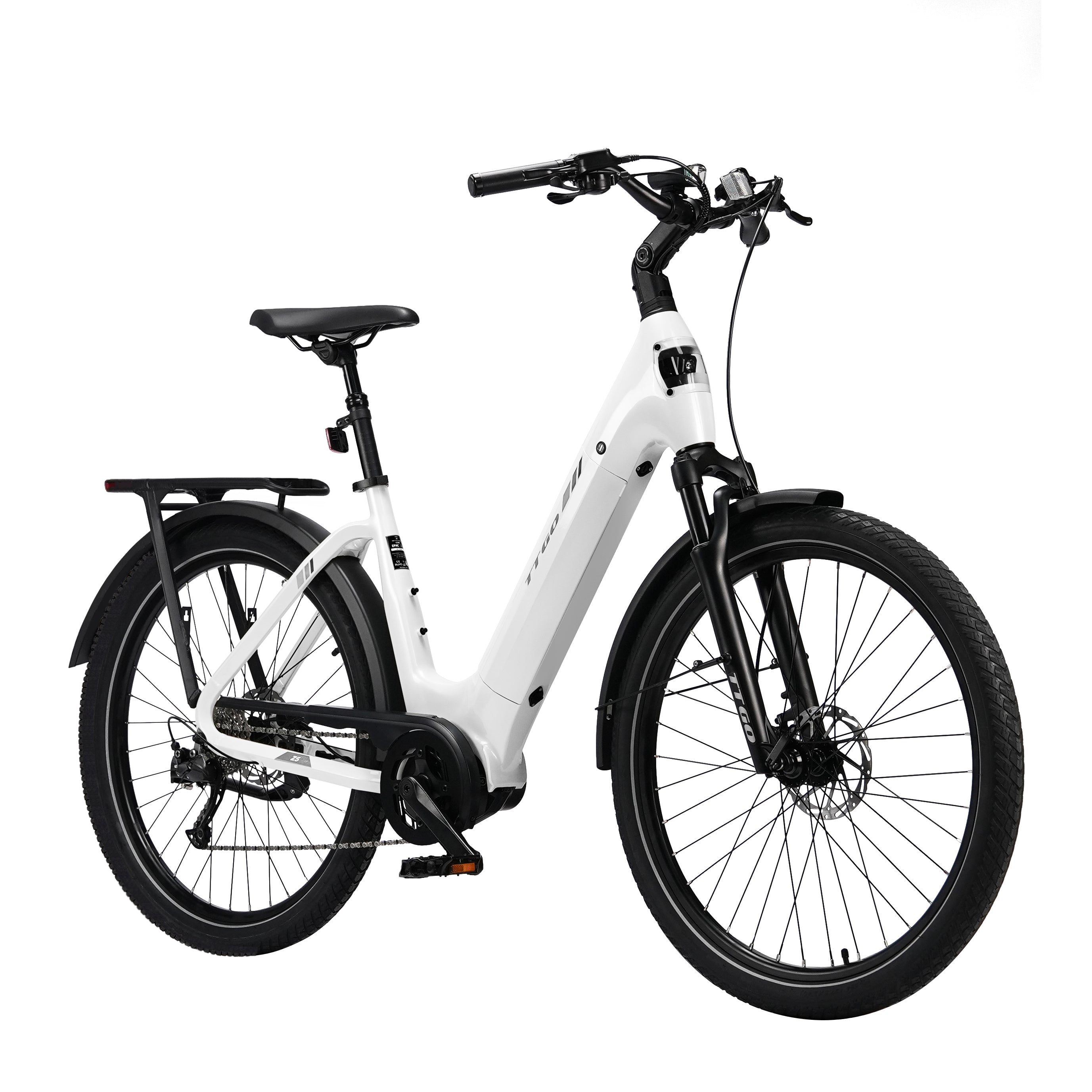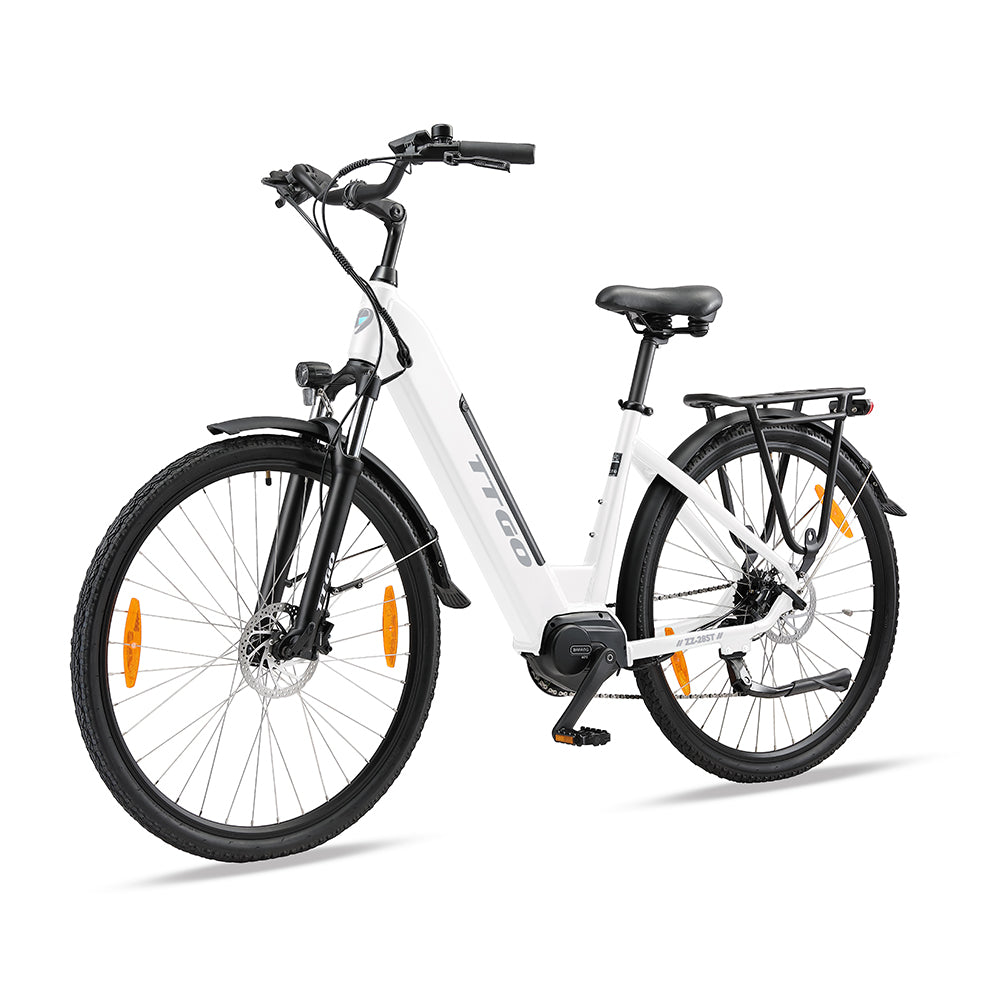

Le bici elettriche progettate per una gamma più lunga sono spesso utilizzate più frequentemente e per distanze più lunghe rispetto alle configurazioni standard dei pendolari. Questo cambia il modo in cui appare l'usura e come la manutenzione dovrebbe essere affrontata.
Invece di controlli occasionali, la guida a lungo raggio beneficia di routine di assistenza più leggere ma più coerenti che si concentrano sulla salute della batteria, sulle prestazioni di frenata e sulla stabilità di guida.
Gestione della salute della batteria rispetto all'uso esteso
La cura della batteria diventa sempre più importante con l'aumentare della distanza di guida. Le corse più lunghe in genere comportano cicli di scarica più profondi, che pongono più stress sulle celle della batteria nel tempo.
I piloti possono notare cambiamenti graduali nella gamma utilizzabile, specialmente con frequenti spostamenti di guida o di temperatura stagionale. Questo comportamento è comune e spiegato in dettaglio in Perché la gamma di batterie per bici elettriche diminuisce.
Mantenere la carica parziale durante lo stoccaggio, evitare temperature estreme e seguire abitudini di ricarica coerenti aiutano a rallentare la perdita di capacità a lungo termine.
Sistemi a batteria doppia e assistenza quotidiana
Le biciclette elettriche dotate di sistemi a doppia batteria distribuiscono il consumo di energia in due unità, che possono ridurre lo stress sulle singole celle quando gestite correttamente. Dal punto di vista della cura, questa configurazione beneficia di abitudini di ricarica bilanciate e l'ispezione periodica di entrambe le connessioni della batteria.
I piloti che utilizzano configurazioni a doppia batteria spesso trovano che le routine di ricarica coerenti contribuiscono a prestazioni più prevedibili durante le corse più lunghe.
Cura della sospensione per il comfort e il controllo
Con l'aumento della lunghezza della corsa, i componenti delle sospensioni svolgono un ruolo più importante nel comfort generale. I sistemi di sospensione idraulica aiutano ad assorbire le vibrazioni stradali e le superfici irregolari, ma richiedono anche un'attenzione di base per rimanere efficaci.
Mantenere puliti i componenti delle sospensioni, verificare la ricerca di residui di olio e garantire una compressione regolare, supporta l'affidabilità a lungo termine. I problemi di guida legati al comfort sono spesso più collegati alla configurazione e alla manutenzione che al design delle sospensioni stesso.
Cura del sistema frenante per corse lunghe e frequenti
Le corse più lunghe e le velocità medie più elevate pongono una maggiore domanda sui sistemi frenanti. I freni idraulici offrono prestazioni costanti sotto uso ripetuto, ma l'ispezione regolare rimane essenziale.
I sintomi comuni come il rumore o la riduzione della risposta frenante sono spesso segni precoci di contaminazione o usura del pad. I piloti che incontrano questi problemi possono fare riferimento metodi pratici per eliminare il rumore del freno a disco per affrontarli in anticipo.
Un esempio pratico di una configurazione a lungo raggio a basso stress
Alcune bici elettriche sono progettate pensando all'uso a lungo termine, combinando una gamma estesa con componenti che riducono l'attrito di manutenzione piuttosto che aumentarlo.
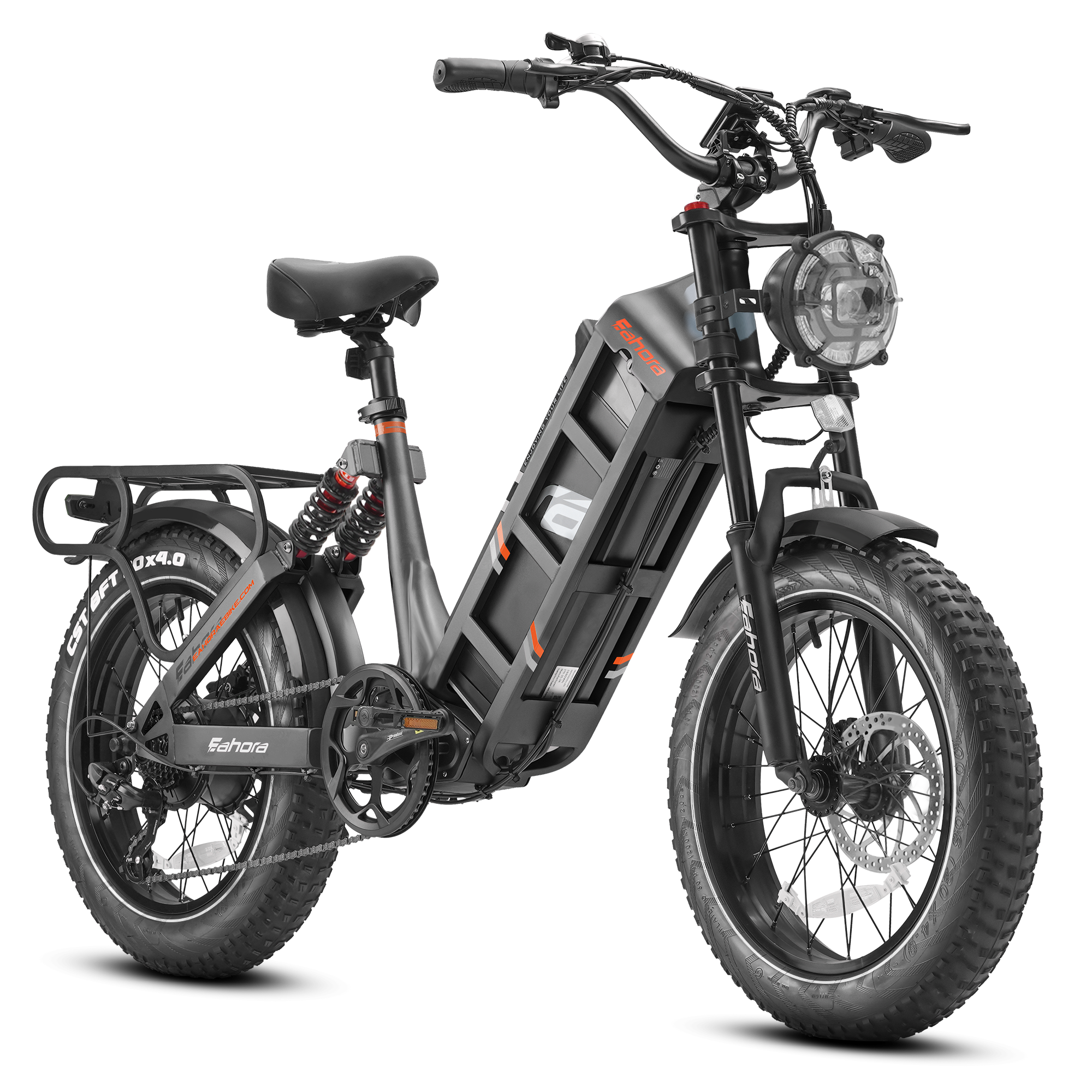
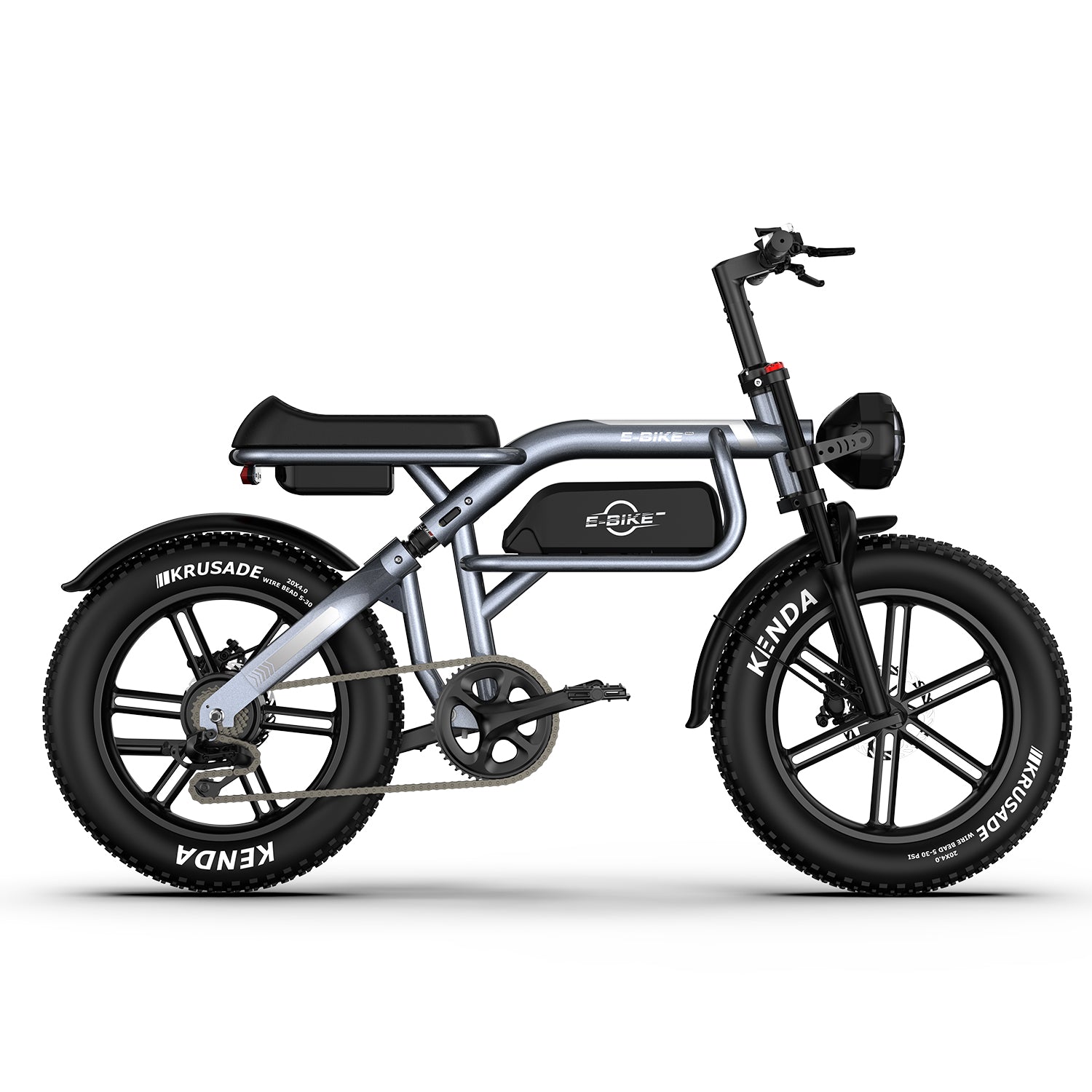
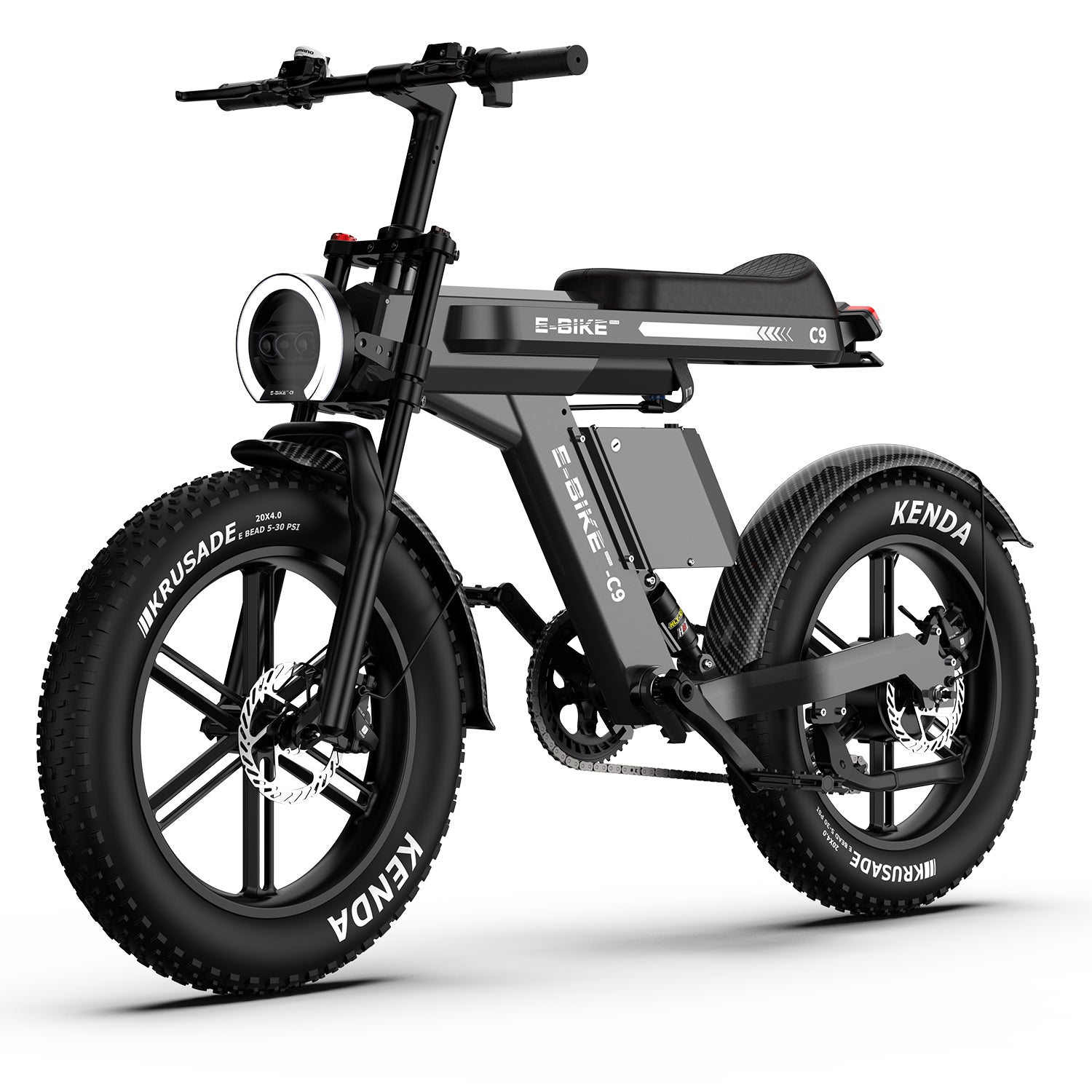
Il C9 bici elettrica è uno di questi esempi, utilizzando un sistema a doppia batteria con un combinato 35Ah capacità costruita su celle a batteria LG, abbinate a sospensioni idrauliche e freni a disco idraulici. Dal punto di vista della cura, questo tipo di configurazione supporta corse più lunghe mantenendo le routine di manutenzione semplici e prevedibili.
Controlli Di Routine Che Proteggino L'affidabilità A Lungo Termine
Per i piloti che coprono distanze più lunghe, i semplici controlli di routine spesso forniscono il miglior ritorno. La pressione degli pneumatici, la sensazione del freno e il comportamento della batteria sono i primi indicatori di sviluppo dei problemi.
Un approccio strutturato ma leggero per mantenere, simile a quello delineato in questa guida generale di manutenzione e-bike, aiuta a mantenere prestazioni coerenti senza mantenere eccessivamente la moto.
Cura come parte dell'esperienza di guida
Prendersi cura di una bici elettrica a lungo raggio riguarda meno la manutenzione complessa e più la consapevolezza. I piloti che capiscono come la loro moto risponde all'uso prolungato possono prevenire problemi prima di interrompere la guida.
Quando le routine di cura si allineano con il modo in cui la moto viene effettivamente utilizzata, la guida a lungo raggio diventa più prevedibile, confortevole e sostenibile nel tempo.